



Affordable Eye Care Access in Nigeria
Affordable eye care services are crucial in Nigeria to protect citizens’ overall health and well-being.
Regular eye check-ups help detect and prevent eye diseases.
However, many Nigerians struggle to access quality eye care at affordable prices.
Financial constraints often cause people to neglect their eye health.
Consequently, neglected eye health can lead to undiagnosed vision problems and serious eye conditions.
Moreover, limited affordable options make timely treatment difficult.
Eye Health Conditions in Nigeria
Eye health statistics help reveal the scale of vision problems across Nigeria.
According to the World Health Organization, an estimated 4.2 million Nigerians are blind.
Cataracts remain the leading reported cause of blindness in the country.
Several eye diseases affect Nigerians across different age groups.
Common Eye Diseases and Conditions
These conditions can impair vision and limit daily activities without timely care.
Some conditions respond well to treatment, while others can cause permanent vision loss.
Regular eye examinations can help identify many problems before they worsen.
- Cataracts cloud the eye lens and commonly affect older adults in Nigeria.
- Glaucoma damages the optic nerve and often involves increased pressure inside the eye.
- Refractive errors include myopia, hyperopia, and astigmatism among Nigerians of all ages.
- Prescription glasses or contact lenses can correct many refractive errors.
- Trachoma is a bacterial eye infection and a leading cause of preventable blindness in Nigeria.
- Poor sanitation and limited access to clean water can increase trachoma transmission.
Barriers to Eye Care Access
Many Nigerians cannot obtain timely eye care because several barriers restrict access.
These barriers affect people particularly in rural and underserved communities.
Limited services can delay diagnosis, treatment, and vision rehabilitation.
- Many rural areas lack basic healthcare facilities and dedicated eye care centers.
- Residents may travel long distances to reach available eye care services.
- Eye examinations, prescription glasses, and surgeries may cost more than many families can afford.
- Nigeria faces a shortage of ophthalmologists and optometrists, especially in rural areas.
Strengthening Eye Health Services
Nigeria needs a coordinated approach to reduce preventable vision loss.
Improving healthcare infrastructure can bring essential services closer to underserved communities.
Training more eye care professionals can help meet the population’s growing needs.
Prioritizing preventive care can support better vision outcomes for citizens across Nigeria.
Existing Eye Care Services in Nigeria
- Nigeria offers various eye care services to the public.
- These services include government clinics, private eye care centers, and nonprofit organizations.
- Government clinics commonly operate within public hospitals and provide basic eye care services.
- Additionally, these clinics usually charge lower fees, making them accessible to average Nigerians.
- Private eye care centers offer more specialized services, although they generally charge higher fees.
- Consequently, these centers mainly serve people who can afford premium eye care services.
- Nonprofit organizations also provide important eye care services to underserved communities.
- For example, these organizations conduct outreach programs and free eye screenings to promote eye health.
- As a result, nonprofit services often cost little or nothing, which improves public access.
- Affordable eye care initiatives remain crucial for the Nigerian population.
- For instance, the National Health Insurance Scheme covers eye care services for its beneficiaries.
- Moreover, the Vision 2020: The Right to Sight initiative aims to eliminate avoidable blindness.
- Together, these initiatives help make eye care more affordable and accessible across Nigeria.
See Related Content: Nigerian Cultural Beliefs and Child Dental Health
Challenges Faced in Accessing Affordable Eye Care
- High costs make eye examinations, treatments, and eyeglasses unaffordable for many Nigerians.
- Lack of awareness prevents some people from recognizing the importance of regular eye check-ups.
- Long distances limit access to eye care facilities, especially for rural communities.
- A shortage of ophthalmologists, optometrists, and other specialists restricts available services.
Financial constraints often force people to delay or avoid eye care.
Consequently, untreated vision problems can continue without professional attention.
Moreover, many Nigerians do not recognize the early signs of eye problems.
This limited awareness reduces the use of available eye care services.
Meanwhile, people in remote areas may travel several hours to reach the nearest eye clinic.
Limited transportation can further delay timely care for these communities.
Additionally, too few trained professionals struggle to meet the demand for eye health services.
This shortage can hinder timely and efficient care for people needing support.
These personal stories further illustrate the barriers Nigerians face when seeking affordable eye care.
- Amina, a single mother of three, has experienced blurred vision for months but cannot afford an eye doctor.
- Emeka, a farmer in a remote village, has never received an eye exam; the nearest clinic is hours away.
- Fatima, a university student, struggles to read textbooks because of poor vision and lacks awareness of affordable resources.
These experiences show how financial, geographic, and informational barriers affect individuals.
Addressing these barriers can help more Nigerians maintain good eye health and vision.
Delve into the Subject: Impact of Optometry on Nigerian Public Health
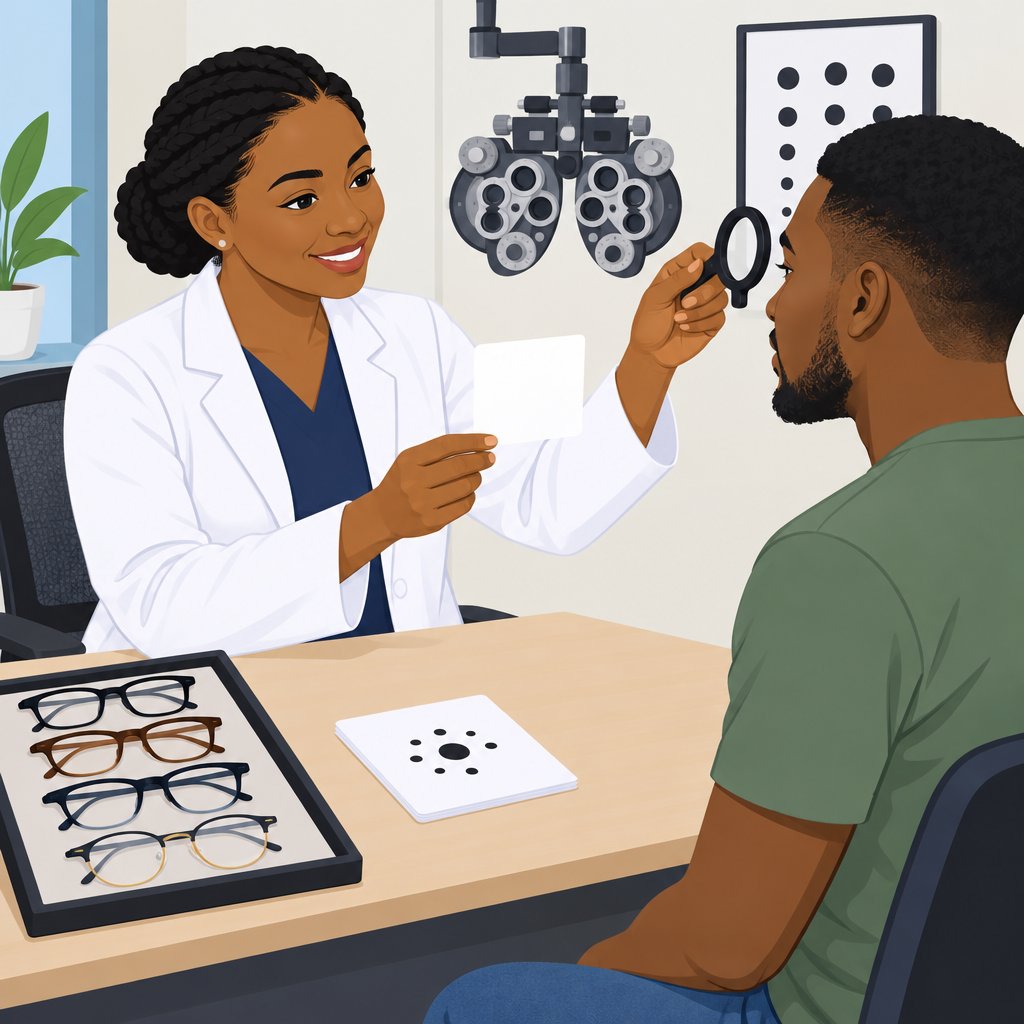
Innovative Approaches for Affordable Eye Care Services
These approaches can extend eye care access beyond established facilities.
They can also connect underserved communities with screening and consultation opportunities.
Additionally, flexible delivery methods can help people seek care closer to home.
- Mobile eye clinics can reach rural communities.
- Telemedicine options can support remote consultations.
- Community outreach programs can provide free eye screenings.
Subsidy Programs and Partnerships
Financial support can reduce the cost of essential eye care services.
Partnerships can also strengthen available resources for patients and providers.
Furthermore, donated equipment can help organizations deliver services with fewer financial barriers.
- Government subsidies can support eye care services.
- International organizations like WHO can form useful partnerships.
- NGOs can donate equipment and other resources.
Low-Cost Options for Eyeglasses and Medications
Lower-cost products can make vision correction and treatment more financially manageable.
Transform Your Career with Expert Guidance
Get personalized mentorship consulting that’s tailored to your unique path. Our expert advice is actionable and exclusive.
Get StartedConsumers can compare available options before purchasing eyeglasses or medications.
Bulk purchasing may also reduce contact lens expenses through available discounts.
- Online retailers can offer affordable prescription eyeglasses.
- Generic medications can treat eye conditions at lower prices.
- Bulk purchasing can provide discounts on contact lenses.
By implementing these solutions, Nigerians can access quality eye care without breaking the bank.
See Related Content: Benefits of Physiotherapy for Nigerians' Health
Importance of Early Detection and Prevention
Early detection plays a crucial role in preventing vision loss and complications.
Regular eye exams and screenings help individuals maintain good eye health.
Additionally, people can protect their eyes through simple habits at home.
- Eat a healthy diet rich in fruits and vegetables to support eye health.
- Avoid smoking because it can increase the risk of cataracts and macular degeneration.
- Protect your eyes from harmful ultraviolet rays by wearing sunglasses outdoors.
- Wash your hands before touching your eyes to help prevent infections.
- Take screen breaks to reduce eye strain and prevent digital eye fatigue.
These steps help individuals maintain optimal eye health.
They can also help prevent potential vision problems in the future.
Gain More Insights: Microbiological Safety Standards in Nigeria
Supporting Affordable Eye Care Services in Nigeria
Advocacy can improve access to affordable eye care services across Nigerian communities.
Residents can raise awareness about eye health and encourage others to seek regular check-ups.
They can also support community efforts that promote accessible and affordable eye care.
Community Advocacy for Better Eye Care Access
Attend community meetings and discuss local needs with community leaders.
Additionally, join awareness campaigns that explain regular check-ups and early detection.
Writing government officials can encourage policies that support affordable eye care services.
- Attend community meetings and discuss affordable eye care with local leaders.
- Participate in campaigns that promote regular eye check-ups and early detection.
- Write government officials about policies supporting affordable eye care services.
Support for Local Eye Care Organizations
Volunteering can help local clinics and organizations serve underserved communities.
Furthermore, donations can provide eyeglasses, medical supplies, or financial support.
Community groups and businesses can organize fundraising events for affordable eye care initiatives.
- Volunteer time and skills at local eye care clinics or organizations.
- Donate funds, eyeglasses, or medical supplies to support eye care organizations.
- Organize fundraising events with local businesses or community groups.
Donation and Volunteer Opportunities
Research reputable Nigerian eye care organizations before donating or volunteering.
Medical missions and nonprofit organizations may serve rural or remote communities.
Online platforms and crowdfunding campaigns can also support eye care initiatives.
- Research reputable organizations that accept donations or offer volunteer opportunities.
- Connect with nonprofit organizations or medical missions serving rural communities.
- Explore crowdfunding campaigns dedicated to eye care initiatives in Nigeria.
These actions can strengthen community support for affordable eye care services.
Together, Nigerians can help make quality eye care more accessible and affordable.
Expanding Access to Eye Care in Nigeria
After reviewing affordable eye care options in Nigeria, several services address the population’s needs.
Free screenings and subsidized eyeglasses can help Nigerians access quality eye care without excessive costs.
Because vision supports overall health and well-being, individuals should prioritize regular eye check-ups and necessary treatments.
Therefore, Nigerians should actively seek accessible eye care options and support services that meet community needs.
By raising awareness and advocating for affordability, communities can help more individuals receive necessary eye care.
Additional Resources
Google search results for Affordable Eye Care Services: Options for Nigerians Medical
Bing search results for Affordable Eye Care Services: Options for Nigerians Medical


