



Introduction
Nigeria has diverse ecosystems and important environmental resources.
Environmental policies guide activities that affect these ecosystems.
Understanding and implementing these policies supports sustainable development.
Overview of Ecology and Environmental Policies in Nigeria
Nigeria is a West African country with rich biodiversity and natural resources.
However, rapid industrialization and urbanization have caused environmental degradation.
Ecology examines ecosystems and their interactions with the environment.
Meanwhile, environmental policies regulate activities that affect the environment.
Importance of Understanding and Implementing Environmental Policies
Understanding these policies helps protect biodiversity and ecosystems.
Effective implementation can support sustainable development and economic growth.
Failure to follow environmental regulations can cause pollution and habitat destruction.
Therefore, enforcement can help Nigeria protect its natural heritage for future generations.
Ecology in Nigeria
- Nigeria contains diverse ecosystems, including rainforests, savannas, mangroves, and other natural environments.
- Protecting these ecosystems supports biodiversity and preserves essential ecosystem services.
Nigeria’s natural environments deserve attention alongside its bustling cities, vibrant cultures, and diverse population.
These ecosystems maintain biodiversity and provide essential services for communities.
Nigeria’s lush rainforests cover a significant portion of the country’s landmass.
They shelter many plant and animal species, including species found nowhere else in the world.
Moreover, dense tree canopies provide habitat for rare primates and colorful birds.
Consequently, rainforests represent important biodiversity hotspots in the region.
Nigeria’s savannas combine open grasslands with scattered trees.
They support diverse flora and fauna, including elephants, lions, and giraffes.
Therefore, savanna conservation protects wildlife and helps maintain regional ecological balance.
Extensive mangrove forests line Nigeria’s coastal areas.
These ecosystems thrive in brackish water and buffer land from sea.
They control erosion, filter water, and protect coastal areas.
Additionally, mangroves provide breeding grounds for many marine species.
Those functions support the livelihoods of coastal communities.
Protecting these habitats benefits wildlife and people.
Furthermore, conservation helps future generations receive nature’s services and resources.
Shared responsibility can safeguard Nigeria’s ecology and support a sustainable future.
Pollution
Industrial activities and vehicle emissions make air pollution a major environmental challenge in Nigeria.
Additionally, oil spills in the Niger Delta severely damage water quality and surrounding environments.
Improper waste disposal and agricultural practices also increase soil pollution across the country.
- Industrial activities and vehicle emissions contribute significantly to air pollution.
- Oil spills in the Niger Delta cause widespread water pollution and environmental harm.
- Agricultural practices and improper waste disposal continue to increase soil pollution.
Deforestation and Desertification
Logging and agricultural expansion continue to remove forest cover at an alarming rate.
Meanwhile, desertification in northern regions reduces fertile land and threatens biodiversity.
These changes weaken environmental resources and create additional challenges for affected communities.
- Logging drives widespread deforestation across Nigeria.
- Farmers clear land for agriculture, accelerating forest loss.
- Desertification in northern regions causes fertile land and biodiversity to decline.
Climate Change Impacts
Climate change exposes Nigeria to more frequent droughts and flooding events.
Furthermore, rising sea levels threaten coastal communities through erosion and livelihood losses.
Higher temperatures and shifting rainfall patterns also reduce agricultural productivity and threaten food security.
- Droughts and flooding events are becoming significant climate-related risks in Nigeria.
- Rising sea levels cause coastal erosion and threaten community livelihoods.
- Changing temperatures and rainfall patterns affect agricultural productivity and food security.
Nigeria needs a multi-faceted response to these environmental challenges.
Government policies, community initiatives, and international cooperation must work together.
Explore Further: Scholarships for Marine Biology Students in Nigeria
Transform Your Career with Expert Guidance
Get personalized mentorship consulting that’s tailored to your unique path. Our expert advice is actionable and exclusive.
Get StartedCurrent Environmental Policies in Nigeria
Nigeria has established environmental policies and regulations to address environmental degradation and climate change.
These policies aim to protect the environment and promote sustainable development.
They also seek to reduce the effects of human activities on ecosystems.
Existing Regulations and Laws
Nigeria uses several laws and regulatory bodies to manage environmental protection.
These measures address environmental assessment, water resources, forests, and mining activities.
Together, they provide a framework for regulating activities that may damage the environment.
- National Environmental Standards and Regulations Enforcement Agency (NESREA): Nigeria established NESREA in 2007 to enforce environmental laws.
- Environmental Impact Assessment Act: The 1992 Act requires projects to undergo environmental assessment before approval.
- Water Resources Act: The 1993 Act regulates water use, conservation, and pollution control.
- Forestry Law: This law regulates logging and supports sustainable forest management practices.
- Nigerian Minerals and Mining Act: The 2007 Act regulates mining activities to reduce environmental degradation.
Effectiveness of Environmental Policies
Nigeria has made progress by establishing environmental policies and regulatory institutions.
However, enforcement and compliance continue to limit their effectiveness.
Several factors influence how well these policies address environmental challenges.
- Enforcement: Limited resources, corruption, and weak political will can hinder environmental enforcement.
- Compliance: Industries and individuals sometimes disregard regulations, causing pollution and deforestation.
- Capacity Building: Environmental officials need training to improve their understanding and enforcement efforts.
- Public Awareness: Education and outreach can encourage environmental responsibility and legal compliance.
- Technology and Innovation: Technology can improve monitoring, detection, and enforcement of environmental regulations.
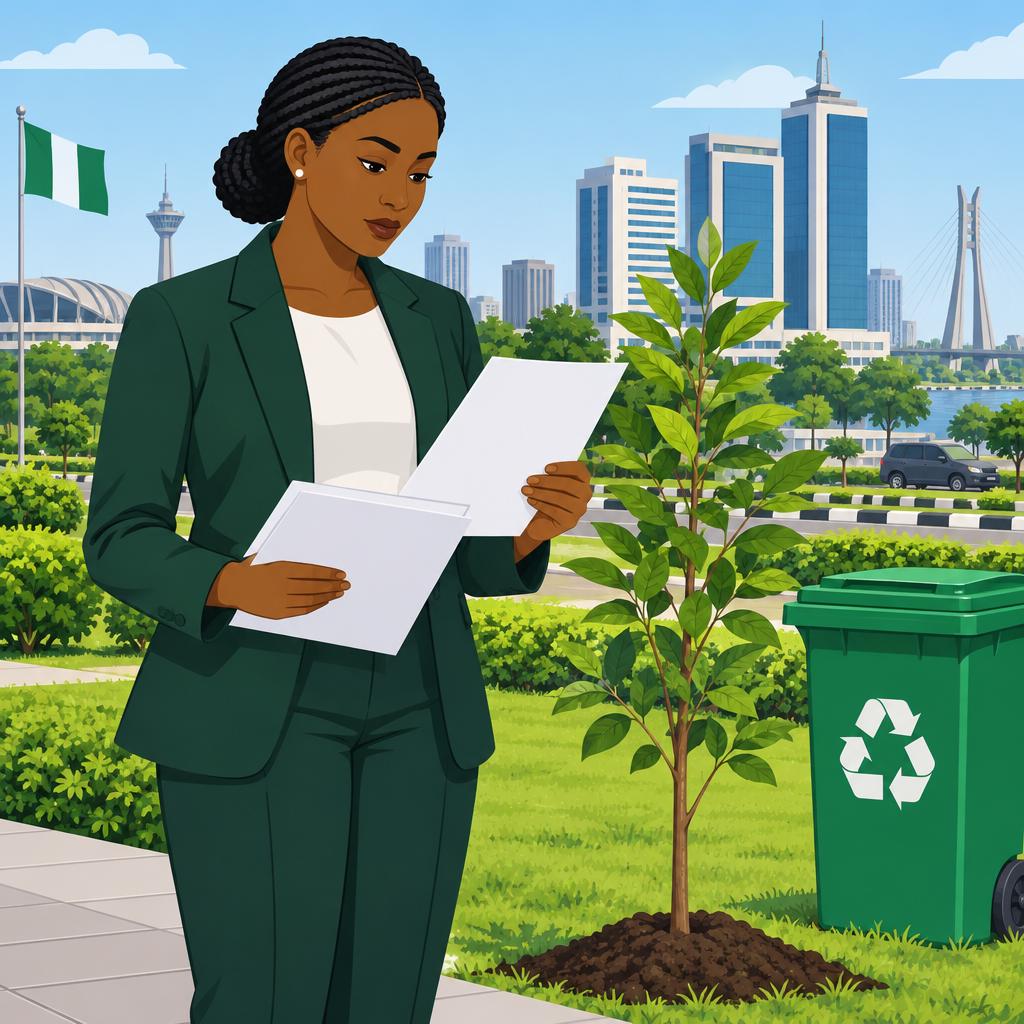
Strengthening Environmental Protection
Nigeria needs stronger enforcement and better compliance to address environmental issues effectively.
Capacity building, public awareness, and improved technology can support these efforts.
Applying these measures can strengthen environmental protection and support sustainable development.
Gain More Insights: Internship Opportunities in Nigerian Environmental Biology
Government Agencies and Organizations Involved in Environmental Management
Protecting Nigeria’s environment supports sustainable development.
Various government agencies and organizations help manage and safeguard the country’s ecology.
This section examines their responsibilities and contributions to environmental protection.
Role of the Federal Ministry of Environment and Its Agencies
The ministry leads national environmental management efforts in Nigeria.
It develops policies, guidelines, and regulations for sustainable resource use.
Additionally, it coordinates environmental activities and collaborates with governments and partners.
- The Federal Ministry of Environment manages environmental matters at the national level.
- It formulates policies that support sustainable natural resource use.
- The ministry creates guidelines and regulations for environmental protection.
- It oversees the implementation of environmental laws.
- The ministry coordinates environmental activities across Nigeria.
- It collaborates with government agencies, state governments, and international partners.
- NESREA operates under the Federal Ministry of Environment.
- NESREA enforces environmental standards, regulations, and laws.
- It conducts environmental inspections and monitors pollution levels.
- NESREA promotes compliance with environmental laws across different sectors.
- NOSDRA operates under the Federal Ministry of Environment.
- NOSDRA prevents, detects, and responds to oil spills.
- It addresses environmental emergencies in the oil and gas sector.
- NOSDRA works with industry stakeholders, communities, and government agencies.
- These collaborations help reduce the environmental effects of oil spills.
Involvement of Non-Governmental Organizations and Civil Society
NGOs and civil society groups advocate environmental protection and sustainability in Nigeria.
They raise awareness, mobilize communities, and influence policy decisions.
They also research, provide expertise, and promote accountability.
- NGOs address environmental challenges through advocacy and community engagement.
- They work with government agencies, communities, and international organizations.
- NGOs conduct research and recommend improvements to environmental policies.
- ERA/FoEN campaigns against environmental degradation.
- ERA/FoEN advocates for climate justice and environmental protection.
- The organization promotes environmental protection and human rights.
- ERA/FoEN uses grassroots activism, litigation, and policy advocacy.
- Its activities seek accountability from polluters and protection for natural resources.
- Civil society groups monitor environmental activities and provide feedback to policymakers.
- They promote transparency and accountability in environmental management.
- These groups organize protests and public forums on environmental issues.
- They mobilize citizens to demand action from decision-makers.
- Government agencies, NGOs, and civil society groups support environmental management together.
Uncover the Details: Research Opportunities in Nigerian Agricultural Science
Implementation Challenges and Gaps in Nigeria’s Environmental Policies
- Lack of enforcement and compliance mechanisms
- Corruption and lack of accountability
- Limited financial resources and technical capacity
Nigeria faces major challenges when implementing environmental policies.
First, weak enforcement and compliance mechanisms limit the effectiveness of environmental regulations.
Without stringent measures, many industries and individuals disregard environmental laws.
Consequently, harmful practices continue and environmental degradation becomes more difficult to control.
Corruption within government agencies further intensifies these implementation challenges.
When officials accept bribes or outside influence, authorities struggle to hold polluters accountable.
As a result, weak accountability allows damaging practices to continue unchecked.
Nigeria also lacks sufficient financial resources and technical capacity for effective environmental management.
Many responsible agencies lack the funding and expertise needed to fulfil their mandates.
Furthermore, limited resources restrict agencies’ ability to monitor and enforce environmental regulations.
These capacity gaps create weaknesses in oversight and compliance.
They also hinder efforts to address pressing environmental issues and protect natural resources.
Nigeria must therefore strengthen enforcement mechanisms and improve compliance with environmental policies.
It must also combat corruption and increase investment in environmental protection.
By improving accountability and technical capacity, the country can better safeguard ecosystems.
These improvements can also support sustainable development and protect natural resources for future generations.
Uncover the Details: Prominent Nigerian Boat Building Companies
Strategies for Improving Environmental Governance in Nigeria
- Stronger enforcement of existing laws and regulations is crucial for better environmental protection.
- Furthermore, capacity building for government agencies and stakeholders will improve environmental management.
- Public awareness campaigns can educate people about the importance of environmental conservation.
- Moreover, community involvement can support sustainable and locally appropriate environmental solutions.
Implementing these strategies will help Nigeria address environmental challenges and pursue a greener, more sustainable future.
Ecology and Environmental Policy Priorities
Nigeria’s sustainable development depends on prioritizing ecology and environmental policies.
Environmental policies can guide efforts to address the country’s environmental challenges.
Government, civil society, and individuals must commit to collective environmental action.
Together, these groups can support sustainable development by addressing environmental challenges.
Additional Resources
Google search results for Ecology and Environmental Policies in Nigeria Sciences
Bing search results for Ecology and Environmental Policies in Nigeria Sciences


