



Community Involvement in Nigerian Environmental Projects
Community involvement in Nigerian environmental projects plays a crucial role in addressing environmental issues.
By engaging local residents, these projects can achieve greater impact and support sustainable solutions.
In environmental projects, local residents, community groups, and stakeholders participate in decision-making.
They also help plan and implement initiatives that address environmental challenges.
Community Involvement in Environmental Projects
Environmental projects in Nigeria benefit from community involvement.
Local participation raises awareness and supports project effectiveness.
Community collaboration can also strengthen long-term benefits.
Benefits of Local Community Participation
Local residents contribute awareness, knowledge, and practical support.
Furthermore, their involvement encourages greater participation in environmental projects.
These contributions help projects address environmental issues more effectively.
- Community involvement increases awareness of environmental issues.
- Communities share valuable insights and traditional knowledge.
- Local involvement builds ownership and pride in project activities.
- Community participation supports higher participation rates and better outcomes.
Project Sustainability and Long-Term Success
Community involvement strengthens the sustainability of environmental projects.
Moreover, local contributions can support implementation through resources and manpower.
Community support also encourages collaboration during future initiatives.
- Community involvement helps projects create lasting benefits.
- Local communities contribute resources and manpower during implementation.
- Community input produces effective and culturally appropriate solutions.
- Local engagement builds support and collaboration for future initiatives.
Barriers to Community Involvement
Environmental projects often face cultural, social, and economic barriers that reduce participation and collaboration.
These challenges require careful engagement with communities and attention to local conditions.
Practical solutions can help residents contribute meaningfully to environmental stewardship.
- Limited awareness can reduce understanding of environmental issues and conservation needs.
- Limited resources and funding can restrict participation in environmental projects.
- Cultural beliefs may conflict with project goals or sustainable methods.
- Hierarchy and power structures can hinder collaboration and shared decision-making.
- Economic disparities can create unequal opportunities for community involvement.
Many residents may not understand environmental conservation or recognize how their actions affect the environment.
Consequently, limited awareness can weaken motivation to join conservation activities.
Furthermore, communities in developing countries like Nigeria may lack funds for environmental initiatives.
Without adequate resources, communities may struggle to implement or sustain projects.
Cultural practices sometimes conflict with project goals or sustainable methods.
Project teams should work with community leaders to identify culturally appropriate solutions.
Meanwhile, hierarchy and power structures can exclude some residents from decisions or leadership roles.
An inclusive process can give more community members opportunities to contribute.
In addition, economic hardship can make immediate needs more urgent than long-term environmental concerns.
Transportation costs and time away from work may also prevent participation.
Training and compensation for lost wages can reduce these economic barriers.
Building trust and creating meaningful roles can strengthen community participation.
Find Out More: Importance of Environmental Biology in Nigeria
Strategies for Effective Community Engagement
Environmental projects succeed when organizers plan carefully and involve local communities thoughtfully.
First, organizers should build trust, communicate clearly, and create meaningful opportunities for participation.
Furthermore, consistent feedback and adaptation can strengthen relationships and improve project implementation.
- Build Relationships: Establish trust and credibility by connecting genuinely with community members and listening to their concerns.
- Enhance Communication: Use varied channels to share project goals, progress, and important updates transparently.
- Promote Collaboration: Involve community members in planning, decisions, teamwork, and collective problem-solving.
- Empower Local Leaders: Support community leaders with resources so they can advocate for environmental projects.
- Offer Training and Education: Provide conservation training that builds skills, shares knowledge, and encourages ownership.
- Ensure Inclusivity: Welcome participation while respecting cultural sensitivities and addressing engagement barriers.
- Celebrate Successes: Recognize community achievements and highlight contributions to environmental projects.
- Seek Feedback: Regularly request community feedback and use it to evaluate and improve engagement strategies.
- Adapt and Iterate: Adjust engagement strategies when feedback or changing circumstances require improvement.
Finally, organizers should value local input and contributions throughout each environmental project.
This approach can support collaboration and help communities contribute positively to their environment.
Delve into the Subject: Nigeria's Marine and Coastal Conservation Efforts
Community Driven Environmental Projects in Nigeria
Several Nigerian environmental projects show how communities can support environmental action.
These efforts also create positive changes within participating communities.
The following case studies highlight community participation and local ownership.
Ogoniland Cleanup Project
The Ogoniland Cleanup Project demonstrates community-driven environmental action in Nigeria.
Local residents participate in planning and implementing the cleanup.
Transform Your Career with Expert Guidance
Get personalized mentorship consulting that’s tailored to your unique path. Our expert advice is actionable and exclusive.
Get StartedCommunity meetings and consultations allow residents to provide input and feedback.
- The Ogoniland Cleanup Project provides an example of community-driven environmental work in Nigeria.
- Local communities actively participate in planning and implementing the cleanup.
- Community meetings and consultations incorporate residents’ input and feedback.
- A strong sense of ownership and commitment supports the project’s success.
- Resident involvement encourages pride and responsibility toward the environment.
Lufasi Nature Park Conservation
Lufasi Nature Park demonstrates another approach to community involvement in Nigeria.
A local conservation organization manages and maintains the park with surrounding communities’ support.
Community collaboration helps protect biodiversity and preserve the park’s ecosystem.
- Lufasi Nature Park provides an example of successful community involvement in Nigeria.
- The managing conservation organization receives support from surrounding communities.
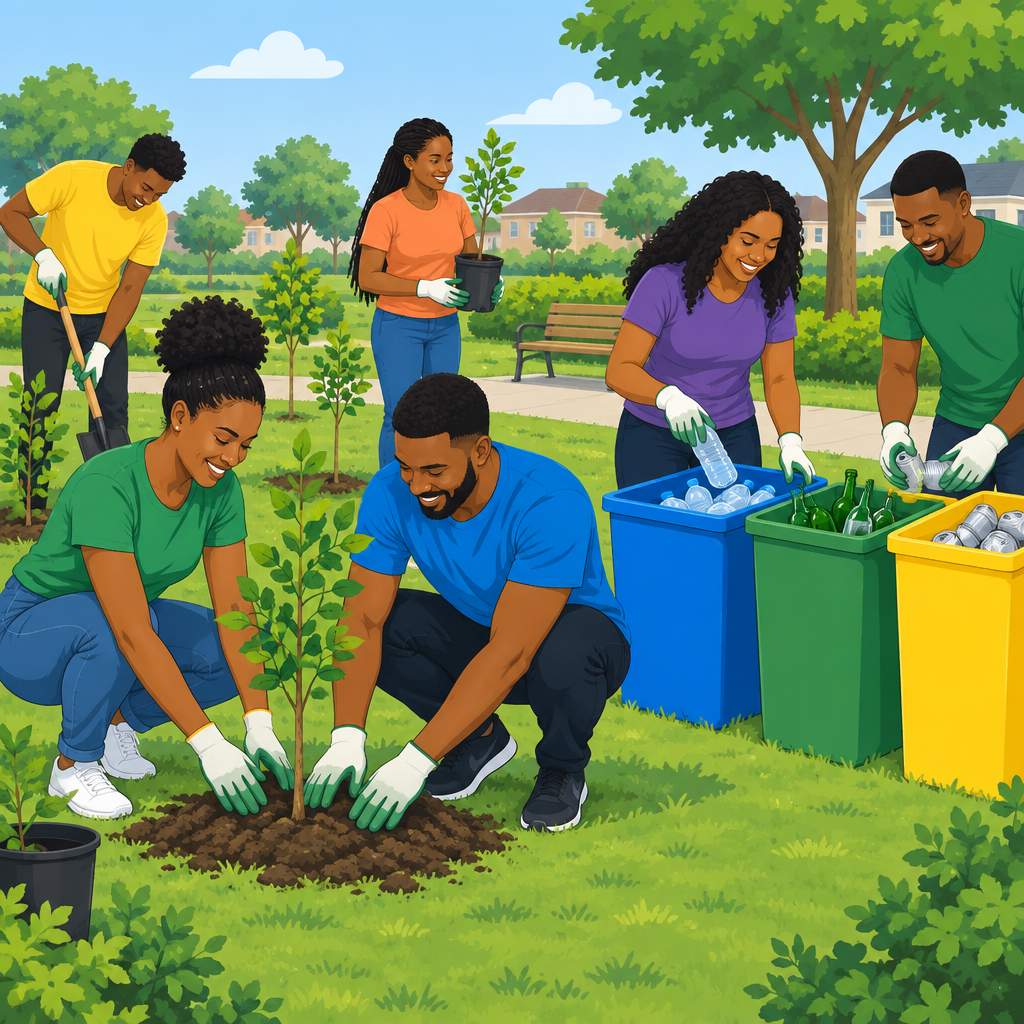
- Community members participate in tree planting, waste management, and wildlife monitoring.
- Collaboration protects biodiversity and preserves the park’s ecosystem.
- Resident involvement in decisions builds widespread community support and commitment.
Solar Energy Projects in Rural Communities
Solar energy projects successfully engage residents in rural Nigerian communities.
Community members help install, maintain, and manage solar panels and systems.
Training gives residents the skills needed to operate solar energy infrastructure.
- Solar energy projects successfully engage residents in rural Nigerian communities.
- Community members participate in installing, maintaining, and managing solar systems.
- Training programs provide residents with necessary operational skills and knowledge.
- Clean, renewable energy improves community quality of life and economic opportunities.
- Resident involvement supports project sustainability and long-term community benefits.
Community Benefits of Environmental Participation
These case studies demonstrate the value of community involvement in Nigerian environmental projects.
Active participation helps projects achieve environmental goals while empowering local residents.
Community ownership also encourages residents to protect their environment and pursue sustainable futures.
Discover More: Overview of Estate Management Courses in Nigeria
The Role of Government and NGOs
Government agencies and NGOs support community involvement in environmental projects.
They provide funding, resources, and technical expertise for sustainable initiatives.
Furthermore, policies, regulations, training, and partnerships guide implementation and support lasting results.
- Government agencies and NGOs play a crucial role in supporting community involvement in environmental projects.
- They provide funding, resources, and technical expertise to help communities implement sustainable initiatives.
- Government policies and regulations guide environmental projects and ensure compliance with standards.
- NGOs connect communities with funding sources and provide training and capacity-building programs.
- Collaboration among government agencies, NGOs, and communities supports long-term project success.
Support from Government Agencies and NGOs
Government agencies regulate and enforce environmental laws for project success.
They can also provide grants or subsidies for large-scale environmental initiatives.
Meanwhile, NGOs contribute expertise, networks, guidance, and technical support.
- Government agencies have the authority to regulate and enforce environmental laws essential for project success.
- They can provide grants or subsidies, helping communities undertake large-scale environmental initiatives.
- NGOs bring expertise and networks that help communities access resources and build project partnerships.
- Both groups offer guidance and technical support for effective project implementation and maintenance.
- Working together allows these entities to maximize environmental project impacts in Nigeria.
Collaboration for Sustainable Outcomes
Regular communication and coordination strengthen cooperation among stakeholders.
Pooling resources and expertise improves project planning and implementation.
Moreover, training, monitoring, and evaluation help communities sustain project outcomes.
- Regular communication and coordination support successful environmental projects.
- Partnerships pool resources and expertise, improving project planning and implementation.
- Training workshops and knowledge-sharing sessions empower communities to manage environmental projects.
- Monitoring and evaluation help stakeholders track progress and identify challenges.
- Stakeholders can adjust their efforts to achieve lasting environmental outcomes across Nigeria.
Uncover the Details: Nigerian Government Policies on Fisheries
Long-Term Sustainability of Community Environmental Projects
- Addressing long-term sustainability requires continued community involvement in environmental projects.
- Ensuring continued engagement requires lasting support from local communities.
Community involvement in Nigerian environmental projects faces sustainability challenges that can weaken long-term environmental benefits.
Project organizers must ensure that initiatives continue producing positive environmental effects after external support ends.
Therefore, planners should involve local residents during project design and implementation.
This participation builds ownership and encourages residents to support initiatives independently.
Training and tools can help community members maintain and expand environmental projects.
Additionally, partnerships with local organizations and government agencies can provide resources, funding, monitoring, and ongoing support.
Continued Community Engagement and Local Support
Continued engagement requires education that helps residents understand environmental stewardship.
Awareness campaigns can strengthen commitment and encourage practical participation.
Community leaders and stakeholders should also join decision-making processes.
This involvement helps align projects with community needs and priorities.
Moreover, inclusive decisions can build trust and encourage long-term commitment from local residents.
Regular communication keeps community members informed about project activities and progress.
Feedback mechanisms allow residents to share concerns and strengthen continued support.
These combined practices can help environmental projects maintain lasting benefits in Nigeria.
Community Action for Environmental Protection
Community involvement plays a vital role in environmental projects in Nigeria.
Active residents can drive positive environmental change.
By working together, communities can support tree planting, waste management, and conservation efforts.
These initiatives can significantly improve local environments.
Community members contribute local knowledge, resources, and manpower to environmental projects.
Consequently, their contributions make these efforts more effective and sustainable.
Moreover, participation gives residents a sense of ownership and responsibility.
This shared commitment encourages residents to protect the environment for future generations.
Government agencies, NGOs, and businesses should support community participation in environmental initiatives.
Such support can help communities achieve lasting positive change.
Together, communities can create cleaner, healthier, and more sustainable environments.
These efforts benefit everyone.
Additional Resources
Google search results for Community Involvement in Environmental Projects Nigeria Environmental
Bing search results for Community Involvement in Environmental Projects Nigeria Environmental


