



Anthropology and Academic Collaboration in Nigeria
Anthropology in Nigeria studies human societies.
It also examines cultures and behaviors within the country.
Furthermore, conferences and workshops advance anthropological research.
They also support knowledge sharing and collaboration among anthropologists.
Overview of Anthropology Conferences in Nigeria
Anthropology conferences in Nigeria occur annually.
They attract scholars, researchers, and students.
These gatherings address current trends and challenges in anthropology.
Major Anthropology Conferences Held in Nigeria
The country hosts several major anthropology conferences.
These events bring together participants interested in anthropological research.
The following conferences appear among the major events listed here.
- The Nigerian Anthropological and Sociological Association (NASA) Annual Conference
- The West African Anthropological Research Conference (WAARC)
- The International Conference on African Anthropology
Frequency and Significance of Anthropology Conferences
Annual conferences give attendees opportunities to exchange ideas and research findings.
They also create networking opportunities for scholars, researchers, and students.
Additionally, presentations and workshops offer varied learning experiences.
These meetings support the growth and development of anthropology in Nigeria.
Key Themes in Anthropology Conferences
Anthropology conferences examine human cultures, histories, languages, and responses to contemporary challenges.
These themes encourage scholars to compare evidence, question assumptions, and develop broader interpretations.
In Nigeria, conference discussions can strengthen anthropological research and support meaningful knowledge exchange.
Cultural Anthropology and Social Diversity
Cultural anthropology investigates the diversity of human cultures, beliefs, and everyday practices.
Researchers use cultural perspectives to examine how societies organize relationships, values, and social behavior.
Furthermore, these studies foster deeper understanding of societal dynamics across different communities.
Conference presentations can therefore reveal how people create meaning within changing cultural environments.
Archaeology and Material Evidence
Archaeology studies human history through material culture, including artifacts, structures, and excavation evidence.
Conference sessions often present research on ancient civilizations and the interpretation of recovered objects.
Researchers also discuss excavation techniques that improve the documentation of archaeological discoveries.
Consequently, archaeological work expands knowledge about past societies and their cultural development.
Linguistic Anthropology and Cultural Identity
Linguistic anthropology explores how language shapes human societies, relationships, and cultural identities.
Presentations may examine language use, dialects, and communication patterns within different communities.
These studies show how people express belonging and negotiate interactions through language.
They also clarify connections between communication practices and wider cultural experiences.
Anthropology and Current Global Issues
Conferences must address current issues to keep anthropology relevant and responsive to global challenges.
Climate change discussions can examine effects on indigenous communities and traditional ecological knowledge systems.
Globalization sessions may analyze cultural flows, hybridization, and the commodification of identities.
Researchers can also consider how digital environments influence cultural exchange and identity formation.
Human rights panels may address social justice, marginalization, discrimination, ethical research, and advocacy.
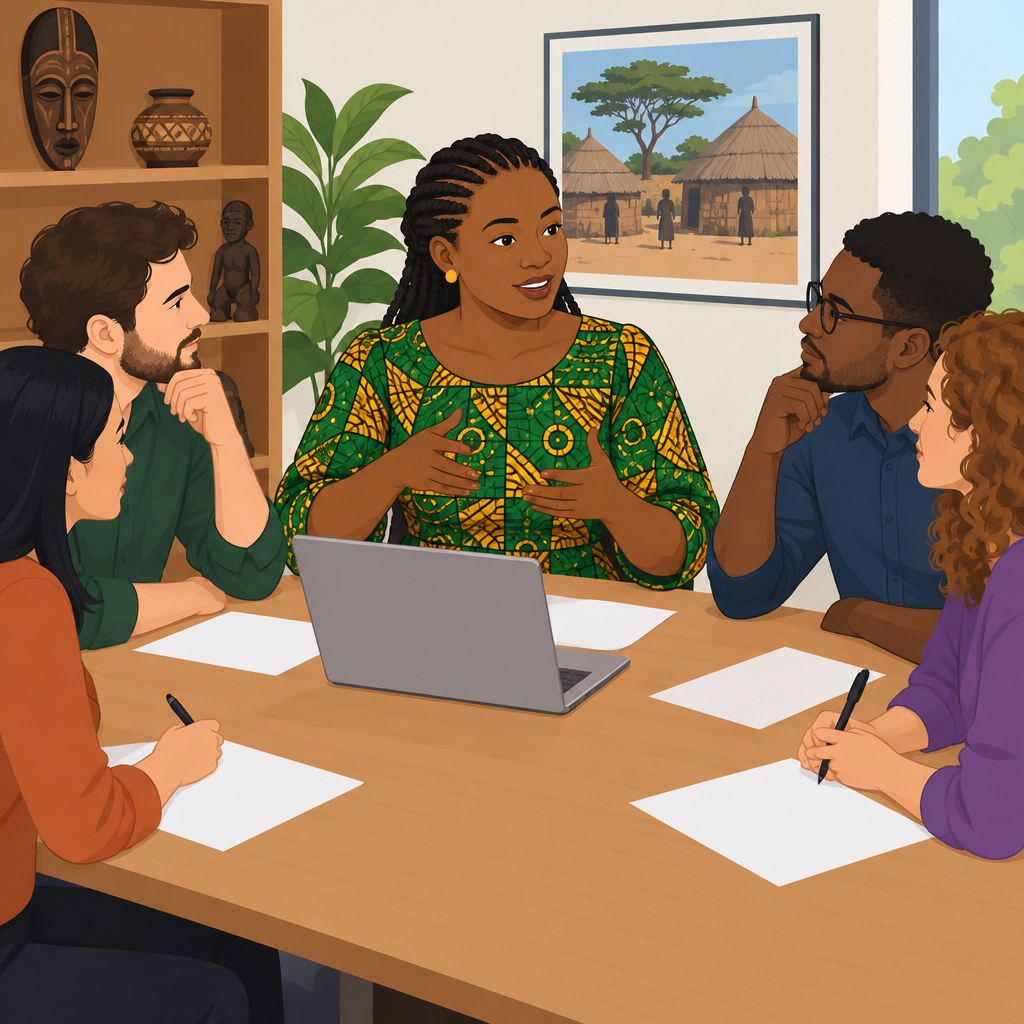
Knowledge Exchange and Anthropological Practice
These conferences bring scholars, students, and practitioners together for focused dialogue and knowledge exchange.
Participants can develop interdisciplinary collaborations by connecting cultural, archaeological, linguistic, and social perspectives.
Such engagement supports the advancement of anthropological research and strengthens professional practice.
Explore Further: Nigerian Boat Building: Export Opportunities
Notable Speakers and Participants
Anthropology conferences and workshops in Nigeria attract leading anthropologists from around the world.
These scholars present research and share their expertise with local participants.
Transform Your Career with Expert Guidance
Get personalized mentorship consulting that’s tailored to your unique path. Our expert advice is actionable and exclusive.
Get StartedTheir contributions strengthen discussions and encourage professional exchange.
Leading Anthropologists at Nigeria Conferences
Several distinguished anthropologists contribute expertise across major anthropology specializations.
- Prof. John Black – Renowned expert in cultural anthropology
- Dr. Sarah White – Specialist in medical anthropology
- Dr. Michael Green – Prominent figure in social anthropology
- Prof. Jane Brown – Expert in archaeological anthropology
These speakers enrich conferences with knowledge and practical insights.
Consequently, attendees engage in important discussions and develop collaborations.
Diversity of Conference Participants
Anthropology conferences in Nigeria welcome academics, researchers, students, and professionals.
This diversity adds depth and richness to presentations and discussions.
Academics from Nigerian and international universities share research findings and theoretical insights.
Meanwhile, researchers from different institutions present fieldwork findings and empirical data.
These presentations provide case studies for discussion and analysis.
Students pursuing anthropology degrees interact with established scholars and researchers.
They gain valuable insights and mentorship for academic and professional development.
Professionals from healthcare, development, and policy-making contribute practical experiences.
Their perspectives support discussions about applying anthropology to real-world challenges.
Therefore, participant diversity reflects anthropology’s interdisciplinary nature.
Collaboration among scholars, researchers, students, and practitioners advances anthropological knowledge and practice.
Discover More: Core Subjects in Animal and Environmental Biology
Case Studies and Research Presentations
These presentations give researchers a platform to share findings with the wider academic community.
Researchers present projects that explore varied areas, including archaeology and cultural studies.
Those projects help scholars examine evidence, develop interpretations, and identify future research priorities.
- These presentations showcase specific research projects and studies from earlier conferences.
- They also highlight how those presentations have influenced anthropology in Nigeria.
At these gatherings, scholars discuss research projects developed through their ongoing academic work.
These projects address various anthropological subjects, including archaeology, cultural studies, and community life.
For example, one case study might examine globalization’s effects on indigenous communities in Nigeria.
It could explore how globalization changes cultural practices and traditions within those communities.
Such research provides insights that can guide future studies and inform policy decisions.
Furthermore, presentations expand the knowledge available to anthropology scholars in Nigeria.
Policymakers and stakeholders may use these findings when considering relevant decisions.
These exchanges also encourage collaboration, strengthen scholarly discussion, and support progress within the discipline.
Uncover the Details: Benefits of Studying Applied Botany in Nigeria
Workshops and Training Sessions
Anthropology conferences in Nigeria include workshops and training sessions.
These sessions provide hands-on training and skills development opportunities.
They form a key component of these conferences.
Workshop Topics at Anthropology Conferences
These conferences often feature workshops on fieldwork methods and data analysis techniques.
Experts usually lead these sessions and share their knowledge and experience.
Consequently, participants explore practical approaches to anthropological research.
- Fieldwork methods workshops cover participant observation, interviews, and data collection techniques.
- Data analysis workshops teach participants to interpret anthropological data with statistical methods and software tools.
- Ethnographic writing workshops help participants craft narratives based on their research findings.
- Cultural heritage preservation workshops teach practical strategies for conservation and documentation.
Value of Hands-on Training and Skills Development
Hands-on training gives participants practical expertise alongside academic knowledge.
It helps them apply theoretical concepts in real-world settings.
Participants can strengthen their research, data analysis, and communication abilities.
Moreover, workshops connect participants with experts in the field.
These connections can foster collaboration and mentorship opportunities.
Such opportunities can support participants’ professional growth.
Therefore, the sessions equip aspiring anthropologists with practical skills and knowledge.
See Related Content: Project Ideas for Applied Math Students in Nigeria
Collaboration and Networking Opportunities
Anthropology conferences promote collaboration among anthropologists and institutions.
At these gatherings, scholars share ideas, co-author publications, and begin joint research projects.
Furthermore, experts from varied backgrounds develop interdisciplinary partnerships that encourage innovative research.
- Institutions can form partnerships with other organizations to strengthen their programs.
- Participants network with peers, establish professional relationships, and exchange knowledge and expertise.
- Consequently, conference networking can create funding opportunities, job prospects, and future project collaborations.
- These conferences connect academic communities and promote knowledge-sharing and cooperation.
- Through discussions, workshops, and panels, participants exchange ideas and build relationships with like-minded individuals.
- Moreover, social events, online platforms, and collaborative projects extend networking beyond the conference venue.
Professional Growth Through Anthropology Events
Participation in these events helps attendees stay current with emerging trends, methodologies, and theories in anthropology.
Moreover, attendees can broaden their perspectives, strengthen research skills, and develop professional relationships.
These relationships may support future projects and professional opportunities.
Beyond individual growth, such events strengthen anthropology’s community in Nigeria.
They also encourage interdisciplinary inquiry and culturally informed responses to local challenges.
By sharing perspectives and practices, participants can contribute to positive social change.
Anthropology enthusiasts, academics, and practitioners should consider participating in upcoming Nigerian conferences and workshops.
Such involvement supports the field while expanding knowledge, skills, and professional networks.
Together, participants can examine cultural diversity, explore human behavior, and contribute meaningfully to anthropology in Nigeria.
Additional Resources
Google search results for Anthropology Conferences and Workshops in Nigeria Sciences
Bing search results for Anthropology Conferences and Workshops in Nigeria Sciences


