



Animal Science in Nigeria’s Agriculture Sector
Animal science plays a crucial role in Nigeria’s agriculture sector.
This discipline supports food security and contributes to the country’s economic development.
It covers animal breeding, nutrition, health, and management.
These areas support the production of high-quality meat, milk, eggs, and other animal products.
Those products provide important supplies for the country’s food system.
Additionally, Nigeria’s livestock industry contributes significantly to national GDP.
It also provides employment opportunities for millions of people.
Through scientific research and practices, animal science improves animal productivity.
Consequently, it helps increase agricultural output and support broader economic growth.
Furthermore, the discipline supports sustainable agricultural practices.
Efficient animal husbandry techniques can help minimize environmental impacts.
They also support the agriculture sector’s long-term viability.
Therefore, Nigeria’s agriculture sector depends on animal science for food security, economic development, and sustainability.
Enhanced Livestock Production
Animal science improves livestock breeding, feeding, and management practices in Nigeria.
Researchers develop practical methods that help farmers improve livestock quality and productivity.
These methods can increase meat, milk, and egg production while supporting healthier animals.
- Animal scientists conduct research to identify breeding practices that improve livestock quality and productivity.
- They develop improved feeding techniques that support animal growth, health, and production.
- Furthermore, disease management strategies help farmers protect livestock health and maintain productivity.
- Breeding programs improve disease resistance, reproductive efficiency, and meat or milk production.
- Genetic selection identifies superior animals for breeding and encourages desirable traits in their offspring.
Disease Prevention and Management
- Animal science plays a crucial role in preventing and managing diseases in livestock.
- Veterinarians and animal scientists work together to ensure the health of animals.
- Regular health check-ups and monitoring help detect illnesses early.
The Importance of Vaccinations
- Vaccinations protect animals from various diseases.
- They stimulate the immune system to produce antibodies against specific pathogens.
- Proper vaccination schedules can significantly reduce disease incidence.
Biosecurity Measures
- Biosecurity practices prevent diseases from entering and spreading.
- Strict biosecurity protocols help maintain a disease-free environment.
- These measures include quarantining new animals and controlling farm access.
Proper Hygiene Practices
- Good hygiene practices help prevent disease transmission.
- Regularly cleaning animal living spaces and disposing of waste properly remains essential.
- Adequate ventilation and clean water also support animal health.
Discover More: Employment Trends in Nigeria's Geology Sector
Improved Genetics and Breeding
Animal science supports the selection of breeding stock with desirable traits in Nigerian livestock production.
Experts assess animals according to their genetic makeup and performance.
This process identifies individuals with strong production potential, disease resistance, and adaptability to local conditions.
- Selection of Breeding Stock: Experts choose superior animals for breeding based on desirable genetic traits.
- Genetic Improvement Programs: Artificial insemination, genetic selection, and embryo transfer accelerate genetic progress.
In Nigeria, these programs have significantly improved livestock productivity and product quality.
They accelerate genetic progress, resulting in higher yields and better-quality animal products.
This focus supports sustainable growth and development within Nigeria’s agriculture sector.
By applying these technologies, Nigeria can strengthen its livestock industry and meet demand for quality products.
See Related Content: Wildlife Rehabilitation Programs in Nigeria
Sustainable Agriculture Practices
- Animal science promotes sustainable livestock agriculture in Nigeria.
- Farmers use efficient feed resources to improve livestock productivity.
- Waste management techniques reduce environmental impacts and maintain proper sanitation.
- Environmental conservation practices support responsible animal production.
- By applying these practices, Nigeria can pursue long-term agricultural growth.
Research, innovation, and education can strengthen sustainable livestock production in Nigeria.
Consequently, these efforts can support food security, economic development, and environmental sustainability.
Together, they can help Nigeria build a resilient foundation for future agricultural growth.
Discover More: Success Stories: Nigerian Applied Biochemists
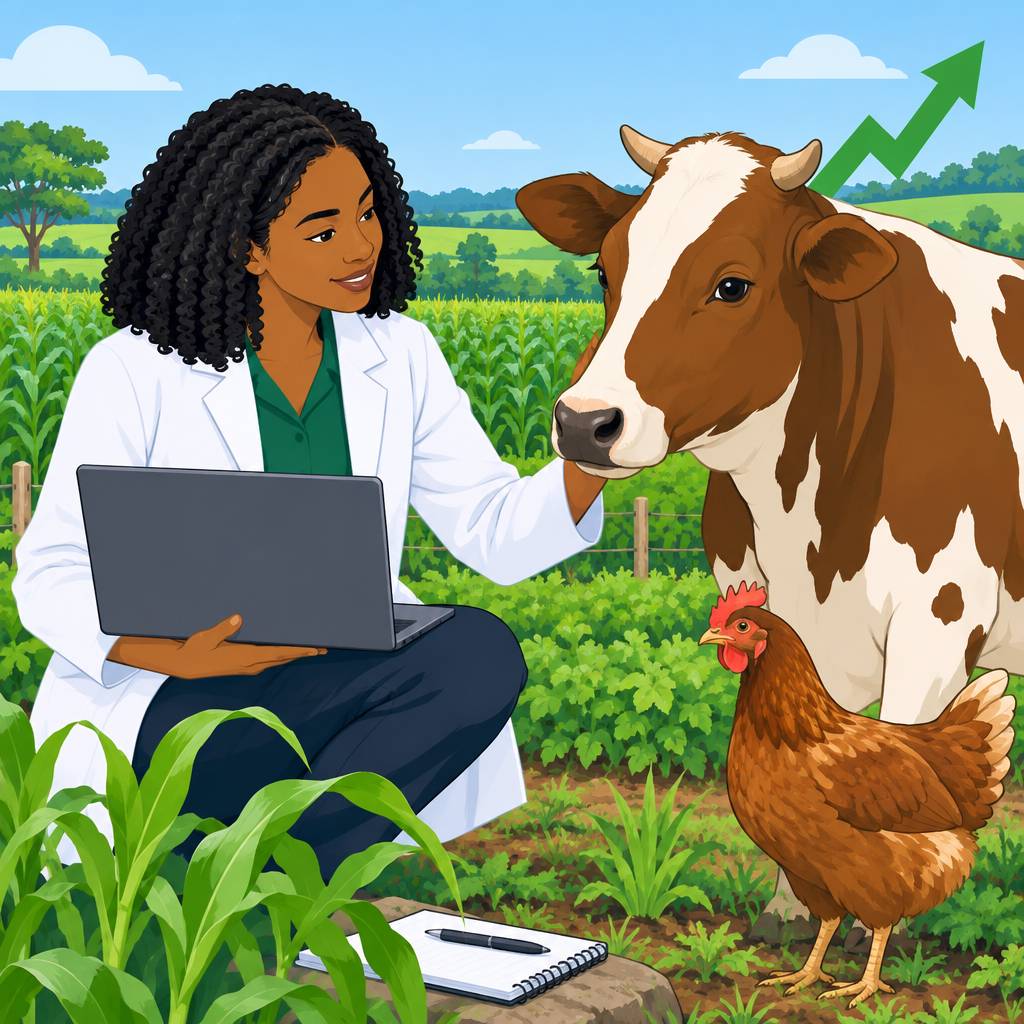
Economic Contributions of Livestock Farming
- Livestock farming drives economic growth within Nigeria’s agriculture sector.
- The sector generates substantial income for farmers and contributes to Nigeria’s GDP.
- Animal science helps optimize livestock production and support economic sustainability.
- Efficient breeding and management practices enable farmers to maximize profits.
- Employment opportunities span farm work, veterinary services, and other livestock professions.
- As the industry expands, it creates more jobs and helps reduce unemployment.
- Additionally, livestock income circulates through the economy and stimulates other sectors.
- Meat, milk, leather, and other livestock products contribute to national revenue.
- Furthermore, livestock product exports strengthen Nigeria’s foreign exchange earnings.
- Animal science therefore holds significant economic value for Nigeria’s livestock industry.
See Related Content: How Zoology Contributes to Nigeria's Biodiversity Policies
Food Security and Nutrition
Animal science supports food security in Nigeria by supplying sustainable sources of animal protein.
Cattle, poultry, and fish provide protein, vitamins, and minerals.
These nutrients help improve the health and well-being of the Nigerian population.
Moreover, meat, eggs, and milk contribute important nutrients to balanced diets.
Regular consumption can help combat malnutrition among children and pregnant women.
Therefore, animal science supports efforts to address nutritional deficiencies through animal production and consumption.
The varied nutrients in animal products help maintain immune function and other body processes.
Additionally, research improves the quality and safety of animal products.
These improvements help maximize their nutritional benefits for consumers.
Through innovation and technology, animal scientists develop production methods that meet nutritional demands.
Transform Your Career with Expert Guidance
Get personalized mentorship consulting that’s tailored to your unique path. Our expert advice is actionable and exclusive.
Get StartedAnimal science therefore remains important for food security and nutrition within Nigeria’s agricultural sector.
Research and Innovation in Animal Science
- Research and innovation advance animal science in Nigeria.
- Currently, researchers pursue projects that strengthen animal productivity and health nationwide.
- Meanwhile, universities, research institutions, and private organizations collaborate to develop practical innovations.
- Technologies such as genetic modification and precision breeding continue to transform animal science.
- Research also guides sustainable farming practices and improves livestock management.
- Furthermore, innovations in nutrition, disease control, and breeding techniques assist Nigerian farmers.
- Scientists, policymakers, and industry stakeholders must collaborate to achieve lasting progress.
- Therefore, investment in research and innovation can strengthen agriculture’s growth and competitiveness.
- Continuous learning helps animal scientists and farmers adapt to emerging technologies.
- Government support remains essential for research projects and collaborative progress.
Strategic Priorities for Nigeria’s Agricultural Future
Investment in Animal Science remains essential for Nigeria’s agricultural growth.
It strengthens livestock production, supports food security, and encourages economic development.
Furthermore, research improves animal health and helps stakeholders prevent and control diseases.
Training equips farmers and other stakeholders to apply effective practices.
Modern technologies also promote efficient and sustainable livestock production.
- Research improves livestock production and animal health.
- Animal Science supports food security and economic growth.
- Research strengthens disease prevention and control.
- Training builds capacity among farmers and sector stakeholders.
- Technology encourages sustainable livestock practices.
Continued investment can help Nigeria develop a more resilient agricultural industry.
It can also support innovation, improve efficiency, and promote population well-being.
Therefore, stakeholders should prioritize research funding, practical training, and suitable infrastructure.
Government, private organizations, and academic institutions must collaborate effectively.
Together, they can encourage innovation, transfer knowledge, and advance sustainable practices.
By prioritizing Animal Science, Nigeria can strengthen agriculture and serve its growing population.
Additionally, a stronger sector can contribute significantly to the national economy.
Additional Resources
Google search results for Importance of Animal Science to Nigeria's Agriculture Sector Sciences
Bing search results for Importance of Animal Science to Nigeria's Agriculture Sector Sciences


