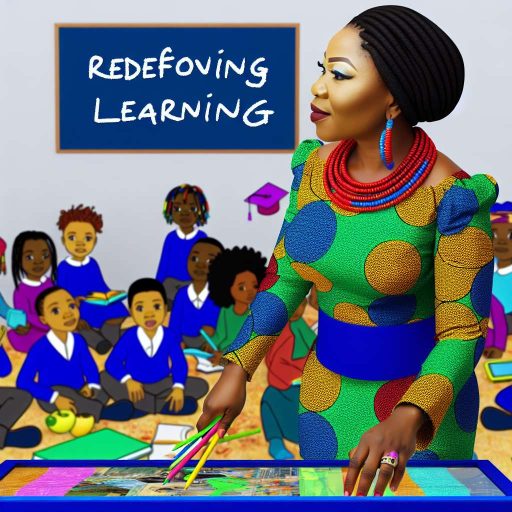
Inclusive Education in Nigeria
Inclusive education is becoming a significant focus in Nigeria.
This approach aims to integrate all students, regardless of ability, into mainstream schools.
Nigeria currently supports this approach through various education policies.
These policies promote equal educational access for children with special needs.
However, implementing inclusive education continues to present several challenges.
Challenges in Implementation
One significant challenge involves the shortage of trained professionals.
Many educators lack the skills needed to address diverse learning needs.
Additionally, schools often lack resources and materials for special needs education.
Many schools also operate with inadequate infrastructure.
Consequently, students with disabilities often encounter physical barriers.
Furthermore, societal attitudes toward disabilities can slow educational progress.
Negative perceptions may discourage families from pursuing educational opportunities.
Recent Developments
Recently, several organizations have started addressing these challenges.
For instance, the Universal Basic Education Commission has launched teacher training programs.
These initiatives aim to equip teachers with essential inclusive education skills.
Moreover, partnerships with NGOs help provide educational resources and training.
Therefore, collaboration plays an important role in advancing inclusive education.
Future Directions
Looking ahead, Nigeria needs stronger frameworks for effective implementation.
Stakeholders must prioritize investment in special needs education.
This investment should support training, resources, and accessible school infrastructure.
Furthermore, communities must increase awareness and challenge negative attitudes toward disabilities.
Community engagement can help create more inclusive educational environments.
Importance of Special Needs Education in Promoting Inclusivity
Special needs education promotes inclusivity by addressing the learning needs of students with disabilities.
It empowers these individuals to access quality education alongside other learners.
Furthermore, inclusive education helps communities value participation, equality, and social interaction.
Understanding the Need for Inclusivity
Special needs education plays a crucial role in promoting inclusivity.
It enables individuals with disabilities to access quality education.
Moreover, this approach fosters an inclusive society for all.
Additionally, it strengthens social interactions among diverse groups.
Benefits of Special Needs Education
Inclusive education offers numerous benefits to students.
Firstly, it encourages acceptance and understanding among peers.
This acceptance promotes empathy and reduces stigma.
Furthermore, inclusive classrooms prepare students for a diverse workforce.
Consequently, all learners can benefit from shared classroom experiences.
Legal Framework Supporting Special Needs Education
Nigeria has several laws promoting special needs education.
The National Policy on Education emphasizes inclusivity.
Additionally, international frameworks guide local practices.
This legal backing encourages schools to adopt inclusive methods.
As a result, more learners gain access to equitable education.
Training and Resources for Educators
Effective special needs education requires adequate teacher training.
Transform Your Career with Expert Guidance
Get personalized mentorship consulting that’s tailored to your unique path. Our expert advice is actionable and exclusive.
Get StartedConsequently, training programs emphasize skills that support inclusivity.
Moreover, educators receive resources for supporting diverse learners.
This preparation improves their ability to meet varied educational needs.
Well-trained educators therefore support successful inclusive learning environments.
Community Involvement and Awareness
Community involvement remains vital for promoting special needs education.
Awareness campaigns educate the public about inclusivity.
These initiatives encourage active participation from all stakeholders.
Furthermore, local organizations can support inclusive practices in schools.
Community engagement strengthens the support network for students.
Future Directions for Special Needs Education
The future of special needs education in Nigeria shows promise.
Ongoing efforts aim to improve accessibility and educational resources.
Furthermore, innovative teaching methods continue to emerge.
These developments can create more inclusive environments for learners.
Continuous improvement can therefore support future generations.
Career Opportunities in Special Needs Education
Special needs education offers diverse career opportunities.
Professionals support individuals with disabilities across educational settings.
These careers improve learning experiences and outcomes through focused support.
Overview of Roles
Career paths include teaching, therapy, advocacy, administration, research, and outreach.
Each role addresses different needs within special needs education.
Together, these professionals strengthen support for learners and families.
Teaching Positions
Special education teachers play important roles in schools.
They assess student needs and design personalized curricula.
Additionally, teachers use strategies tailored to each child.
They also collaborate with parents and specialists to support student progress.
Therapeutic Roles
Occupational therapists help students develop daily living skills.
They improve fine motor abilities and support sensory integration.
Meanwhile, speech therapists address communication challenges among children.
These professionals create targeted programs that encourage progress.
Policy and Advocacy
Some professionals advocate for stronger special needs education.
They influence policies that support accessible educational environments.
Advocates often work with government agencies and education stakeholders.
They help students receive equal access to essential resources.
Administrative Positions
Administrators oversee special education programs within schools.
They manage resources and coordinate professional development for staff.
Effective leaders promote the use of established best practices.
They also ensure compliance with legal standards and regulations.
Research and Development
Research roles encourage innovation in special needs education.
Professionals conduct studies that improve educational practices.
They analyze data to evaluate program effectiveness.
Consequently, findings shape future teaching methods and policies.
Community Outreach
Community educators provide resources for families of children with special needs.
They organize workshops and training sessions for parents and caregivers.
Furthermore, outreach professionals build community support networks.
These initiatives improve understanding and acceptance of diversity.
Gain More Insights: Redefining Education Disciplines in Nigeria: The Future of Learning
Educational Pathways in Special Needs Education
Special needs education supports individuals with learning differences.
Each student presents unique learning needs that require appropriate educational support.
Therefore, specialized training remains essential for educators in this field.
The following pathways outline available options in Nigeria.
Undergraduate Degrees
Many Nigerian universities offer undergraduate degrees in special needs education.
These programs typically require four years of study.
Students examine different disabilities and develop effective teaching methods.
Additionally, many curricula include practical learning experiences.
Postgraduate Programs
Postgraduate programs provide further opportunities for professional advancement.
Many educators pursue master’s degrees to expand their expertise.
These programs may emphasize autism, learning disabilities, or other specialized areas.
Furthermore, doctoral degrees prepare graduates for research and leadership roles.
Certifications and Specializations
Professional certifications can strengthen an educator’s specialized skills.
Many certifications address particular disabilities or educational needs.
For example, the National Examination Council offers a certificate in special education.
Meanwhile, international organizations provide additional specialized training programs.
Online Learning Opportunities
Online courses give special needs education professionals greater scheduling flexibility.
Various platforms host courses covering essential topics in this field.
Some courses provide certifications or professional development credits.
Consequently, online learning expands access to continuing education.
Professional Development Resources
Continuous professional development helps educators maintain and improve their expertise.
Workshops, seminars, and conferences offer opportunities for ongoing learning.
Organizations such as the Nigerian Association for Special Education provide valuable resources.
Moreover, professional networking can support future career development.
Explore Further: Nigeria's Education Disciplines on the Rise: What to Study in 2024 & 2025
Government Initiatives for Inclusive Education
The Nigerian government prioritizes policies that support inclusive education.
These initiatives address the needs of students with different abilities.
Additionally, they promote accessibility and equal learning opportunities for every student.
Legislation Supporting Educational Inclusion
Nigerian laws provide important support for inclusive education.
The Universal Basic Education Act promotes educational access for all children.
Furthermore, the Discrimination Against Persons with Disability (Prohibition) Act protects disabled children’s rights.
Funding and Resources for Inclusive Schools
Government funding helps schools accommodate students with diverse learning needs.
These financial allocations support accessibility and other educational requirements.
Moreover, training programs strengthen teachers’ skills in special needs education.
Government Collaboration with NGOs
The government works with non-governmental organizations to implement inclusive education effectively.
These partnerships expand available resources and create additional training opportunities.
Meanwhile, NGOs promote awareness and encourage community participation in inclusive education.
Monitoring and Evaluation of Policies
Continuous monitoring helps the government assess inclusive education policies.
Evaluation frameworks measure educational outcomes and reveal implementation needs.
Regular assessments guide improvements and support better resource allocation.
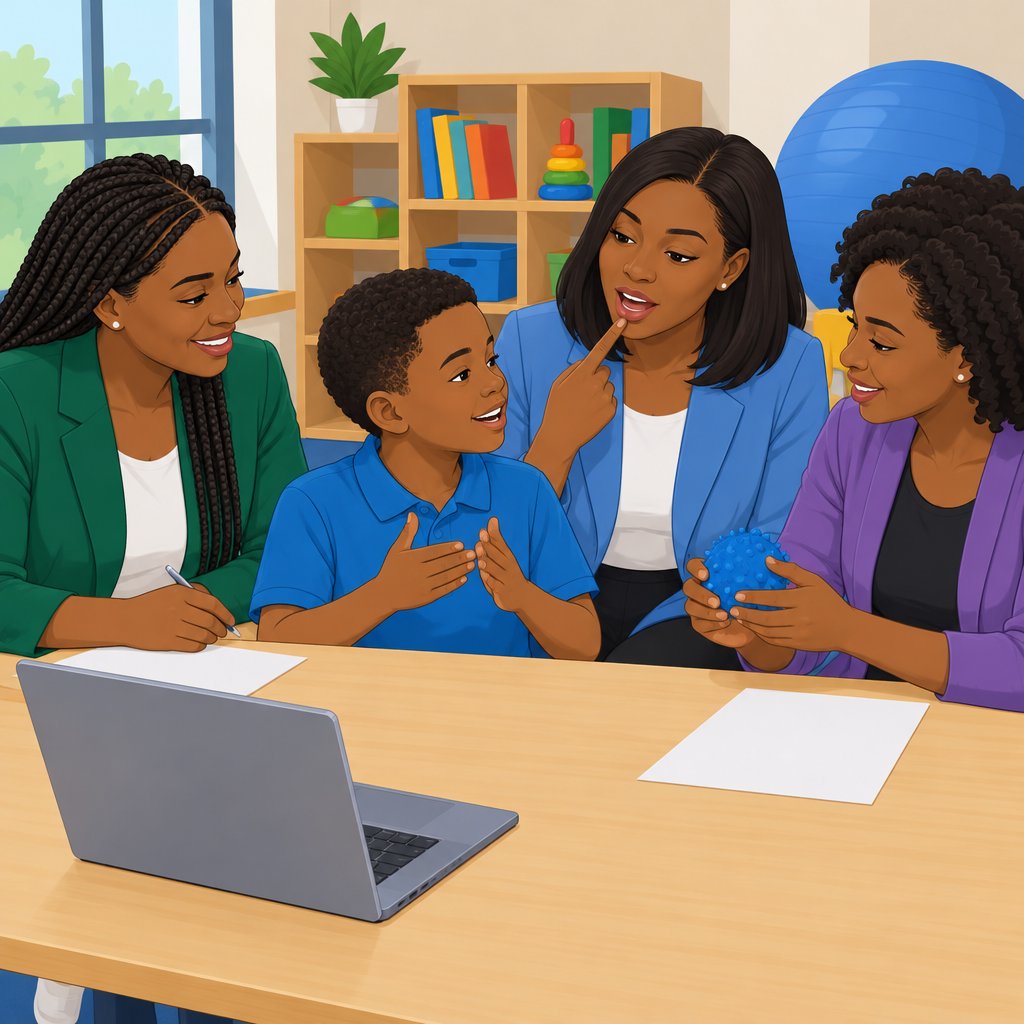
Community Engagement in Inclusive Education
Community involvement strengthens government efforts to expand inclusive education.
The government encourages local stakeholders to participate in educational programs.
This collaborative approach builds a supportive environment for every learner.
Gain More Insights: How Digital Learning Can Change the Landscape of Nigeria's Education System
Training and Professional Development for Educators in Special Needs Education
Educators need specialized preparation to support students with diverse learning needs.
This preparation strengthens teaching practices and promotes effective student support.
Furthermore, professional development helps educators build confidence and improve educational quality in Nigeria.
Importance of Specialized Training
Specialized training equips educators with essential skills.
It helps them understand diverse learning needs effectively.
Moreover, trained educators can create supportive learning environments.
They also foster independence and confidence among students.
Therefore, specialized training remains crucial for quality education in Nigeria.
Types of Training Programs
Educators can access several training programs in special needs education.
These programs include workshops, certifications, and degree courses.
Additionally, online courses provide flexible learning options.
Practical training gives educators valuable hands-on experience with students.
Furthermore, mentorship programs offer continuing guidance and support.
Key Skills Developed Through Training
Training strengthens several skills that educators need in their classrooms.
For example, communication skills help educators engage students effectively.
Behavior management techniques help educators maintain classroom order.
Creative teaching strategies address different learning styles.
Moreover, collaboration skills support effective teamwork among educators.
Professional Development Opportunities
Professional development supports career growth for educators.
Conferences and seminars create opportunities for professional networking.
Educators can also exchange effective practices and useful resources.
Meanwhile, online webinars provide accessible learning opportunities.
Consequently, continuous education remains necessary in this field.
Challenges in Training and Development
Training programs face several challenges despite their importance.
Limited funding restricts access to quality training opportunities.
Moreover, inadequate infrastructure can hinder practical training sessions.
Resistance to change may also reduce educator participation.
Addressing these barriers can strengthen professional development efforts.
Future Directions for Special Needs Education Training
Future training programs can integrate technology more effectively.
Innovative online platforms may improve educator learning experiences.
Feedback mechanisms can also make training more relevant.
Furthermore, collaboration with NGOs can expand available resources.
By pursuing these directions, Nigeria can advance training for inclusive education.
Delve into the Subject: High-Demand Educational Disciplines Shaping Nigeria's Future
Community Involvement and Partnerships in Promoting Inclusive Education
Community involvement enriches educational opportunities for students with special needs.
It also builds acceptance and strengthens inclusive values throughout the community.
Furthermore, engaged families and community members can improve educational outcomes.
Importance of Community Involvement
Community participation enriches the educational experiences of students with special needs.
A supportive community encourages acceptance and reinforces inclusive practices.
Additionally, engaged parents and community members can strengthen student progress.
Building Effective Partnerships
Effective partnerships help schools advance inclusive education.
Schools can collaborate with local organizations and NGOs to access useful resources.
These partnerships can also train educators in inclusive teaching practices.
Role of Local Organizations
Local organizations often provide specialized programs for children with disabilities.
They can also increase public awareness of inclusive education.
Moreover, their involvement strengthens community support for schools.
Collaboration with Government Agencies
Government agencies support inclusive education initiatives through funding and resources.
They can provide schools with essential financial and material support.
Effective policies also encourage cooperation among education stakeholders.
Engaging Parents and Families
Parents play an essential role in successful inclusive education practices.
Schools should create platforms where families can share concerns and suggestions.
Workshops and seminars can prepare families to advocate for inclusive education.
Support Groups
Support groups help parents connect with others who face similar challenges.
They encourage families to share resources, experiences, and practical guidance.
These groups can also advocate for policies that strengthen inclusive education.
Impact on Students and Communities
Community participation directly influences students’ educational experiences.
Students thrive when schools and communities provide consistent understanding and support.
Inclusive education also strengthens cooperation and harmony within communities.
Moreover, it promotes diversity and develops social skills among all students.
Overview of Inclusive Practices
Inclusive education aims to accommodate all students, including those with special needs.
In Nigeria, several programs demonstrate successful inclusive practices.
These programs celebrate diversity and promote equal access to education.
Lagos State Program for Children with Disabilities
The Lagos State Inclusive Education Program began in 2015.
The program integrates children with disabilities into mainstream schools.
Teachers undergo specialized training to support diverse learning needs.
This approach strengthens social interaction and academic performance.
Parents also contribute actively to the program.
Durumi Primary School Model
Durumi Primary School has implemented inclusive education effectively since 2018.
The school uses assistive technologies to support classroom learning.
For example, teachers use audio-visual aids and modified curriculum materials.
Teachers regularly assess student progress and adjust their teaching methods.
This model has improved academic outcomes significantly.
Support from Non-Governmental Organizations
Non-governmental organizations play an important role in Nigerian inclusive education.
Inclusive Education Nigeria, also known as IEN, provides resources and training.
These organizations organize workshops that increase awareness of inclusive education.
Schools also partner with NGOs to secure funding and educational resources.
Student Experiences in Inclusive Classrooms
Many students have benefited from inclusive education programs in Nigeria.
For instance, Chijioke, who has autism, excelled in a mainstream classroom.
His teachers adapted their strategies to address his unique learning needs.
As a result, he developed strong friendships with his classmates.
Similarly, Fatima, who is visually impaired, actively participates in school activities.
Challenges and Future Directions
Despite these successes, schools still face challenges when implementing inclusive education.
A shortage of trained professionals continues to hinder progress.
Limited funding also reduces the resources available to schools.
Addressing these issues requires ongoing commitment and investment.
Furthermore, wider advocacy and community engagement can strengthen inclusion.
Evolving Educational Technologies
Education technology continues to advance rapidly.
Innovative tools now support personalized learning for students with special needs.
For instance, assistive technologies improve communication for non-verbal students.
Moreover, virtual reality creates immersive learning experiences.
These technologies foster greater engagement and understanding among learners.
Collaboration with Health Professionals
Collaboration between educators and health professionals provides crucial support.
Joint efforts address students’ diverse needs more comprehensively.
For example, occupational therapists can recommend tailored educational strategies.
This partnership strengthens the effectiveness of educational plans.
Ultimately, coordinated support promotes holistic development for students with special needs.
Inclusion of Parents and Community
Involving parents in education has become increasingly essential.
Parents provide valuable insights into their child’s unique challenges.
Meanwhile, community engagement creates a supportive environment for students.
Workshops and support groups help parents connect and share resources.
Such efforts strengthen the network surrounding students with special needs.
Emerging Career Opportunities
Demand for professionals in special needs education continues to grow.
School systems now create positions focused on specialized responsibilities.
For instance, special education consultants provide expert guidance.
Additionally, behavior analysts develop effective intervention strategies.
These roles offer diverse career paths for aspiring educators.
Focus on Mental Health Support
Addressing mental health remains vital in special needs education.
Schools increasingly employ mental health professionals on staff.
Counselors and psychologists provide essential support to students.
Their expertise addresses emotional and psychological challenges.
This focus fosters a safe and nurturing learning environment.