




Graduate Training in Applied Zoology
Applied zoology applies zoological knowledge to practical work across various fields.
Graduate programs provide in-depth expertise and support advancement in the field.
These programs offer focused specializations in conservation biology, animal behavior, and related areas.
They cultivate skills and knowledge for solving complex zoological problems.
Furthermore, advanced research in applied zoology requires specialized training and expertise.
Graduates with specialized knowledge contribute to scientific advances and conservation efforts.
Graduate programs also provide hands-on experience with cutting-edge zoological research.
Consequently, specialized training gives applied zoology professionals a competitive job-market advantage.
Specializations in wildlife management or marine biology prepare individuals for specific career paths.
Thus, graduate education and specialization help shape the future of applied zoology.
Applied Zoology Graduate Study
Applied Zoology graduate study develops practical expertise for addressing animal, ecosystem, and wildlife challenges.
Universities commonly offer master’s and doctoral pathways with different research expectations.
Students can select a pathway that matches their interests, experience, and professional direction.
Master’s Degree Programs
Most master’s programs require two to three years of full-time study.
Coursework commonly covers animal behavior, conservation biology, and wildlife management.
Depending on the program, students complete a research thesis or applied project.
PhD Programs
Doctoral study emphasizes original investigation within a specialized zoological field.
Programs commonly require three to five years of focused research.
Candidates present their findings through a dissertation.
Core Areas of Applied Zoology
Core coursework connects biological theory with field observation, experimentation, and management decisions.
Students develop methods for collecting evidence and interpreting animal and ecosystem patterns.
These skills support research, conservation planning, and responsible wildlife stewardship.
Animal Behavior
Animal behavior courses examine behavioral ecology, communication, and social organization.
Students investigate how animals adapt to changing environments.
They also examine interactions among individuals, populations, and other species.
Conservation Biology
Conservation biology addresses endangered species and ecosystem management.
Students assess biodiversity threats, including habitat loss.
They explore strategies for conservation and ecological restoration.
Wildlife Management
Wildlife management examines sustainable approaches to managing animal populations.
Coursework addresses population dynamics and habitat management.
Students also consider ethical questions involving hunting, conservation, and other uses.
Zoological Research Methods
Research methods courses introduce fieldwork, data analysis, and experimental design.
Students learn to plan studies that answer focused zoological questions.
They then analyze evidence and communicate scientifically supported findings.
Animal Physiology
Animal physiology explores internal processes, organ systems, and functional adaptations.
Students may examine metabolism, thermoregulation, and responses to stress.
These topics clarify how animals function under different environmental conditions.
Ecology and Evolution
Ecology and evolution examine relationships between organisms and their environments.
Students study evolutionary processes, population dynamics, and community ecology.
This perspective helps them interpret biological change across populations and communities.
Transform Your Career with Expert Guidance
Get personalized mentorship consulting that’s tailored to your unique path. Our expert advice is actionable and exclusive.
Get StartedCareer Pathways
Master’s graduates may work with conservation organizations, research institutions, or environmental consulting firms.
PhD graduates often pursue positions in academia, research, or government agencies.
Together, these pathways support careers that apply zoological knowledge to natural-world challenges.
Specializations in Applied Zoology
Applied Zoology offers several specializations focused on animals, habitats, behavior, and ecosystems.
Each specialization develops knowledge that supports practical work with animals and natural environments.
These areas also provide varied career paths in research, management, education, and animal care.
Wildlife Conservation
Wildlife conservation focuses on protecting animal populations and preserving their natural habitats.
Professionals may study wildlife, teach conservation principles, or care for animals needing assistance.
These roles support responsible conservation and promote sustainable practices.
- Wildlife Biologist: Conducts research on wildlife populations and their habitats.
- Conservation Educator: Teaches the public about conservation and sustainable practices.
- Wildlife Rehabilitator: Cares for injured or orphaned wildlife before release.
Animal behavior examines how animals interact with one another and their surroundings.
Career paths include behavioral research, companion animal training, and zoological animal care.
These professionals support animal welfare by understanding and guiding animal behavior.
- Ethologist: Studies animal behavior in natural environments and examines animal interactions.
- Companion Animal Trainer: Trains pets for obedience, agility, or therapy work.
- Zookeeper: Cares for zoo animals and supports their behavioral and mental well-being.
Aquatic Biology
Aquatic biology explores organisms, habitats, and ecosystems in marine and freshwater environments.
Specialists may research marine life, manage fisheries, or assess pollution effects.
Their work helps address aquatic ecosystem challenges and support responsible resource management.
- Marine Biologist: Researches marine ecosystems, species, and habitats.
- Fisheries Biologist: Manages fish populations for sustainable harvesting.
- Aquatic Toxicologist: Studies pollutants affecting aquatic organisms and ecosystems.
Specialized knowledge in Applied Zoology creates rewarding opportunities across conservation, behavior, and aquatic biology.
Delve into the Subject: Environmental Biology's Role in Nigerian Agriculture
Admission Requirements
Graduate programs in applied zoology typically require a bachelor’s degree in a related field.
Some institutions also accept degrees in biology, zoology, or another related discipline.
Applicants usually submit previous academic transcripts and may need GRE scores.
- Most programs require a bachelor’s degree related to applied zoology.
- Some programs accept degrees in biology, zoology, or related disciplines.
- Applicants typically submit transcripts from their previous education.
- Many programs include GRE scores among their application requirements.
Importance of Work Experience
Relevant zoology experience can strengthen an applicant’s chances of acceptance.
Furthermore, practical roles can demonstrate preparation for advanced study.
Field experience can help applicants connect academic concepts with practical applications.
- Internships can provide useful experience in zoology-related settings.
- Research positions in zoos, wildlife rehabilitation centers, or laboratories can benefit applicants.
- Work experience demonstrates practical skills and commitment to zoology.
- Field experience can improve an applicant’s understanding of graduate concepts.
Additional Application Materials
Programs may request recommendations from professors or professionals in zoology.
Applicants often explain their research interests and career goals in a statement of purpose.
International students may also demonstrate English proficiency through TOEFL scores.
- Letters of recommendation may support an applicant’s academic preparation.
- A statement of purpose should describe research interests and career goals.
- Some programs request a writing sample or research proposal.
- International applicants may provide TOEFL scores for English proficiency.
Applicants improve their prospects by preparing complete materials and demonstrating commitment to zoology.
Delve into the Subject: Applied Math and Statistics Degree Benefits
Academic Curriculum
The curriculum examines animal behavior, conservation, ecology, marine life, and evolution.
Students connect biological concepts with practical studies of animals and their environments.
These courses support fieldwork, research, data analysis, and conservation activities.
Key Courses
These courses develop knowledge about animals, ecosystems, habitats, and evolutionary processes.
Students examine both individual animal behavior and broader ecological relationships.
Additionally, the curriculum addresses conservation needs across terrestrial and marine environments.
- Advanced Animal Behavior explores complex animal behaviors across different ecosystems.
- Conservation Biology examines strategies that protect endangered species and preserve biodiversity.
- Wildlife Ecology studies interactions between wildlife species and their habitats.
- Marine Biology focuses on marine organisms and their ecosystems.
- Evolutionary Biology explains evolution mechanisms and adaptation among animal species.
Research Opportunities
Research opportunities let students apply classroom knowledge to animal biology and behavior.
They can investigate animals directly, analyze evidence, and develop original research projects.
Furthermore, practical research can occur through fieldwork, internships, laboratories, and advanced academic projects.
- Fieldwork provides hands-on opportunities to study animals in their natural habitats.
- Internships provide practical experience with wildlife conservation organizations or research institutions.
- A thesis or dissertation allows original research under faculty guidance in applied zoology.
- Laboratory work builds experience with experiments and data analysis related to animal biology and behavior.
Practical Components
Practical components help students transfer theoretical knowledge into direct experience.
Students observe animals, work with professionals, and interpret ecological information.
These activities also connect data analysis with conservation efforts for species and habitats.
- Fieldwork develops practical knowledge through observing and studying animals.
- Internships help students apply theoretical knowledge in professional settings.
- Data analysis teaches students to collect, analyze, and interpret animal behavior and ecology data.
- Conservation projects support efforts to protect endangered species and their habitats.
Uncover the Details: Professional Bodies for Applied Biologists in Nigeria
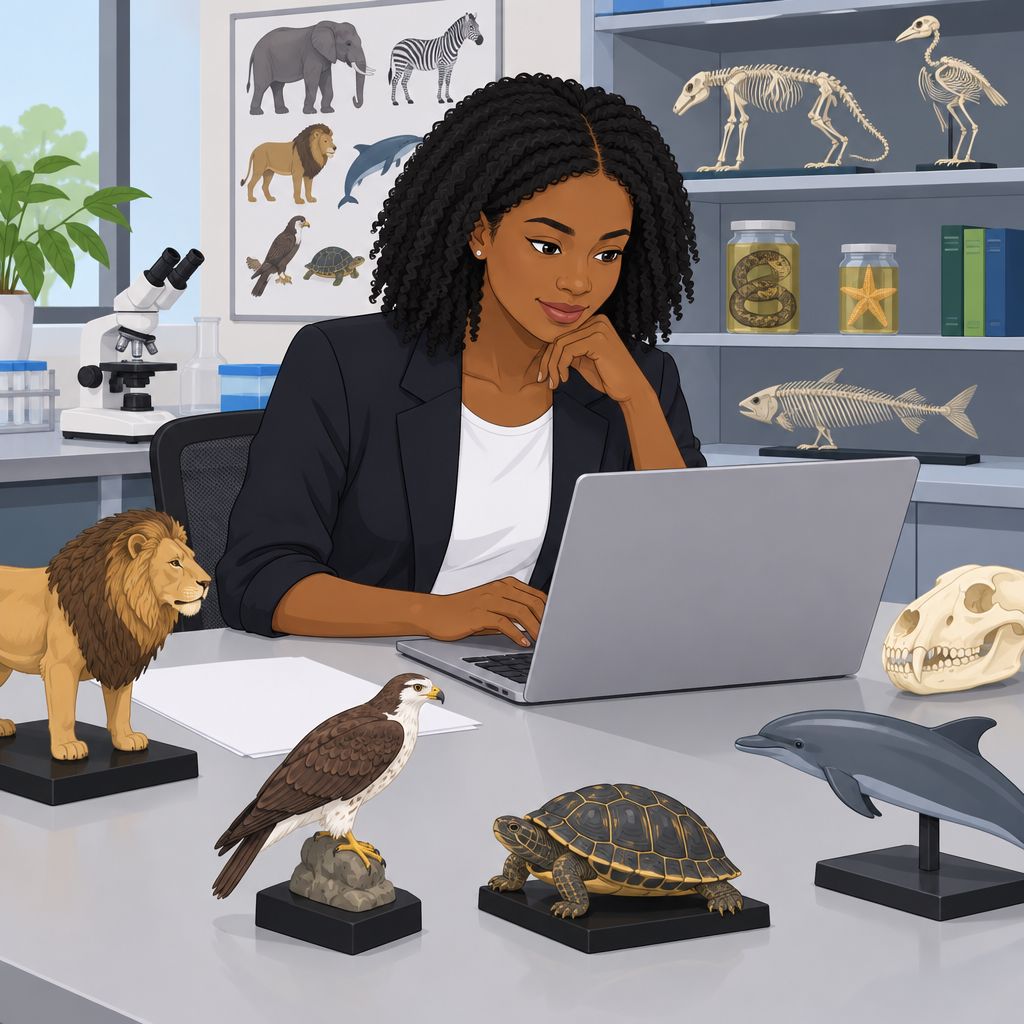
Faculty and Research Opportunities
Applied zoology programs connect expert teaching with practical research opportunities.
Faculty guidance and collaborative projects help students develop skills for scientific work.
Together, these opportunities support learning, networking, and contributions to zoology.
Renowned Faculty Members in Applied Zoology Programs
- Faculty members shape students’ knowledge and skills through teaching and mentorship.
- They bring expertise and experience to classroom instruction and research projects.
- Renowned faculty members often lead their fields and provide valuable mentorship.
- Students benefit from professors with practical experience in zoological work.
- These faculty members provide networking opportunities and career guidance.
Ongoing Research Projects and Collaborations
- Department research projects give students hands-on experience in applied zoology.
- Students can work on cutting-edge research across various zoological areas.
- Collaborations with departments and institutions provide interdisciplinary perspectives.
- Students can participate in fieldwork, data analysis, and publication opportunities.
- Research projects help students contribute to science and strengthen their resumes.
Discover More: How to Prepare for a Geology Degree in Nigeria
Funding and Scholarships
Graduate students in Applied Zoology programs have several financial aid options available.
Scholarships, grants, and assistantships can help offset tuition and living expenses.
Many universities and organizations support students pursuing zoology or related degrees.
- Scholarships may depend on merit, financial need, research interests, or career goals.
- Students should research and apply for multiple scholarships to increase funding opportunities.
Types of Financial Aid
Scholarships typically recognize academic achievement, leadership, or other qualifying criteria.
Grants often address financial need and do not require repayment.
Assistantships combine practical experience with financial support through a student stipend.
- Scholarships support students who meet academic, leadership, or other selection criteria.
- Grants provide need-based assistance without requiring students to repay the funds.
- Assistantships offer field experience while providing students with a stipend.
Available Scholarships
Several organizations provide funding for graduate study and zoology-related research.
These opportunities support STEM education, fieldwork, laboratory projects, and animal-focused studies.
Students can select opportunities that match their research interests and professional goals.
- National Science Foundation Graduate Research Fellowship Program: This program supports graduate students in STEM fields, including zoology.
- Society for Integrative and Comparative Biology Grants-in-Aid of Research: These grants support zoology research projects.
- American Society of Mammalogists Research Grants: These grants support fieldwork and laboratory research involving mammals.
- Association of Zoos and Aquariums Scholarship Programs: These programs support students interested in zoo and aquarium science.
Career Prospects in Applied Zoology
Applied Zoology graduates can pursue diverse careers involving animals, ecosystems, conservation, education, and research.
These professionals may work for research institutions, government agencies, nonprofit organizations, zoos, or private companies.
Career development can include specialized research, project leadership, policy development, consulting, and international collaboration.
- Explore career paths available to Applied Zoology graduates.
- Examine opportunities for professional growth and advancement.
Career Paths in Applied Zoology
Graduates can select roles that connect scientific knowledge with practical wildlife and environmental work.
Some professionals conduct research, while others support wildlife policies, conservation programs, or public education.
These roles allow graduates to contribute to animal welfare, biodiversity protection, and environmental sustainability.
Wildlife Biologist
Wildlife biologists study animal behavior, habitats, and ecosystems.
They use their findings to support wildlife conservation and species protection.
Their work may involve observing animals, evaluating habitats, and contributing to management decisions.
Zoologist
Zoologists examine animal physiology, behavior, genetics, and ecological roles.
Some zoologists specialize in particular animal groups or species.
Their research can strengthen scientific understanding and support conservation efforts.
Zoo Curator
Zoo curators oversee animal care and collection management in zoos or wildlife sanctuaries.
They help maintain appropriate conditions that support animal well-being.
They may also implement conservation programs connected with captive animal management.
Wildlife Educator
Wildlife educators share scientific knowledge and enthusiasm for animals with the public.
They may work in educational institutions, nature centers, or conservation organizations.
Their programs raise awareness about wildlife conservation concerns and responsible environmental practices.
Wildlife Rehabilitation Specialist
Wildlife rehabilitation specialists care for injured and orphaned animals.
They provide treatment and rehabilitation for wildlife requiring assistance.
Their efforts prepare animals for possible return to natural habitats.
Conservation Biologist
Conservation biologists study ecosystems, populations, and species facing risks.
They develop strategies that protect biodiversity and preserve natural resources.
They collaborate with agencies, nonprofit organizations, and communities on conservation planning.
Growth and Advancement Opportunities
Applied Zoology offers opportunities for growth as environmental awareness continues to increase.
Professionals can strengthen their careers through research, specialization, leadership, consulting, and continued learning.
Experience can also support work across government, nonprofit, private, and international settings.
Graduates can conduct research with universities, research institutions, and conservation organizations.
Research projects may examine wildlife and contribute to conservation knowledge.
These opportunities allow professionals to support practical conservation efforts through scientific investigation.
Advanced Specializations
Professionals can specialize in conservation genetics, environmental toxicology, wildlife ecology, or animal behavior.
Specialization helps individuals develop deeper expertise in selected areas of Applied Zoology.
Advanced knowledge can prepare professionals for focused projects and specialized responsibilities.
Leadership Roles
Experienced professionals may progress into leadership positions within Applied Zoology.
They may direct research programs, manage conservation projects, or coordinate professional teams.
Some leaders also help shape wildlife protection and management policies.
International Opportunities
Applied Zoology professionals may participate in international projects and collaborations.
They can partner with organizations and institutions working in different parts of the world.
These collaborations support broader responses to wildlife conservation challenges.
Consulting Services
Some graduates work as consultants for agencies, environmental organizations, and private companies.
Consultants may conduct environmental impact assessments and develop conservation plans.
They may also advise organizations about wildlife management strategies.
Nonprofit Sector
The nonprofit sector offers roles with wildlife conservation organizations and advocacy groups.
Research foundations also employ professionals who support conservation-related work.
These organizations raise awareness and implement projects that address wildlife conservation issues.
Networking Opportunities
Conferences, workshops, and networking events help professionals connect with field experts.
These connections can encourage collaborations and research partnerships.
Professional networks may also create opportunities for career advancement.
Continuous Learning
Professionals should pursue continuous learning and professional development throughout their careers.
They can stay informed about research findings, technologies, and conservation practices.
Ongoing learning helps individuals strengthen their skills and maintain current knowledge.
Professional Impact of Applied Zoology Graduate Study
Graduate programs and specializations offer diverse pathways within Applied Zoology.
These programs develop knowledge and practical skills in wildlife conservation.
They also address animal behavior and ecology.
Students can strengthen their career prospects by pursuing graduate degrees in Applied Zoology.
Additionally, graduates can contribute to animal sciences, wildlife conservation, and animal welfare.
Research, conservation, and education provide diverse career opportunities for qualified graduates.
Hands-on training and research opportunities help students gain valuable experience in their chosen fields.
Furthermore, students can develop expertise that supports meaningful work with wildlife and animals.
Applied Zoology graduate study can lead to rewarding careers dedicated to studying and preserving animals.
Additional Resources
Google search results for Applied Zoology: Graduate Programs and Specializations Sciences
Bing search results for Applied Zoology: Graduate Programs and Specializations Sciences


