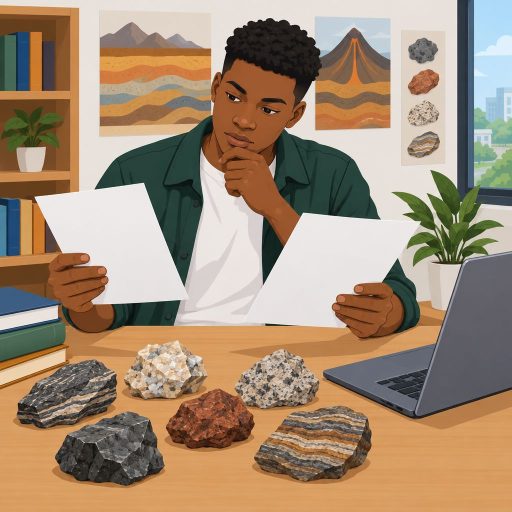
Preparing for a Geology Degree in Nigeria
Preparing for a geology degree in Nigeria requires clear goals and consistent effort.
Careful preparation helps students develop knowledge, confidence, and practical readiness.
Therefore, prospective students should plan their academic and professional development early.
Understanding the Geology Field
Research the geology field in Nigeria to understand available job prospects and industry demands.
Also, examine different geology branches to identify suitable areas of interest.
This process helps students connect their interests with future geology studies.
Building Academic Preparation
Focus on science and mathematics courses to build a strong academic foundation.
Additionally, study geography, environmental science, and earth sciences when possible.
These subjects strengthen understanding of important geology concepts and related processes.
Gaining Experience Through Extracurricular Activities
Join geology-related clubs, workshops, and field trips to gain practical experience.
Meanwhile, participate in research projects or internships that reinforce classroom learning.
Such activities improve familiarity with geology methods, observations, and problem-solving.
Developing Professional Networks and Mentorships
Connect with geology professionals and alumni to seek guidance about academic choices.
Furthermore, attend geology conferences, seminars, and workshops to expand professional connections.
These conversations can provide useful perspectives about studying and working in geology.
Preparing for Geology Entrance Examinations
Prepare for geology entrance examinations by studying sample questions and past papers.
Practice regularly to improve familiarity with examination formats and subject requirements.
Consider review classes or online courses to strengthen examination performance.
Staying Informed About the Geology Industry
Follow geology publications, journals, and websites to monitor industry developments.
Likewise, join professional organizations or forums that encourage discussion among geologists.
Regular engagement helps students remain aware of changing interests and expectations.
Maintaining a Focused Path Toward Geology Studies
Consistent preparation supports success throughout a geology degree in Nigeria.
Stay dedicated, motivated, and focused while developing academic and practical skills.
This approach helps prospective geologists prepare responsibly for their future studies.
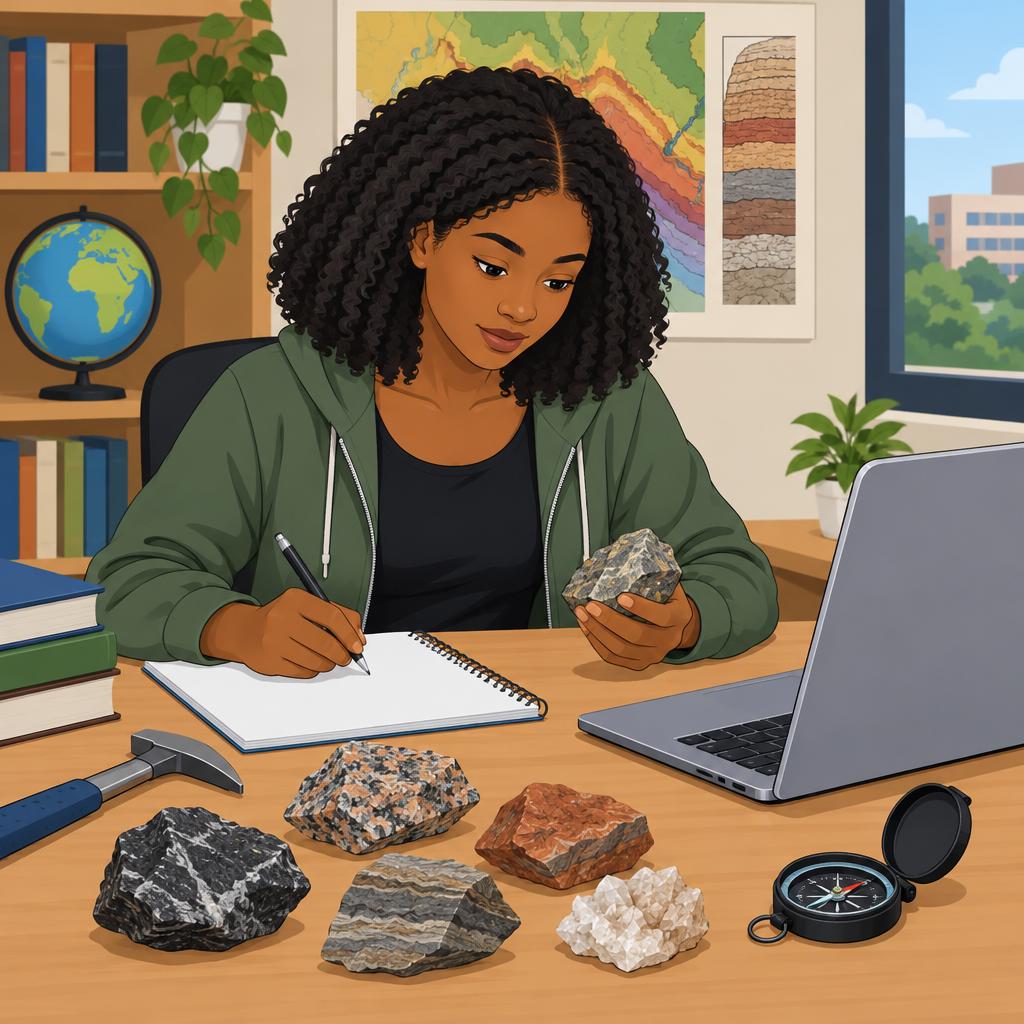
Academic Preparation for Geology
Research the requirements for obtaining a geology degree in Nigeria.
Confirm that you meet the academic qualifications and admission prerequisites.
Build a strong foundation through relevant secondary school and pre-geology courses.
- Study physics, chemistry, geography, and mathematics in high school.
- Enroll in pre-geology courses to strengthen your academic preparation.
University Selection and Admission
Compare Nigerian universities that offer geology programs.
Consider each university’s reputation, accreditation, and available facilities.
Prepare carefully for entrance examinations and follow each institution’s admission process.
- Take standardized examinations such as JAMB and university-specific entrance tests.
- Practice with sample questions, study guides, and previous examination papers.
Fieldwork and Research Development
Gain practical experience through geology-related activities.
Develop research skills by analyzing data and preparing clear reports.
Additionally, learn to use geological equipment and software for data analysis.
- Volunteer or intern with geological organizations or companies.
- Participate in field trips and other geology-related activities.
- Practice conducting research, analyzing data, and writing reports.
- Learn to operate geological equipment and data analysis software.
Professional Growth and Academic Commitment
Build relationships with professors, professionals, and geology alumni.
Attend seminars, workshops, and conferences to expand your professional network.
Stay informed about developments in geology while maintaining consistent academic effort.
- Read scientific journals, articles, and publications related to geology.
- Follow new technologies, discoveries, and advancements in the field.
- Practice presenting research findings, ideas, and reports effectively.
- Improve your writing for academic papers, projects, and presentations.
- Set goals, create a study schedule, and remain dedicated to your studies.
- Seek support from mentors, peers, and family when you need encouragement.
Relevant Science Courses for Geology Preparation
- Focus on physics, chemistry, and biology courses during high school.
- Additionally, study mathematics to build a strong foundation for a geology degree.
- Consider advanced science courses for a more in-depth understanding.
- Finally, explore pre-geology programs if available to begin your studies early.
You Might Also Like: Marine Biology: Coastal Conservation in Nigeria
Field Skills for Geology Preparation
Field skills give aspiring geologists practical experience beyond classroom learning.
They strengthen observation, analysis, and understanding of geological processes.
Therefore, seek fieldwork opportunities and practice identifying geological materials regularly.
Transform Your Career with Expert Guidance
Get personalized mentorship consulting that’s tailored to your unique path. Our expert advice is actionable and exclusive.
Get Started- Join a geology club that organizes field trips and practical learning activities.
- Volunteer with geological surveys to assist experienced geologists during fieldwork.
- Practice identifying rocks, minerals, and geological formations in field and laboratory settings.
Joining a Geology Club
Geology clubs often organize trips to sites with varied rocks, minerals, and geological formations.
During these trips, members observe geological features and discuss the processes that created them.
Additionally, clubs help students connect with geology enthusiasts and professionals.
Volunteering with Geological Surveys
Geological surveys conduct fieldwork to gather information about geological features.
Volunteers can assist experienced geologists while developing practical fieldwork abilities.
This experience also provides opportunities to observe professional methods for collecting and recording geological data.
Practicing Geological Identification
Accurate identification of rocks and minerals remains an important geological skill.
Practice with different samples to improve observation and analytical abilities.
Field and laboratory practice can clarify how geological processes shaped Earth’s surface.
Attending Fieldwork Courses and Workshops
Fieldwork courses and workshops provide structured opportunities for practical learning.
Participants can learn to map geological features, collect samples, and interpret geological history.
These activities can strengthen practical readiness for a geology degree program.
Explore Further: How to Choose the Right Geology Program in Nigeria
Research Skills for Geology Studies
- Start developing research skills through independent geology projects.
- Familiarize yourself with academic writing and proper source citation.
Research skills are essential for success in a geology degree program.
As a geology student, you will conduct research, analyze data, and draw conclusions from your findings.
Therefore, develop these skills early to prepare for the demands of geology study.
One effective approach involves conducting independent research projects related to geology.
These projects can explore personal interests, include fieldwork, collect data, and analyze findings.
By completing practical projects, you gain valuable experience and understand the research process better.
Additionally, familiarize yourself with academic writing and proper source citation.
Geology programs require students to write research papers, reports, and other academic documents.
Understanding formatting, citation, and academic writing standards can strengthen your coursework and research assignments.
Consequently, practice your research abilities and seek guidance from professors and mentors.
Regular practice can help you improve your research skills steadily.
With dedication and hard work, you can build a strong foundation for a geology career.
Delve into the Subject: Modern Innovations in Nigerian Ship Building
Mentorship and Guidance for Geology Students
Prospective geology students can seek mentorship and guidance in Nigeria.
- Reach out to geology professors or professionals in Nigeria for mentorship and advice on pursuing a geology degree.
- Attend geology conferences, workshops, or seminars to network with experts and gain valuable insights.
See Related Content: Student Experiences in Applied Math Programs
Staying Updated on Industry Trends
Continuous learning helps geology professionals remain aware of changes in their field.
Scientific reading can reveal current developments and advancements in geology.
Additionally, professional organizations can provide connections and information about opportunities in Nigeria.
- Read scientific journals, publications, and online resources about geology trends, developments, and advancements.
- Join geology associations or organizations to connect with professionals and learn about job opportunities in Nigeria.
Building a Successful Geology Career in Nigeria
Prospective geology students in Nigeria should prioritize mathematics and science prerequisites.
Moreover, cultivating passion for geology can strengthen dedication and encourage consistent effort.
Because geology continually evolves, students should keep learning and follow current research.
Additionally, networking with industry professionals can provide valuable insights and career opportunities.
Success in a Nigerian geology degree requires commitment, perseverance, and a strong thirst for knowledge.
By practicing dedication, hard work, and continuous learning, students can prepare for successful geology careers.
Additional Resources
Google search results for How to Prepare for a Geology Degree in Nigeria Sciences
Bing search results for How to Prepare for a Geology Degree in Nigeria Sciences