




Applied Zoology and Wildlife Conservation
Applied zoology applies zoological principles to real-world issues.
In Nigeria, wildlife conservation preserves biodiversity.
It also supports ecosystem balance.
Historical Conservation Measures in Nigeria
Nigeria has pursued wildlife conservation through protected areas, legislation, partnerships, and organized conservation initiatives.
Yankari National Park was established in 1956 as an important protected area.
Later, Nigeria enacted the Endangered Species (Control of International Trade and Traffic) Act in 1985.
- Yankari National Park represented an early effort to protect wildlife habitats.
- The 1985 legislation addressed international trade and traffic involving endangered species.
- WWF and WCS supported Nigerian conservation projects through international collaboration.
Challenges Affecting Wildlife Conservation
Despite these measures, several threats continue to weaken wildlife conservation efforts across Nigeria.
Illegal poaching and wildlife trafficking remain major threats to endangered species.
Habitat loss and encroachment also increase conflicts between people and wildlife.
- Poachers reduce wildlife populations by capturing or killing protected animals.
- Wildlife trafficking creates additional pressure on vulnerable species.
- Limited funding restricts conservation projects and field protection activities.
- Limited public awareness reduces support for wildlife protection and sustainable practices.
Contributions of the Nigerian Conservation Foundation
The Nigerian Conservation Foundation has supported conservation efforts since its establishment in 1980.
The organization has developed initiatives that address threats facing Nigerian wildlife.
For example, its Save the Vulture project seeks to protect and conserve vulture populations.
This project demonstrates how focused conservation programs can support threatened wildlife groups.
Additionally, conservation organizations can strengthen public involvement through targeted protection initiatives.
Research and Technology Supporting Conservation
Applied zoologists contribute practical research that supports wildlife protection in Nigeria.
They study animal behavior, physiology, and ecology to guide conservation decisions.
Research on bird migration has helped identify habitats requiring protection along migration routes.
Applied zoologists also work with communities to encourage practices that reduce human-wildlife conflicts.
They can support alternative livelihood options that reduce pressure on wildlife and habitats.
Furthermore, satellite tracking devices allow researchers to monitor endangered species movements in real-time.
Researchers can use this information to develop more effective conservation strategies.
Through research, collaboration, and community engagement, applied zoology strengthens Nigeria’s wildlife conservation efforts.
Applied Zoology in Wildlife Conservation
Applied zoology studies animals and their habitats to understand, conserve, and manage wildlife populations.
It applies biological knowledge and techniques to protect endangered species, restore habitats, and promote biodiversity.
This practical field provides scientific guidance for wildlife conservation and habitat management.
Conservation Applications in Nigeria
In Nigeria, applied zoology supports conservation research and practical wildlife management.
Researchers gather information about animal populations, behavior, habitats, and movement patterns.
Conservation teams use this information to protect species and address human-wildlife conflicts.
Nigerian Forest Elephant Conservation
Applied zoologists work to protect the Nigerian Forest Elephant from habitat loss and poaching.
Tracking and monitoring programs provide data about elephant populations, behavior, and movement patterns.
Researchers collaborate with local communities to reduce human-elephant conflicts and preserve natural habitats.
Cross River Gorilla Protection
Applied zoologists study the Cross River Gorilla, one of the world’s rarest primates.
They examine gorilla behavior, feeding habits, and social structures to guide conservation strategies.
Protected areas, eco-tourism, and public awareness initiatives help safeguard this endangered species.
African Lion Population Rehabilitation
Habitat loss and human-wildlife conflicts have caused major declines in Nigeria’s African lion population.
Applied zoologists create wildlife corridors, establish buffer zones, and support anti-poaching patrols.
They work with government agencies, NGOs, and local communities to support long-term lion survival.
Scientific Support for Wildlife Protection
Applied zoology strengthens wildlife conservation through scientific expertise, research, and practical solutions.
Its methods help protect endangered species while supporting the preservation of their habitats.
These efforts also help conserve biodiversity and improve the prospects of wildlife populations in Nigeria.
Transform Your Career with Expert Guidance
Get personalized mentorship consulting that’s tailored to your unique path. Our expert advice is actionable and exclusive.
Get StartedSee Related Content: Importance of Applied Zoology in Nigeria's Ecosystem
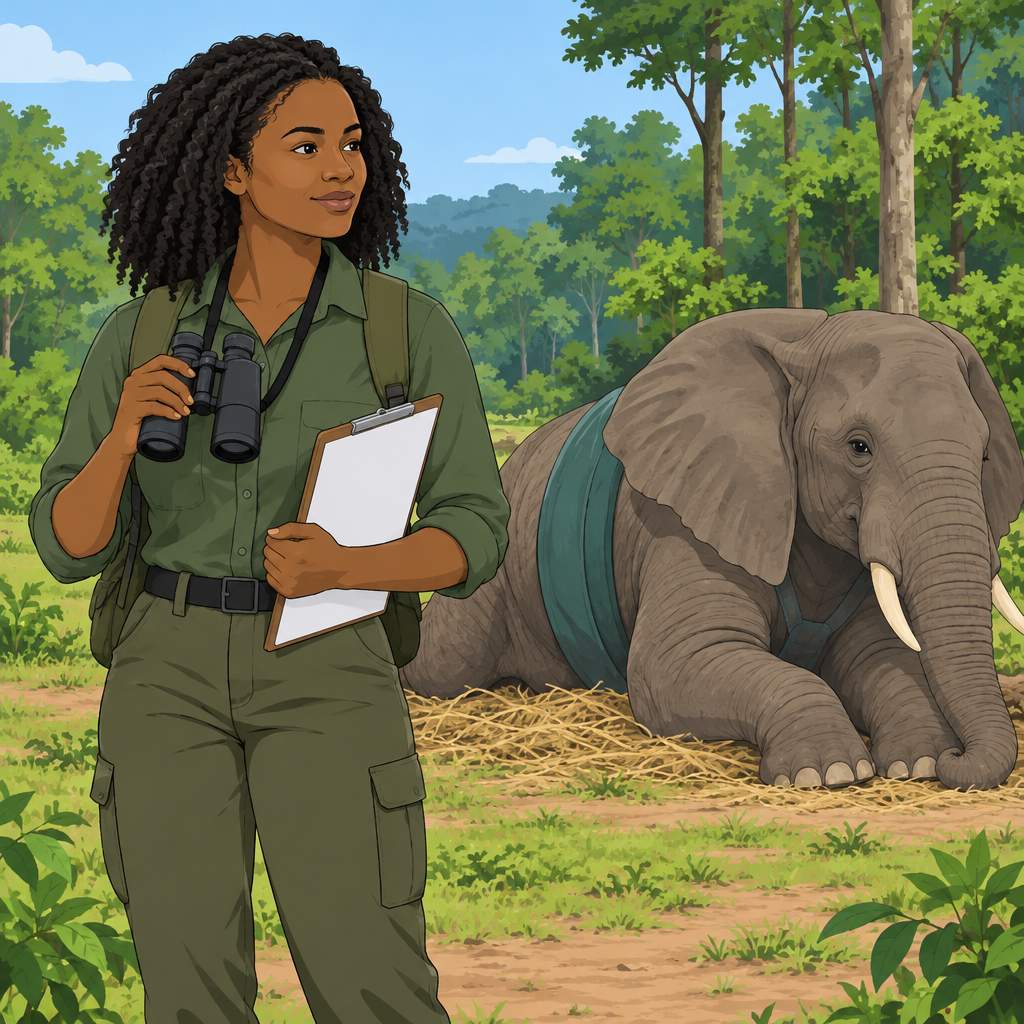
Conservation Techniques for Nigerian Wildlife
These techniques help protect endangered species and maintain ecological balance.
Applied zoologists combine fieldwork, habitat management, and health monitoring to address conservation challenges.
Their coordinated efforts support biodiversity across Nigeria.
- Capture and release programs:
Conservation teams capture animals for research or medical treatment.
They then release the animals into their natural habitats.
This approach helps teams monitor populations and treat injured or sick animals. - Habitat restoration and protection:
Conservation workers restore degraded ecosystems and protect habitats from human encroachment.
They also create designated conservation areas where wildlife can thrive.
Protected habitats allow animals to maintain natural behaviors. - Disease prevention and control:
Applied zoologists monitor wildlife health and work to prevent disease outbreaks.
They use vaccination programs, quarantine measures, and health monitoring.
Disease control helps wildlife populations remain healthy and resilient.
These methods safeguard Nigerian wildlife and support biodiversity.
Applied zoologists continue to improve conservation strategies as threats change.
They protect endangered species, preserve habitats, and reduce risks to wildlife populations.
Collaboration strengthens efforts to safeguard Nigeria’s natural heritage.
Gain More Insights: The Role of Applied Zoology in Nigeria's Public Health
Impact of Applied Zoology on Endangered Species in Nigeria
Applied zoology supports endangered species conservation through research, management, and practical interventions in Nigeria.
These efforts have produced encouraging outcomes while conservationists continue addressing serious threats.
The following examples show both progress and remaining obstacles.
Success Stories of Species Saved from Extinction
Applied zoology has supported several conservation efforts involving endangered species in Nigeria.
The Nigerian-Cameroon chimpanzee faced population declines from habitat loss and poaching.
Protected areas and community engagement programs have helped its population increase.
Similarly, captive breeding and habitat restoration have supported the recovery of the Nigerian giraffe.
These outcomes demonstrate how research-based interventions can strengthen species protection.
Challenges Affecting Endangered Species Protection
Despite these gains, poaching continues to threaten endangered species across Nigeria.
Poachers often target commercially valuable animals, including elephants, rhinos, and pangolins.
Habitat loss and fragmentation also reduce the space available for wildlife.
Growing human populations increasingly encroach on natural habitats.
Therefore, conservationists must combine habitat restoration, protected areas, and community-based programs.
These measures can address threats while strengthening long-term species protection.
Future Conservation Priorities
Nigeria’s conservation progress shows the value of applied zoology in protecting vulnerable wildlife.
Continued programs should connect species research with habitat protection and local participation.
Such coordination can support healthier ecosystems and improve prospects for endangered species.
Explore Further: Top Nigerian Universities for Animal and Environmental Biology
Collaborative Wildlife Conservation in Nigeria
Government agencies, NGOs, and researchers combine expertise and resources to preserve Nigerian wildlife.
For example, the Nigerian Conservation Foundation collaborates with the Cross River State government.
Similarly, the Wildlife Conservation Society works with the Federal Ministry of Environment.
This partnership supports protection efforts in Gashaka Gumti National Park.
Benefits of Conservation Partnerships
These partnerships help stakeholders coordinate actions and pursue shared conservation goals.
They also strengthen conservation work through several important benefits.
- Partners pool financial, human, and technical resources to increase project impact.
- They share knowledge and develop innovative responses to conservation challenges.
- Joint projects build skills and strengthen conservation capacity among participating organizations.
- Collaborations encourage communities to support sustainable wildlife habitat and species conservation.
- Unified efforts can influence policies that support wildlife conservation initiatives.
By joining forces, stakeholders can address threats facing Nigerian wildlife and biodiversity more effectively.
Find Out More: Environmental Biology: Protecting Nigeria's Biodiversity
Education and Outreach Programs in Applied Zoology
- Importance of Educating the Public on Wildlife Conservation
Education plays a crucial role in wildlife conservation.
It helps people understand wildlife’s importance and its role in maintaining ecosystem balance.
- Impact of Outreach Programs on Awareness and Conservation Efforts
Outreach programs raise awareness about threats facing wildlife and the importance of conservation efforts.
They engage communities, schools, and other institutions to spread knowledge and inspire action.
Through workshops, lectures, field trips, and interactive activities, these programs teach the value of biodiversity.
They also explain how human activities affect wildlife populations.
By fostering connections between people and wildlife, these programs encourage active participation in conservation.
Furthermore, outreach programs provide opportunities for people to join conservation initiatives.
Participants can volunteer for wildlife monitoring projects or support habitat restoration efforts.
They can also support conservation organizations financially.
By engaging the public, applied zoologists can amplify their impact and mobilize broader community participation.
Community participation supports a sustainable future where wildlife thrives in natural habitats.
Future Directions for Nigerian Wildlife Conservation
Applied zoology plays a crucial role in Nigerian wildlife conservation by providing scientific knowledge and practical solutions.
Therefore, continued investment in conservation can help protect Nigeria’s rich biodiversity.
Moreover, innovative strategies, collaborative partnerships, and community engagement can support sustainable wildlife management.
By addressing conservation challenges together, stakeholders can secure a brighter future for Nigerian wildlife and their habitats.
Everyone can advocate for wildlife conservation and help preserve Nigeria’s natural heritage for future generations.
Additional Resources
Google search results for Impact of Applied Zoology on Nigerian Wildlife Conservation Sciences
Bing search results for Impact of Applied Zoology on Nigerian Wildlife Conservation Sciences


