




Introduction
Environmental biology plays a crucial role in protecting Nigeria’s rich biodiversity.
With over 250,000 species of plants and animals, Nigeria’s ecosystems face threats from deforestation, pollution, and climate change.
Therefore, preserving biodiversity supports healthy ecosystems that provide clean air, water, and food for communities.
The Role of Environmental Biology in Biodiversity Conservation
Environmental biology examines how living organisms interact with their surroundings.
This field helps scientists understand ecological relationships and support biodiversity conservation.
It also shows how organisms obtain resources, reproduce, and respond to environmental change.
Applying Environmental Biology to Protect Nigeria’s Ecosystems
In Nigeria, researchers apply environmental biology to assess threats within distinctive ecosystems.
They can examine how deforestation changes habitats and affects local wildlife populations.
They may also measure pollution in water bodies and identify ways to improve aquatic conditions.
Additionally, species interactions can reveal how one ecosystem change affects other organisms.
This understanding supports conservation plans that address the needs of entire ecosystems.
Interdisciplinary Approaches to Biodiversity Conservation
Effective biodiversity conservation brings environmental biologists, ecologists, conservation biologists, and policy-makers together.
Environmental biologists can assess how human activities influence wildlife populations.
Meanwhile, ecologists can help interpret relationships among species and their surroundings.
Conservation biologists can use these findings to protect genetic diversity and endangered species.
Policy-makers can establish regulations that protect habitats and wildlife populations.
Together, these experts can balance human needs with biodiversity protection.
This collaboration can help preserve Nigeria’s natural heritage for future generations.
Threats to Biodiversity in Nigeria
Nigeria faces several threats that endanger its rich ecological heritage.
These pressures affect native species, habitats, and the benefits that ecosystems provide.
Urgent action can reduce biodiversity loss and support healthier natural systems.
Deforestation
Unsustainable logging removes forest cover and weakens important habitats.
Meanwhile, agriculture and urban growth convert forests into developed or cultivated land.
As forests disappear, wildlife loses shelter and ecosystems become disrupted.
- Unsustainable logging practices that reduce forest cover
- Forest conversion for agriculture and urban development
- Wildlife displacement and ecosystem disruption
Habitat Destruction
Infrastructure expansion can extend into natural habitats and reduce available space for wildlife.
Furthermore, development can destroy wetlands, mangroves, and grasslands.
Habitat fragmentation isolates species populations and restricts their movement.
- Infrastructure projects entering natural habitats
- Wetland, mangrove, and grassland destruction
- Habitat fragmentation and species isolation
Pollution
Industrial facilities can release pollutants that damage surrounding ecosystems.
Oil spills pose serious risks to habitats and wildlife in the Niger Delta.
Additionally, agricultural chemicals can enter ecosystems through runoff.
- Industrial pollution from factories and refineries
- Oil spills in the Niger Delta region
- Chemical runoff from agricultural activities
Climate Change
Rising temperatures can place additional stress on plant and animal species.
Changing rainfall patterns can also affect agricultural productivity.
Meanwhile, sea-level rise threatens coastal ecosystems.
- Rising temperatures affecting plants and animals
- Changing rainfall patterns affecting agriculture
- Sea-level rise threatening coastal ecosystems
Effects on Species and Ecosystems
These threats can disrupt food chains and reduce ecosystem resilience.
They can also cause the loss of valuable genetic resources.
Endangered species and species with limited ranges face particularly serious risks.
Examples include the Cross River gorilla, Nigerian chimpanzee, and African elephant.
Mangrove forests in the Niger Delta and northern savannas also face irreversible damage.
Therefore, conservation efforts must address threats across species and ecosystems.
Conservation Priorities
Nigeria needs policies and regulations that limit deforestation and habitat destruction.
Transform Your Career with Expert Guidance
Get personalized mentorship consulting that’s tailored to your unique path. Our expert advice is actionable and exclusive.
Get StartedEffective measures should also reduce pollution and climate-related environmental impacts.
Community engagement can encourage sustainable practices and strengthen conservation initiatives.
By involving local communities, conservation programs can support long-term protection.
Protecting biodiversity also supports livelihoods that depend on healthy ecosystems.
These ecosystems provide food, water, and other resources for millions of people.
Collective action can help Nigeria protect and sustainably manage its natural wealth.
Explore Further: Internship Opportunities for Geology Students
Biodiversity Conservation Strategies
Nigeria can protect biodiversity through protected areas, sustainable land management, and species recovery programs.
These approaches address habitat protection, responsible resource use, and the needs of threatened species.
Furthermore, conservation succeeds when communities support planning, implementation, and long-term environmental care.
Protected Areas
Protected areas provide safe environments where wildlife, plants, and ecosystems can survive.
Nigeria uses national parks, wildlife reserves, and forest reserves to conserve important habitats.
These designated areas support the preservation of diverse flora and fauna.
Sustainable Land Management
Sustainable land management helps maintain healthy ecosystems and protect biodiversity.
Sustainable agriculture, forestry, and fishing can reduce harmful effects from human activities.
In Nigeria, these practices help safeguard natural resources and maintain long-term ecological balance.
Species Recovery Programs
Species recovery programs protect endangered and threatened animals through targeted conservation actions.
Government agencies and organizations rescue and rehabilitate species facing serious risks.
Programs involving the Nigerian giraffe and Cross River gorilla help prevent the loss of unique wildlife.
Community Involvement and Traditional Knowledge
Local communities contribute valuable knowledge and practices to biodiversity conservation.
Traditional knowledge can guide efforts to protect ecosystems and wildlife more effectively.
Community participation also strengthens the sustainability of conservation initiatives across Nigeria.
Successful Conservation Initiatives in Nigeria
Nigeria has created conservation initiatives that protect natural habitats and endangered species.
The creation of Yankari National Park supports the protection of important wildlife and ecosystems.
Community-based projects also connect biodiversity protection with ecotourism and sustainable development.
Long-Term Biodiversity Protection
Protected areas, responsible land use, and species recovery programs reinforce biodiversity conservation.
Community involvement and traditional knowledge make these strategies more practical and durable.
Together, these efforts can preserve Nigeria’s natural heritage for future generations.
See Related Content: Career Opportunities in Bioinformatics for Nigerians
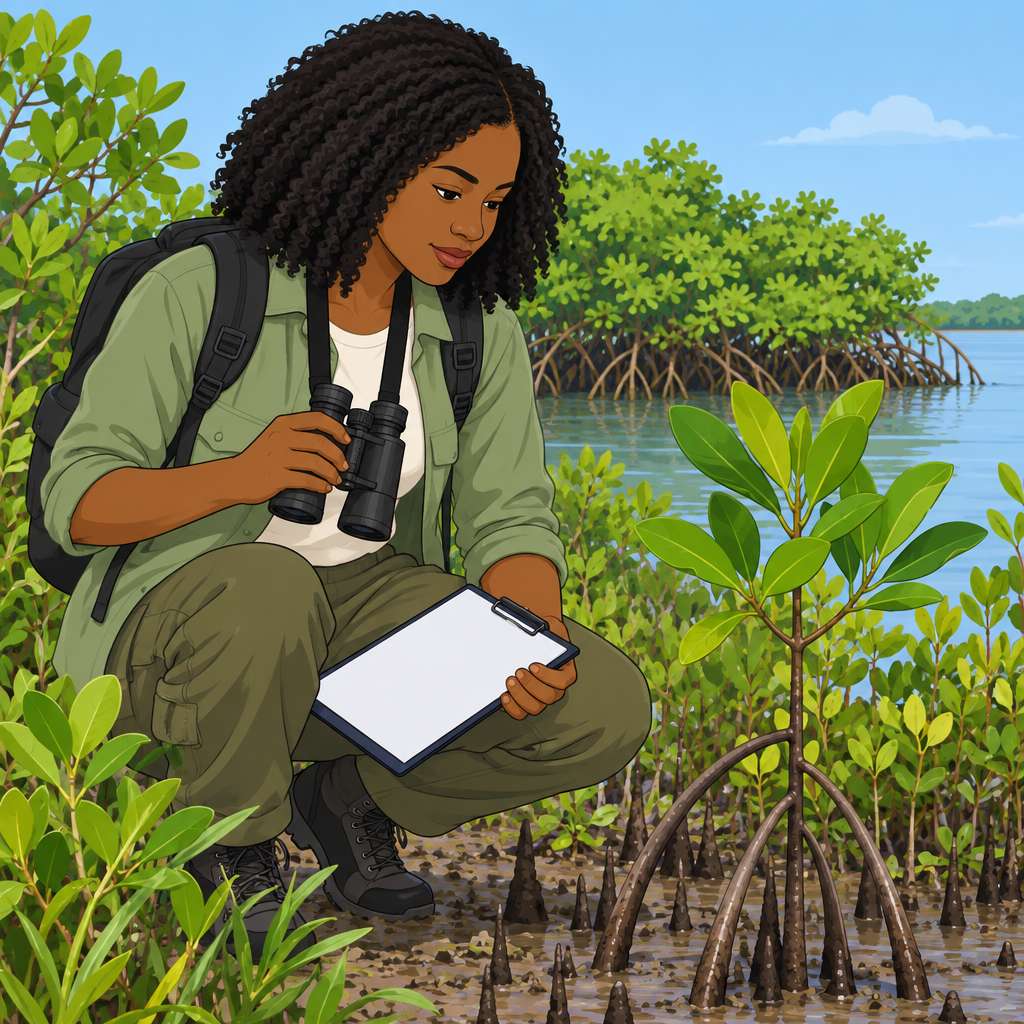
Biodiversity as a Foundation for Sustainable Development
Biodiversity includes the variety and variability of life forms across species, ecosystems, and genetic groups.
It supports sustainable development by providing essential services that directly benefit human well-being.
Healthy ecosystems regulate natural processes and strengthen the resources that communities depend on.
- Biodiversity provides essential ecosystem services, including clean water, air, and food.
- Diverse ecosystems help regulate and purify water sources while maintaining air quality.
- They also provide sustainable food sources for human consumption.
Economic Value Across Key Industries
Biodiversity creates significant economic benefits for agriculture, tourism, and pharmaceutical industries.
Agriculture depends on diverse ecosystems for pollination, pest control, soil fertility, and crop production.
Tourism attracts visitors through diverse landscapes, wildlife, and unique ecosystems.
Similarly, pharmaceutical research uses natural sources to discover medicines and develop medical treatments.
Many life-saving medications originate from natural sources found within diverse ecosystems.
Balancing Development with Biodiversity Conservation
Human activities threaten biodiversity through deforestation, pollution, habitat destruction, and resource overexploitation.
This loss damages ecosystems and creates serious consequences for human society.
Sustainable development meets present needs without limiting future generations’ ability to meet theirs.
Therefore, careful planning and resource management can prevent irreversible ecosystem and species damage.
- Protected areas safeguard important habitats and species.
- Habitat restoration helps ecosystems recover and continue providing essential services.
- Sustainable land management supports responsible resource use and long-term ecological stability.
- Wildlife conservation programs protect species and support biodiversity for future generations.
Protecting biodiversity secures ecosystem services, economic opportunities, and human health for Nigeria and the wider planet.
Delve into the Subject: The History of Geology as a Discipline in Nigeria
Policies Supporting Biodiversity Conservation
Several Nigerian laws provide a framework for biodiversity conservation.
The NESREA Act supports environmental standards and regulatory enforcement.
The Endangered Species (Control of International Trade and Traffic) Act protects endangered species.
Forestry Laws also support forest protection and biodiversity management.
Challenges Affecting Legal Enforcement
However, authorities face persistent enforcement challenges.
Limited resources and capacity hinder effective enforcement.
Political will also affects implementation.
Consequently, legal protections may not achieve their intended conservation goals.
Roles of Conservation Institutions
NESREA and the National Parks Service help implement environmental laws and regulations.
Meanwhile, the Nigerian Conservation Foundation supports biodiversity protection through awareness campaigns and conservation projects.
Local communities also contribute to conservation activities.
Collaboration Among Conservation Stakeholders
Stronger partnerships can improve biodiversity conservation across Nigeria.
Government agencies, NGOs, local communities, and other stakeholders should coordinate their efforts.
Better collaboration can strengthen enforcement, policy development, and conservation initiatives.
Moreover, improved communication can create a more cohesive approach to biodiversity protection.
Community Engagement in Conservation Decisions
Local communities need meaningful roles in conservation decision-making.
Their engagement can support more sustainable biodiversity conservation.
Therefore, stakeholders should include communities in planning and implementation processes.
Discover More: Funding Opportunities for Marine Biology Research
Environmental Education and Biodiversity Awareness
Environmental education builds responsibility toward nature and encourages people to protect biodiversity.
It also explains how human activities affect ecosystems, species, and habitats.
Furthermore, education supports informed decisions and encourages sustainable behavior within communities.
Environmental Education and Conservation Behavior
Through education, people learn about species, habitats, and relationships among living organisms.
This knowledge deepens appreciation for nature and encourages individuals to adopt sustainable practices.
Moreover, conservation principles such as ‘leave no trace’ guide responsible environmental decisions.
The principles ‘reduce, reuse, recycle’ also promote practical conservation ethics in daily life.
Schools, communities, and online platforms can deliver environmental education programs.
Consequently, these programs empower people to become active environmental stewards.
Media, Research, and Advocacy for Biodiversity Awareness
The media shapes public perceptions and increases awareness of biodiversity conservation.
Television, radio, and social media can communicate conservation information to broad audiences.
Meanwhile, research institutions generate scientific data about biodiversity conditions in Nigeria.
Their findings help policymakers, conservationists, and communities make informed conservation decisions.
Advocacy groups mobilize support and promote policies that protect threatened species and habitats.
They engage stakeholders, organize campaigns, and advocate for conservation initiatives.
Collaboration among these groups can strengthen public awareness and support for conservation projects.
Public Participation in Biodiversity Conservation
Public participation strengthens biodiversity initiatives by involving people in decisions and conservation activities.
Engagement creates ownership and encourages individuals to accept responsibility for protecting nature.
Local communities can contribute traditional knowledge, cultural practices, and indigenous wisdom.
This cooperation supports sustainable resource management and encourages coexistence with wildlife.
Citizen science programs, ecotourism activities, and volunteer opportunities connect people with nature.
As a result, participation can inspire collective action to safeguard Nigeria’s biodiversity.
Protecting Nigeria’s Natural Heritage
Nigeria’s biodiversity faces various threats that require urgent attention.
Environmental biology helps protect and conserve the country’s diverse species and ecosystems.
It also supports balance between human development and nature preservation.
By understanding biodiversity’s importance, we can promote sustainable practices that benefit society and the environment.
Moreover, recognizing connections among living organisms can guide responsible decisions.
Everyone shares responsibility for protecting Nigeria’s natural heritage for future generations.
Through education, research, and policy implementation, Nigeria can strengthen its relationship with nature.
These efforts can also support economic growth and social well-being.
Let us safeguard the environment, support conservation efforts, and live harmoniously with Nigeria’s rich biodiversity.
Additional Resources
Google search results for Environmental Biology: Protecting Nigeria's Biodiversity Sciences
Bing search results for Environmental Biology: Protecting Nigeria's Biodiversity Sciences


