




Applied Zoology and Nigeria’s Ecosystem
Applied Zoology applies zoological knowledge to wildlife conservation, disease control, and environmental management.
In Nigeria, this science helps maintain ecosystem balance and health.
It examines animal behavior, physiology, and distribution within natural habitats.
Biodiversity Conservation
Applied Zoology supports Nigeria’s efforts to conserve its rich biodiversity.
Researchers study endangered species and develop strategies that protect them.
They also help preserve the habitats that sustain these species.
Disease Control
Applied Zoology strengthens disease surveillance and control in Nigeria.
It focuses especially on zoonotic diseases that affect animals and humans.
Therefore, zoological knowledge supports efforts to monitor and manage these diseases.
Environmental Management
Applied Zoology examines interactions between animals and their environments.
This knowledge helps professionals manage Nigerian ecosystems more effectively.
It also supports ecosystem restoration and promotes environmental sustainability.
Wildlife Management
Applied Zoology guides wildlife management practices through research and monitoring.
These practices support the sustainable use of wildlife resources.
They also protect species that face vulnerability within their natural habitats.
Education and Environmental Awareness
Applied Zoology educates the public about biodiversity conservation.
It also explains why wildlife protection matters in Nigeria.
As a result, education encourages greater responsibility toward the environment.
Applied Zoology Supports Ecosystem Sustainability
Applied Zoology provides valuable knowledge for conserving Nigeria’s biodiversity.
It also supports wildlife management, disease control, and environmental restoration.
Through these applications, the discipline promotes healthier and more sustainable ecosystems.
Preservation of Biodiversity
Applied zoology supports endangered species conservation in Nigeria.
By studying animal behavior and habitats, scientists develop targeted protection strategies.
Additionally, research and monitoring reveal threats before experts implement conservation measures.
Maintaining genetic diversity strengthens ecosystem resilience and adaptability.
Consequently, biodiversity protection supports stable, healthy ecosystems for all organisms.
Protecting endangered species also preserves ecological balance.
These species often perform essential roles within their habitats.
Therefore, their protection safeguards valuable services for surrounding ecosystems.
Biodiversity preservation sustains ecosystems and the services they provide.
Without biodiversity, ecosystems struggle to adapt to changing conditions or recover from disturbances.
Moreover, losing one species can trigger cascading effects throughout an ecosystem.
Applied zoology helps prevent these effects by supporting biodiversity conservation.
Disease Control
- Zoologists identify and help control diseases affecting wildlife and humans.
- By studying animals and habitats, they detect disease spread and possible effects on humans.
- Monitoring fruit bats in Nigeria helped reveal Ebola virus and emphasized wildlife surveillance.
- Similarly, bird population monitoring supports efforts to prevent avian influenza.
- Studying mosquito behavior can help prevent malaria outbreaks.
- Research on wildlife-human interactions helps zoologists reduce disease transmission.
- Moreover, zoologists work with public health officials on vaccination programs for people and animals.
- Through research and data collection, they track disease spread and develop control measures.
- Their expertise helps reduce the effects of zoonotic diseases in Nigeria.
- Applied zoology therefore strengthens disease prevention and control within Nigeria’s ecosystems.
You Might Also Like: The Role of Applied Zoology in Nigeria's Public Health
Ecological Balance
- Zoologists study animal behavior and interactions to maintain ecological balance.
- They observe how animals interact with their environment and each other.
- By understanding these interactions, zoologists can predict their impact on ecosystems.
- However, ecosystem imbalances can trigger a chain reaction of negative effects.
- For example, declining predator populations can increase prey species numbers.
- Consequently, rising prey populations can cause overgrazing and rapidly reduce vegetation.
- As a result, the entire ecosystem can suffer from limited food and habitat.
- Therefore, zoologists identify these imbalances and assess their consequences.
- They also develop solutions that restore ecosystems to healthy conditions.
Uncover the Details: Top Nigerian Universities for Animal and Environmental Biology
Wildlife Population Management
Applied zoology supports wildlife management by providing scientific knowledge for informed population decisions.
Through research and data collection, zoologists assess population sizes and identify population trends.
This information helps conservation planners develop effective strategies for protecting endangered species.
Furthermore, zoologists monitor wildlife populations to guide responsible management decisions.
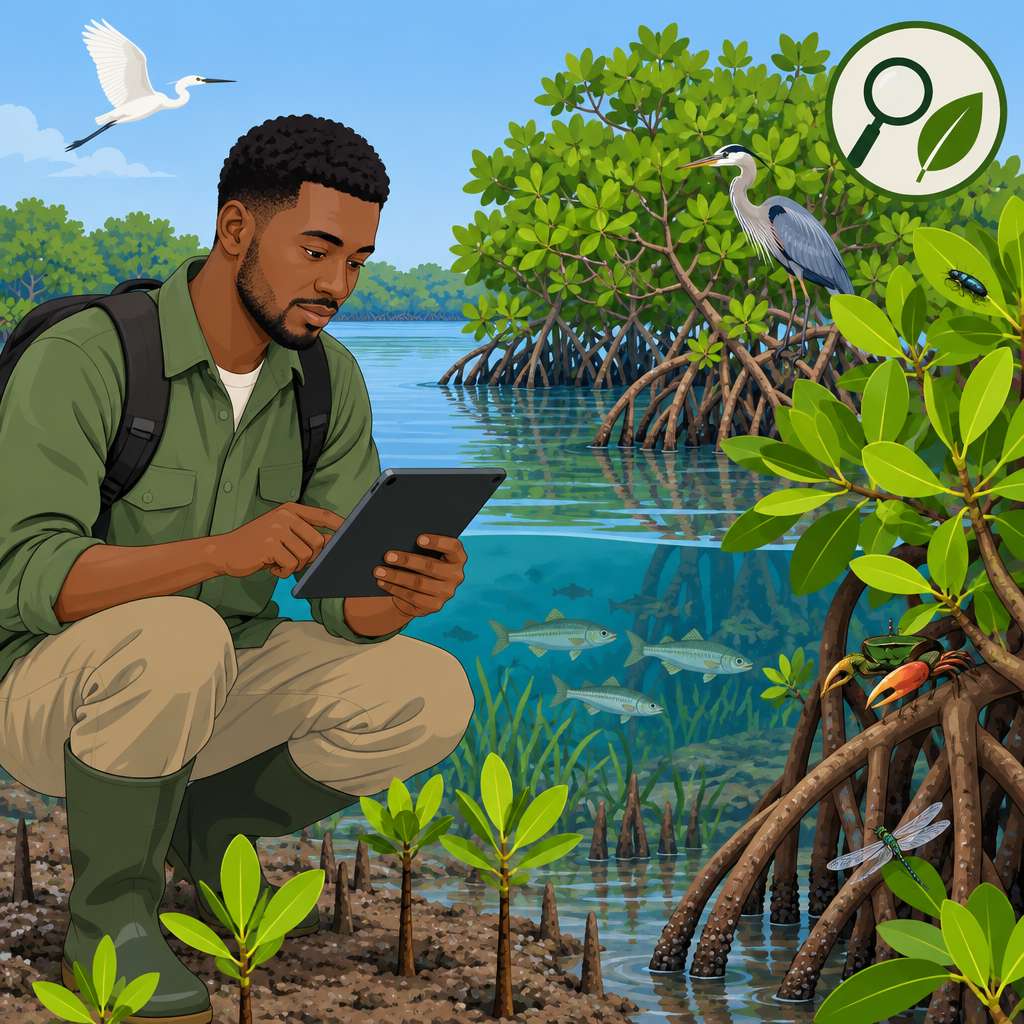
Sustainable Wildlife Management Practices
Sustainable practices maintain ecosystem balance while supporting the long-term health of wildlife populations.
Transform Your Career with Expert Guidance
Get personalized mentorship consulting that’s tailored to your unique path. Our expert advice is actionable and exclusive.
Get StartedHabitat protection, controlled hunting, and captive breeding programs support responsible wildlife management.
These measures help prevent species overexploitation and reduce the effects of habitat destruction.
Without proper management, wildlife populations may decline rapidly and disrupt ecosystem stability.
Applied zoology provides the tools and knowledge needed to implement sustainable management practices.
Conservation Benefits for Nigeria
Zoologists study animal behavior and habitats to identify threats affecting wildlife populations.
They then develop conservation strategies that support species survival and ecosystem diversity.
Additionally, sustainable wildlife management benefits wildlife populations and human communities.
Through applied zoology, Nigeria can balance conservation needs with responsible development.
Delve into the Subject: Environmental Biology: Protecting Nigeria's Biodiversity
Environmental Impact Assessment
Zoologists conduct studies to assess how human activities affect the environment.
These assessments help stakeholders make informed decisions about conservation and development projects.
In Nigeria, zoologists evaluate effects on ecosystems, wildlife, habitats, and biodiversity.
Data Collection and Habitat Evaluation
First, zoologists gather data about species populations in affected areas.
They examine animal abundance, distribution, and behavior during field studies.
This evidence shows how deforestation, urbanization, and industrialization influence local wildlife.
They also assess habitat quality and resource availability for different species.
Their surveys examine food, water, shelter, and nesting sites.
Consequently, zoologists evaluate effects on wildlife survival and reproductive success.
Decision-Making and Sustainable Development
Through field surveys and monitoring programs, zoologists identify threats to biodiversity and ecosystems.
Their findings help decision-makers develop mitigation strategies and conservation measures.
Policymakers, government agencies, and conservation organizations use this information when reviewing development projects.
In addition, stakeholders can reduce negative effects and encourage sustainable development practices.
Rapid industrialization and urban expansion increase pressure on Nigeria’s natural resources and wildlife habitats.
Therefore, assessments guide environmentally responsible development in the country.
Zoologists provide scientific expertise and recommendations throughout decision-making processes.
Their work supports biodiversity protection, ecosystem conservation, and preservation of Nigeria’s natural heritage.
Gain More Insights: Internship Opportunities for Geology Students
Climate Change Adaptation in Nigeria
Climate change alters environmental conditions affecting wildlife in Nigeria.
Zoologists track behavioral, distributional, and population changes to document these responses.
This evidence clarifies how changing conditions influence biodiversity.
- They monitor wildlife behavior as environmental conditions change.
- They record shifts in species distributions and population dynamics.
- They gather data about wildlife responses to changing habitats.
Research Contributions to Climate Adaptation
Research findings help identify vulnerable species and habitats.
They also guide strategies for reducing climate change effects on ecosystems.
Moreover, evidence supports conservation and sustainable natural resource management.
- Zoologists use research to identify species facing climate-related vulnerability.
- They assess habitats requiring targeted conservation attention.
- Their findings inform sustainable management of natural resources.
Implementing Wildlife Adaptation Strategies
Zoologists collaborate with policymakers and conservation organizations on adaptation planning.
These partnerships connect scientific findings with practical conservation actions.
Consequently, research can support efforts to protect Nigeria’s biodiversity.
- Habitat restoration can improve conditions for wildlife facing environmental change.
- Captive breeding programs can support vulnerable wildlife populations.
- Wildlife corridors can help animals move between suitable habitats.
Challenges Affecting Climate Change Adaptation
Funding constraints can restrict research and conservation activities.
Political instability and limited government support can delay adaptation strategies.
Public awareness and education can encourage sustainable practices and stronger conservation efforts.
- Limited funding often reduces the scope of zoological research.
- Political challenges can hinder conservation strategy implementation.
- Education can promote public participation in wildlife conservation.
Applied Zoology and Ecosystem Sustainability
Applied zoology plays a crucial role in conserving biodiversity and preserving Nigeria’s environmental balance.
Through research and practical applications, the discipline helps maintain Nigeria’s ecosystem.
Therefore, researchers, policymakers, and conservationists should continue collaborating to support further research.
Together, they can address environmental issues and implement effective biodiversity protection strategies.
Additional Resources
Google search results for Importance of Applied Zoology in Nigeria's Ecosystem Sciences
Bing search results for Importance of Applied Zoology in Nigeria's Ecosystem Sciences


