



Applied Biology in Practice
Applied biology connects biological concepts and principles with practical needs.
Fieldwork and practical training help students bridge theory and practice.
Hands-on experience helps students understand biological processes in real-world settings.
These experiences also develop skills and knowledge essential for applied biology.
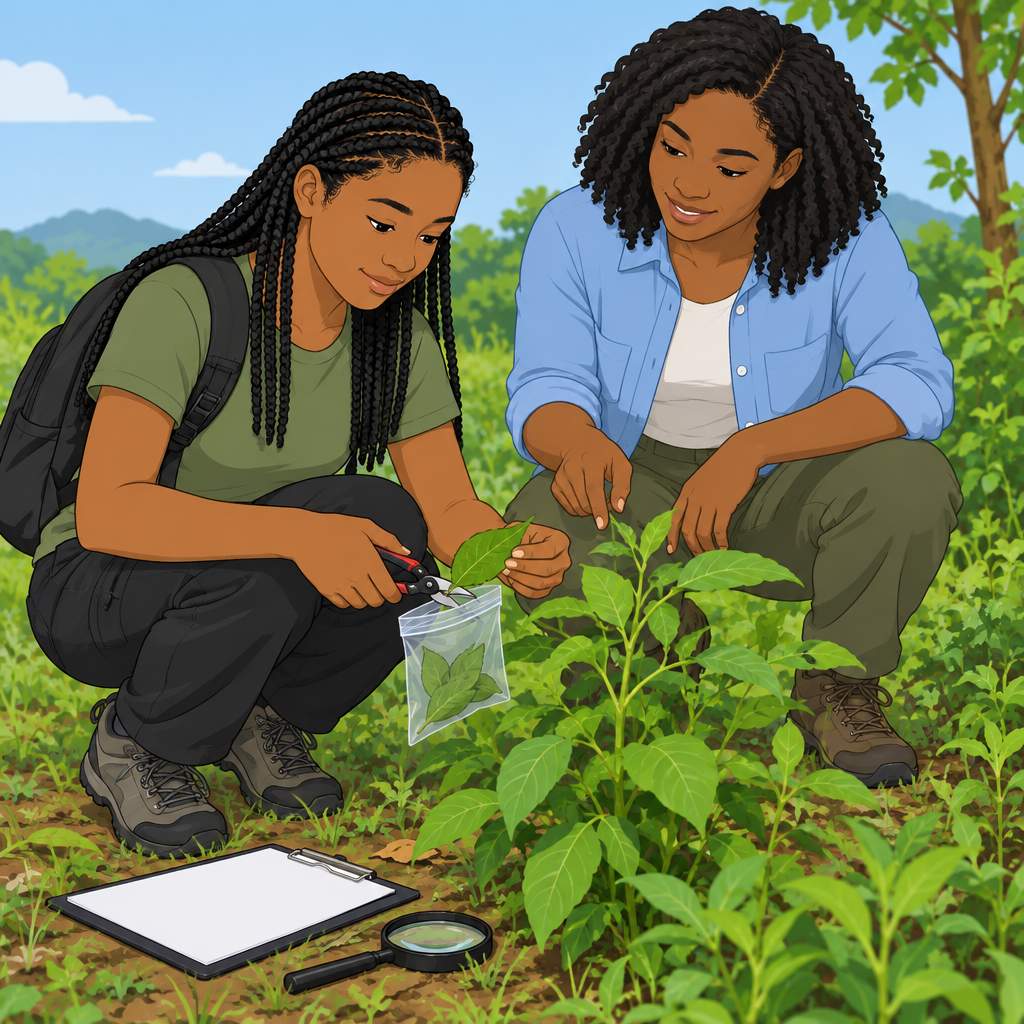
Fieldwork in applied biology helps students apply theoretical knowledge in practical settings.
It connects classroom concepts with observations and tasks from real-world environments.
Benefits of Fieldwork in Applied Biology
Students observe biological concepts in natural habitats, which makes learning more concrete.
They also collect data and conduct experiments in settings beyond classroom walls.
Moreover, field experiences deepen appreciation for environmental systems and biodiversity.
- Students strengthen data collection skills through direct field experience.
- They conduct experiments in real-life settings for practical learning.
- Fieldwork improves critical thinking through challenges encountered during research.
- Students develop teamwork skills while conducting research collaboratively.
- They practice independent learning and decision-making in challenging situations.
- Field experiences build confidence beyond the traditional classroom setting.
- Students gain practical experience that supports future applied biology careers.
- They develop a deeper appreciation for environmental diversity.
How Fieldwork Develops Critical Thinking and Problem-Solving Skills
Field conditions challenge students to respond creatively when expected procedures do not work.
They adapt methods to changing environments and analyze evidence from collected data.
As a result, students make informed decisions and overcome obstacles during research projects.
- Students solve field problems by applying creative approaches.
- They adjust their methods when environmental conditions change.
- Students analyze collected data to support evidence-based conclusions.
- They use observations and evidence to guide informed decisions.
- Fieldwork helps students overcome obstacles during research activities.
Fieldwork develops skills that support future careers in applied biology.
It prepares students for field challenges and strengthens their practical experience.
Practical Training in Applied Biology
Practical training gives students structured opportunities to develop applied biology skills.
Students combine observation, experimentation, analysis, and communication during practical training sessions.
These activities strengthen students’ preparation for biology-related research, academic, and industry roles.
Techniques and Methodologies Used in Practical Training Sessions
Practical sessions introduce students to methods used for observing, testing, and interpreting biological evidence.
Students apply these methods while examining samples, gathering information, and testing biological questions.
Consequently, they gain experience with both laboratory procedures and systematic investigation.
- Students use microscopes to observe and analyze biological samples.
- Students conduct field experiments and collect ecosystem data in natural habitats.
- Students practice PCR, gel electrophoresis, and DNA sequencing techniques.
- Students analyze and interpret data collected during experiments and research.
- Students design and conduct experiments to test hypotheses.
The Role of Practical Training in Developing Practical Skills
Practical training helps students turn biological knowledge into effective laboratory and research procedures.
Through repeated practice, students improve their accuracy, interpretation, and ability to solve problems.
They also learn to communicate scientific findings clearly through several professional formats.
- Students handle equipment, perform experiments, and follow laboratory protocols.
- Students interpret real data and draw conclusions from their results.
- Students understand the scientific method and conduct research effectively.
- Students develop critical thinking and problem-solving abilities through hands-on activities.
- Students communicate findings through reports, presentations, and scientific papers.
The Importance of Hands-on Experience for Future Careers
Hands-on experience helps students apply biological concepts to professional tasks and workplace expectations.
It also demonstrates their ability to use practical skills in biology-related settings.
As a result, students build confidence while preparing for future professional challenges.
- Practical training equips students with skills valued in biology-related professions.
- Hands-on experience strengthens employability by demonstrating practical competence.
- Students apply theoretical knowledge to real-world scenarios.
- Practical activities build confidence and competence for professional challenges.
- Practical training supports career development in research, academia, and industry.
Practical training equips students with skills and experience for careers in applied biology.
It strengthens their understanding of biological concepts, research methods, and laboratory techniques.
These experiences prepare students to pursue goals across several biology-related fields.
Discover More: Online Resources for Applied Math Students in Nigeria
Common Challenges Faced During Fieldwork and Practical Training
Fieldwork can become difficult when practical conditions disrupt planned activities.
These obstacles may delay schedules, limit resources, or interrupt data collection.
Students need clear responses that protect progress and maintain organized work.
- Logistical issues can involve transportation problems, inadequate accommodation, or communication breakdowns.
- Extreme heat, rain, or snow can disrupt schedules and data collection.
- Camera failures, GPS errors, or broken sampling tools can hinder collection efforts.
Overcoming Challenges Through Proper Planning
Planning gives students practical ways to respond when field conditions change.
Contingency measures help them continue work despite unexpected difficulties.
Preparation also reduces avoidable delays during training.
Students can overcome these challenges through several practical measures.
- Students can create detailed fieldwork plans with contingency measures for unforeseen circumstances.
- They can check weather forecasts and pack suitable clothing and gear for changing conditions.
- Students can check equipment before fieldwork and bring backups when possible.
Adaptability and Teamwork in Overcoming Fieldwork Challenges
Changing conditions require students to make timely decisions during fieldwork.
Team communication helps them coordinate responsibilities and use available support.
Local knowledge can also guide effective work in unfamiliar environments.
Transform Your Career with Expert Guidance
Get personalized mentorship consulting that’s tailored to your unique path. Our expert advice is actionable and exclusive.
Get StartedStudents can strengthen their responses by adapting plans and cooperating with others.
- Students should adjust their plans when conditions or unforeseen events change.
- They should communicate with teammates, delegate tasks, share resources, and support one another.
- Students can consult local experts when navigating unfamiliar terrain or ecosystems.
Tips for Managing Challenges During Fieldwork and Practical Training
Daily routines help students manage physical demands and changing priorities.
Organized records support progress tracking and clearer decision-making.
Resilience helps students learn from setbacks while protecting their well-being.
Students can use the following practices to manage challenges effectively.
- Students should keep an itinerary, checklist, and fieldwork journal to track progress and notes.
- They should stay hydrated, rested, and nourished during long fieldwork days.
- Students should take breaks when needed to protect their physical and mental well-being.
- They should remain positive and treat setbacks as opportunities for learning and improvement.
Uncover the Details: Geology and Environmental Studies in Nigeria
Fieldwork and practical training are essential components of applied biology education.
They provide hands-on experience that can greatly influence students’ career development.
This experience can strengthen resumes and improve job prospects.
It can also help students compete in demanding employment markets.
Enhancing Resumes and Job Prospects
Students can describe fieldwork and practical training as real-world experience on their resumes.
Employers often value practical skills developed through hands-on training.
These experiences show commitment to applied biology and willingness to learn beyond classrooms.
- Fieldwork provides real-world experience that students can highlight on resumes.
- Employers value candidates who develop practical skills through hands-on training.
- Students with fieldwork experience may receive greater consideration for job opportunities.
- These experiences demonstrate commitment to the field and willingness to learn beyond classrooms.
Standing Out in Competitive Job Markets
Hands-on experience distinguishes candidates who understand theory from those who can apply it.
Employers seek applicants who can contribute quickly within their organizations.
Fieldwork helps students connect biological knowledge with real-world contexts and job requirements.
- Hands-on experience sets candidates apart from those who studied only theory.
- Employers seek individuals who can contribute immediately to their organizations.
- Fieldwork allows students to apply knowledge in real-world contexts.
- Practical training develops skills that directly match job requirements.
Career Success Through Practical Experience
Early practical experiences can influence professional direction and future opportunities.
Jane Smith attributes her success to early fieldwork experiences.
John Doe secured his dream job after a summer internship in applied biology.
- Jane Smith, a renowned biologist, credits early fieldwork experiences for her success.
- John Doe, a conservationist, gained his dream job after a summer internship.
- Many successful professionals credit practical training for their accomplishments.
- Fieldwork provides valuable skills and networking opportunities that can lead to job offers.
Fieldwork and practical training help shape careers for aspiring biologists.
Hands-on practice strengthens resumes, improves job prospects, and develops applicable skills.
Students can use these experiences to build knowledge and pursue success in applied biology.
You Might Also Like: Nigerian Applied Zoologists Making a Global Impact
Emerging Technologies in Applied Biology Fieldwork
- Advancements in technology are transforming fieldwork in applied biology.
- For example, remote sensing helps scientists collect data from distant locations.
- Satellite and aircraft sensors support this remote data collection process.
- Furthermore, remote sensing provides insights into ecosystems, biodiversity, and habitat monitoring.
- GPS tracking also strengthens fieldwork by helping researchers study animal movements.
- Researchers can use GPS devices to monitor animal behavior accurately.
Drone Technology in Practical Training
- Drone technology is transforming fieldwork through aerial surveys and data collection.
- Additionally, drones provide efficient and cost-effective ways to monitor landscapes, species, and environmental changes.
- Practical training with drones gives students hands-on experience with emerging technology.
- Students can learn to operate drones, analyze aerial data, and apply findings to conservation challenges.
- Consequently, drone integration continues to influence applied biology fieldwork and training.
Advancing Fieldwork Techniques
- Future fieldwork may use more sophisticated remote sensing technologies.
- New sensors and imaging techniques will provide higher-resolution data for analysis.
- Meanwhile, improved GPS tracking may support real-time monitoring in the field.
- Greater tracking accuracy and precision could strengthen conservation efforts.
- Artificial intelligence and machine learning may also streamline fieldwork data analysis.
Future Trends Shaping Applied Biology
- Future fieldwork and training trends will continue shaping applied biology.
- These advancements will help researchers gather more data and conduct comprehensive studies.
- They will also support better-informed decisions in applied biology.
- Students will gain exposure to current technologies and methodologies during practical training.
- As a result, students can address complex environmental challenges and support conservation efforts.
- Technology integration will continue driving innovation and progress in applied biology.
See Related Content: Overview of Applied Chemistry Programs in Nigeria
Building Well-Rounded Skills Through Applied Biology Practice
Fieldwork and practical training are crucial in applied biology because they provide students with hands-on experience.
Moreover, these activities deepen understanding and strengthen skills for real-world challenges.
Through practical learning, students connect biological theories with real scenarios.
Consequently, this experience develops critical thinking and problem-solving skills.
It also encourages students to appreciate the natural world more deeply.
Therefore, students should actively seek fieldwork and practical training opportunities.
These opportunities enrich learning and prepare students for careers in applied biology.
Learning by doing remains essential for developing well-rounded and skilled biologists.
Additional Resources
Google search results for Applied Biology Fieldwork and Practical Training Sciences
Bing search results for Applied Biology Fieldwork and Practical Training Sciences


