



Wildlife Rehabilitation and Biodiversity Conservation
Wildlife rehabilitation programs in Nigeria play a crucial role in preserving the country’s biodiversity.
They help conserve species threatened by habitat loss, poaching, and illegal wildlife trade.
These programs rescue, rehabilitate, and release animals affected by those threats.
Organizations Supporting Wildlife Rehabilitation
Several organizations and individuals support wildlife rehabilitation efforts across Nigeria.
Wildlife conservation NGOs, government agencies, veterinarians, and volunteers contribute to these efforts.
Together, they rescue, rehabilitate, and release injured or orphaned animals into natural habitats.
Benefits for Ecosystems and Communities
Rehabilitated animals can return to the wild and support healthier ecosystems.
Moreover, their release helps restore balance and diversity within Nigeria’s natural environment.
Through education and public awareness, programs encourage communities to understand biodiversity conservation.
Programs engage the public to build support for wildlife conservation efforts.
They also encourage sustainable coexistence between local communities and wildlife in Nigeria.
Wildlife Rehabilitation Programs in Nigeria
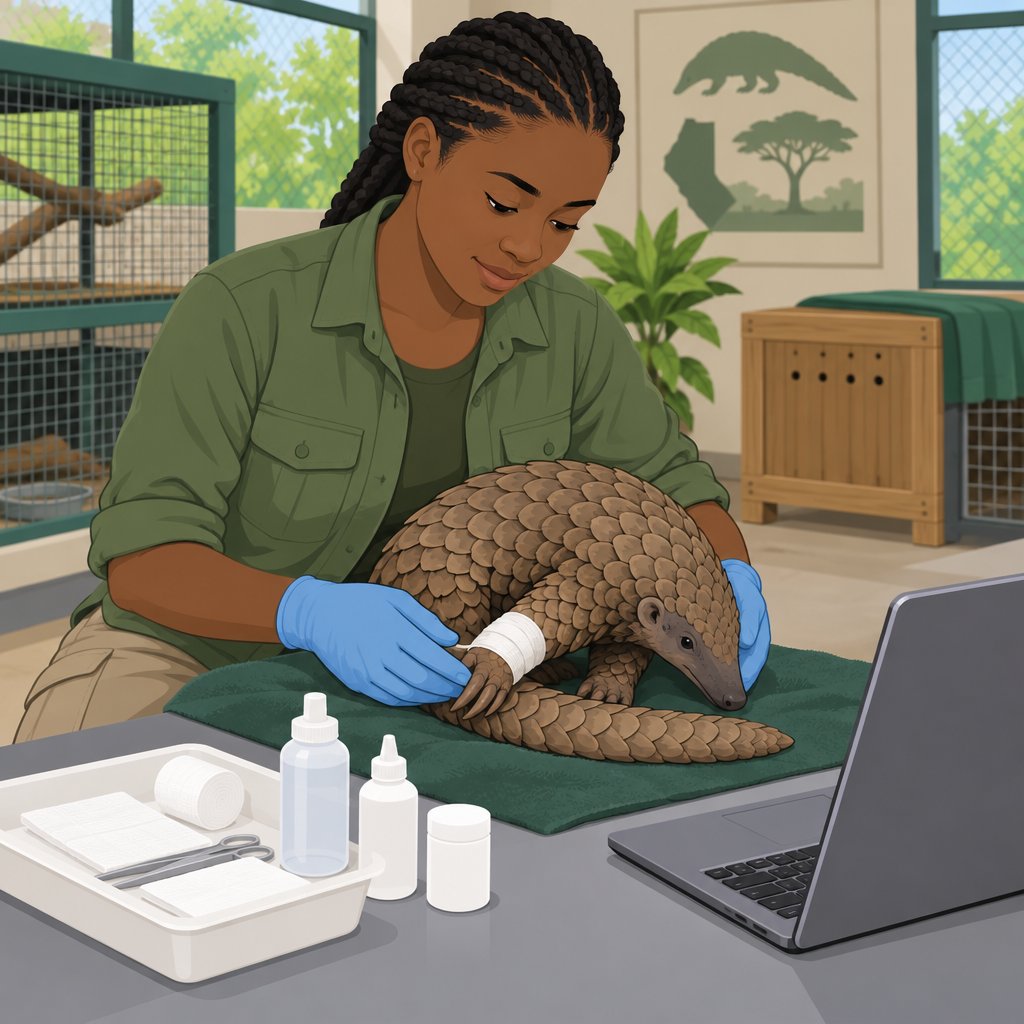
Wildlife rehabilitation provides care for injured, sick, or orphaned wild animals.
These programs offer medical treatment and rehabilitation before animals return to nature.
Nigeria supports diverse wildlife species, including animals facing serious threats.
- Wildlife rehabilitation involves caring for injured, sick, or orphaned wild animals.
- Rehabilitation programs provide medical care and prepare animals for release.
- Nigeria contains diverse wildlife species that face several threats.
Threats Facing Wildlife in Nigeria
Wildlife populations lose important habitats when deforestation and urbanization expand.
Poachers and illegal traders further endanger elephants, lions, pangolins, and other species.
Climate change and pollution also damage the natural habitats that wildlife depends on.
- Deforestation and urbanization cause significant habitat loss.
- Poaching and illegal wildlife trade threaten elephants, lions, and pangolins.
- Climate change and pollution harm wildlife habitats.
How Rehabilitation Supports Wildlife Protection
Rehabilitation programs support efforts to protect Nigeria’s biological diversity.
They reduce some effects of human activities on vulnerable wildlife populations.
Released animals can help maintain balanced and healthy ecosystems.
- Rehabilitation programs help conserve and protect Nigeria’s biodiversity.
- These programs reduce the effects of harmful human activities.
- Released animals contribute to healthy ecosystems.
Stages of Wildlife Rehabilitation
Rescue teams first bring injured or orphaned animals to rehabilitation centers.
Veterinarians then examine the animals and provide appropriate medical treatment.
Finally, physical therapy and behavioral training prepare animals for release.
- Rescue teams bring injured or orphaned animals to rehabilitation centers.
- Veterinarians provide necessary medical treatment for injured animals.
- Animals receive physical therapy and behavioral training before release.
Community Participation in Wildlife Conservation
Local communities can strengthen wildlife rehabilitation and conservation efforts.
Education and awareness encourage safer relationships between people and wildlife.
Community participation can also help reduce poaching and illegal wildlife trade.
- Community engagement supports successful rehabilitation programs.
- Education promotes coexistence between humans and wildlife in Nigeria.
- Community involvement helps combat illegal wildlife trade and poaching.
Reported Rehabilitation Achievements in Nigeria
Rehabilitation programs have produced several positive wildlife conservation stories.
Some chimpanzees, monkeys, and birds have returned successfully to natural environments.
These efforts have supported recovery among certain endangered species.
- Several success stories demonstrate the positive impact of rehabilitation programs.
- Rehabilitated chimpanzees, monkeys, and birds have returned to the wild.
- Conservation efforts have supported certain endangered species.
Continued Support for Nigerian Wildlife
Wildlife rehabilitation programs remain important for protecting Nigeria’s rich wildlife.
Programs can achieve more by addressing threats and working with local communities.
Continued support can help secure a sustainable future for Nigeria’s wildlife.
- Rehabilitation programs protect Nigeria’s diverse wildlife.
- Threat reduction and community collaboration can improve conservation results.
- Support for rehabilitation initiatives can benefit wildlife in the future.
Wildlife Rehabilitation Techniques
- Rehabilitation methods include medical treatment, behavioral conditioning, and physical therapy.
- Rehabilitators use hand-feeding, socialization, and environmental enrichment to prepare animals for release.
- Moreover, physical rehabilitation uses exercises to restore strength and mobility for survival in the wild.
Importance of Veterinary Care, Nutrition, and Habitat Restoration
- Veterinary care ensures proper diagnosis, treatment, and management of wildlife injuries and illnesses.
- Additionally, nutrition provides balanced diets that promote growth and development in rehabilitating animals.
- Habitat restoration creates natural environments that mimic wild habitats before animals return to nature.
Challenges Faced by Wildlife Rehabilitators in Nigeria
- Limited funding, medical equipment, and specialized facilities hinder rehabilitation efforts.
- Furthermore, a shortage of expertise can lead to inadequate care for injured and orphaned animals.
- Permit requirements, bureaucratic delays, and limited public awareness also create obstacles for rehabilitation work.
Wildlife rehabilitation programs in Nigeria face resource, expertise, and legal challenges.
Despite these obstacles, rehabilitators continue rescuing, rehabilitating, and releasing injured and orphaned animals.
Therefore, public support and awareness remain essential for protecting Nigeria’s rich biodiversity.
You Might Also Like: Success Stories: Nigerian Applied Biochemists
Organizations Supporting Wildlife Rehabilitation in Nigeria
Several organizations support wildlife rehabilitation programs in Nigeria.
Government agencies and non-governmental organizations contribute different resources and expertise.
Together, these organizations help protect injured, displaced, and threatened wildlife.
Government Agencies
Government agencies guide conservation activities and manage protected areas.
Transform Your Career with Expert Guidance
Get personalized mentorship consulting that’s tailored to your unique path. Our expert advice is actionable and exclusive.
Get StartedThey also support policies and programs related to wildlife rehabilitation.
The listed government organizations include conservation, parks, and environmental authorities.
- The Nigerian Conservation Foundation conserves Nigeria’s wildlife and their habitats.
- The National Parks Service manages protected areas and oversees wildlife conservation efforts.
- The Ministry of Environment develops environmental policies and regulations, including wildlife rehabilitation measures.
Non-Governmental Organizations
Non-governmental organizations strengthen wildlife protection through specialized conservation programs.
Some organizations focus on habitats, sustainable management, or direct animal care.
Their work complements government responsibilities and expands rehabilitation support.
- The Wildlife Conservation Society protects wildlife species and habitats through conservation programs in Nigeria.
- Africa Nature Investors focuses on sustainable wildlife management and rehabilitation initiatives.
- The Wildlife Rescue and Rehabilitation Centre provides care and treatment for injured wildlife.
Regulations Governing Wildlife Rehabilitation Programs
Nigeria regulates wildlife rehabilitation programs through conservation laws and policy frameworks.
These rules promote safe practices and support responsible wildlife management.
They also establish guidance for protecting wildlife and controlling wildlife trade.
Key Wildlife Regulations and Policies
Several legal and policy instruments guide wildlife protection and rehabilitation activities.
These instruments help organizations coordinate conservation responsibilities.
They also provide standards for managing protected species and their habitats.
- The Wildlife Conservation Act establishes the legal framework for wildlife protection and rehabilitation in Nigeria.
- CITES regulations control international trade involving listed wildlife species.
- The National Wildlife Policy guides wildlife management, conservation, and rehabilitation programs.
Collaboration Supporting Wildlife Rehabilitation
Government agencies and non-profit organizations achieve stronger results when they work together.
Partnerships allow participants to combine resources, share expertise, and strengthen conservation activities.
Collaboration also improves public understanding of wildlife protection.
Examples of Collaborative Activities
Organizations cooperate through rescue operations, training initiatives, and public awareness activities.
These activities connect practical wildlife care with institutional support.
They also encourage wider participation in wildlife conservation.
- Government agencies and NGOs conduct joint rescue missions for injured or endangered wildlife.
- Non-profit organizations provide training and capacity-building programs for government officials.
- Government agencies and NGOs organize public awareness campaigns about wildlife conservation.
Gain More Insights: How Zoology Contributes to Nigeria's Biodiversity Policies
Conservation Education and Public Awareness
- Public education promotes understanding and support for wildlife rehabilitation efforts.
- Outreach programs engage communities and individuals in conservation efforts.
- Awareness campaigns highlight rehabilitation’s importance for biodiversity conservation.
Conservation education supports successful wildlife rehabilitation programs.
Organizations can gain public support and resources by explaining these initiatives.
These resources help organizations care effectively for injured and orphaned wildlife.
Moreover, outreach programs can target schools, local communities, and stakeholders.
Workshops, field trips, and interactive activities explain human impacts on wildlife populations.
Conservation Education Initiatives in Nigeria
- The Wildlife Conservation Society of Nigeria conducts workshops and seminars about wildlife rehabilitation.
- The Nigerian Conservation Foundation organizes campaigns supporting wildlife rehabilitation and sustainable ecosystems.
- Local schools collaborate with rehabilitation centers to provide hands-on learning experiences.
These initiatives have helped create a culture of conservation among Nigerians.
They have also increased public support for wildlife rehabilitation programs.
Continued engagement can help Nigeria protect its rich biodiversity and support a sustainable future for wildlife.
Delve into the Subject: Women in Applied Biology: Nigerian Pioneers and Leaders
Success Stories and Case Studies
- One success story features a baby monkey found injured in Lagos.
- Medical treatment and care helped the monkey return to the wild.
- This recovery demonstrates wildlife rehabilitation programs’ impact in Nigeria.
- Another case involves a young eagle rescued with a broken wing in Abuja.
- Rehabilitation efforts helped the eagle regain strength and return to the wild.
- These individual recoveries strengthen wildlife conservation efforts.
- They also show why injured or orphaned animals need care and support.
- Sharing these stories builds public support and awareness for rehabilitation programs.
Discover More: Challenges Facing Zoology Students in Nigeria
Sources of Funding for Wildlife Rehabilitation Programs in Nigeria
Wildlife rehabilitation programs in Nigeria receive funding from several important sources.
Government agencies allocate funds that support rehabilitation operations.
Additionally, NGOs and international organizations contribute financial assistance.
- The Nigerian government allocates funds to various wildlife rehabilitation programs.
- NGOs provide important financial support to wildlife rehabilitation centers in Nigeria.
- International organizations, including WWF and WSPA, offer financial assistance.
Corporate Sponsors, Grants, and Donations
Corporate sponsors can strengthen wildlife rehabilitation projects through financial support.
Furthermore, organizations can seek grants from government agencies and private foundations.
Individuals and philanthropic organizations can also support rehabilitation efforts through donations.
- Companies can sponsor rehabilitation projects through corporate social responsibility initiatives.
- Organizations can apply for grants from government agencies or private foundations.
- Individuals and philanthropic organizations can donate money to rehabilitation programs.
Need for Increased Financial Support and Resources
Increased funding would help rehabilitation centers rescue and care for more animals.
Additional resources would also improve facilities, staff training, and conservation research.
Moreover, stronger financial support would expand public awareness campaigns about wildlife rehabilitation.
- More funding can expand programs and increase rescue capacity.
- Additional resources can improve rehabilitation facilities and equipment.
- Increased funding can provide staff training in current care techniques.
- Financial support can fund research into rehabilitation and conservation practices.
- Funding can support public awareness campaigns about wildlife conservation.
Challenges Facing Wildlife Rehabilitation Programs in Nigeria
Wildlife rehabilitation programs in Nigeria face several barriers that limit consistent care for rescued animals.
Limited resources can restrict treatment, staffing, and daily operations at rehabilitation centers.
Additionally, illegal wildlife trade and poaching increase the number of animals requiring assistance.
- Lack of funding and resources affects wildlife rehabilitation centers.
- Inadequate training and education limit the skills of wildlife rehabilitators.
- Poor infrastructure and facilities hinder care for injured or orphaned wildlife.
- Limited public awareness reduces support for wildlife rehabilitation efforts.
- Illegal wildlife trade and poaching create additional rehabilitation needs.
Improved Infrastructure, Training, and Facilities
Stronger infrastructure, skilled personnel, and suitable facilities can improve care quality across rehabilitation programs.
Modern tools can support treatment, while trained rehabilitators can apply appropriate methods.
Furthermore, cooperation with veterinary schools and experts can provide specialized care.
- Investment in modern equipment and technology can improve animal care.
- Training programs and workshops can strengthen rehabilitator skills.
- Facility upgrades and maintenance can support international standards.
- Veterinary schools and experts can contribute specialized care.
- Public education can increase understanding of wildlife rehabilitation.
Strategies for Overcoming Rehabilitation Challenges
Programs can address these barriers through coordinated partnerships, stronger enforcement, and local participation.
Government agencies and NGOs can combine support, expertise, and funding for rehabilitation work.
Meanwhile, community outreach and a national network can strengthen cooperation across centers.
- Partnerships with government agencies and NGOs can provide funding.
- Stricter laws and penalties can deter wildlife crimes.
- Local staff and volunteers can receive training in rehabilitation techniques.
- Community outreach programs can engage residents in wildlife conservation.
- A national network can encourage collaboration among rehabilitation centers.
Future Expansion of Wildlife Rehabilitation Efforts
Future expansion can extend rehabilitation services and improve coordination across Nigeria.
Regional centers can reach more areas, while international partnerships can provide additional expertise.
Long-term monitoring and research can guide better decisions and support sustainable funding.
- Regional rehabilitation centers can serve more areas across Nigeria.
- International partnerships can provide support and specialized expertise.
- Long-term monitoring can track animals after their release.
- Research can identify effective rehabilitation practices and outcomes.
- Ecotourism can help fund rehabilitation efforts sustainably.
By addressing these challenges, rehabilitation programs can strengthen their future impact in Nigeria.
Collaborative Protection of Nigeria’s Wildlife
Wildlife rehabilitation programs help preserve Nigeria’s biodiversity.
By treating injured and orphaned wildlife, these programs strengthen conservation efforts across the country.
Furthermore, public support and participation help safeguard Nigeria’s diverse animal species.
Individuals, organizations, and government agencies must collaborate to protect wildlife and maintain healthy ecosystems.
Continued support can improve wildlife welfare and help secure the future of Nigeria’s animal species.
Additional Resources
Google search results for Wildlife Rehabilitation Programs in Nigeria Sciences
Bing search results for Wildlife Rehabilitation Programs in Nigeria Sciences


