



Veterinary Practice in Nigeria
Veterinary services protect animal health and help prevent zoonotic disease transmission.
Nigeria’s veterinary industry continues to grow despite several professional challenges.
These challenges affect animal care, public health, and sustainable agriculture.
Challenges Affecting Veterinary Services
Limited Resources: Veterinary practices often lack diagnostic equipment, vaccines, and medications.
This shortage limits effective diagnosis and adequate animal care.
Insufficient Funding: Limited funding reduces salaries and restricts infrastructure investment.
Consequently, veterinarians struggle to maintain high practice standards and provide quality care.
Poor Infrastructure: Many clinics lack modern facilities and essential equipment.
This inadequate infrastructure delays accurate diagnoses and appropriate treatment.
Inadequate Training: Many veterinarians have limited access to training and continuing education.
Therefore, professional development gaps restrict knowledge and technical skills.
These limitations make it harder to follow advances in veterinary medicine.
Regulatory Challenges: Weak regulatory frameworks and limited enforcement create professional difficulties.
Unclear guidelines and oversight can encourage unethical practices.
Such practices threaten animal health and welfare.
Addressing these challenges can improve animal health and protect public health.
It can also support sustainable agriculture throughout Nigeria.
Challenges Facing Veterinary Practice in Nigeria
Veterinary practice in Nigeria faces several significant challenges.
One major challenge involves inadequate infrastructure for animal healthcare.
Consequently, veterinarians often struggle to provide timely and effective treatment.
Limited Access to Veterinary Hospitals, Clinics, and Diagnostic Facilities
Many Nigerian communities lack enough veterinary hospitals and clinics.
This shortage particularly affects pet owners and livestock farmers in rural areas.
Moreover, limited diagnostic facilities make accurate disease identification more difficult.
Shortage of Veterinary Professionals and Technical Staff
Nigeria also faces a shortage of qualified veterinary professionals and technical staff.
This workforce gap reduces the sector’s ability to meet demand for veterinary services.
As a result, animals may receive less timely or comprehensive care.
Inadequate Funding for Veterinary Research and Development
Veterinary research and development also receive insufficient financial support.
Without adequate funding, researchers cannot conduct important studies or develop new treatments.
Furthermore, limited investment slows innovation and restricts improvements in veterinary care.
Government Investment in Veterinary Practice
Government support remains insufficient for veterinary practice in Nigeria.
Limited public investment restricts the sector’s ability to expand and develop.
As a result, veterinarians face difficulties delivering consistent animal care.
- Funding shortages hinder the growth and development of veterinary practice.
- Veterinarians struggle to provide quality care without adequate financial support.
- Insufficient resources limit responses to animals requiring professional attention.
Policies and Regulations Supporting Veterinary Practice
Clear policies and regulations help veterinarians operate effectively.
However, inadequate guidelines create uncertainty across veterinary services.
Consequently, inconsistent standards can affect animal care and treatment.
- The absence of clear guidelines makes veterinary operations more difficult.
- Weak regulations can produce inconsistencies in veterinary care.
- Practical standards would help veterinarians deliver more consistent treatment.
Government Programs for Animal Health
Government programs can strengthen responses to animal health challenges.
Currently, limited initiatives restrict progress within veterinary practice.
Therefore, veterinarians face greater difficulty managing and treating animal diseases.
- Limited government initiatives hinder progress in animal health management.
- Insufficient programs reduce support for disease management and treatment.
- Stronger initiatives would help veterinarians address animal health issues effectively.
Conditions for Sustainable Veterinary Practice
Greater investment would support the growth and sustainability of veterinary practice.
Supportive policies and regulations would also improve professional consistency.
Transform Your Career with Expert Guidance
Get personalized mentorship consulting that’s tailored to your unique path. Our expert advice is actionable and exclusive.
Get StartedAdditionally, effective animal health programs would strengthen disease management nationwide.
See Related Content: Cost of Preventive Dentistry Services in Nigeria
The Cost of Veterinary Care in Nigeria
High veterinary service costs create a major challenge for veterinary practice in Nigeria.
These costs affect both pet owners and livestock farmers.
Consequently, many animals may not receive essential medical attention.
Financial Barriers for Animal Owners
Veterinary care can cost too much for many pet owners and livestock farmers.
Therefore, limited household and farm resources can restrict access to treatment.
Untreated conditions may then worsen animal health and welfare.
Insurance Gaps for Animal Healthcare
Unlike some developed countries, Nigeria has limited insurance coverage for veterinary care.
As a result, owners usually pay veterinary expenses directly from their available resources.
This financial burden further limits access to essential animal healthcare.
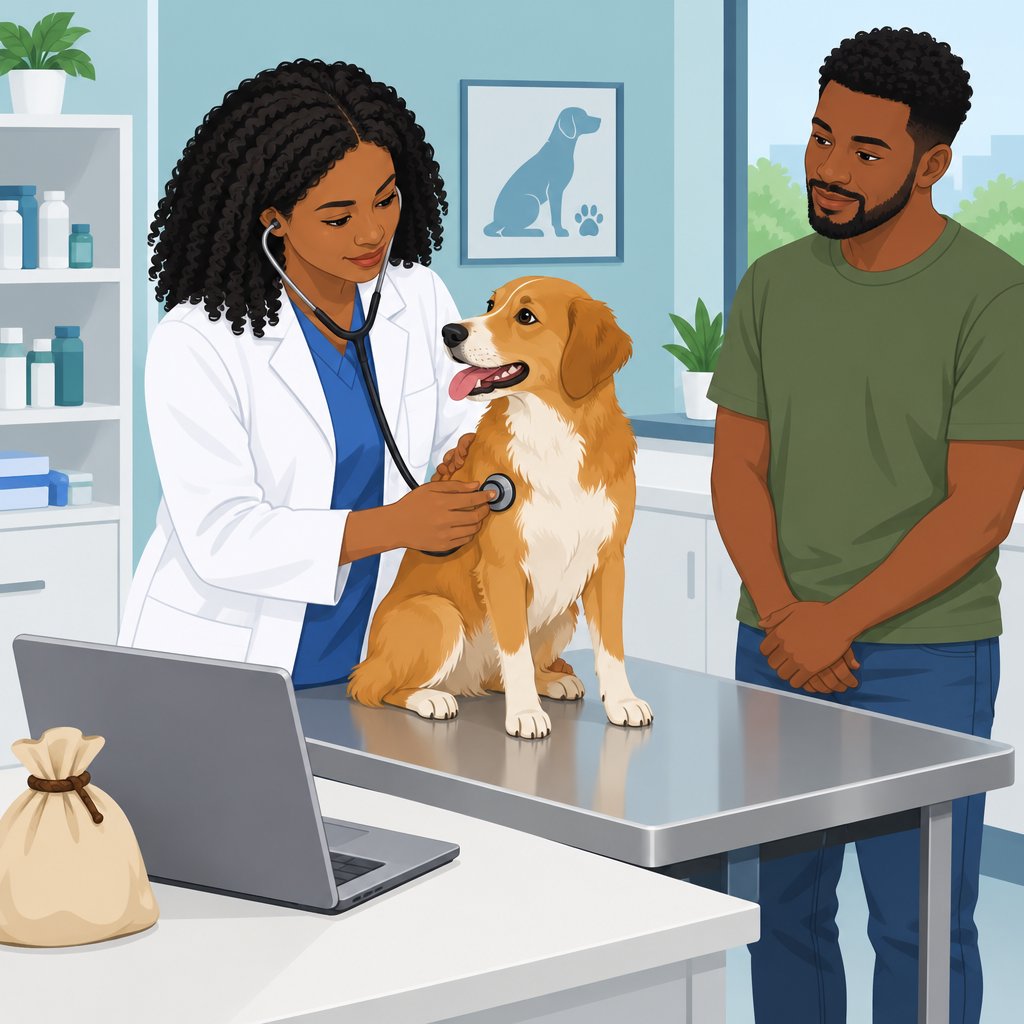
Economic Pressures on Veterinary Care
Inflation, currency devaluation, and low purchasing power have reduced demand for veterinary services.
Meanwhile, owners may prioritize other essential needs over animal healthcare.
Consequently, veterinary clinics may receive fewer visits and animals may miss preventive care.
Improving Access to Veterinary Services
Greater awareness can help owners understand the importance of timely veterinary care.
Additionally, supportive policies can encourage more affordable veterinary services.
Expanding insurance options could make animal healthcare more accessible and sustainable.
Explore Further: Anaesthesiology: Myths vs. Facts in Nigeria
Limited Access to Veterinary Education and Training
Veterinary practice in Nigeria faces limited access to education and training.
This shortage restricts opportunities for people seeking veterinary careers.
Consequently, the profession struggles to develop enough well-trained practitioners.
Inadequate Veterinary Schools and Training Programs
Nigeria has too few veterinary schools for the growing demand for trained veterinarians.
Therefore, existing schools face intense admission competition.
This competition limits the number of people who can pursue veterinary science.
Limited Continuing Education Opportunities
After graduation, practicing veterinarians often lack accessible professional development opportunities.
Consequently, they may struggle to follow advances in veterinary medicine.
Regular training would help them maintain current knowledge and improve animal care.
Inconsistent Quality of Veterinary Education
Some institutions may not meet required standards for veterinary education.
As a result, graduates may lack essential practical skills and professional knowledge.
This preparation gap can weaken their ability to practice veterinary medicine effectively.
Strengthening Veterinary Education and Training
Addressing these educational gaps remains essential for veterinary practice in Nigeria.
Expanding training access could reduce admission barriers for prospective veterinarians.
Meanwhile, continuing education and stronger standards could support more effective animal care.
Learn More: Importance of Mental Health Education in Nigeria
Disease Outbreaks and Effective Control Measures
Nigeria faces frequent disease outbreaks that threaten veterinary practice, livestock, and public health.
Avian Influenza, African Swine Fever, and Rift Valley Fever create serious risks for animal health.
Effective control requires vaccination, surveillance, and biosecurity measures that limit infection and support timely responses.
- Prevalence of Diseases: Infectious animal diseases affect livestock industries and may also threaten human health.
- Avian Influenza can spread rapidly among poultry and cause substantial economic losses.
- Inadequate Vaccination Programs: Comprehensive vaccination programs help protect animals from infections and reduce mortality.
- Without proper immunization, vulnerable animals face greater infection risks and increased mortality.
- Disease Surveillance Systems: Disease surveillance systems monitor and track illness spread.
- Underfunding and poor management can delay responses and containment in Nigeria.
- Challenges in Implementing Biosecurity Measures: Biosecurity measures help prevent disease spread on farms and in veterinary facilities.
- Awareness, resources, and enforcement challenges hinder implementation.
Nigeria can improve animal and human health by investing in vaccination and surveillance.
Promoting biosecurity measures can further strengthen disease control.
See Related Content: Risks and Benefits of Maxillofacial Surgery in Nigeria
Cultural Beliefs and Practices Affecting Veterinary Care
Cultural beliefs and practices can influence veterinary care in Nigeria.
Some communities trust traditional remedies or witchcraft when treating animal diseases.
Consequently, delayed or incorrect care can affect animal health.
- Superstitions surrounding animal health and treatment: Some communities use traditional remedies or witchcraft for animal diseases.
- These practices can delay treatment or encourage incorrect care.
- Reluctance to seek veterinary help: Some people consult traditional healers or spiritual leaders about animal health issues.
- However, traditional remedies may not effectively treat serious medical conditions in animals.
- Limited awareness of preventive care: Many Nigerian pet owners do not know the importance of regular check-ups.
- Furthermore, limited vaccination awareness can allow preventable diseases to spread among animals.
Government Support and Policy Action
- Veterinary practice in Nigeria faces multifaceted challenges that require urgent attention.
- Therefore, the government should provide support, adequate funding, and necessary policy changes.
- Addressing these challenges will strengthen animal health, public health, and Nigeria’s veterinary sector.
Additional Resources
Google search results for Challenges Facing Veterinary Practice in Nigeria Medical
Bing search results for Challenges Facing Veterinary Practice in Nigeria Medical


