




Restorative Dental Care and Healing
Restorative dental procedures help maintain oral health and restore normal function.
However, proper aftercare strongly influences healing and the restoration’s long-term success.
Following clear care instructions can support recovery and protect your oral health.
Immediate Care After Treatment
Allow the restoration time to set before eating or drinking.
Also, protect the treated area by choosing foods that place less pressure on it.
Meanwhile, careful cleaning helps keep the area free from infection.
- Wait several hours before eating or drinking so the restoration can set properly.
- Chew carefully and avoid hard or sticky foods that could damage the restoration.
- Gently brush and floss around the restored area to help prevent infections.
- Use prescribed mouthwash or warm salt water to clean the area and reduce swelling.
- Take prescribed medications as directed to manage pain and help prevent complications.
Habits That Support Recovery
Daily habits can affect healing and the restoration’s continued performance.
Therefore, avoid behaviors that may interfere with recovery or place unnecessary strain on the treated area.
Regular dental visits also help identify concerns and support ongoing oral health.
- Avoid smoking and tobacco products because they can interfere with healing and compromise the restoration.
- Attend follow-up appointments so your dentist can monitor healing and address concerns promptly.
- Limit alcohol consumption because it can slow healing and affect the restoration’s success.
- Handle the restored area gently and avoid excessive pressure that could cause damage.
- Stay hydrated and eat a balanced diet to support oral health and healing.
Maintaining Long-Term Restoration Health
Consistent aftercare supports the healing process after restorative dental treatment.
In addition, careful eating habits and gentle cleaning help protect the restored area.
Follow your dentist’s instructions to promote lasting results and maintain good oral health.
Following Dentist Instructions After Treatment
After a restorative procedure, follow every instruction provided by your dentist.
Your dentist tailors these guidelines to your specific situation and recovery needs.
Careful adherence supports healing and helps reduce the risk of complications.
- Follow all instructions about oral hygiene.
- Follow dietary guidance during recovery.
- Take medications as directed by your dentist.
- Observe any activity restrictions provided after treatment.
Why Post-Procedure Instructions Matter
Your instructions promote proper healing after treatment.
They also help limit potential complications during recovery.
By following them, you actively support your own recovery process.
Attending Follow-Up Appointments
Attend every follow-up appointment scheduled by your dentist.
These visits allow your dentist to monitor healing and evaluate treatment progress.
They also provide opportunities to address concerns and adjust your treatment plan.
- Keep each scheduled appointment.
- Report concerns during follow-up visits.
- Follow the appointment schedule recommended for your needs.
What Follow-Up Visits May Include
Your dentist may examine the treated area during a follow-up visit.
They may also take X-rays when necessary.
The examination can reveal issues early and support prompt treatment.
Scheduling Ongoing Dental Reviews
The timing of follow-up visits depends on your procedure and healing process.
Your dentist will recommend a schedule based on your individual needs.
Appointments may occur from several days to several weeks after treatment.
Following instructions and attending reviews supports recovery and protects your oral health.
Aftercare Practices for Restorative Dental Work
After restorative treatment, careful mouth and tooth care supports proper healing and long-term success.
Use the specific post-care directions provided for your dental procedure.
These directions may include dietary restrictions, prescribed medication, and follow-up appointments.
Daily Hygiene and Protective Care
Brush your teeth at least twice daily with a soft-bristled toothbrush and fluoride toothpaste.
Floss daily to remove food particles and plaque between your teeth and along your gumline.
An antimicrobial mouthwash can reduce oral bacteria and support healing.
A mouthguard can protect vulnerable crowns or veneers during sleep or physical activities.
Consider a mouthguard when your restorative dental work needs additional protection.
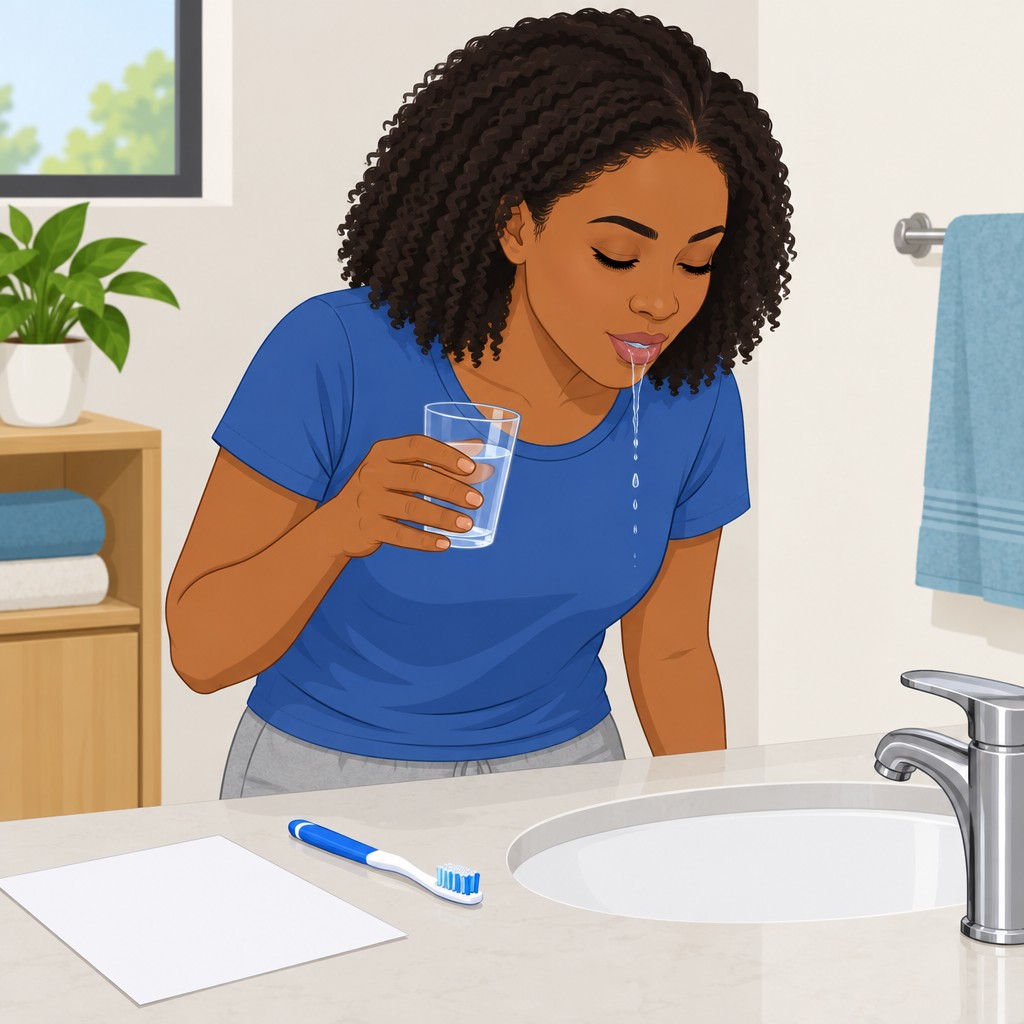
Food Choices and Healthy Daily Habits
Avoid hard or sticky foods that may damage your teeth or dental work.
Smoking and tobacco use can inhibit healing and increase the risk of complications.
Drink enough water to keep your mouth hydrated and support the healing process.
Choose a balanced diet that includes fruits, vegetables, lean proteins, and whole grains.
Transform Your Career with Expert Guidance
Get personalized mentorship consulting that’s tailored to your unique path. Our expert advice is actionable and exclusive.
Get StartedThese foods provide nutrients that support oral health and general well-being.
Ongoing Dental Visits and Oral Health Support
Continue regular dental check-ups and cleanings after your restorative procedure.
These visits allow your dentist to monitor your oral health and identify concerns early.
Your dentist can also provide further guidance for maintaining good oral hygiene at home.
Uncover the Details: Health Campaigns Against Parasites in Nigeria
Dietary Choices During Dental Recovery
Diet plays a crucial role in healing after restorative dental procedures.
Your food choices can affect oral health and recovery after treatment.
Therefore, choose foods that support healing and protect dental work.
How Diet Affects Healing
Poor dietary choices can impede healing and prolong recovery time.
Additionally, sugary foods can increase infection risk and delay healing.
A balanced, nutrient-rich diet can promote faster healing.
- Poor dietary choices can slow the healing process.
- Sugary foods can increase infection risk and delay healing.
- Nutrient-rich foods can support faster healing.
Foods to Avoid During Recovery
Sticky foods can cling to dental work during recovery.
Hard foods can dislodge or damage dental work.
Sugary and acidic foods can harm teeth or irritate healing tissues.
- Avoid sticky foods that can dislodge or damage dental work.
- Avoid hard foods that can damage dental work.
- Limit sugary snacks and drinks that can cause tooth decay and inflammation.
- Avoid acidic foods and beverages that can irritate healing tissues.
Foods That Support Healing
Soft foods can make chewing easier during recovery.
Protein-rich foods can support tissue repair.
Leafy greens, vitamin C-rich fruits, and nuts can support immunity and healing.
- Choose soft foods such as yogurt, soups, and smoothies.
- Include protein-rich foods such as eggs, lean meats, and legumes.
- Eat leafy greens, vitamin C-rich fruits, and nuts to support healing.
Find Out More: Future Prospects for Orthopaedic Tech in Nigeria
Managing Discomfort After Restorative Dental Treatment
Mild pain and discomfort commonly occur after restorative dental procedures.
Several simple measures can ease symptoms while your mouth recovers.
However, contact your dentist if pain becomes severe or lasts longer than expected.
- Use over-the-counter medicine: Take ibuprofen or acetaminophen according to package directions or your dentist’s advice.
- Apply an ice pack: Wrap it in cloth and apply it for fifteen to twenty minutes.
- Take breaks between applications to help prevent skin irritation or damage.
- Choose gentle foods: Eat soft foods requiring minimal chewing during recovery.
- Avoid hot, spicy, or acidic foods that may irritate treated gums.
- Rinse with salt water: Mix one teaspoon of salt into a glass of warm water.
- Gently rinse several times daily to help reduce inflammation and support healing.
- Stay hydrated: Drink plenty of water to help flush bacteria from your mouth.
- Avoid sugary or carbonated drinks because they may increase irritation.
- Rest adequately: Avoid strenuous activity and excessive talking while your mouth heals.
- Follow dental guidance: Use prescribed medicines and observe every post-operative instruction.
- Contact your dentist: Seek advice promptly if severe or prolonged pain develops.
Learn More: Scholarships for Nigerian Medical Students: Top Sources
Signs of Complications After Restorative Dental Procedures
After restorative dental procedures, patients should monitor their recovery for unusual changes.
Most minor symptoms improve as the mouth heals.
However, unusual changes can signal a complication requiring prompt dental advice.
Understanding Potential Complications
Postoperative pain commonly occurs after dental treatment and usually remains mild.
Over-the-counter pain medicine may help manage this discomfort.
However, worsening or prolonged pain may indicate infection or nerve damage.
Swelling and bruising can also develop after treatment.
These symptoms should gradually subside within a few days.
Seek prompt medical attention if swelling fails to improve or bleeding becomes excessive.
Temporary sensitivity to hot or cold temperatures may occur during recovery.
Persistent or worsening sensitivity may indicate nerve damage or an ill-fitting restoration.
Unusual discharge or foul odors from the treated area may signal an infection.
Contact your dentist immediately when these symptoms appear.
Steps to Take When Complications Arise
Contact your dentist promptly if you experience unexpected symptoms after treatment.
Describe your symptoms clearly so your dentist can recommend the appropriate next step.
Your dentist may schedule a follow-up examination to assess the treated area.
Alternatively, your dentist may provide instructions for managing symptoms at home.
Additional treatment may become necessary depending on the complication.
For example, your dentist may adjust a restoration that causes persistent pain.
An antibiotic may treat an infection when your dentist considers it appropriate.
In some cases, a root canal may address nerve damage.
Measures That May Reduce Complication Risks
Some complications cannot be prevented, but careful habits may reduce their likelihood.
Brush and floss regularly to help prevent infections and other oral health problems.
Follow your dentist’s aftercare instructions carefully throughout your recovery.
Avoid hard or sticky foods when your dentist recommends limiting them.
Also, refrain from smoking or using tobacco products after treatment.
Regular dental check-ups and cleanings can help identify developing problems early.
Your dentist may suggest preventive measures based on your individual needs.
Stay attentive to your oral health and report unusual symptoms without delay.
Delve into the Subject: Common Mental Health Disorders Among Nigerians
Supporting Oral Health After Restoration
Proper aftercare supports successful outcomes after restorative dental procedures.
Furthermore, following recommended care promotes effective healing and reduces the risk of complications.
Good oral health also supports general well-being and helps maintain a healthy smile.
Therefore, follow your dentist’s instructions carefully to encourage positive results.
By protecting your oral health, you invest in your long-term well-being.
Additional Resources
Google search results for Aftercare Tips for Restorative Dental Procedures Medical
Bing search results for Aftercare Tips for Restorative Dental Procedures Medical


