



Patient Experience in Nigerian Radiology Departments
Patient experience in Nigerian radiology departments remains a critical part of healthcare delivery.
These departments can strongly influence patients’ satisfaction and well-being.
This section explores challenges and opportunities for improving patient experience in Nigerian radiology departments.
Moreover, healthcare providers must prioritize patient experience because it directly affects care quality.
Focusing on Nigerian radiology departments helps address issues unique to this region.
Better experiences can support improved patient outcomes.
They can also strengthen efficiency across the healthcare system.
Therefore, radiology departments should treat patient experience as an essential care priority.
Radiology Departments in Nigeria
Radiology departments provide diagnostic imaging services throughout Nigeria.
Hospitals, clinics, and specialized imaging centers commonly host these departments.
They use several imaging modalities to support diagnosis and treatment.
Services Offered in Radiology Departments
These departments offer a broad range of diagnostic imaging services to patients.
For example, X-rays capture images of bones and internal organs.
Meanwhile, other modalities produce detailed images of soft tissues and internal structures.
- X-rays capture images of bones and internal organs.
- Ultrasound produces images of various soft tissues in the body.
- CT scans provide detailed cross-sectional images of the body.
- MRI produces detailed images of organs, tissues, and internal structures.
- Mammography supports breast cancer screening and diagnosis.
Challenges Facing Radiology Departments
Despite their value, radiology departments in Nigeria face several operational challenges.
These difficulties can delay diagnosis and affect the quality of patient care.
Furthermore, limited resources can reduce departmental efficiency and service availability.
- Many departments lack modern imaging equipment, which can delay diagnosis and treatment.
- Shortages of qualified radiologists and technicians can hinder departmental efficiency.
- Outdated facilities and inadequate infrastructure can limit optimal patient care.
- Limited funding and insufficient government support can restrict departmental development.
- High patient demand can create overcrowding and long waits for imaging services.
Factors Influencing Patient Experience in Radiology Departments
Several factors influence patient experience in radiology departments.
These factors can greatly affect how patients perceive their visits.
Waiting times, staff attitudes, communication, and facilities all shape that experience.
- Waiting times
- Staff attitudes
- Communication
- Facilities
Long waiting times can create frustration and anxiety.
Consequently, they may affect the patient’s overall experience.
Staff attitudes also help patients feel comfortable and cared for during their visits.
Effective communication helps staff prevent misunderstandings and dissatisfaction.
Additionally, clean facilities and well-maintained equipment can influence patient perceptions.
Cultural and societal factors also shape patient experiences in radiology departments.
In Nigeria, cultural beliefs and practices can influence how patients interact with healthcare providers.
They can also affect how patients perceive the care they receive.
For example, cultural norms may shape preferences for specific procedures or treatments.
Socioeconomic factors can affect access to care and the broader patient experience.
Financial constraints may limit the options available to patients.
Gain More Insights: Prominent Nigerian Nutrition and Dietetics Associations
Radiology departments in Nigeria can improve patient experience through several practical strategies.
These strategies can strengthen care quality and service delivery.
They focus on waiting times, communication, staff development, education, and technology.
Reducing Waiting Times
Departments can improve patient flow by managing appointments carefully.
Efficient scheduling can reduce waiting times for patients.
Appropriate appointment spacing can prevent overcrowding in waiting areas.
- Implement efficient scheduling systems to reduce patient wait times.
- Space appointments appropriately to prevent overcrowding in waiting areas.
- Review and optimize workflow processes regularly to streamline patient movement.
- Use patient portals for appointment scheduling and improved patient flow management.
Improving Communication
Clear communication can reduce anxiety and confusion during imaging procedures.
Staff can improve preparation by explaining each examination clearly.
Transform Your Career with Expert Guidance
Get personalized mentorship consulting that’s tailored to your unique path. Our expert advice is actionable and exclusive.
Get StartedOpen dialogue also helps staff address patient concerns promptly.
- Explain procedures clearly to help patients understand what to expect.
- Provide clear preparation instructions before imaging examinations.
- Encourage open dialogue and address patient concerns promptly.
- Train staff in compassionate communication techniques.
Staff Training and Education
Well-trained staff can provide more consistent and competent patient care.
Continuous education helps staff stay familiar with imaging technologies and procedures.
Empathy training can help staff respond more effectively to patient emotions.
- Provide continuous training on updated imaging technologies and procedures.
- Teach empathy to help staff understand and respond to patient emotions.
- Conduct regular performance evaluations and feedback sessions.
- Support ongoing education and professional development.
Using Technology to Support Patients
Technology can improve information sharing and coordination within radiology departments.
Electronic medical records can help staff access relevant patient information.
Digital tools can also help patients access appointments, reports, and results.
- Implement electronic medical records to support information sharing and care coordination.
- Use imaging technology advancements to improve diagnostic accuracy and results delivery.
- Offer online access to imaging reports and results.
- Use mobile applications for appointment reminders and patient engagement.
Patient-centered care can combine shorter waits, clearer communication, and stronger staff preparation.
Technology can support coordinated services and easier access to imaging information.
These improvements can help radiology departments deliver more positive patient experiences.
Gain More Insights: Profiles of Renowned Nigerian Physiologists
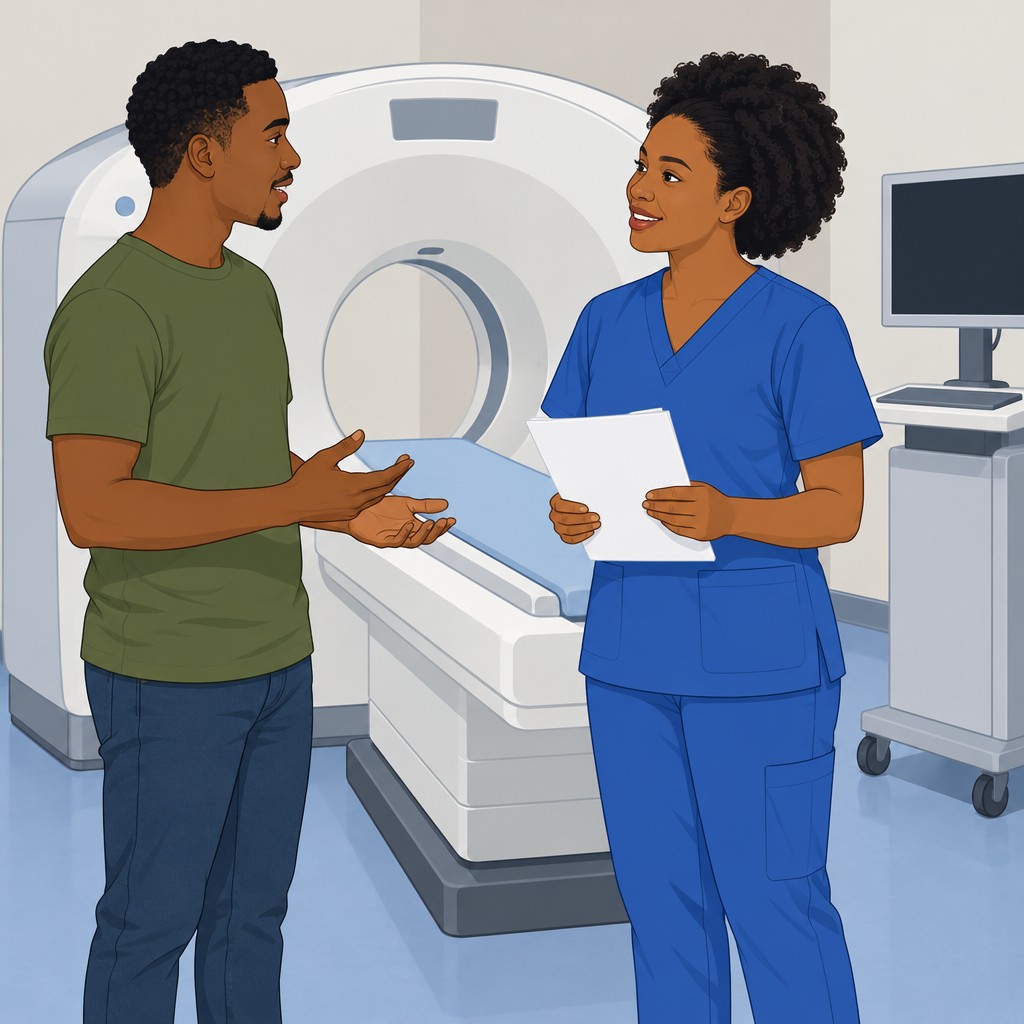
Patient Experiences in Nigerian Radiology Departments
Patients often commend radiologists for their knowledge and clear explanations of imaging procedures.
Many patients also value professional and expert radiology services.
However, some patients feel neglected, uninformed, or dissatisfied with department services.
Positive Experiences
- A patient in Lagos valued the radiologist’s kindness and careful attention during the imaging procedure.
- Another patient in Abuja praised prompt results and follow-up care from the radiology department.
- A patient in Port Harcourt valued the department’s cleanliness and organized environment.
Negative Experiences
- In Ibadan, a patient felt ignored and received little communication about the test results.
- In Enugu, outdated equipment caused discomfort during an imaging procedure.
- In Kano, a patient faced long waits and a crowded radiology department waiting area.
Effects on Patient Outcomes and Satisfaction
Positive radiology experiences can improve outcomes by building trust and supporting treatment compliance.
Patients who feel well cared for often follow appointments and radiologists’ recommendations.
Conversely, negative experiences can delay diagnosis and treatment.
They can also reduce satisfaction and discourage patients from seeking needed imaging.
Patient-centered radiology care can therefore support better healthcare outcomes and satisfaction in Nigeria.
You Might Also Like: Nigerian Dietitians' Guide to Specialization Paths
Patient Feedback and Satisfaction Surveys
Patient feedback helps radiology departments improve services and understand patient needs.
It provides valuable insights into care quality, communication, and the overall patient experience.
Radiology departments can use this information to support patient-centered care and service excellence.
Importance of Patient Feedback
Feedback reveals how patients perceive the care and services they receive.
Patients can share their views through surveys, comment cards, or direct communication with healthcare providers.
Furthermore, departments can identify strengths and improvement areas by reviewing patient comments.
Patient Satisfaction Surveys
Satisfaction surveys measure patient experience and satisfaction levels within radiology departments.
These surveys commonly examine waiting times, staff courtesy, communication, cleanliness, and overall experience.
By analyzing survey results, managers can identify service trends and address recurring concerns.
Using Feedback to Improve Services
Radiology departments can use feedback to make meaningful improvements in service delivery.
For example, frequent complaints about waiting times may encourage managers to review scheduling practices.
Departments may also adjust staffing levels during busy periods to reduce delays.
Additionally, feedback can help staff address communication gaps with patients.
Clear communication keeps patients informed about procedures, results, and follow-up care.
Positive comments can also show which staff practices or services patients value most.
Radiology departments can then strengthen these successful aspects of care.
Regular feedback collection supports informed decisions and encourages continuous service improvement.
Explore Further: Nursing Science: Role in Nigerian Healthcare System
Collaboration with Patients
Patients should actively participate in care decisions within radiology departments.
- Provide patients with information about their condition and treatment options.
- Encourage patients to ask questions and express their concerns.
- Seek patient feedback to improve the quality of care provided.
Empowering Patients to Participate
Radiology departments can empower patients to take an active role in their healthcare.
- Involve patients in creating their care plans and setting goals.
- Encourage patients to track symptoms and report changes to healthcare providers.
- Provide patients with access to their medical records and test results.
Benefits of Patient-Centered Care
Patient-centered care provides several benefits within radiology departments.
- This approach improves patient satisfaction and the overall experience.
- It enhances communication between patients and healthcare providers.
- It increases patient compliance with treatment plans.
- It supports better outcomes and reduces healthcare costs over time.
Improving Patient Experience in Radiology Departments
Radiology departments in Nigeria can strengthen care by prioritizing how patients experience every stage of imaging services.
Patients deserve respectful treatment, clear information, and consistent support throughout their visits.
These priorities can help healthcare providers deliver care that recognizes patient needs.
Moreover, departments should assess communication, waiting times, and staff conduct as connected parts of service quality.
Patient feedback can reveal where services fall short and guide practical improvements.
Regular assessments can help providers monitor progress and respond to changing patient needs.
Therefore, continuous research and improvement should remain central to radiology service development.
By applying patient perspectives, providers can strengthen satisfaction and improve the quality of radiological care.
Additional Resources
Google search results for Patient Experience in Radiology Departments in Nigeria Health Sciences
Bing search results for Patient Experience in Radiology Departments in Nigeria Health Sciences


