



Introduction
Radiography is a medical profession that uses imaging techniques to diagnose and treat diseases.
Specializing in radiography helps professionals focus on specific areas of expertise.
Moreover, specialization develops skills and knowledge in MRI, CT scans, and ultrasound.
This expertise helps professionals provide specialized care and support accurate diagnoses.
Radiography in Nigeria
Radiography supports diagnosis and treatment within Nigeria’s healthcare system.
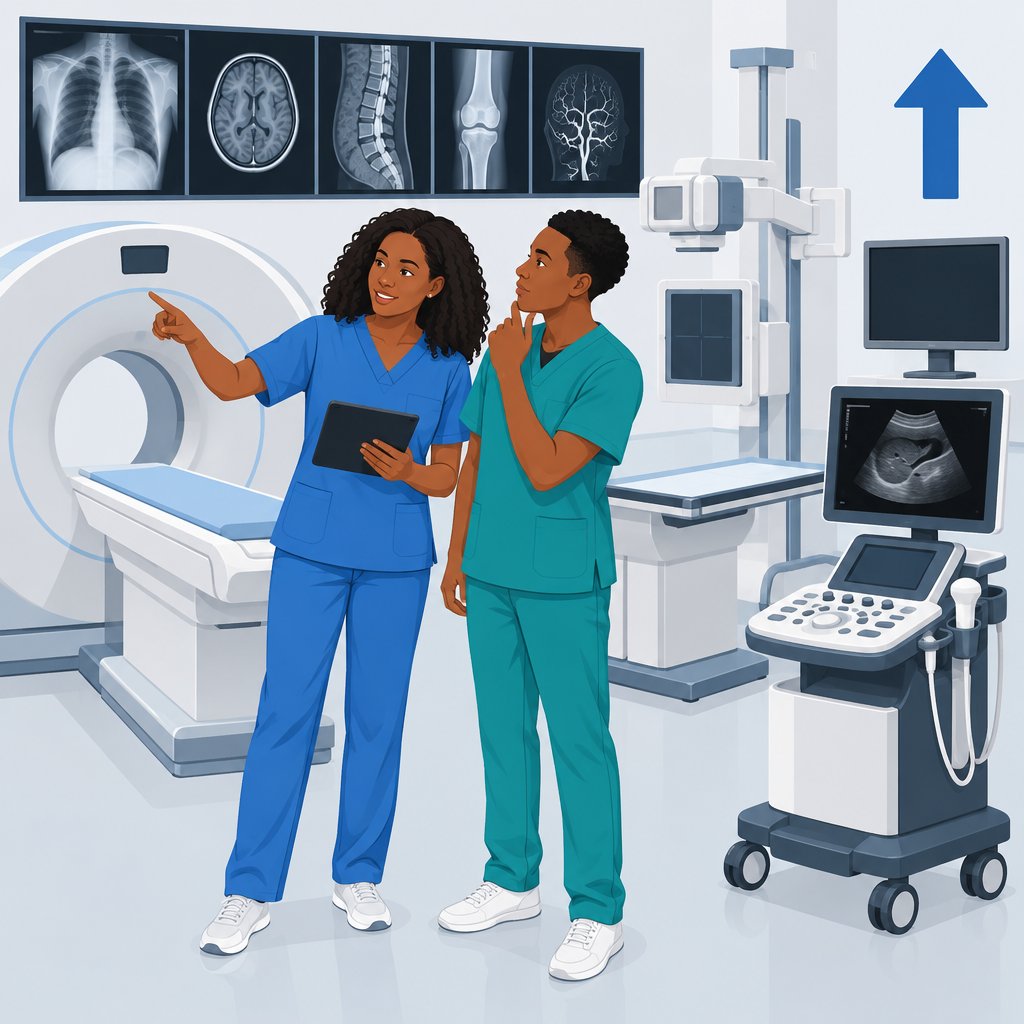
Professionals use X-rays, CT scans, and MRI to create detailed images of internal body structures.
Technological advances have expanded radiography roles and increased specialization opportunities in Nigeria.
As healthcare services expand, demand for specialized radiography professionals is expected to increase.
Radiography Specialization Options in Nigeria
Radiography offers several specialization options for professionals in Nigeria.
These pathways let professionals focus on areas that match their interests and skills.
Specialized training strengthens their knowledge and supports career advancement.
These roles also help professionals contribute to patient care and imaging services.
Available Radiography Specializations
- Radiography with Specialization in Magnetic Resonance Imaging: MRI radiographers operate MRI machines and interpret the images produced.
- Radiography with Specialization in Computed Tomography: CT radiographers produce cross-sectional images that support diagnosis and disease monitoring.
- Radiography with Specialization in Radiation Therapy: Radiation therapy radiographers help deliver targeted treatment to cancer patients.
- Radiography with Specialization in Interventional Radiology: Interventional radiographers assist radiologists during image-guided, minimally invasive procedures.
- Radiography with Specialization in Pediatric Radiology: Pediatric radiographers use specialized techniques when imaging children and minimizing radiation exposure.
These specializations provide diverse career opportunities within Nigeria’s healthcare sector.
They also help radiographers remain engaged with evolving medical imaging technologies.
By pursuing specialized expertise, radiographers can strengthen their impact on patient care.
Improved knowledge and skills can support better outcomes and quality of care.
Radiography Specializations in Nigeria
Nigeria offers several radiography specializations within medical imaging and treatment.
Each specialization supports healthcare delivery through distinct technical responsibilities.
Furthermore, these fields provide different opportunities for radiography professionals.
- Diagnostic Radiography: This field uses imaging techniques to support medical diagnosis.
- Radiotherapy: This specialization uses radiation to treat cancer and other medical conditions.
- Nuclear Medicine: This field uses radioactive substances for disease imaging and treatment.
Diagnostic Radiography
Diagnostic radiographers produce medical images with X-rays, ultrasound, MRI, and CT scans.
These images help medical practitioners identify various conditions and develop appropriate treatment plans.
Therefore, radiographers need strong technical abilities and careful attention to detail.
In Nigeria, diagnostic radiographers work in hospitals, clinics, and diagnostic centers.
They collaborate with other healthcare professionals to support accurate and timely diagnosis.
Radiotherapy Services
Radiotherapy uses radiation to treat cancer and certain non-cancerous conditions.
Radiographers work with oncologists to deliver targeted radiation therapy to patients.
In Nigeria, radiotherapy may support cancer treatment independently or alongside surgery and chemotherapy.
Radiotherapy radiographers plan treatment sessions and operate specialized treatment equipment.
They also monitor patient responses and provide emotional support during treatment.
Consequently, these professionals require rigorous training for safe and effective radiation delivery.
Nuclear Medicine Practice
Nuclear medicine uses radioactive substances to image and treat several diseases.
These conditions include cancer, heart conditions, and neurological disorders.
Nuclear medicine radiographers work with physicians and technologists during patient procedures.
They administer radioactive tracers and perform specialized imaging scans.
Additionally, they follow radiation safety procedures while supporting accurate disease assessment.
They also assist medical professionals with image interpretation and treatment planning.
Career Opportunities in Radiography
These specializations create diverse career opportunities within Nigeria’s healthcare sector.
Each field contributes to patient care through imaging, treatment, or disease assessment.
Ultimately, radiography professionals support improved patient outcomes and advancing medical imaging practices.
Explore Further: Essential Textbooks for Physiology Students
Transform Your Career with Expert Guidance
Get personalized mentorship consulting that’s tailored to your unique path. Our expert advice is actionable and exclusive.
Get StartedEducational Requirements for Specialization
- Bachelor’s degree in Radiography as the minimum requirement.
- Additional training and certifications for each specialization.
- Postgraduate study opportunities in Radiography.
Radiography specialization requires a bachelor’s degree as the minimum educational foundation.
Each specialization also requires additional training and relevant certifications.
Postgraduate study offers further opportunities to develop radiography knowledge and expertise.
Bachelor’s Degree in Radiography
A Bachelor’s degree in Radiography provides the foundation for specialization in Nigeria.
The program develops knowledge of medical imaging techniques and radiographic procedures.
Students also learn about radiation safety and patient care.
Additional Training and Certifications
Radiographers need further training to specialize in a particular area.
They also obtain certifications related to their chosen specialization.
These qualifications develop the advanced skills required for specialized practice.
Opportunities for Postgraduate Studies
Radiographers in Nigeria can pursue postgraduate studies to expand their professional knowledge.
Master’s and doctoral programs allow learners to examine specialized areas more deeply.
These programs also support research and contribution to radiography’s advancement.
See Related Content: Tips for Aspiring Dietitians in Nigeria
Radiography Career Opportunities
Radiography specializations provide diverse career opportunities across Nigeria’s healthcare sector.
Each specialization gives professionals distinct responsibilities and opportunities for professional development.
Career choices depend on professional interests, clinical skills, and specialized training.
- Diagnostic radiographers perform X-rays, CT scans, and MRIs to support medical diagnosis.
- They communicate with patients, operate imaging equipment, and collaborate with healthcare professionals.
- Therapeutic radiographers deliver radiation treatments to patients receiving cancer care.
- They plan treatments, educate patients, and monitor responses during radiation therapy.
- Nuclear medicine professionals use radioactive materials to diagnose and treat medical conditions.
- They administer radioactive substances, operate specialized equipment, and interpret scan results.
Work Settings for Radiography Professionals
Radiography professionals can work in several healthcare environments throughout Nigeria.
These settings allow radiographers to support diagnosis, treatment, and patient care.
Work responsibilities vary according to the facility, equipment, and chosen specialization.
- Hospitals employ radiographers in imaging departments, emergency rooms, operating rooms, and other clinical areas.
- Diagnostic centers provide imaging services, including X-rays, CT scans, MRIs, and ultrasound scans.
- Cancer treatment centers employ therapeutic radiographers to deliver radiation therapy.
Radiography Salaries and Career Progression
Radiography salaries in Nigeria vary according to specialization, experience, and location.
Professionals can progress through supervisory and managerial roles as they gain experience.
Additional training and specialization can create further opportunities for career advancement.
- Entry-level radiographers may earn NGN 50,000 to NGN 100,000 monthly.
- Experienced radiographers may earn NGN 100,000 to NGN 200,000 monthly.
- Senior radiographers and department heads may earn NGN 200,000 or more monthly.
- Experienced professionals may advance into supervisory or managerial positions.
- Specialization can support progression into advanced professional roles.
Explore Further: Career Opportunities in Medical Biochemistry Nigeria
Challenges and Rewards of Specialization
Radiography specialists in Nigeria encounter professional challenges while pursuing specialized practice.
Nevertheless, specialization can improve patient care, support career growth, and encourage continuous professional development.
These benefits make specialization valuable despite limitations within the healthcare environment.
Challenges Facing Radiography Specialists in Nigeria
Radiography specialists in Nigeria face limited opportunities for specialization across different areas.
Unlike professionals in more developed countries, Nigerian radiographers often have fewer subspecialty options.
Consequently, some professionals cannot pursue their preferred areas because specialized training programs remain limited.
Healthcare facilities also lack adequate resources and modern imaging equipment.
This shortage can limit radiographers’ ability to provide accurate diagnostic services.
Specialists may experience additional difficulties when their work requires advanced equipment.
Furthermore, Nigerian healthcare systems may not fully recognize radiography specialists as essential healthcare team members.
Some institutions view radiographers as support staff rather than professionals with specialized responsibilities.
As a result, specialists may feel discouraged after investing years in education and professional practice.
Rewards of Specialized Radiography Practice
Despite these challenges, specialized radiography can provide meaningful professional rewards.
Specialists can make significant contributions to patient care through focused knowledge and technical expertise.
In turn, their expertise can support more accurate diagnoses and improve patient outcomes.
Specialization also creates opportunities for career advancement and professional development.
Employers may value radiographers who possess specialized training and advanced skills.
Therefore, specialists may access stronger career prospects and higher salaries than generalist radiographers.
Additionally, specialized practice encourages professionals to keep learning and improving their abilities.
This ongoing development can provide intellectual stimulation and personal fulfillment.
It also helps radiographers remain familiar with developments relevant to their chosen areas.
Continuous Learning and Skill Development
Continuous learning remains essential for radiography specialists in Nigeria.
Radiography continues to develop as professionals introduce new technologies and techniques.
Radiographers must therefore update their knowledge to provide effective patient care.
Ongoing training also enables specialists to develop deeper expertise in their chosen areas.
With stronger skills, radiographers can contribute more effectively to patient care.
Moreover, advanced knowledge can help professionals become leaders within their specialized fields.
This development benefits individual radiographers and strengthens healthcare services in Nigeria.
Radiography specialists should therefore pursue specialization while maintaining a commitment to professional excellence.
Explore Further: Chemical Pathology Residency Programs in Nigeria
Impact of Specialization on Healthcare Delivery
Specialization in radiography strengthens healthcare delivery through focused knowledge and skilled imaging services.
It enables professionals to address particular patient needs with greater attention and consistency.
These focused services can support accurate assessment, treatment planning, and coordinated care.
- Specialized imaging services for patient care.
- Radiography expertise that supports diagnostic accuracy and treatment outcomes.
- Collaboration with healthcare professionals to coordinate patient care.
Contribution of Specialized Radiography Services to Patient Care
Specialized radiography services provide tailored imaging support for different patient groups.
For example, cardiac imaging and pediatric radiology address distinct clinical requirements.
Consequently, specialists can help clinicians select more targeted and effective care approaches.
Role of Radiography Specialists in Diagnostic Accuracy
Radiography specialists interpret complex scans within their focused areas of practice.
They can identify subtle abnormalities that general radiographers may miss.
Therefore, their expertise can improve diagnostic accuracy and guide suitable treatment plans.
Collaboration with Healthcare Professionals
Specialists work closely with physicians, surgeons, and oncologists during patient care.
They share imaging findings to support comprehensive treatment planning.
Multidisciplinary collaboration also helps coordinate care around each patient’s health needs.
Through this teamwork, radiography specialists contribute to improved patient care and treatment outcomes.
Importance of Radiography Specializations
Specialization gives radiographers deeper knowledge and practical expertise within selected imaging fields.
It can strengthen diagnostic accuracy and support attentive patient care in Nigerian healthcare settings.
Radiographers may develop focused abilities in MRI, CT, ultrasound, and nuclear medicine.
Professional Benefits of Specialization
Radiographers can pursue specialization to distinguish themselves within Nigeria’s competitive healthcare environment.
Specialized expertise may expand earning potential and create additional professional opportunities.
Furthermore, focused training supports career advancement and recognition within a chosen practice area.
Growth and Future Prospects
Nigerian hospitals and clinics may require more radiographers with specialized capabilities.
These professionals can support improved patient outcomes and more efficient healthcare delivery.
Therefore, specialized training can contribute to a fulfilling and successful radiography career.
Expanding Opportunities in Specialized Practice
Specialized radiographers can play an important role within Nigeria’s evolving healthcare system.
Their focused skills can help healthcare facilities address imaging needs with greater precision.
As opportunities expand, specialization can provide radiography professionals with meaningful long-term career growth.
Additional Resources
Google search results for Radiography Specializations: Options Available in Nigeria Health Sciences
Bing search results for Radiography Specializations: Options Available in Nigeria Health Sciences


