



Licensing and Certification for Radiographers
In Nigeria, licensing and certification help radiographers provide quality healthcare services.
These requirements also confirm professional competence and support adherence to radiography standards.
Furthermore, bodies such as the Radiographers Registration Board of Nigeria (RRBN) oversee licensing and certification.
Educational Requirements for Radiographers in Nigeria
Radiographers in Nigeria must complete approved education before entering professional practice.
This training develops the knowledge and practical abilities required for radiographic work.
Additionally, formal education helps candidates meet established professional expectations.
Core Educational Requirements
Prospective radiographers must earn a Bachelor’s degree in Radiography or Medical Imaging Science.
They must study at an accredited institution recognized by relevant regulatory bodies.
Furthermore, candidates must complete required coursework, practical training, and clinical experience.
- A minimum of a Bachelor’s degree in Radiography or Medical Imaging Science is required.
- Students must attend an accredited institution recognized by relevant regulatory bodies.
- Candidates must complete required credit hours in radiography-related coursework.
- Practical training and clinical experience form essential parts of the program.
Required Training and Coursework
Radiography programs combine scientific instruction with practical preparation.
Students learn how imaging procedures support the assessment of diseases and medical conditions.
They also develop skills for operating imaging equipment and protecting patients from radiation.
- Anatomy and physiology explain the human body’s structure and functions.
- Radiographic pathology examines diseases and conditions identified through medical imaging.
- Radiographic techniques teach accurate imaging procedures and equipment use.
- Radiation protection promotes safety for patients and healthcare staff.
Value of Formal Radiography Education
Formal education prepares radiographers to perform their responsibilities with appropriate technical knowledge.
It also supports consistent practice by aligning training with professional standards.
Moreover, continued learning helps radiographers follow developments within their field.
- Academic training equips radiographers with skills for effective professional practice.
- Required education helps maintain consistent standards throughout the profession.
- Formal learning supports professional development and awareness of advances in radiography.
- Well-prepared radiographers can support accurate imaging and improved patient care.
Therefore, aspiring radiographers should complete accredited education, relevant coursework, and supervised clinical training.
Licensing Process for Radiographers in Nigeria
Radiographers in Nigeria follow a defined process before practicing legally.
The process confirms that applicants meet the required professional standards.
Applicants must complete several steps through the Radiographers Registration Board of Nigeria.
Application Steps for Radiographers
Applicants begin by submitting an application to the RRBN.
They must document their recognized radiography education.
They also need to satisfy examination, practical experience, and fee requirements.
- Submit an application to the Radiographers Registration Board of Nigeria.
- Provide proof of completing a recognized radiography program.
- Pass the licensing examination administered by the RRBN.
- Complete specified practical experience hours in a clinical setting.
- Pay the required licensing fee to the RRBN.
Requirements for Obtaining a Radiography License
The RRBN administers the licensing examination.
Applicants must complete specified practical experience hours in a clinical setting.
They must also provide proof of completing a recognized radiography program.
Importance of Legal Radiography Practice
A license validates a radiographer’s qualifications.
It confirms that the practitioner meets necessary professional standards for practice.
Without a license, radiographers cannot legally perform radiography services in Nigeria.
Furthermore, licensing protects patients and practitioners from risks associated with unauthorized services.
Employers and patients can view licensure as evidence of competence and qualification.
Learn More: Medical Lab Science Curriculum in Nigerian Universities
Certification Levels for Radiographers in Nigeria
Radiographers in Nigeria can pursue certification after obtaining a license.
Certification demonstrates advanced competency in radiography.
These certification levels reflect different expertise and experience.
- Basic Certification: Entry-level radiographers can obtain Basic Certification after completing recognized training and passing required examinations.
- Advanced Certification: Experienced radiographers can pursue Advanced Certification in specific radiography areas.
- Master Certification: Master Certification provides another available certification level for radiographers.
Certification and Advanced Professional Competency
Certification validates radiographers’ skills and knowledge in the field.
It also helps radiographers demonstrate advanced competency and specialization.
Furthermore, certification supports safe and high-quality patient care.
- Recognition of Expertise: Certification helps radiographers show their expertise to employers, colleagues, and patients.
- Career Advancement: Certification can support career advancement, higher salaries, and leadership opportunities.
- Quality Patient Care: Certified radiographers can provide high-quality care through demonstrated skills and knowledge.
Delve into the Subject: Professional Dietetic Practice in Nigeria Explained
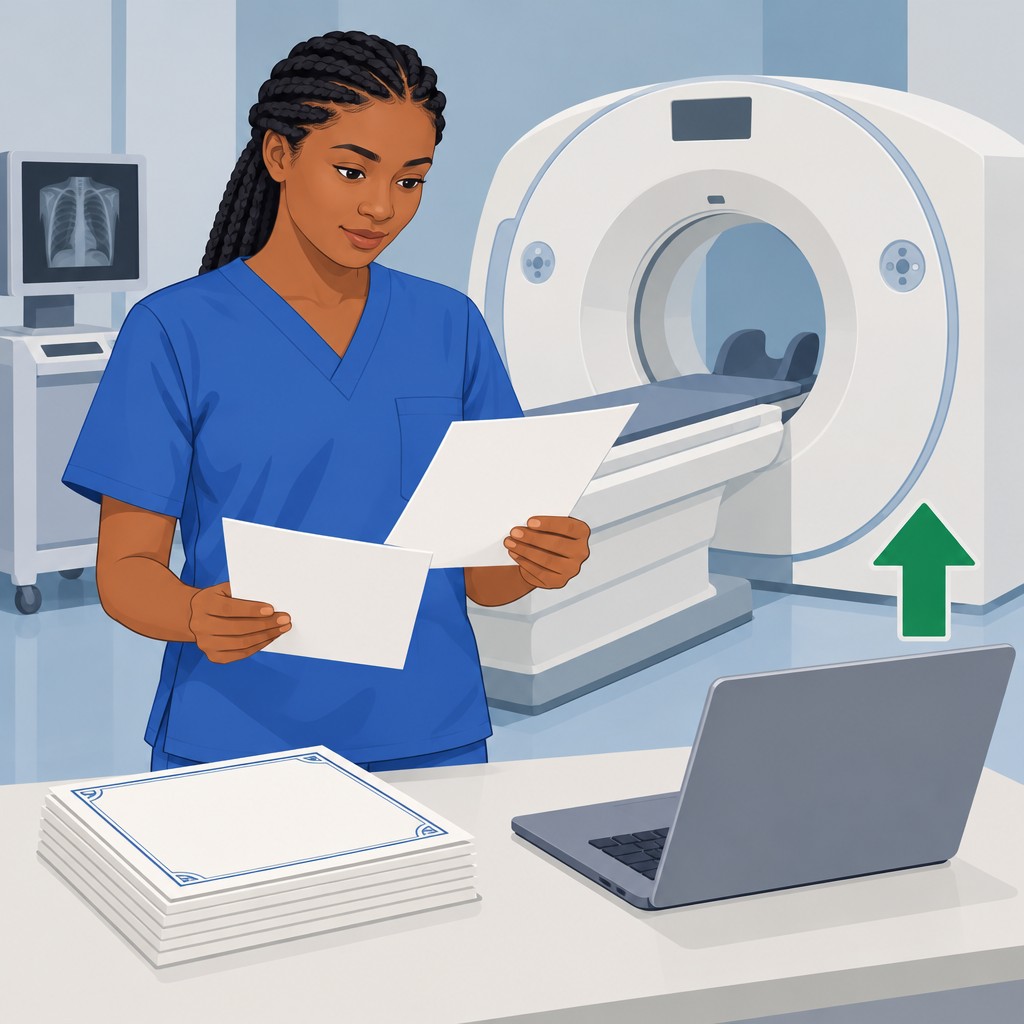
Continuing Education Requirements for Radiographers
Continuing education remains mandatory for radiographers renewing their licenses in Nigeria.
They must complete a specified number of continuing education units within a defined period.
Transform Your Career with Expert Guidance
Get personalized mentorship consulting that’s tailored to your unique path. Our expert advice is actionable and exclusive.
Get StartedRadiographers can earn these units through workshops, seminars, conferences, or online courses.
Furthermore, continuing education keeps radiographers informed about advancements in radiography.
This training helps radiographers strengthen their knowledge and skills for quality patient care.
It also introduces new technologies and techniques used within the field.
Additionally, continuing education helps radiographers understand regulatory changes and current best practices.
Consequences of Missing Continuing Education Requirements
Failure to meet continuing education requirements can create serious consequences for radiographers.
For example, authorities may suspend a radiographer’s license or certification.
Without valid credentials, radiographers cannot practice legally and may face disciplinary action.
See Related Content: Role of Radiology in Nigerian Healthcare System
Challenges Faced in Licensing and Certification for Radiographers in Nigeria
Radiographers in Nigeria may face several obstacles during licensing and certification.
These obstacles can affect access to training, examinations, and required professional documentation.
Understanding these challenges helps radiographers plan effectively and seek appropriate support.
Common Challenges During Licensing and Certification
- Radiographers often struggle to find accredited training programs that meet licensing requirements.
- Licensing examinations and certification processes may impose significant financial pressure on radiographers.
- Different state requirements can create confusion when authorities lack standardized licensing guidelines.
Barriers to Obtaining a Professional License
- Bureaucratic procedures can delay applications and make regulatory requirements difficult to navigate.
- Radiographers with limited English proficiency may face difficulties during English-language licensing examinations.
- Limited facilities and equipment can prevent radiographers from completing required licensing activities.
Strategies for Navigating the Licensing Process
- Mentorship can help radiographers understand licensing procedures and receive practical guidance.
- Professional associations can support advocacy for clearer and more efficient licensing policies.
- Continuous education helps radiographers maintain current knowledge and strengthen their professional readiness.
Delve into the Subject: Notable Public Health Technologists in Nigeria
Professional Accountability in Nigerian Radiography
Radiographers strengthen healthcare quality when they maintain valid licenses and certifications.
These credentials demonstrate professional commitment and support compliance with established industry standards.
Consequently, patients receive safer services, while the healthcare system gains greater credibility.
Benefits of Maintaining Professional Credentials
Licensing and certification help radiographers uphold professional ethics and maintain high practice standards.
They also help radiographers provide services that meet accepted professional expectations.
Therefore, radiographers should treat credential maintenance as an essential professional responsibility.
Professional Development Through Licensing
Radiographers can advance their careers by prioritizing licensing and certification requirements.
Moreover, maintaining professional credentials encourages radiographers to strengthen their knowledge and practical abilities.
This investment supports individual growth and contributes to a stronger healthcare sector in Nigeria.
Staying Informed About Radiography Requirements
Radiographers and aspiring professionals should learn the requirements governing practice in Nigeria.
They should also monitor regulatory updates and follow current licensing and certification guidance.
By taking these steps, radiographers can support continued competence and professionalism in their work.
Additional Resources
Google search results for Licensing and Certification for Radiographers in Nigeria Health Sciences
Bing search results for Licensing and Certification for Radiographers in Nigeria Health Sciences


