



Introduction
In Nigeria, prostheses play a crucial role in the lives of disabled community members.
Understanding their impact remains essential for these individuals.
This impact relates directly to their overall well-being.
Availability and Affordability of Prosthetic Devices
Prosthetic devices remain difficult to access in Nigeria because resources and infrastructure are limited.
However, high prices prevent many disabled Nigerians from obtaining suitable prosthetic devices.
Moreover, limited government funding makes essential prosthetic services less affordable for low-income households.
- Specialized facilities and trained professionals remain scarce, reducing access to quality prosthetic devices.
- High costs place prosthetic limbs and other devices beyond many Nigerians’ financial reach.
- Limited government support makes it harder for people to secure necessary prosthetic devices.
- Consequently, people from low-income backgrounds face especially serious affordability barriers.
Challenges Affecting Access to Prosthetic Services
People in rural areas often travel considerable distances to reach available prosthetic services.
Additionally, limited awareness prevents some individuals from learning about available prosthetic options and support.
Stigma and discrimination can also discourage people with disabilities from seeking appropriate care.
- Geographical constraints restrict access for individuals living outside major service locations.
- Long waiting lists can delay prosthetic device delivery.
- Bureaucratic processes create further delays for people seeking assistance.
- Scarce specialized facilities limit access to quality prosthetic care.
- Insufficient awareness prevents individuals from identifying suitable resources and options.
Improving Access to Prosthetic Care
These barriers reduce mobility opportunities and limit quality of life for many people who need prosthetic devices.
Therefore, stronger support and improved services could help more Nigerians obtain essential prosthetic care.
Equal access requires attention to affordability, availability, awareness, and timely service delivery.
Benefits of Prostheses for Nigeria’s Disabled Community
- Prostheses improve mobility and quality of life for Nigerians with disabilities.
- They also support social reintegration and participation in everyday activities.
Prostheses improve mobility and quality of life for Nigerians with disabilities.
They provide artificial limbs that support movement and everyday functionality.
Additionally, these devices can help users participate more actively in society.
Improved Mobility and Independence
Prosthetic limbs help people regain movement after limb loss from accidents, disease, or other causes.
As a result, users can pursue walking, running, and other physical activities.
This support can increase independence and freedom of movement.
Enhanced Quality of Life
Moreover, prostheses help users perform daily tasks with greater independence.
People may dress, cook, or work without relying as heavily on others.
Consequently, greater independence can strengthen confidence and self-worth.
Reintegration into Society
Prosthetic devices can help people join social activities and community events.
They also support interaction with others and participation in society.
Therefore, users may feel more included, valued, and accepted.
Participation in Daily Activities
With suitable prosthetic limbs, users can walk, climb stairs, drive, and exercise more easily.
These capabilities can support more independent and productive lives.
Thus, prostheses can enhance well-being and happiness through daily participation.
Uncover the Details: How to Choose a Restorative Dentist in Nigeria
Challenges Facing Prosthesis Users in Nigeria
Prosthesis users in Nigeria encounter challenges that affect their daily lives.
These challenges influence their physical comfort, emotional well-being, and social experiences.
Societal attitudes and personal struggles create significant barriers for many users.
Social Stigma and Limited Acceptance
Many prosthesis users face stigma and discrimination within Nigerian society.
Some people view disabilities as sources of shame or embarrassment.
Consequently, these attitudes can exclude prosthesis users from community life.
- Discrimination can restrict opportunities in education, employment, and social interactions.
- Limited community acceptance can leave individuals feeling isolated.
- Such experiences may also reduce confidence and self-esteem.
- Supportive communities can help prosthesis users experience greater acceptance.
Physical and Emotional Challenges
Adjusting to a prosthesis can demand considerable physical effort and emotional resilience.
Users need time, patience, and perseverance to learn daily movements.
They may also manage discomfort while adapting to their artificial limbs.
- Prolonged use can cause pain, discomfort, or skin irritation.
- Learning to walk with a prosthesis can require sustained practice.
- Body image concerns may affect emotional well-being.
- Some individuals may grieve their lost limb or fear rejection.
Addressing stigma and discrimination can improve the experiences of prosthesis users.
Communities can promote inclusion by accepting individuals with disabilities.
Additionally, appropriate support and quality prosthetic care can assist rehabilitation and empowerment.
Transform Your Career with Expert Guidance
Get personalized mentorship consulting that’s tailored to your unique path. Our expert advice is actionable and exclusive.
Get StartedFind Out More: Top Nigerian Universities for Public Health Studies
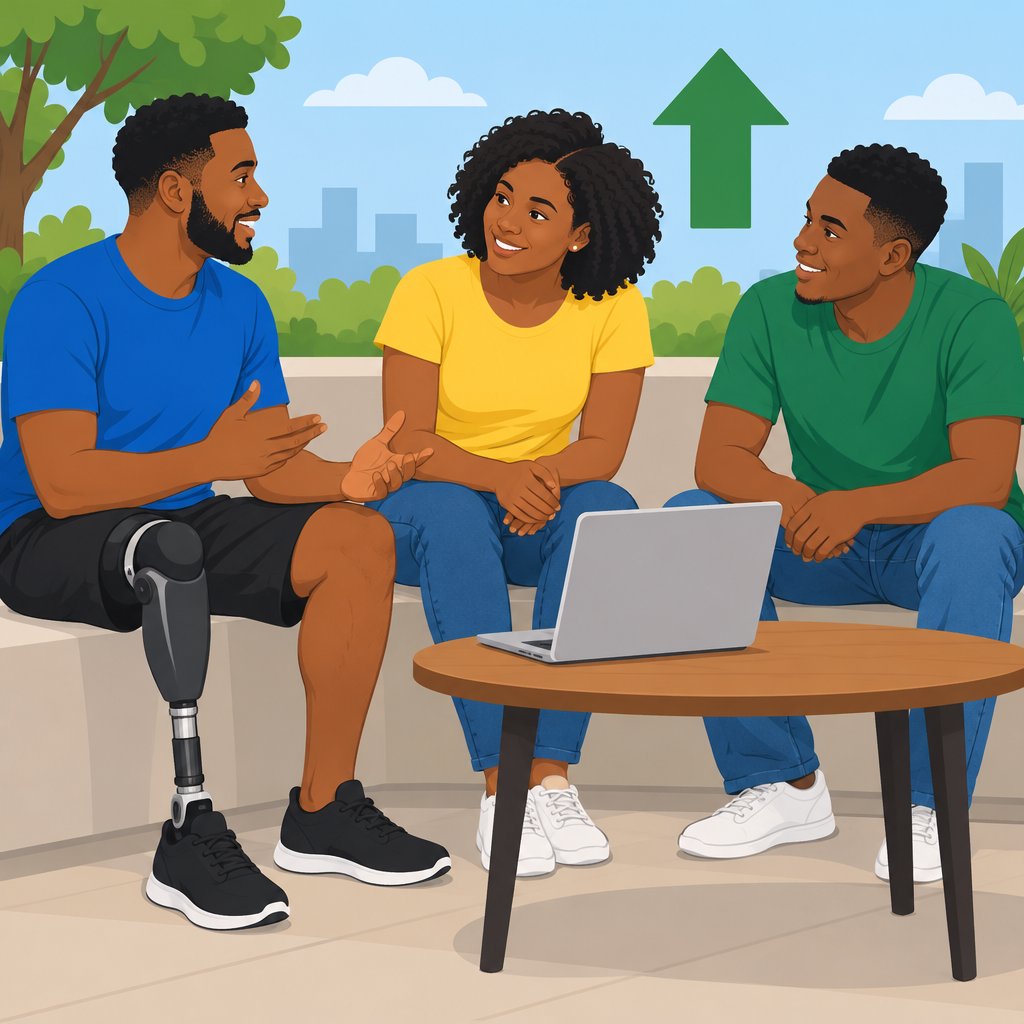
Success Stories of Individuals Using Prostheses in Nigeria
Many people in Nigeria show resilience while adapting to disabilities through prosthetic devices.
These individuals continue pursuing personal goals despite significant physical challenges.
Their experiences demonstrate how prostheses can support determination, independence, and achievement.
Blessing Adeola
- Blessing lost her leg in a car accident but continued pursuing her goals.
- With a prosthetic leg, she pursued her passion for dancing.
- Today, Blessing is a renowned dancer and an inspiration to many.
Yusuf Ahmadu
- Yusuf was born with a congenital limb deficiency that made walking difficult.
- After receiving a prosthetic limb, he walked and played sports.
- Now, Yusuf competes in para-athletics and has won multiple medals for Nigeria.
Funmi Ojo
- Funmi lost her arm in a work-related accident, which affected her ability to work.
- With a prosthetic arm, she regained independence and started her own business.
- Today, Funmi runs a successful catering company and employs other disabled individuals.
These stories highlight the transformative impact of prostheses on individuals’ lives in Nigeria.
Prosthetic devices have restored physical abilities and empowered people to pursue their goals and dreams.
Delve into the Subject: Anatomy and Its Importance in Nigerian Healthcare
Programs Supporting Prosthesis Access
Government agencies and community organizations support prosthesis access through several initiatives.
These efforts target individuals who need prosthetic devices.
They also connect public services with charitable assistance.
- The National Health Insurance Scheme offers coverage for prosthetic devices.
- The Federal Ministry of Health runs outreach programs that distribute prostheses.
- State governments may fund prosthetic clinics in public hospitals.
- Local NGOs partner with international organizations to donate prosthetic limbs.
- Community-based organizations organize fundraisers that sponsor prostheses for disabled people.
Organizations Advocating for Disabled People
Advocacy organizations promote better services for people with disabilities.
They also encourage inclusive policies and equal access to prosthetic limbs.
Furthermore, these groups raise awareness about the needs of affected communities.
- The Nigerian Association of Prosthetists and Orthotists lobbies for improved prosthetic services.
- The Joint National Association of Persons with Disabilities advocates for inclusive policies.
- Amputees United Nigeria campaigns for equal access to prosthetic limbs.
- The Center for Citizens with Disabilities works to protect disabled people’s rights.
- The Spinal Cord Injuries Association of Nigeria raises awareness about prostheses.
These initiatives expand support for Nigerians living with limb loss or other physical impairments.
Meanwhile, advocacy groups represent the rights and needs of disabled community members.
Together, these efforts help improve access to prosthetic devices and related services.
Find Out More: Dental Technology vs. Dentistry in Nigeria
Opportunities for Improving Nigeria’s Prosthesis Sector
Nigeria can improve prosthetic services by expanding access, reducing costs, and strengthening local production.
These improvements require coordinated action from government agencies, nonprofit organizations, and private sector stakeholders.
Furthermore, stronger services can help more disabled individuals obtain suitable devices and related support.
- Expand prosthetic centers across the country to improve access to services.
- Increase the availability of affordable materials for manufacturing prostheses.
- Provide training programs for local artisans to improve prosthetic quality.
- Build partnerships with international organizations to secure additional resources.
- Develop subsidy programs that make prostheses more affordable for low-income individuals.
- Improve distribution networks to reach remote areas with prosthetic services.
- Support research and development for advanced prosthetic design and manufacturing.
- Strengthen collaboration with medical professionals for proper fitting and monitoring.
- Establish rehabilitation centers where disabled individuals can learn to use prosthetic devices effectively.
- Expand public awareness campaigns to reduce stigma and promote acceptance of prosthetic users.
Effective implementation will require sustained cooperation among public, nonprofit, and private sector partners.
Consequently, coordinated investment can strengthen accessibility, affordability, and prosthetic service quality in Nigeria.
Broader Participation Through Prosthetic Support
Prostheses improve mobility and quality of life for people with disabilities in Nigeria.
As a result, they help individuals participate more fully in society.
Continued support for inclusion can promote equal access and opportunities throughout the community.
Additional Resources
Google search results for Impact of Prosthesis on Nigerian Disabled Community Medical
Bing search results for Impact of Prosthesis on Nigerian Disabled Community Medical


