



Physiotherapy for Nigerian Women’s Health
Physiotherapy improves women’s health by addressing musculoskeletal issues.
For Nigerian women, it also addresses health concerns specific to their population.
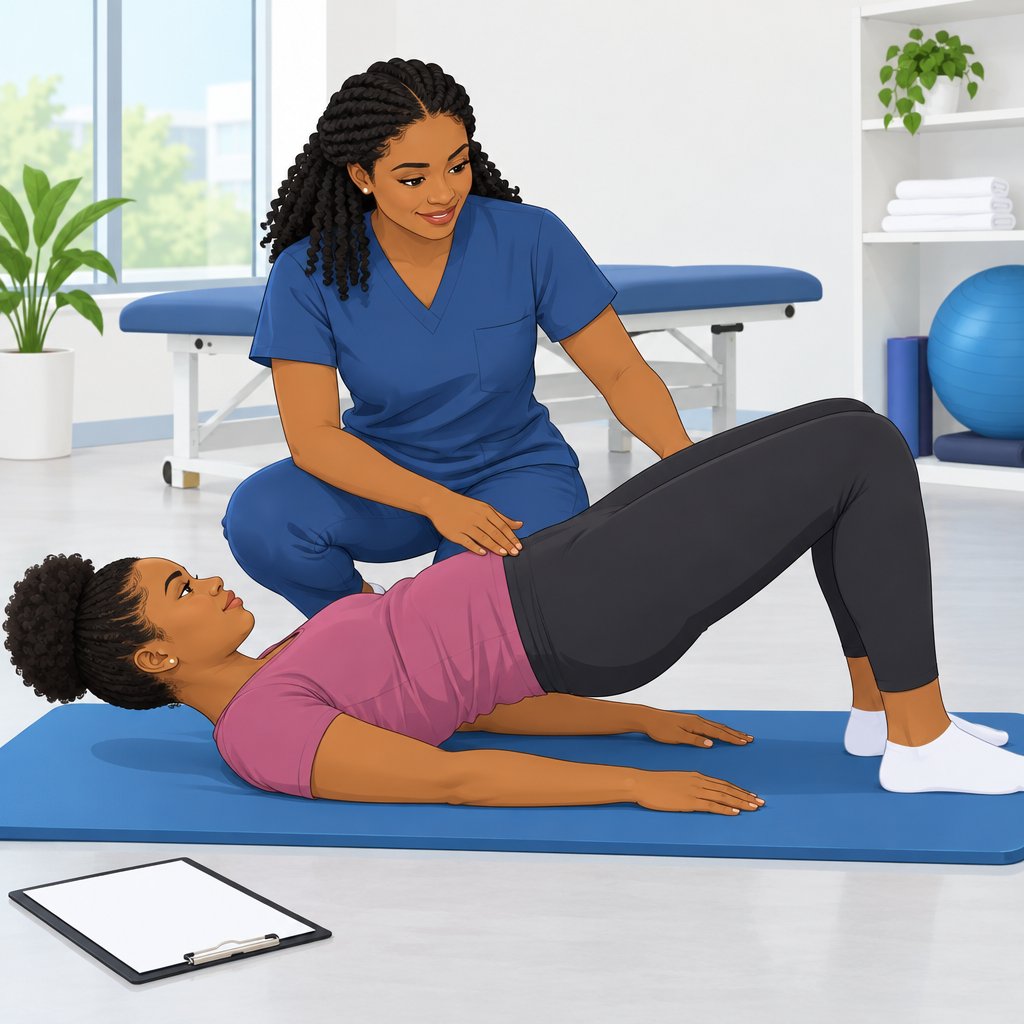
It can support women managing pelvic floor dysfunction, incontinence, pregnancy-related pain, and postpartum recovery.
Skilled physiotherapists can provide care that respects Nigerian women’s cultural and health needs.
Access and Empowerment Through Physiotherapy
Physiotherapy empowers Nigerian women to manage their health and improve their quality of life.
Through education and tailored exercise programs, physiotherapists support optimal well-being.
However, cultural beliefs, limited access to care, and health disparities create challenges for women in Nigeria.
Therefore, women’s health initiatives can use physiotherapy to help bridge these gaps and provide holistic care.
With physiotherapy included, Nigerian women can receive comprehensive and personalized treatment.
Common Women’s Health Issues in Nigeria
Women in Nigeria commonly experience pelvic floor disorders, postpartum recovery challenges, and urinary incontinence.
These concerns can affect physical comfort, daily activities, and personal well-being.
Recognizing these issues can help women consider suitable support and care.
- Pelvic floor disorders affect many women in Nigeria.
- Postpartum recovery can challenge many women after childbirth.
- Urinary incontinence also significantly affects women in Nigeria.
Effects on Women’s Quality of Life
Pelvic floor disorders may cause discomfort, pain, urinary incontinence, and bowel issues.
Postpartum recovery challenges may create emotional distress and limit daily activities.
Urinary incontinence may reduce confidence, self-esteem, and social participation.
- Pelvic floor disorders can interfere with women’s everyday activities.
- Postpartum challenges can affect a woman’s ability to care for her newborn.
- Urinary incontinence can contribute to social isolation and reduced well-being.
Physiotherapy Support for Women’s Health
Physiotherapy can support women managing these health issues.
Pelvic floor exercises can improve muscle strength and bladder control.
Postpartum physiotherapy can support healing and restore strength after childbirth.
- Women can seek physiotherapy to support their overall well-being.
- Physiotherapists can help women strengthen their pelvic floor muscles.
- Postpartum physiotherapy can assist healing and restore physical strength.
Role of Physiotherapy in Women’s Health
Physiotherapy addresses women’s health concerns through tailored exercises, manual therapies, and education.
These approaches support physical recovery while helping women manage daily health challenges.
Additionally, personalized care can improve fitness, comfort, and overall well-being.
Physiotherapy Approaches for Women’s Health Issues
Physiotherapists assess individual needs before selecting suitable exercises, hands-on techniques, and educational strategies.
Consequently, treatment can address physical limitations while supporting healthier movement and daily function.
Furthermore, ongoing guidance helps women participate actively in their recovery and health maintenance.
- Physiotherapy helps manage pelvic floor dysfunction, including urinary incontinence and prolapse.
- It can ease prenatal and postnatal discomfort, including back pain and pelvic girdle pain.
- It supports rehabilitation for musculoskeletal conditions such as osteoporosis and arthritis.
- Personalized treatment plans can improve women’s fitness and general well-being.
Benefits of Professional Physiotherapy Services
Professional physiotherapists use their expertise to assess women’s health concerns and provide appropriate treatment.
Early physiotherapy intervention may limit condition progression and support a better quality of life.
Moreover, physiotherapy can address physical, emotional, and social aspects of women’s health.
- Professional physiotherapists provide accurate assessment and targeted treatment for women’s health issues.
- Early intervention can prevent some conditions from progressing and improve quality of life.
- Physiotherapy promotes holistic care by considering physical, emotional, and social needs.
- Regular consultations can help women maintain optimal health and prevent future complications.
Therefore, professional physiotherapy offers personalized support for women seeking improved health and daily well-being.
Delve into the Subject: Overview of Dental Therapy in Nigeria
Cultural Considerations in Nigerian Women’s Health
Cultural beliefs and practices significantly shape women’s health experiences and outcomes in Nigeria.
Therefore, physiotherapists need cultural awareness when supporting women in this context.
Respecting these influences can help physiotherapists provide care that responds to women’s circumstances.
Cultural Influences on Women’s Health
Nigerian culture places strong emphasis on motherhood and fertility, influencing women’s health practices.
Additionally, beliefs about marriage, childbirth, and menstruation can shape body perceptions and healthcare decisions.
Religious beliefs may encourage spiritual healing or restrict certain medical treatments.
- Nigerian culture emphasizes motherhood and fertility in women’s lives.
- Marriage, childbirth, and menstruation beliefs can influence healthcare decisions.
- Religious beliefs may affect acceptance of medical treatments and spiritual healing.
- Gender roles may limit healthcare access or affect women’s wellbeing priorities.
Cultural Challenges for Physiotherapists
Physiotherapists must navigate cultural beliefs and practices while delivering effective care for women.
However, cultural norms may conflict with medically recommended treatments or interventions.
Building trust requires sensitivity, awareness, and respectful communication when beliefs affect help-seeking decisions.
- Physiotherapists must recognize cultural influences during assessment and treatment planning.
- Cultural conflicts may affect women’s willingness to follow recommended interventions.
- Trust and rapport can encourage women to seek appropriate healthcare support.
- Cultural sensitivity helps physiotherapists deliver respectful and competent care.
Cultural considerations therefore remain central to women’s health practice in Nigeria.
By understanding cultural beliefs, physiotherapists can better support women.
Transform Your Career with Expert Guidance
Get personalized mentorship consulting that’s tailored to your unique path. Our expert advice is actionable and exclusive.
Get StartedThis approach can strengthen attention to women’s health and wellbeing.
Find Out More: Regulations Governing Dental Therapy in Nigeria
Access to Physiotherapy Services in Nigeria
Physiotherapy services in Nigeria remain difficult to access, especially for women living in rural areas.
Limited availability and high costs prevent many women from receiving essential physiotherapy care.
These barriers can restrict treatment access and affect women’s ability to improve their health and quality of life.
Availability of Physiotherapy Services
- Nigeria has too few physiotherapy professionals, particularly in rural areas, which limits access to treatment.
- Many remote healthcare facilities lack physiotherapy departments and trained professionals.
- Public hospitals often lack suitable equipment and resources for physiotherapy treatment.
Affordability of Physiotherapy Services
- Treatment costs create a major barrier for women with limited financial resources.
- Private physiotherapy clinics often charge fees that many women cannot afford.
- Limited health insurance coverage further increases the cost of physiotherapy services.
Strategies for Improving Access
- Government funding can expand physiotherapy services in underserved rural communities.
- Training more physiotherapists can help address workforce shortages across the country.
- Financial incentives can encourage professionals to work in communities with limited services.
- Mobile physiotherapy clinics can deliver affordable treatment to women in remote areas.
- Partnerships with international organizations and NGOs can provide funding and essential resources.
Government support, workforce development, and innovative services can improve physiotherapy access for women across Nigeria.
These strategies can help more women receive care that supports their health and quality of life.
You Might Also Like: Child Health Insurance Options in Nigeria
Reported Physiotherapy Success Stories in Women’s Health
Several women experienced meaningful changes through physiotherapy for distinct health concerns.
These examples include urinary incontinence, chronic pelvic pain, postmenopausal pelvic floor weakness, endometriosis, and polycystic ovary syndrome.
Each account highlights a reported improvement in symptoms, function, or daily well-being.
- Mrs. A experienced significant improvement in urinary incontinence after childbirth through physiotherapy.
- Miss B found relief from chronic pelvic pain through targeted physiotherapy exercises.
- Mrs. C strengthened her pelvic floor muscles and improved her quality of life after menopause.
- Mrs. D reduced endometriosis-related pain and enhanced her overall well-being through physiotherapy.
- Miss E experienced improved hormonal balance and menstrual regularity through physiotherapy interventions.
Ways Physiotherapy Has Supported Women’s Lives
Physiotherapy helped these women address sensitive concerns and regain greater control over their bodies.
Reduced pain and stronger pelvic floor muscles supported daily activities, confidence, and quality of life.
Additionally, holistic care supported emotional well-being alongside physical improvement.
- Mrs. A regained control over her body while addressing urinary incontinence.
- Miss B participated in daily activities with less pain and discomfort.
- Mrs. C gained confidence through improved pelvic health and greater quality of life.
- Mrs. D received physical relief and emotional support while managing endometriosis symptoms.
- Miss E experienced broader improvements in health and well-being beyond physical symptoms.
Find Out More: Top Hospitals for Obstetrics and Gynaecology in Nigeria
Challenges Affecting Physiotherapy in Nigerian Women’s Health
Several barriers currently limit physiotherapy’s contribution to women’s health services across Nigeria.
These barriers affect awareness, professional preparation, community acceptance, geographic reach, and service infrastructure.
Addressing them requires coordinated action across communities, government, and healthcare organizations.
- Many women remain unaware of physiotherapy’s benefits for women’s health.
- Inadequate funding limits training and development for women’s health physiotherapy specialists.
- Social and cultural stigmas can discourage women from seeking physiotherapy services.
- Few trained physiotherapists serve rural areas where many women need care.
- Limited equipment and facilities create infrastructure challenges for physiotherapy services.
Opportunities to Strengthen Women’s Health Physiotherapy
Several practical opportunities can expand physiotherapy’s contribution to women’s health in Nigeria.
Education can improve understanding, while policy support can strengthen specialist training.
Meanwhile, technology and partnerships can extend services beyond established healthcare facilities.
- Educational campaigns can increase public awareness of physiotherapy’s role in women’s health.
- Government funding can support specialized training programs in women’s health physiotherapy.
- Community engagement can address cultural taboos through respectful sensitization programs.
- Telemedicine and mobile clinics can reach women in remote areas.
- International collaboration can build professional capacity and improve physiotherapy infrastructure.
Addressing these barriers can help physiotherapy support women’s health across Nigeria.
Seizing these opportunities can strengthen the health and well-being of women nationwide.
Physiotherapy’s Contribution to Women’s Health
In Nigeria, physiotherapy promotes women’s health through postpartum recovery, pelvic floor care, and prenatal support.
Women should prioritize their health and well-being to lead fulfilling, healthy lives.
Seeking professional physiotherapy services can support holistic care and overall wellness.
Proactive care helps women address underlying issues, prevent complications, and improve quality of life.
Physiotherapy empowers women to manage their health and pursue healthier lives.
Additional Resources
Google search results for Physiotherapy for Women's Health: Nigerian Focus Medical
Bing search results for Physiotherapy for Women's Health: Nigerian Focus Medical


