



Introduction
Physiotherapy uses physical techniques to improve mobility, function, and quality of life.
This practice promotes overall health and wellness among individuals.
In Nigeria, physiotherapy can help people manage back pain, arthritis, and stroke.
Improving Mobility and Flexibility
Physiotherapy helps people regain movement.
It also improves flexibility.
Physiotherapists combine exercises, stretches, and manual techniques to improve joint and muscle range of motion.
Exercises
- Physiotherapists often prescribe exercises tailored to individual needs and abilities.
- These exercises may strengthen weak muscles, improve balance, and increase flexibility.
- Consistent practice can significantly improve mobility over time.
Stretches
- Stretching exercises can improve flexibility in muscles and joints.
- They can reduce stiffness, increase range of motion, and help prevent injury.
- Regular stretching can also improve circulation and decrease muscle tension.
Manual Therapy Techniques
- Physiotherapists may use massage and joint mobilization to improve mobility.
- These techniques can break up scar tissue, reduce pain, and improve overall function.
- Manual therapy often works alongside exercise and stretching for better results.
Specific Conditions
Physiotherapy benefits people with specific conditions.
Arthritis is one example.
Stroke is another condition that may affect movement.
Arthritis
- Arthritis can cause stiffness and limited mobility in the joints.
- Physiotherapy can improve joint flexibility and reduce pain.
- Exercise and stretching can maintain joint function and prevent further deterioration.
Stroke
- After a stroke, many people experience weakness and limited movement on one side.
- Physiotherapy can retrain affected muscles and improve coordination.
- Targeted exercises and therapies can help survivors regain mobility and independence.
Pain Management Through Physiotherapy
- Physiotherapy manages chronic pain by targeting its root cause.
- Additionally, massage, acupuncture, and ultrasound can help alleviate pain.
- Massage therapy relaxes muscles and improves blood circulation, reducing pain and discomfort.
- Acupuncture stimulates the body’s natural pain-relieving mechanisms, offering relief from chronic pain.
- Ultrasound therapy uses sound waves to reach deep tissues, reducing inflammation and pain.
- Consequently, physiotherapy helps people regain mobility and improve their quality of life.
One success story involves a Nigerian woman who had suffered from lower back pain for years.
Afterward, massage and ultrasound therapy provided significant pain relief during her physiotherapy sessions.
As a result, she resumed daily activities without the constant discomfort that had previously affected her.
Delve into the Subject: Microbiological Safety Standards in Nigeria
Injury Rehabilitation
Physiotherapy supports safe injury recovery through personalized care, structured exercises, and regular progress assessments.
These strategies help individuals rebuild physical capacity while reducing risks during rehabilitation.
Additionally, physiotherapists adjust treatment as recovery needs change.
Personalized Treatment Plans
Physiotherapists evaluate each injury before designing a treatment plan.
They align rehabilitation goals with the individual’s specific needs and recovery requirements.
This focused approach helps patients receive appropriate care throughout the healing process.
Progressive Exercises
Progressive exercises increase intensity as strength and mobility improve.
Consequently, individuals can rebuild muscle strength, joint mobility, and function gradually.
Physiotherapists use this progression to support safe recovery and reduce further injury risks.
Common Sports Injuries and Accidents
Physiotherapy addresses many injuries caused by sports activities and accidents.
For example, treatment can support recovery after a sprained ankle or dislocated shoulder.
The following injuries commonly receive physiotherapy rehabilitation.
- Sprains and strains
- Tendonitis
- Fractures
- Dislocations
- Rotator cuff injuries
- ACL tears
- Tennis elbow
- Shin splints
- Muscle tears
- Concussions
Uncover the Details: Anatomy Textbooks Recommended in Nigeria
Balance and Coordination for Fall Prevention
Physiotherapy helps prevent falls and injuries, especially among older adults.
Targeted exercises can improve balance, coordination, and strength.
These improvements support safer movement and greater independence in daily activities.
- Physiotherapy helps individuals enhance balance and coordination, which are essential for preventing falls.
- Improved balance and coordination can support mobility and independence during daily activities.
- These improvements can increase confidence and reduce the fear of falling.
Fall Prevention for Older Adults
Physiotherapists design exercise programs that address each individual’s needs.
These programs develop strength and balance while supporting safer movement.
They also help maintain muscle mass, flexibility, and joint mobility.
- Personalized exercises can improve strength and balance in older adults.
- Strength, flexibility, and joint mobility can help reduce fall risks.
- Balance training helps individuals react quickly and prevent accidents.
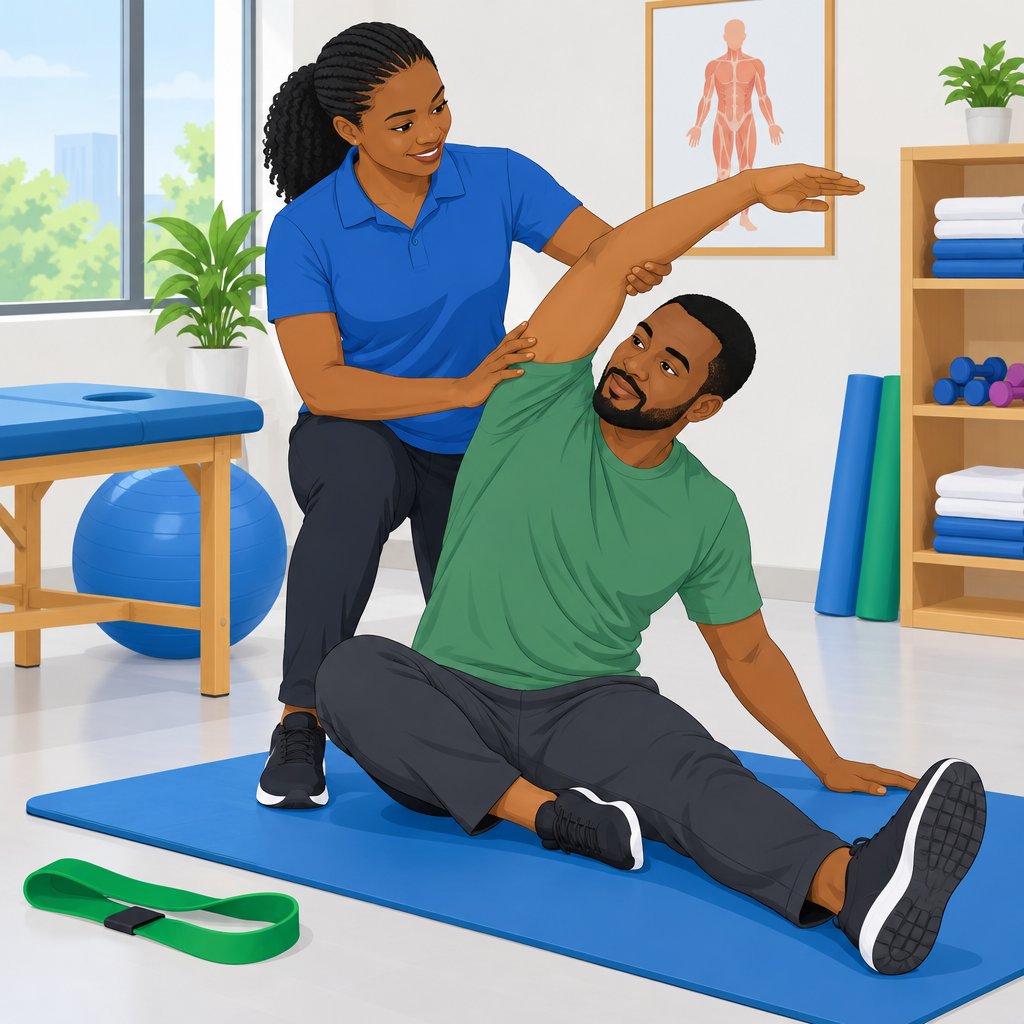
Benefits of Fall Prevention Programs
Physiotherapy-based fall prevention programs can reduce injuries and related healthcare costs.
Preventing falls can protect quality of life by avoiding injuries and disabilities.
These programs can help individuals maintain independence and avoid prolonged medical interventions.
- Fall prevention programs can reduce healthcare costs related to fall-related injuries.
- Preventing falls can improve quality of life by avoiding potential injuries and disabilities.
- Fall prevention support can help individuals maintain independence.
Explore Further: Online Courses for Biomedical Technology in Nigeria
Physiotherapy Techniques for Respiratory Health
Respiratory health supports overall well-being and requires effective management of conditions such as asthma and COPD.
Physiotherapy helps people manage these respiratory conditions through targeted techniques and guided care.
These interventions can improve breathing, support oxygen exchange, and enhance daily comfort.
- Breathing exercises can improve lung function and promote better oxygen exchange.
- Chest physiotherapy uses manual chest wall techniques to help clear mucus from the lungs.
- Airway clearance techniques mobilize and eliminate mucus from the airways.
Respiratory Health Challenges in Nigeria
People with respiratory conditions in Nigeria face challenges linked to air pollution and tobacco smoke.
Transform Your Career with Expert Guidance
Get personalized mentorship consulting that’s tailored to your unique path. Our expert advice is actionable and exclusive.
Get StartedLimited access to healthcare facilities can also make respiratory disease management more difficult.
According to the World Health Organization, respiratory diseases rank among Nigeria’s leading causes of mortality.
Benefits of Physiotherapy for Respiratory Conditions
Physiotherapy can improve lung function and reduce symptoms such as shortness of breath.
Research links physiotherapy interventions with improved exercise tolerance and fewer hospital admissions.
By working with a physiotherapist, individuals can manage their conditions and help prevent exacerbations.
Delve into the Subject: Challenges in Medical Microbiology in Nigeria
Mental Health Benefits of Physiotherapy
Physiotherapy can support mental health and well-being among Nigerians.
It helps individuals manage stress, anxiety, and depression.
Physical activity during therapy can encourage endorphin release and improve mood.
- Regular movement can significantly reduce stress levels.
- Physiotherapy exercises can relax the body and ease physical tension.
- Reduced tension can support clearer thinking and a calmer state of mind.
- Research consistently links regular physical activity with better mental health outcomes.
- Exercise participation may reduce symptoms associated with depression and anxiety.
In Nigeria, physiotherapy offers a non-invasive approach to mental health support.
It can help people include beneficial physical activity in their daily routines.
Physiotherapy Within Mental Health Care
Healthcare providers in Nigeria can include physiotherapy within comprehensive mental health care.
This approach addresses physical and mental well-being within one treatment plan.
Physiotherapists can coordinate with mental health professionals to create personalized exercise programs.
- Programs may combine aerobic, strengthening, and flexibility exercises.
- Regular physiotherapy sessions can teach techniques for managing stress and anxiety.
- Individuals can apply these techniques during their daily routines.
- A supportive therapy environment can encourage physical activity and improve confidence.
Physical activity can strengthen self-esteem while supporting mental well-being.
These benefits may improve quality of life for people managing mental health concerns.
Physiotherapy therefore provides a practical component of holistic mental health care.
Physiotherapy Benefits for Nigerians’ Health
Physiotherapy helps Nigerians manage arthritis and diabetes symptoms.
It can also improve quality of life for people living with these chronic conditions.
Additionally, physiotherapy strengthens the body and improves flexibility.
These improvements can help prevent future injuries.
Furthermore, physiotherapy can correct postural issues and musculoskeletal imbalances.
This approach may reduce the risk of long-term complications.
Connecting Nigerians With Physiotherapy Services
People can find qualified physiotherapists through the Nigerian Society of Physiotherapy’s directory.
They can also seek recommendations from healthcare providers.
These options can help individuals access physiotherapy services for improved wellness and quality of life.
Additional Resources
Google search results for Benefits of Physiotherapy for Nigerians' Health Medical
Bing search results for Benefits of Physiotherapy for Nigerians' Health Medical


