



Mental Health Support for Nigerian Children
Mental health support for Nigerian children requires urgent attention.
Addressing childhood mental health promotes well-being and healthy development.
The World Health Organization reports that mental health conditions affect about 20% of Nigerian children.
Depression and anxiety remain the most common reported issues.
Families and communities need resources that help children manage these challenges and thrive.
Importance of Mental Health Support
Mental health strongly influences a child’s development and well-being.
Untreated conditions can affect physical health, academic performance, and social relationships.
Early support helps children build resilience and manage stress.
Consequently, children can pursue healthier and more fulfilling lives.
Support may also strengthen future success and happiness.
Prevalence of Mental Health Issues
Studies indicate that mental health issues are increasing among Nigerian children.
Poverty, violence, and limited services contribute to these challenges.
Therefore, communities must raise awareness and provide suitable mental health resources.
Addressing these barriers can help children reach their full potential.
Challenges Facing Nigerian Children
Nigerian children face several connected hardships that can undermine their safety, development, and emotional well-being.
These pressures often occur together, making daily life more difficult for vulnerable children.
Furthermore, limited services can leave children without help when distress affects their lives.
- Poverty often causes food insecurity, limited education access, and restricted healthcare resources.
- Violence includes domestic abuse, physical punishment, and violence within communities.
- Trauma can follow conflict, displacement, or natural disasters, causing psychological distress.
- Many children lack quality mental health services because stigma, cost, and limited resources create barriers.
How These Challenges Affect Mental Health
Poverty can create chronic stress and anxiety, which may contribute to depression and anxiety disorders.
Similarly, violence can trigger PTSD and other stress-related disorders that affect children’s mental well-being.
Trauma may also disrupt healthy relationships and reduce children’s ability to cope with stress.
Meanwhile, stigma, cost, and limited resources restrict access to quality mental health services.
These combined challenges can intensify distress among Nigerian children and leave their needs unaddressed.
Importance of Early Intervention
Early detection and intervention play a vital role in supporting Nigerian children’s mental health.
Professionals can identify concerns sooner and connect children with suitable support.
Timely care can help children cope, develop resilience, and thrive.
Significance of Early Detection and Intervention
Identifying mental health concerns early supports children’s well-being.
Professionals can then provide appropriate guidance before difficulties become more complex.
Early support also helps children build coping skills and participate more confidently in daily life.
Long-Term Effects of Untreated Mental Health Issues
When children receive no support, mental health concerns may continue into adulthood.
Anxiety, depression, and behavioral disorders can affect social, emotional, and cognitive development.
Consequently, untreated difficulties may create lasting challenges across social, emotional, and cognitive development.
Examples of Successful Interventions
Several interventions can support Nigerian children who experience mental health challenges.
These approaches address emotions, thoughts, behaviors, relationships, and community support.
Moreover, professionals can select approaches that match each child’s needs and circumstances.
- Cognitive-behavioral therapy helps children identify and change negative thought patterns and behaviors.
- Play therapy uses play to help children express emotions and cope with challenges.
- Family therapy strengthens relationships and supports children’s mental health through family participation.
- Community-based programs involve schools, community centers, and local organizations in children’s mental health support.
Early intervention can help children build resilience and develop practical coping strategies.
These supports can also improve children’s well-being.
Therefore, timely care gives Nigerian children stronger opportunities to manage challenges and thrive.
Gain More Insights: Public Awareness of Oral Surgery in Nigeria
Cultural Stigma Surrounding Mental Health
Cultural stigma remains a major barrier to mental health support for Nigerian children.
Societal beliefs can discourage children and families from discussing emotional or psychological concerns.
Transform Your Career with Expert Guidance
Get personalized mentorship consulting that’s tailored to your unique path. Our expert advice is actionable and exclusive.
Get StartedConsequently, many children may not receive appropriate understanding, guidance, or care.
Beliefs That Reinforce Stigma
Nigeria, like many other African countries, often treats mental health as a taboo subject.
Furthermore, some Nigerians attribute mental health problems to spiritual or supernatural causes.
Limited awareness can also encourage people to associate mental illness with weakness or insufficient religious faith.
- Many communities discuss mental health conditions reluctantly or avoid them entirely.
- Some families interpret psychological concerns through spiritual explanations rather than health perspectives.
- Insufficient knowledge can prevent families from recognizing mental health conditions.
- Religious beliefs may cause some people to view mental illness as a faith-related weakness.
Effects on Nigerian Children
Stigma can deeply affect children who experience mental health challenges.
For example, children may feel ashamed or embarrassed when discussing their emotional experiences.
Additionally, families may avoid professional help because they fear community rejection.
- Children may remain silent about mental health concerns.
- Parents may hesitate to seek support for their children.
- Communities may discriminate against children whose mental health concerns become known.
- Other children may bully those experiencing mental health difficulties.
Awareness and Education for Greater Acceptance
Communities can reduce stigma by increasing knowledge about mental health conditions.
Schools can teach children to understand mental health and seek appropriate support.
Meanwhile, culturally sensitive healthcare training can help professionals serve families more effectively.
- Awareness programs can challenge harmful assumptions about mental health.
- School education can encourage children to discuss emotional concerns safely.
- Community outreach can help families understand the value of seeking support.
- Culturally sensitive care can make healthcare services more welcoming.
Creating Supportive Environments for Children
Greater awareness can help Nigerian children receive understanding and appropriate mental health support.
Education can promote acceptance among children, parents, healthcare professionals, and community members.
By reducing stigma, communities can create safer spaces for children to discuss mental health concerns.
Discover More: Pioneers of Anaesthesiology in Nigeria
Access to Mental Health Services
One of the major challenges Nigerian children face in accessing mental health services is the lack of resources.
The country struggles with limited funding for mental health programs, resulting in fewer treatment centers and support services.
Consequently, many children cannot receive timely mental health assistance.
Another hurdle is the shortage of trained professionals in the mental health field.
Nigeria needs more psychiatrists, psychologists, and counselors to meet children’s growing mental health needs.
Furthermore, inadequate infrastructure limits mental health services in many areas.
Many rural communities lack facilities and technology for diagnosing and treating children’s mental health concerns.
Recommendations for Improving Access to Mental Health Services
Several measures can improve children’s access to mental health services across Nigeria.
These measures should address funding, professional training, infrastructure, healthcare integration, and public awareness.
Moreover, coordinated action can help underserved communities receive appropriate support.
- Increase government funding for mental health programs and expand services in underserved communities.
- Invest in training programs that increase the number of qualified mental health professionals in Nigeria.
- Develop and upgrade mental health facilities, especially in remote areas.
- Integrate mental health services into primary healthcare to support early access to care.
- Conduct awareness campaigns that explain mental health and reduce stigma surrounding help-seeking.
Addressing these challenges can improve Nigerian children’s access to mental health services.
As a result, more children can receive the support they need to thrive mentally and emotionally.
Explore Further: Preparing for Your First Restorative Dental Visit
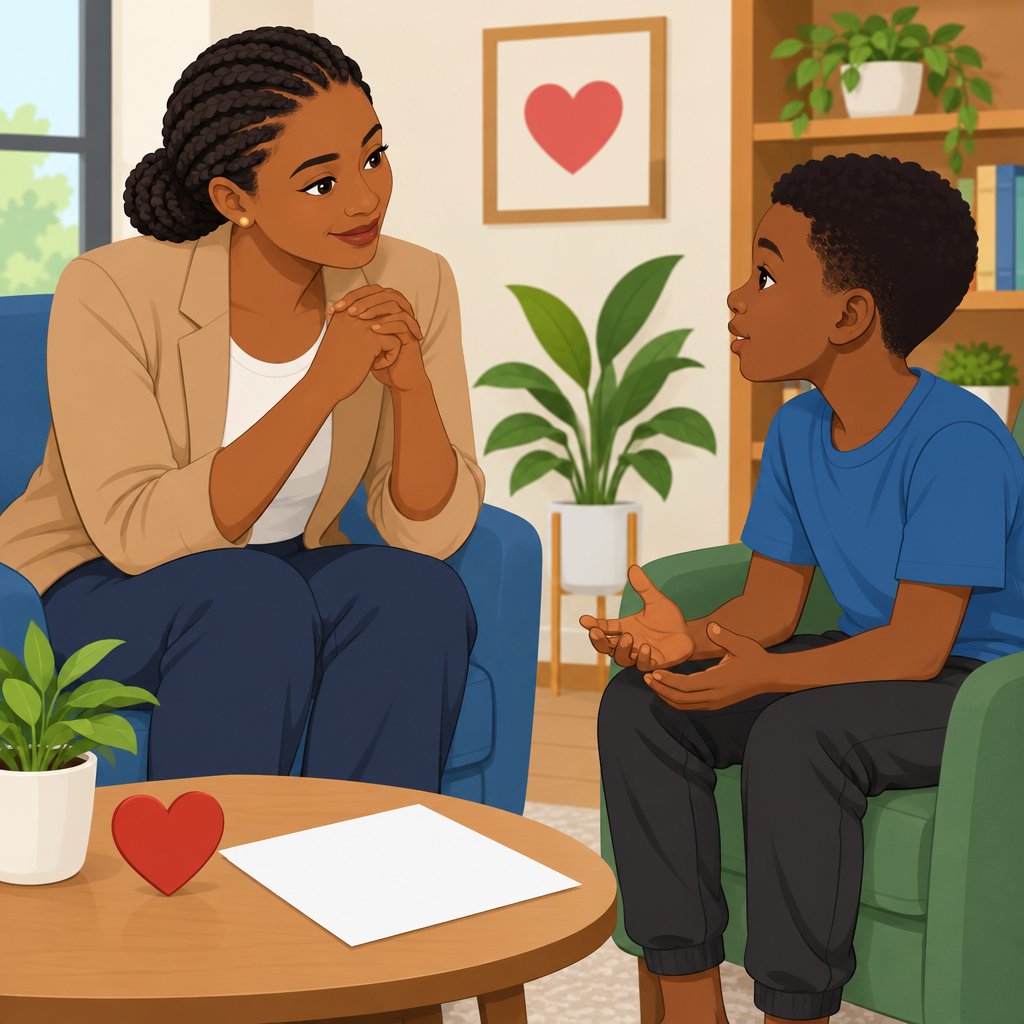
Support Systems for Nigerian Children
Strong support systems help Nigerian children develop positive mental health.
These networks help children feel safe, heard, and understood.
Consequently, supportive relationships can strengthen children’s overall well-being.
Parental Support for Children’s Mental Health
- Parents play a vital role in nurturing children’s mental health.
- They provide love, care, and emotional support.
- Additionally, parents can listen carefully and offer guidance.
- A safe and supportive home environment gives children important emotional security.
Teachers’ Influence on Children’s Well-Being
- Teachers significantly influence children’s mental health.
- They can serve as positive role models and provide encouragement.
- Furthermore, supportive teachers help students build confidence and resilience.
- Teachers should receive training to recognize signs of mental health struggles.
Community Contributions to Children’s Well-Being
- Community members can contribute meaningfully to children’s well-being.
- By acting as positive role models, they can inspire children.
- Moreover, community programs can promote mental health awareness.
- Supportive communities create belonging and acceptance for children.
Support Programs for Nigerian Children
- Child Helpline International provides counseling and support services for Nigerian children.
- The StrongMinds program focuses on mental health support for adolescents.
- PARWAH is a youth-led initiative that challenges mental health stigma in Nigeria.
- The Safe Spaces for Children initiative creates environments for free self-expression.
Parents, teachers, and community members all support children’s emotional needs.
Therefore, effective programs can create nurturing environments where children thrive mentally and emotionally.
Explore Further: The Future of Physiotherapy in Nigeria: Trends
Mental Health Education in Nigerian Schools
Schools can strengthen children’s well-being by including mental health education in Nigeria’s curriculum.
This approach helps students understand emotions and develop healthier responses to everyday challenges.
It also encourages schools and families to address mental health concerns more openly.
Benefits of Mental Health Education
Mental health lessons can help children recognize their feelings and understand emotional well-being.
Additionally, clear information can help students notice possible concerns and seek assistance sooner.
These lessons can also promote practical coping skills for stress and difficult experiences.
- Teaching emotions increases children’s awareness of mental health concerns.
- Early recognition can support timely identification and intervention.
- Open discussions can reduce stigma around seeking help and support.
- Coping strategies can help children manage stress and challenges.
Approaches for Implementing School Programs
Schools can design suitable programs with guidance from mental health professionals.
Teachers can receive training that supports clear and age-appropriate classroom discussions.
Parents can reinforce these lessons by creating supportive conversations at home.
- Schools can collaborate with mental health professionals when developing curriculum materials.
- Teachers can integrate mental health topics into science, biology, and physical education.
- Parents can participate in programs that connect school learning with home support.
- Schools can use surveys and assessments to evaluate program effectiveness.
Integrating mental health education gives Nigerian schools a proactive way to promote children’s well-being.
With suitable lessons and cooperation, schools can help children build healthier futures.
Pressures Affecting Nigerian Children’s Mental Health
Family dynamics, poverty, violence, and trauma can undermine children’s mental well-being.
These challenges may affect children’s emotional development and daily experiences.
Limited access to adequate care can further intensify mental health difficulties.
Community Action for Child Well-Being
Schools and communities can promote mental health by creating safe, supportive environments.
They can also encourage children to discuss emotional challenges without fear.
Advocacy can strengthen awareness and encourage greater priority for children’s mental health resources.
Additional Resources
Google search results for Mental Health Support for Nigerian Children Medical
Bing search results for Mental Health Support for Nigerian Children Medical


