



Historical Foundations of Obstetrics and Gynaecology
Obstetrics and gynaecology in Nigeria have a history extending from traditional care to modern medical practice.
Understanding this development helps explain progress in women’s healthcare.
It also highlights continuing challenges affecting maternal and infant health.
Traditional Care in Nigerian Societies
Traditional birth attendants managed childbirth and women’s health in many Nigerian societies.
Additionally, healers used herbal remedies alongside established community practices.
Spiritual rituals also formed part of some traditional approaches to care.
Colonial Contributions to Medical Practice
During the colonial era, Western medicine entered Nigeria and influenced healthcare delivery.
Consequently, healthcare facilities began developing formal obstetrics and gynaecology services.
British medical professionals played an important role in shaping these practices.
Post-Independence Medical Development
After Nigeria gained independence in 1960, obstetrics and gynaecology continued to advance.
Specialized training programs supported the growth of professional expertise.
Meanwhile, modern medical technologies expanded the available approaches to care.
Persistent Healthcare Challenges
Despite these advances, inadequate healthcare infrastructure continues to affect service delivery.
Rural communities may experience limited access to essential healthcare services.
Therefore, high maternal mortality rates remain an important concern.
Current Priorities in Women’s Healthcare
Today, Nigerian obstetrics and gynaecology continue to develop across the healthcare system.
Healthcare efforts focus on improving maternal and infant health outcomes.
Furthermore, initiatives aim to strengthen medical training and expand quality services nationwide.
Pre-Colonial Obstetric and Gynaecological Practices in Nigeria
- Traditional beliefs and practices shaped childbirth and women’s health.
- Traditional birth attendants managed many obstetric and gynaecological issues.
During the pre-colonial era, cultural beliefs strongly influenced obstetrics and gynaecology across Nigeria.
Childbirth and women’s health formed important parts of practices among various ethnic groups.
Traditional birth attendants held respected positions within their communities.
They assisted women during childbirth and addressed various gynaecological concerns.
Apprenticeship allowed these attendants to learn and preserve their knowledge across generations.
Meanwhile, herbal medicine helped communities manage several obstetric and gynaecological conditions.
People used various herbs and plants to address infertility and menstrual disorders.
They also used herbal remedies during childbirth complications.
Because formal healthcare remained limited, women relied heavily on traditional attendants and herbal medicine.
These practices reflected cultural beliefs and knowledge passed down through oral instruction.
Traditional birth attendants provided more than physical assistance during labour.
They offered emotional support and guidance to pregnant women and new mothers.
Consequently, communities viewed these attendants as sources of strength and wisdom.
However, exclusive reliance on traditional care created risks for women and infants.
Childbirth complications could develop without effective ways to address them.
As a result, some communities experienced high maternal and infant mortality rates.
Traditional care therefore supported reproductive health while limiting access to modern medical intervention.
Colonial Influence on Obstetric and Gynaecological Care
- British colonial rule influenced healthcare practices in Nigeria.
- Western medical knowledge and practices entered obstetrics and gynaecology.
- Maternity hospitals supported care and professional training.
- Midwives and doctors received training in women’s healthcare.
During the colonial period, British rule changed healthcare practices in Nigeria.
Western approaches introduced new knowledge and methods into obstetrics and gynaecology.
Additionally, maternity hospitals provided care for pregnant women and supported safer deliveries.
These hospitals also trained midwives and doctors for women’s healthcare.
Consequently, trained professionals strengthened care for women and infants.
Transform Your Career with Expert Guidance
Get personalized mentorship consulting that’s tailored to your unique path. Our expert advice is actionable and exclusive.
Get StartedColonial authorities also invested in medical facilities, supplies, and equipment.
These resources improved healthcare standards, particularly within obstetrics and gynaecology.
Moreover, practitioners used anesthesia, surgical techniques, and prenatal care in appropriate situations.
British doctors and local healthcare practitioners exchanged knowledge and expertise.
That collaboration encouraged a more comprehensive approach to women’s healthcare.
These developments helped shape modern obstetrics and gynaecology practices in Nigeria.
Learn More: Anaesthesiology and Surgery Success Rates in Nigeria
Post-independence Maternal and Child Health
After independence, Nigeria faced numerous challenges in improving maternal and child health.
The healthcare system struggled to provide quality obstetric and gynaecological care nationwide.
These conditions slowed progress in women’s healthcare and required urgent intervention.
Challenges Affecting Maternal and Child Health
Several obstacles limited efforts to improve maternal and child health services.
Resource shortages made it difficult for facilities to deliver consistent care.
Cultural and societal barriers also restricted access to healthcare for many women.
- Healthcare services lacked sufficient skilled professionals.
- Many facilities lacked adequate resources and infrastructure.
- Maternal and infant mortality rates remained high.
- Cultural and societal barriers affected healthcare access.
Efforts to Expand Quality Obstetric and Gynaecological Care
Various initiatives addressed gaps in maternal and child health services.
These initiatives focused on improving professional skills, facilities, and community support.
Health education also encouraged greater awareness of available services.
- Training and capacity-building programs supported healthcare professionals.
- Infrastructure improvements strengthened healthcare facilities and resources.
- Community-based initiatives supported maternal and child health.
- Health education and awareness campaigns informed communities.
Government Policies and International Partnerships
Government policies provided direction for maternal and child health improvements.
International partnerships supplied funding and support for healthcare initiatives.
Together, these measures strengthened attention to women’s health within national strategies.
- Government agencies implemented maternal and child health policies.
- International organizations supported funding and healthcare development.
- National healthcare strategies incorporated women’s health priorities.
- Quality assurance mechanisms supported healthcare service standards.
These combined efforts improved access to quality obstetric and gynaecological care.
They also produced positive changes in women’s healthcare across Nigeria.
Continued policy support and partnerships remain important for addressing existing healthcare challenges.
Find Out More: Prenatal Care Guidelines in Nigeria
Recent Developments in Obstetrics and Gynaecology
- Modern technologies and advancements now support obstetric and gynaecological care.
- Nigeria has more specialized obstetricians and gynaecologists than before.
- Healthcare providers focus on reducing maternal mortality and improving women’s health outcomes.
Over recent decades, Nigeria has made significant progress in obstetrics and gynaecology.
These developments have strengthened the quality of care available to women.
They have also supported broader efforts to improve women’s healthcare nationwide.
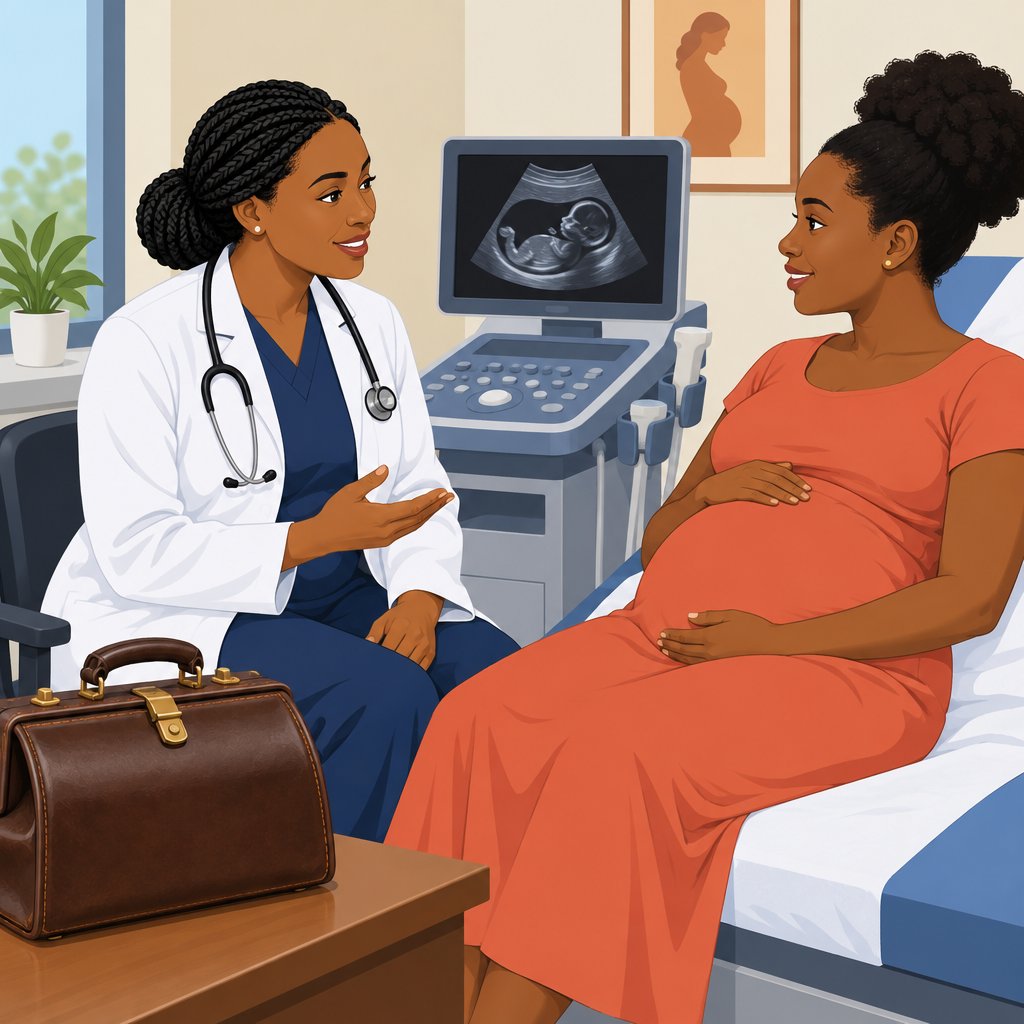
Modern Technologies in Women’s Healthcare
Modern technologies have changed how Nigerian healthcare providers practise obstetrics and gynaecology.
Advanced equipment helps providers diagnose and treat several gynaecological conditions more effectively.
For example, ultrasound machines improve prenatal diagnosis and pregnancy monitoring.
Growth of Specialized Obstetricians and Gynaecologists
Nigeria has experienced a noticeable increase in specialized obstetricians and gynaecologists.
Growing demand for specialized care has encouraged this professional expansion.
These specialists provide pregnancy care, manage gynaecological conditions, and perform necessary surgeries.
Reducing Maternal Mortality
Reducing maternal mortality remains a central priority in Nigerian obstetrics and gynaecology.
Preventable pregnancy and childbirth complications still cause many maternal deaths.
Therefore, healthcare efforts seek better access, skilled birth attendance, and maternal health education.
Improving Women’s Health Outcomes
Recent developments also address women’s broader health needs beyond pregnancy care.
These efforts include cervical cancer screening, family planning, and menstrual health awareness.
Preventive care and health education can strengthen women’s wellbeing across Nigeria.
Discover More: Top Anatomy Conferences and Seminars in Nigeria
Challenges and Future Prospects
Nigeria faces persistent barriers that limit quality obstetric and gynaecological healthcare.
These barriers include weak infrastructure, limited funding, and shortages of skilled healthcare professionals.
However, collaboration, innovation, and community engagement can strengthen women’s access to essential services.
- Healthcare facilities often lack adequate infrastructure, particularly in rural areas.
- Research partnerships and innovation create opportunities for improving obstetric and gynaecological practice.
- Socio-cultural factors continue to influence women’s access to healthcare services.
Healthcare Delivery Challenges
Inadequate infrastructure continues to hinder obstetric and gynaecological healthcare delivery across Nigeria.
Rural facilities often lack essential medical equipment, proper sanitation, and reliable electricity.
These deficiencies make effective obstetric and gynaecological services difficult to provide.
Insufficient funding also affects obstetrics and gynaecology departments.
Limited financial resources can cause shortages of essential supplies and inadequate staff compensation.
Furthermore, underfunding restricts training opportunities for healthcare professionals.
Consequently, pregnant women and patients seeking gynaecological treatment may receive lower-quality care.
Nigeria also faces a shortage of skilled obstetricians, gynaecologists, nurses, and midwives.
This shortage produces longer waiting times, overcrowded facilities, and compromised patient care.
Investment in training programs can help expand the available skilled workforce.
Healthcare providers also need stronger incentives and better recruitment strategies.
Future Directions for Women’s Healthcare
Despite these challenges, Nigeria has opportunities to strengthen obstetric and gynaecological research and practice.
Government agencies, nonprofit organizations, and private stakeholders can collaborate to mobilize resources.
These partnerships can support evidence-based practices and improve healthcare outcomes for women.
Interdisciplinary collaboration can also address complex maternal and reproductive health issues.
Knowledge-sharing may help stakeholders develop sustainable solutions for women’s healthcare.
Socio-cultural factors also require attention because they shape women’s healthcare decisions.
Societal norms, gender inequalities, religious beliefs, and traditional practices can affect access to medical care.
These influences may also affect treatment adherence and participation in preventative health programs.
Healthcare providers can engage local communities to improve understanding of reproductive health.
Health education can raise awareness and help dispel misconceptions.
Advocacy for women’s rights can further empower women to make informed reproductive health choices.
Addressing these priorities can improve maternal and reproductive healthcare services across Nigeria.
Collaboration, innovation, and community engagement can support continued progress in obstetrics and gynaecology.
Find Out More: Physiotherapy for Respiratory Issues in Nigeria
Progress in Women’s Healthcare
Traditional midwifery gradually developed alongside modern obstetric and gynaecological practices in Nigeria.
Institutions, training programmes, and research have contributed to improved healthcare for women.
Nevertheless, inadequate funding, limited resources, and restricted access continue to challenge the healthcare system.
Building on Institutional Progress
Healthcare providers can build on past achievements by learning from earlier experiences.
Furthermore, they must continue innovating to improve the quality of care.
Government, healthcare professionals, and communities must collaborate to support sustainable progress.
Strengthening Future Care for Women
Investment in infrastructure, training, and resources can address gaps in obstetric and gynaecological services.
Additionally, education and awareness can help women manage their reproductive health and well-being.
Advocacy can strengthen women’s participation in decisions about their reproductive healthcare.
Additional Resources
Google search results for History of Obstetrics and Gynaecology in Nigeria Medical
Bing search results for History of Obstetrics and Gynaecology in Nigeria Medical


