




High-Risk Pregnancy Management in Nigeria
High-risk pregnancies commonly occur in Nigeria.
Poor healthcare access and limited resources contribute to these pregnancies.
Therefore, proper management supports the health and well-being of mothers and babies.
Common Risk Factors for High-Risk Pregnancies in Nigeria
Several factors increase pregnancy risks for mothers and babies in Nigeria.
These factors can require closer monitoring and individualized care during pregnancy.
Recognizing these risks supports timely attention to potential pregnancy complications.
Maternal Age
Age can influence pregnancy risks for both younger and older mothers.
Young mothers and older mothers may experience complications more frequently.
Limited prenatal care and nutritional support can increase these risks.
- Mothers under 18 and mothers over 35 face higher pregnancy risks.
- Preterm birth occurs more often among these age groups.
- Insufficient prenatal care and nutrition can worsen related risks.
Pre-existing Medical Conditions
Existing health conditions can make pregnancy more difficult to manage.
Healthcare providers must monitor these conditions closely during pregnancy.
Some complications, including preeclampsia, can further increase pregnancy risks.
- Diabetes, hypertension, and kidney disease can increase pregnancy risks.
- Managing these conditions requires close monitoring and specialized care.
- Preeclampsia can further complicate pregnancies affected by existing conditions.
Access to Prenatal Care
Many women in Nigeria cannot access quality prenatal care services.
Without early detection, healthcare providers may miss high-risk conditions.
Rural and remote communities often face difficulties reaching healthcare facilities.
- Limited prenatal care can delay the detection of pregnancy risks.
- Delayed intervention can allow undiagnosed conditions to worsen.
- Rural areas often experience challenges accessing prenatal healthcare facilities.
Early Detection and Individualized Care
Early detection helps healthcare providers identify pregnancy risks promptly.
Thorough monitoring allows providers to respond to changing maternal and fetal needs.
Individualized care can help address the needs of women with high-risk pregnancies.
Challenges in Managing High-Risk Pregnancies in Nigeria
Healthcare providers and pregnant women face several challenges when managing high-risk pregnancies in Nigeria.
These challenges can significantly affect outcomes for mothers and babies.
Therefore, healthcare systems must address these barriers to improve care during complicated pregnancies.
Limited Resources and Healthcare Infrastructure
Many healthcare facilities lack essential equipment, medications, and skilled healthcare professionals.
Consequently, providers may struggle to deliver adequate care for women with high-risk conditions.
Resource shortages can delay diagnosis, treatment, and necessary interventions.
These delays can increase complications for mothers and babies.
Cultural Beliefs and Pregnancy Practices
Traditional beliefs and practices strongly influence pregnancy and childbirth decisions in many Nigerian communities.
Some practices may conflict with medical advice and recommended care.
As a result, healthcare providers may find it difficult to deliver appropriate support.
Some women may delay medical attention or avoid prescribed treatments.
These choices can contribute to adverse outcomes.
Education and Awareness Gaps
Limited education and awareness create another major challenge for high-risk pregnancy management.
Some pregnant women do not recognize their risks or the value of regular prenatal care.
Additionally, some healthcare providers may lack skills for identifying and managing these pregnancies.
Consequently, missed opportunities for early intervention can increase maternal and neonatal mortality.
Approaches for Improving High-Risk Pregnancy Care
Improving care requires a multifaceted approach.
Health systems can expand access to essential resources and strengthen healthcare infrastructure.
Community engagement can address cultural concerns while education improves awareness among providers and families.
These efforts can improve outcomes and reduce maternal and neonatal mortality rates.
Gain More Insights: Advanced Anatomy Courses Available in Nigeria
Healthcare Providers and High-Risk Pregnancy Care
Healthcare providers play a crucial role in identifying high-risk pregnancies in Nigeria.
Transform Your Career with Expert Guidance
Get personalized mentorship consulting that’s tailored to your unique path. Our expert advice is actionable and exclusive.
Get StartedThey monitor pregnant women and respond to potential complications during pregnancy.
They also coordinate care to protect the health of mothers and babies.
Early Detection and Monitoring
Regular prenatal check-ups help providers identify signs of high-risk pregnancies early.
Providers monitor the mother’s health closely throughout pregnancy.
They use several measurements to recognize potential risks and guide care.
- Healthcare providers track blood pressure during prenatal visits.
- They monitor weight gain to identify possible concerns.
- They assess fetal growth throughout the pregnancy.
Collaboration With Specialists
Healthcare providers collaborate with specialists when pregnancies require additional expertise.
This collaboration supports comprehensive care for mothers and babies.
Specialist consultations also help providers develop individualized care plans.
- Providers may consult obstetricians for specialized pregnancy care.
- They may involve perinatologists when complex conditions require further expertise.
- Other specialists can provide valuable guidance during pregnancy management.
Timely Interventions During Pregnancy
Healthcare providers must respond promptly when complications develop during pregnancy.
They select interventions according to the mother’s and baby’s needs.
Timely care can help prevent additional complications and support safer delivery.
- Providers may prescribe medication when the situation requires it.
- They may recommend bed rest for certain pregnancy complications.
- They may perform surgical procedures when necessary.
Coordinated Care for Mothers and Babies
Early detection allows healthcare providers to address concerns more effectively.
Continuous monitoring helps providers recognize changes throughout pregnancy.
Specialist collaboration and timely interventions strengthen care for both patients.
Delve into the Subject: Challenges of Studying Medicine in Nigeria: Insights
Prenatal Care and Risk Reduction
Prenatal care supports the health and well-being of mothers and babies during high-risk pregnancies.
Regular care helps providers identify potential complications early.
It also supports timely responses when maternal or fetal concerns develop.
- Regular check-ups and screenings help providers monitor potential complications.
- Maternal and fetal monitoring helps providers identify and address emerging concerns.
- Nutritional and lifestyle guidance supports the health of both mother and baby.
Regular Check-ups and Screenings
Regular prenatal visits allow healthcare providers to monitor pregnancy progress.
They also help providers identify potential risks or complications early.
Screenings can detect gestational diabetes, preeclampsia, and infections for prompt management.
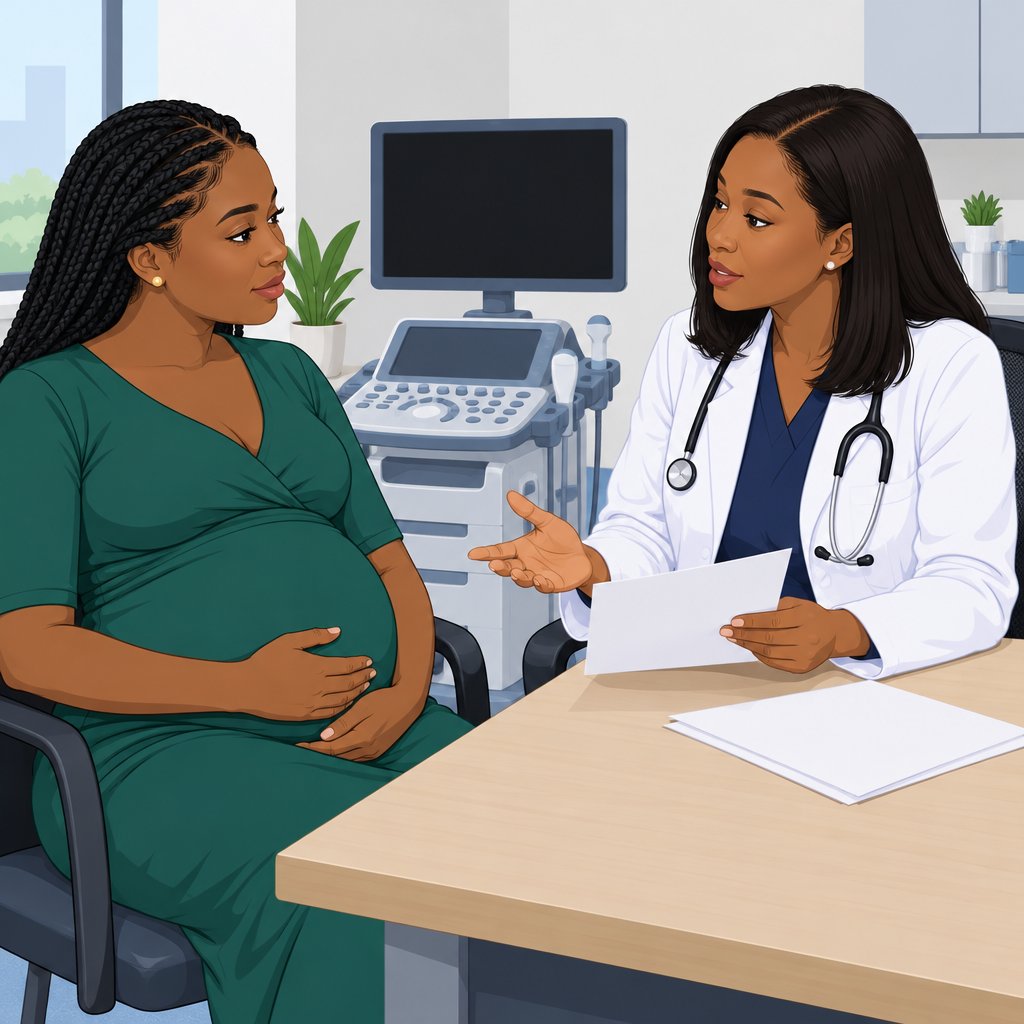
Monitoring Maternal and Fetal Health
Healthcare providers monitor both mother and baby throughout a high-risk pregnancy.
This monitoring can reveal abnormal growth, fetal distress, or maternal health concerns.
Timely intervention can help prevent complications and support a safe delivery.
Nutritional and Lifestyle Guidance
Proper nutrition and healthy lifestyle choices influence high-risk pregnancy outcomes.
Prenatal care providers guide mothers toward balanced diets and suitable physical activity.
They also recommend avoiding harmful substances such as tobacco and alcohol.
Improving Outcomes Through Prenatal Care
Prenatal care provides early detection of potential complications.
It also supports continuous monitoring of maternal and fetal health.
By prioritizing prenatal care, providers can improve outcomes for mothers and babies.
Uncover the Details: Educational Resources for Restorative Dentistry
Support Systems for Mothers With High-Risk Pregnancies
Support systems help mothers manage the emotional and practical demands of high-risk pregnancies.
These resources can connect mothers with assistance, guidance, and others who understand their experiences.
Additionally, mental health and financial services can strengthen support during pregnancy.
Family and Community Support
Family members can provide emotional encouragement and physical assistance during this challenging time.
Community organizations can also help mothers find useful resources and information.
Meanwhile, support groups connect mothers with others facing similar pregnancy experiences.
- Close family members can provide emotional and physical assistance during this challenging time.
- Community organizations can offer resources and information to help mothers navigate high-risk pregnancies.
- Support groups can connect mothers with others who are experiencing similar pregnancies.
Access to Mental Health Resources
Mental health professionals can help mothers cope with stress and anxiety during high-risk pregnancies.
Therapists and counselors provide support, while psychiatrists can manage medications when needed.
Furthermore, hotlines and online forums can offer immediate guidance to mothers experiencing distress.
- Therapists and counselors can provide mental health support during high-risk pregnancies.
- Psychiatrists can offer medication management for pregnancy-related mental health issues.
- Support hotlines and online forums can provide immediate help and guidance for mothers in distress.
Financial Assistance Programs
Financial assistance can help mothers access necessary medical care during high-risk pregnancies.
Government programs and nonprofit organizations may help cover pregnancy-related expenses.
Insurance support can also improve access to medical services without creating financial hardship.
- Government assistance programs can help cover medical care costs for mothers with high-risk pregnancies.
- Nonprofit organizations may offer financial aid for medication, equipment, and other pregnancy-related expenses.
- Insurance companies can help mothers access needed medical services without facing financial hardship.
Find Out More: Nigerian Health Institutions Offering Prosthetics
Strategies for Improving Outcomes in High-Risk Pregnancies
Several strategies can strengthen care for mothers and babies during high-risk pregnancies in Nigeria.
These approaches can improve healthcare delivery and support timely responses to pregnancy complications.
Furthermore, stakeholders can work together to prioritize maternal health and improve care quality.
- Enhanced training for healthcare providers
- Increased access to specialized care
- Advocacy for maternal health policies
Enhanced Training for Healthcare Providers
Training programs can strengthen providers’ knowledge and skills for managing complex pregnancies.
Consequently, healthcare providers can make timely decisions that support better pregnancy outcomes.
Such preparation can help providers deliver appropriate care when complications arise.
Increased Access to Specialized Care
Some high-risk pregnancies require support from specialists in maternal-fetal medicine, obstetrics, or neonatology.
Improved access can connect pregnant women with experts who manage complex maternal and fetal concerns.
Therefore, specialized services can support better management of complications for mothers and babies.
Advocacy for Maternal Health Policies
Maternal health policies can prioritize quality prenatal care and emergency obstetric services.
Advocates can also promote support for pregnant women who face increased health risks.
These efforts can help stakeholders improve care and reduce maternal and infant mortality rates.
Strengthening Maternal Care in Nigeria
Effective management of high-risk pregnancies in Nigeria requires early screening, adequate prenatal care, and specialized medical services.
Additionally, proper nutrition and regular check-ups help providers monitor maternal health.
Healthcare providers should monitor high blood pressure and identify risk factors early.
Moreover, well-equipped and trained healthcare providers can manage high-risk pregnancies more effectively.
Women should seek medical help early and learn about the importance of antenatal care.
Community-based support systems can also help women manage high-risk pregnancies.
Therefore, stakeholders should improve maternal healthcare infrastructure, funding, and education in Nigeria.
These actions can reduce the burden of high-risk pregnancies and help prevent maternal mortality.
Government agencies and non-profit organizations should collaborate and support policy changes.
Such collaboration can help every woman in Nigeria access safe, quality maternity care.
Additional Resources
Google search results for Managing High-Risk Pregnancies in Nigeria Medical
Bing search results for Managing High-Risk Pregnancies in Nigeria Medical


