



Introduction
Nursing science plays a crucial role in the Nigerian healthcare system.
Nurses provide quality patient care across various medical situations.
These healthcare professionals support patients throughout their care experiences.
Brief Overview of Nursing Science
Nursing science covers knowledge and skills that promote health and prevent diseases.
It also focuses on caring for individuals across all age groups.
Through rigorous training, nurses develop expertise in patient care.
Importance of Nursing in Healthcare
Nurses form an essential part of Nigeria’s healthcare system.
They provide continuous care in hospitals, clinics, and other healthcare settings.
Additionally, nurses promote health, prevent diseases, and support patient recovery.
Purpose of This Discussion
This discussion highlights nursing science’s significant role in Nigerian healthcare.
It examines nurses’ contributions and the challenges they face.
It also emphasizes recognizing their valuable work in improving healthcare outcomes.
History of Nursing in Nigeria
- Nursing education in Nigeria began developing during the early twentieth century.
- Missionary nurses helped establish the foundation for nursing education across the country.
- In 1912, the colonial government established Nigeria’s first formal nursing school.
Origins of Nursing Education in Nigeria
- Missionaries introduced nursing education after recognizing the need for trained healthcare providers.
- They established nursing schools that trained Indigenous people in basic healthcare practices.
- The curriculum emphasized practical skills, including wound care, hygiene, and midwifery.
Development of the Nursing Profession
- Over time, nursing evolved from a basic practice into an essential and respected profession.
- Meanwhile, the government advanced nursing by establishing additional nursing schools.
- Today, Nigerian nursing schools offer basic programs and specialized fields, including oncology and mental health.
Colonial Influence on Nursing Practices
- Colonialism significantly influenced nursing practices in Nigeria.
- The colonial government introduced Western medical techniques that shaped nurses’ training and professional development.
- Although colonialism had drawbacks, it helped standardize healthcare practices and improve access for Nigerians.
Nurses’ Responsibilities in Nigerian Healthcare
Nurses help patients receive appropriate care throughout their healthcare experiences.
They provide direct support while coordinating essential healthcare services.
Their work also protects patient rights and promotes quality care.
Personalized Patient Care
Nurses assess each patient’s needs and condition.
They create care plans, administer medicines, and monitor patient responses.
Additionally, they support patients and families emotionally during treatment.
Collaboration with Healthcare Professionals
Nurses coordinate with doctors, pharmacists, and therapists.
They share relevant information, align treatment plans, and monitor patient progress.
Consequently, patients receive care that addresses multiple aspects of their well-being.
Advocacy for Patient Rights
Nurses protect patient rights within healthcare settings.
They help patients access necessary treatments and services.
Furthermore, they encourage informed decisions and address risks affecting patient well-being.
Nurses’ dedication, compassion, and expertise strengthen patient support.
Their efforts help patients pursue healthier and more fulfilling lives.
See Related Content: Salary Expectations for Chemical Pathologists Nigeria
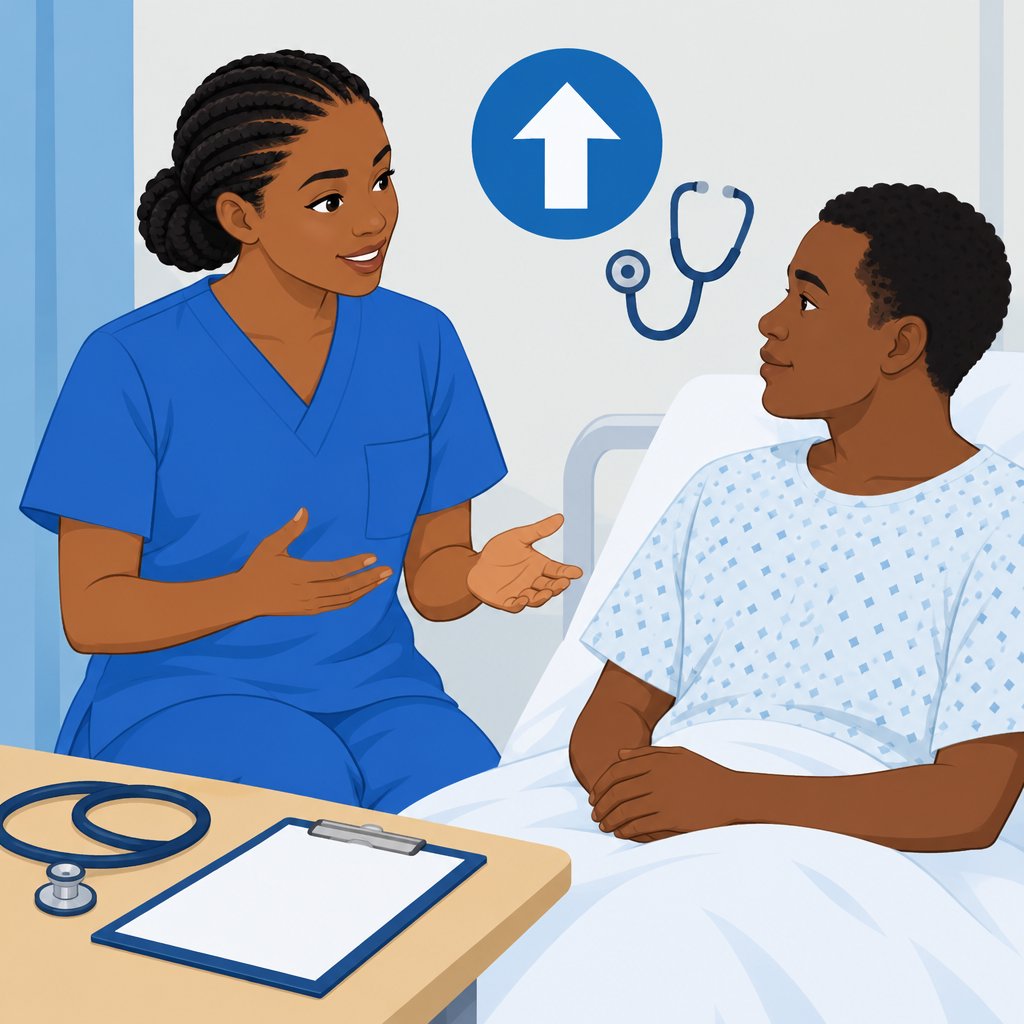
Challenges Affecting Nursing Care in Nigeria
Nurses in Nigeria face several challenges that affect their ability to deliver quality care.
These difficulties also limit their contributions to the healthcare system.
Limited resources, professional undervaluation, and heavy workloads create significant pressure.
Limited Resources and Staffing
Many Nigerian healthcare facilities lack adequate resources and sufficient nursing staff.
Shortages of personnel and supplies can reduce the quality of patient care.
Consequently, nurses often manage overwhelming workloads that increase stress and burnout.
Professional Recognition and Career Advancement
Some people view nursing as less prestigious than other healthcare professions.
This perception can weaken nurses’ morale and make them feel undervalued.
Furthermore, nurses may struggle to advance or receive equal recognition for their contributions.
High Patient-to-Nurse Ratios
High patient-to-nurse ratios create another major challenge for Nigerian nurses.
When nurses care for many patients, they may provide less individual attention.
As a result, patients may experience poorer outcomes and greater dissatisfaction.
Strengthening Nursing Care in Nigeria
Healthcare leaders must address resource shortages to support effective nursing practice.
Transform Your Career with Expert Guidance
Get personalized mentorship consulting that’s tailored to your unique path. Our expert advice is actionable and exclusive.
Get StartedThey should also improve professional recognition and create stronger career opportunities.
Reducing patient-to-nurse ratios can help nurses provide more attentive and effective care.
See Related Content: Radiography vs. Radiology: Key Differences Explained
Impact of Nursing Science on Health Outcomes
Nursing science improves health outcomes through quality and timely patient care.
This approach helps decrease mortality rates among patients.
Furthermore, nurses provide essential support throughout patient care.
Nurses also improve patient satisfaction by addressing patients’ needs.
As a result, patients experience higher levels of satisfaction with their care.
Nurses remain at the forefront of patient care delivery.
Additionally, nurses contribute to disease prevention and management.
They educate patients about healthier choices and provide ongoing support.
This support helps patients manage chronic conditions more effectively.
Consequently, nursing science promotes disease prevention and supports better health management.
Nurses remain essential members of Nigeria’s healthcare system.
Their expertise helps promote wellness and improve health throughout the population.
Explore Further: Nutrition and Dietetics: Ethical Considerations Nigeria
Education and Training of Nurses in Nigeria
Nurses form an important part of Nigeria’s healthcare system.
Their education prepares them to provide quality care for patients.
Training combines classroom learning, clinical practice, professional standards, and continuing development.
Overview of the Nursing Curriculum
Nursing education in Nigeria typically begins with a three-year diploma program.
Nursing schools across the country offer this foundational training.
The curriculum develops knowledge in scientific subjects, professional conduct, and practical nursing care.
- Students study anatomy, physiology, pharmacology, nursing ethics, and clinical practice.
- After completing the diploma, nurses may pursue a Bachelor of Science in Nursing degree.
- This additional education allows nurses to continue developing their professional knowledge.
Accreditation and Licensing Requirements
Accreditation helps maintain consistent standards across nursing programs in Nigeria.
The Nursing and Midwifery Council of Nigeria oversees these national requirements.
Licensing confirms that nurses have completed approved education and can practice legally.
- The Nursing and Midwifery Council of Nigeria must accredit nursing programs.
- Graduates must pass the council’s licensing examination before practicing legally.
- Nurses renew their licenses annually through continuing education activities.
Continuing Education Opportunities
Continuing education helps nurses maintain current knowledge after completing their initial training.
These learning activities also support professional growth and career advancement.
Furthermore, ongoing education helps nurses strengthen their clinical abilities and support better patient care.
- Nurses can attend workshops, seminars, and conferences for further learning.
- These programs help nurses improve clinical skills and follow new research findings.
- Continuing education supports professional development and career advancement.
Strengthening Nursing Preparation
Quality education gives nurses a foundation for safe and effective professional practice.
Accreditation and licensing reinforce expectations for nursing education and legal practice.
Meanwhile, lifelong learning helps nurses maintain their abilities throughout their careers.
Explore Further: Spotlight on Nigerian Dietetics Research Papers
Strengthening Nursing in Nigeria
Nursing science remains vital to Nigeria’s healthcare system by providing essential patient care.
Therefore, society must recognize and support nurses to promote quality healthcare delivery.
Investing in nursing education, training, and resources will benefit Nigeria’s entire healthcare system.
Additionally, communities should appreciate nurses’ dedication and support their professional development.
Collective action can strengthen nursing in Nigeria and improve patient outcomes through a strong nursing workforce.
Additional Resources
Google search results for Nursing Science: Role in Nigerian Healthcare System Health Sciences
Bing search results for Nursing Science: Role in Nigerian Healthcare System Health Sciences


