




Medical Education Challenges in Nigeria
Studying medicine in Nigeria presents numerous challenges that students must overcome.
Medical education remains crucial because Nigeria needs more healthcare professionals.
However, medical schools face several obstacles while providing quality education.
Limited funding and resources hinder the training of future doctors.
Moreover, outdated curricula may fail to meet current medical standards.
Limited practical training opportunities can restrict students’ clinical skills development.
Additionally, overcrowded classrooms and low faculty-to-student ratios can weaken learning outcomes.
The competitive admissions process also creates high stress among students.
Meanwhile, rapid changes in medicine require continuous professional development.
Despite these difficulties, studying medicine in Nigeria offers unique experiences and opportunities for growth.
High Cost of Medical Education
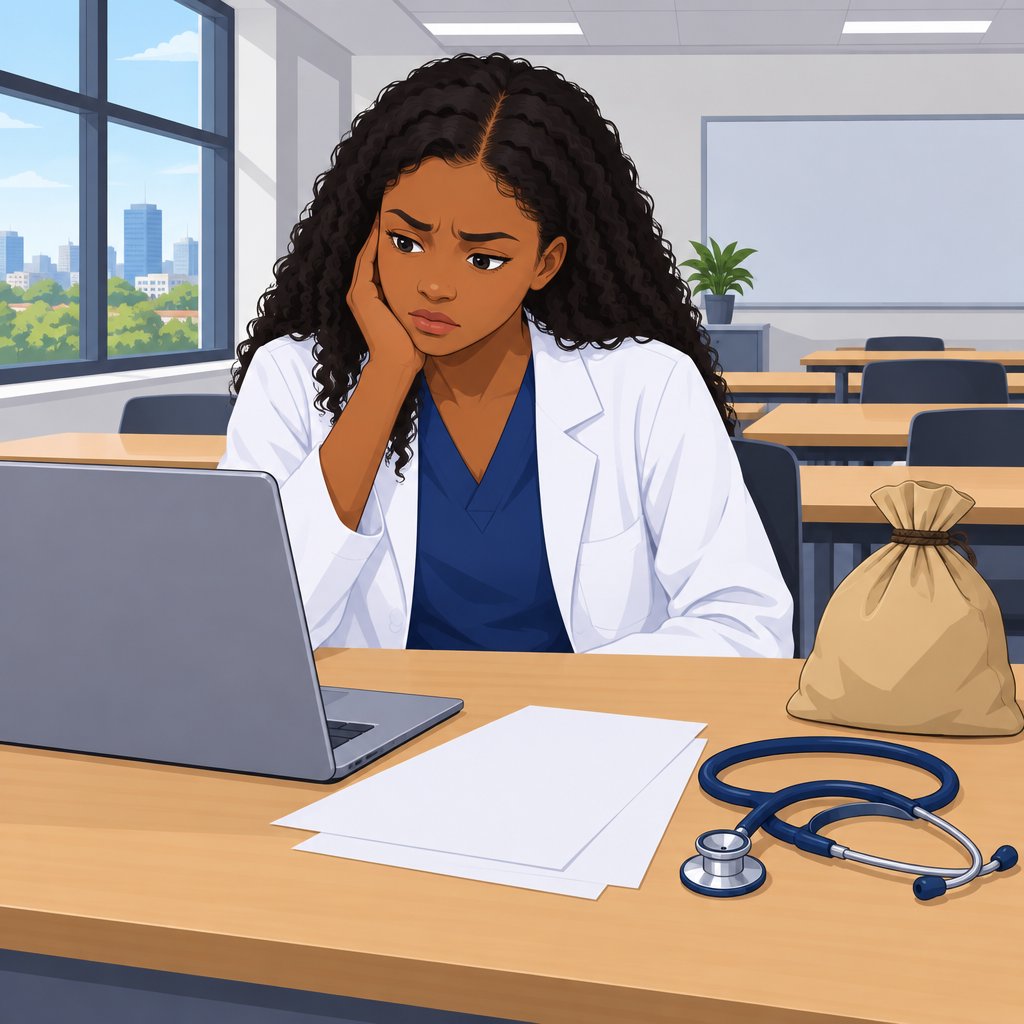
Medicine in Nigeria requires substantial financial resources.
Tuition, textbooks, equipment, and learning materials increase the cost.
These expenses create significant challenges for students and their families.
Financial Barriers to Medical Training
High tuition fees can discourage talented students from studying medicine.
Financial constraints may prevent deserving applicants from entering medical school.
Consequently, Nigeria may face fewer qualified healthcare professionals.
Limited Financial Support for Students
Many medical students receive insufficient financial assistance.
Scholarships, grants, and other support options remain limited.
Students from low-income backgrounds therefore struggle to afford medical education.
Effects on Students and Families
The financial burden affects students and their families.
Some students rely on loans or part-time jobs to meet expenses.
Those responsibilities can affect academic performance and overall well-being.
Families may also experience financial strain while supporting medical education.
Strategies for Improving Access
Government should increase funding for medical education.
More accessible scholarships and grants could support talented students.
Such assistance would help students pursue medicine regardless of financial background.
These measures could strengthen Nigeria’s trained and diverse healthcare workforce.
Limited Resources and Infrastructure
Nigerian medical schools face shortages of essential resources and infrastructure.
These shortages affect medical education, practical training, and healthcare delivery.
Therefore, schools must address these challenges to prepare competent healthcare professionals.
Shortage of Equipment and Facilities
Many medical schools lack modern equipment and suitable facilities for practical training.
Several institutions use outdated equipment or lack essential tools for medical procedures.
Consequently, students receive limited opportunities to develop practical skills.
This shortage can also affect the quality of care graduates provide after entering practice.
Without current technology and equipment, students face disadvantages compared with international peers.
Limited Access to Technology
Medical schools also struggle to provide students with adequate technological resources.
Many institutions lack infrastructure that supports digital learning and medical research.
As a result, students find it harder to follow recent developments in medicine.
Limited technology access can prevent students from keeping pace with global healthcare practices.
Ultimately, these limitations may reduce their ability to deliver effective patient care.
Transform Your Career with Expert Guidance
Get personalized mentorship consulting that’s tailored to your unique path. Our expert advice is actionable and exclusive.
Get StartedEffects on Learning and Career Prospects
Inadequate resources directly affect students’ learning experiences and future career prospects.
Students need modern facilities, equipment, and technology to gain valuable hands-on experience.
However, resource shortages restrict their opportunities to strengthen clinical skills and knowledge.
Limited practical training can weaken students’ preparation for professional responsibilities.
Furthermore, insufficient research opportunities may prevent students from developing broader academic abilities.
These conditions may discourage some students from pursuing medical careers.
Addressing infrastructure shortages can improve medical education and support stronger healthcare delivery.
Discover More: Educational Resources for Restorative Dentistry
Overcrowded Classrooms and Limited Personalized Attention
Many medical schools in Nigeria struggle with overcrowded classrooms filled with eager learners.
Large class sizes make individualized learning difficult for students.
Consequently, many students receive less personal guidance from teachers.
That limited attention can slow academic progress and weaken understanding of complex medical concepts.
Medical students also need mentorship and personalized guidance to excel in competitive academic environments.
However, overcrowded classrooms prevent professors from mentoring every student individually.
Some students may therefore feel lost or overwhelmed by demanding course material.
Such difficulties can contribute to declining academic performance.
Additionally, crowded rooms limit meaningful teacher-student interaction.
Students may struggle to ask questions or request clarification during lessons.
Likewise, they may have fewer opportunities to discuss challenging ideas with professors.
Without interactive learning, students may develop critical thinking skills more slowly.
They may also find it harder to gain practical knowledge needed for medical practice.
Educational institutions should therefore prioritize manageable class sizes and interactive learning environments.
Furthermore, mentorship opportunities can support students’ academic progress and professional development.
These measures can help medical schools support the future healthcare workforce.
Find Out More: Nigerian Health Institutions Offering Prosthetics
Outdated Curriculum and Training Methods
Students and educators question whether Nigerian medical curricula reflect current scientific knowledge and healthcare demands.
Many programs still emphasize established content while medical science and clinical practice continue advancing.
Consequently, students may receive training that does not fully address contemporary professional expectations.
- Universities should assess the relevance and effectiveness of their medical curricula.
- Medical schools should expand exposure to modern practices and healthcare technologies.
- Curriculum reform should support international standards and stronger graduate outcomes.
The curriculum can limit exposure to modern diagnostic methods, treatment approaches, and healthcare technologies.
Without sufficient practical opportunities, students may struggle to connect theoretical knowledge with current clinical applications.
Furthermore, limited access to modern practices can reduce graduates’ confidence in changing healthcare environments.
Curriculum reform should align medical education with international standards while responding to Nigeria’s healthcare context.
Such reform can update course content, teaching methods, assessment strategies, and clinical learning opportunities.
Universities can also incorporate innovative instruction and practical experience with modern medical technologies.
These changes would help graduates develop relevant knowledge and skills for their medical careers.
They could also strengthen graduate readiness for professional work and global competition.
Updating training methods would therefore support more effective medical education and competent healthcare professionals.
Uncover the Details: Nigerian Medical Journals: Top Publications to Follow
Poor Quality of Clinical Training
- Medical students in Nigeria face inadequate clinical exposure and limited hands-on experience.
- Hospitals and healthcare facilities offer too few practical training opportunities for many students.
- Clinical rotations and internships help students develop competence as future healthcare professionals.
Challenges of Inadequate Clinical Exposure
Many medical students in Nigeria receive insufficient clinical exposure during their training.
Consequently, they may struggle to apply theoretical knowledge in real-life medical settings.
Limited exposure can also weaken their development of essential clinical skills and competencies.
Impact of Limited Practical Training Opportunities
Hospitals and healthcare facilities provide limited opportunities for practical training.
As a result, students may struggle to understand clinical procedures, patient care, and treatment methods.
Regular hands-on practice would strengthen their preparation for future healthcare responsibilities.
Importance of Clinical Rotations and Internships
Clinical rotations connect theoretical knowledge with practical skills.
During these experiences, students work with patients, observe procedures, and interact with healthcare professionals.
This exposure supports clinical proficiency, critical thinking, and a deeper understanding of healthcare practices.
Gain More Insights: How to Become a Biomedical Technologist in Nigeria
Strengthening Medical Education in Nigeria
Medical education in Nigeria still faces inadequate infrastructure, insufficient funding, and limited modern equipment.
Additionally, too few qualified teaching staff and inconsistent curricula intensify these difficulties for medical students.
Therefore, reforms and investments must strengthen medical education across the country.
Government leaders should improve facilities, increase funding, and update curricula according to international standards.
Moreover, partnerships with foreign medical institutions can provide valuable insights and resources.
These collaborations can enhance the quality of medical training in Nigeria.
Scholarships and grants can help more aspiring healthcare professionals pursue medical careers.
Similarly, mentorship programs can guide students throughout their training.
Research and innovation can also support improvements in medical education.
With sustained support and investment, students can overcome these obstacles.
Consequently, they can contribute effectively to Nigeria’s healthcare system.
Additional Resources
Google search results for Challenges of Studying Medicine in Nigeria: Insights Medical
Bing search results for Challenges of Studying Medicine in Nigeria: Insights Medical


