




Rehabilitation Counseling in Nigeria
Rehabilitation counselors in Nigeria help individuals overcome various challenges.
They empower people with disabilities to pursue independent and fulfilling lives.
Furthermore, rehabilitation counseling supports recovery and reintegration into society.
This section examines assessment, goal-setting, intervention, and advocacy.
Each element supports an individual’s progress toward greater independence.
Rehabilitation counseling assists individuals with disabilities or challenges in achieving independence, integration, and social participation.
Counselors support people with physical, mental, emotional, or developmental disabilities.
They provide guidance that supports fulfilling lives and stronger community inclusion.
Foundations of Rehabilitation Counseling
- Purpose: Rehabilitation counseling uses a systematic process to help individuals establish and achieve personal, social, and vocational goals.
- Professional Role: Counselors act as advocates, facilitators, and counselors while addressing barriers to employment, education, and independent living.
- Empowerment: Moreover, empowerment builds self-confidence, self-reliance, and personal control.
Professional Responsibilities in Rehabilitation Counseling
- Counseling: Rehabilitation counselors offer individual and group counseling for emotional, psychological, and social challenges related to disability.
- Assessment: Through comprehensive assessments, they identify strengths, needs, and goals for personalized rehabilitation plans.
- Vocational Guidance: Additionally, counselors help individuals explore careers, develop job skills, and obtain suitable employment.
- Advocacy: They advocate for disability rights and promote equal access to services, resources, and opportunities.
- Case Management: Finally, case management coordinates referrals, services, and resources for comprehensive rehabilitation support.
Benefits of Empowerment and Independent Living
- Quality of Life: Empowerment improves self-esteem, confidence, and well-being, which can enhance quality of life.
- Community Integration: Furthermore, empowered individuals participate in society, join social activities, and contribute to communities.
- Self-Advocacy: Self-advocacy helps individuals communicate needs, defend rights, and make independent decisions.
- Long-Term Progress: Empowered individuals can pursue rehabilitation goals, employment, and independent living with greater confidence.
By providing support, guidance, and advocacy, counselors help individuals realize their potential.
These services also encourage meaningful participation in society.
History and Development of Rehabilitation Counseling in Nigeria
- Rehabilitation counseling in Nigeria has existed since the colonial era.
- Over time, the field has developed through important milestones and growth.
- During colonial rule, rehabilitation services mainly addressed physical disabilities, including leprosy and polio.
- After independence, Nigeria increasingly recognized the need for comprehensive rehabilitation services.
- During the 1970s and 1980s, the government established specialized rehabilitation centers for various disabilities.
Current State of Rehabilitation Counseling Services in Nigeria
- Today, rehabilitation counseling services address a wide range of disabilities in Nigeria.
- Furthermore, healthcare providers increasingly integrate rehabilitation into mainstream services.
- Many universities now offer rehabilitation counseling degree programs to meet demand for trained professionals.
- Meanwhile, nongovernmental organizations provide rehabilitation services to underserved populations.
- Government initiatives seek to improve access and promote inclusion for people with disabilities.
Discover More: Salary Expectations for Dental Technologists in Nigeria
Common Challenges Faced by Rehabilitation Counselors in Nigeria
Rehabilitation counselors in Nigeria face several challenges that affect their professional work.
Limited training and resources can restrict the quality and reach of rehabilitation programs.
Additionally, limited public understanding and discrimination create further difficulties.
- Lack of adequate training and professional development opportunities.
- Limited resources and funding for rehabilitation programs.
- Lack of awareness and understanding of rehabilitation counseling’s importance.
- Stigmatization and discrimination towards individuals with disabilities.
Barriers to Accessing Rehabilitation Counseling Services in Nigeria
People in Nigeria encounter several barriers when seeking rehabilitation counseling services.
Rural communities may have fewer nearby services because geography limits access.
Moreover, costs, infrastructure gaps, and cultural beliefs can discourage service use.
- Geographical limitations, especially in rural areas with limited access to services.
- High service costs that make counseling unaffordable for many individuals.
- Lack of infrastructure and support systems for people with disabilities.
- Cultural beliefs and traditions that may hinder acceptance of counseling services.
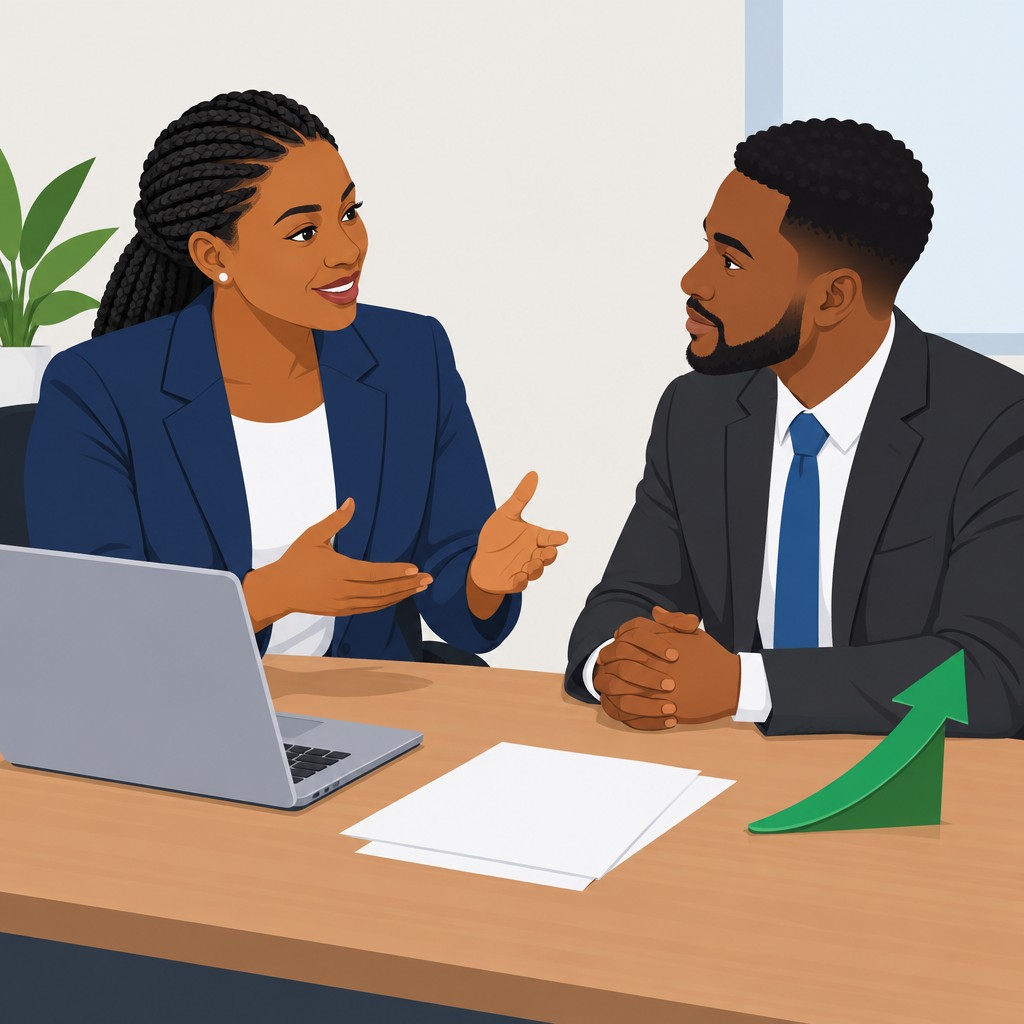
Addressing Stigma and Discrimination in Rehabilitation Counseling
Reducing stigma requires coordinated action from communities, healthcare professionals, policymakers, and advocacy groups.
Education campaigns can promote acceptance and improve understanding of rehabilitation counseling.
Meanwhile, inclusive training, policy advocacy, and organizational support can challenge discrimination.
- Education and awareness campaigns to reduce stigma and promote acceptance.
- Training healthcare professionals on the importance of inclusive practices.
- Lobbying for policy changes to protect the rights of individuals with disabilities.
- Supporting advocacy groups and organizations that work towards eliminating discrimination.
Find Out More: Mental Health Helplines and Hotlines in Nigeria
Vocational Rehabilitation in Nigeria
Vocational rehabilitation helps people with disabilities or health conditions overcome barriers to employment.
In Nigeria, this process supports skill development, suitable work, independence, and broader participation in society.
It also strengthens economic development by helping individuals contribute through employment or self-employment.
Vocational Rehabilitation and Its Significance
The process assesses each person’s strengths, limitations, interests, and abilities.
Professionals use these assessments to identify suitable occupations and necessary workplace support.
Consequently, participants can pursue realistic employment goals and improve their quality of life.
Empowering Individuals Through Vocational Rehabilitation
Programs provide vocational training, career counseling, and job placement services.
These services help participants develop practical skills and increase their employability.
As a result, individuals can become more self-reliant and contribute actively to their communities.
Success Stories from Nigerian Vocational Rehabilitation Programs
The Vocational Rehabilitation Center in Lagos has helped thousands of individuals with disabilities secure jobs.
Additionally, National Directorate of Employment vocational programs have enabled many Nigerians to start businesses.
These examples demonstrate how structured support can promote economic independence and social participation.
Uncover the Details: Pathogen Studies in Nigeria: An Overview
Strategies for Effective Rehabilitation Counseling in Nigeria
Rehabilitation counseling in Nigeria requires coordinated strategies that respond to each client’s needs.
These strategies can help counselors provide more effective rehabilitation support.
They also encourage better planning, cooperation, and client participation throughout rehabilitation.
Comprehensive Assessment
Counselors should conduct thorough assessments before developing rehabilitation plans.
Assessments identify clients’ needs, strengths, and barriers to successful rehabilitation.
Therefore, accurate information helps counselors create appropriate and responsive support.
Transform Your Career with Expert Guidance
Get personalized mentorship consulting that’s tailored to your unique path. Our expert advice is actionable and exclusive.
Get StartedIndividualized Treatment Plans
Counselors should develop treatment plans that reflect each client’s needs and goals.
Personalized planning allows counselors to address individual circumstances more effectively.
As a result, clients can receive support that matches their rehabilitation objectives.
Holistic Rehabilitation Support
Counselors should address clients’ physical, mental, emotional, and social needs.
This holistic approach recognizes the different factors that influence rehabilitation.
Additionally, integrated support can help counselors respond to clients more fully.
Collaboration with Other Professionals
Counselors should collaborate with healthcare providers, social workers, and other professionals.
Such collaboration supports comprehensive care for clients during rehabilitation.
Furthermore, professional cooperation can improve coordination across different areas of support.
Continuous Education and Training
Counselors should participate in ongoing education and professional training.
Continuous learning helps them remain informed about current rehabilitation practices.
Consequently, updated knowledge can strengthen the quality of counseling services.
Improving Rehabilitation Counseling Outcomes
These strategies can strengthen rehabilitation counseling services in Nigeria.
Counselors can use them to provide more responsive and coordinated client support.
Ultimately, consistent implementation can help clients pursue successful rehabilitation outcomes.
Discover More: Medical Student Societies and Clubs in Nigeria
Case Studies and Success Stories in Rehabilitation Counseling
- John lost his leg in an accident and received counseling to cope with his disability.
- Grace experienced domestic violence and regained confidence through supportive counseling sessions.
- Vocational training has empowered many individuals to start their own businesses.
- Drug rehabilitation has helped many addicts overcome dependencies and lead healthier lives.
- Rehabilitation counseling also supports families by creating a ripple effect of positive change.
- Communities benefit when rehabilitation programs help individuals become productive members.
These case studies demonstrate rehabilitation counseling’s profound impact on individuals’ lives in Nigeria.
Personalized interventions and support help people overcome challenges, thrive, and contribute positively to their communities.
Rehabilitation Counseling and Inclusive Communities
In Nigeria, rehabilitation counseling helps individuals with disabilities lead fulfilling lives.
It provides support and guidance that help them integrate into society.
Moreover, this profession empowers individuals to reach their full potential.
It also enables them to contribute meaningfully to their communities.
These benefits improve clients’ lives and strengthen society as a whole.
Therefore, continued discussion can increase awareness of rehabilitation counseling’s value in Nigeria.
Advocates should support expanding and improving rehabilitation counseling services across the country.
Such efforts can help everyone access the resources they need to thrive.
Additional Resources
Google search results for Understanding Rehabilitation Counseling Nigeria Medical
Bing search results for Understanding Rehabilitation Counseling Nigeria Medical


