



Radiography Services in Nigeria
Radiography supports Nigeria’s healthcare system through essential medical imaging services.
Radiographers operate X-ray and other imaging equipment to support accurate diagnosis.
Through their work, these professionals help clinicians identify illnesses and injuries.
However, radiographers face several challenges that affect their services and professional well-being.
Challenges Affecting Radiographers in Nigeria
Many facilities lack adequate imaging equipment, contrast media, and protective gear.
Consequently, limited resources can prevent radiographers from providing consistent diagnostic services.
Additionally, Nigeria has too few qualified radiography professionals for its healthcare needs.
This workforce shortage increases workloads and contributes to burnout among existing staff.
Radiographers also receive inadequate compensation for their demanding responsibilities.
Therefore, low remuneration can reduce motivation and encourage skilled professionals to leave the field.
Meanwhile, technological advances make continuous education essential for radiography professionals.
Yet, many radiographers cannot access sufficient training and professional development opportunities.
Career progression presents another difficulty through limited promotions, specialization opportunities, and professional growth.
As a result, some professionals experience career stagnation and reduced motivation.
Workplace safety also remains a serious concern for radiographers in Nigeria.
Inadequate safety measures can expose them to radiation and ergonomic hazards.
Addressing these challenges can strengthen diagnostic services and protect radiographers’ health and well-being.
Lack of Adequate Infrastructure
Lack of adequate infrastructure remains a major challenge in Nigeria’s radiography profession.
This infrastructure gap limits access to modern equipment and technology.
Consequently, radiographers may struggle to provide accurate diagnoses without proper tools.
- Radiographers have limited access to modern equipment and technology.
- They may struggle to provide accurate diagnoses without proper tools.
- Inadequate infrastructure can affect patient care and outcomes.
Therefore, inadequate infrastructure can negatively affect patient care and outcomes.
Inadequate Training and Education
- Professional development opportunities remain insufficient for radiographers in Nigeria.
- Additionally, limited specialized programs make it difficult for radiographers to develop advanced skills.
- Consequently, inadequate education makes it harder for radiographers to follow advances in their field.
See Related Content: Continuing Education for Optometrists in Nigeria
Poor Working Conditions Affect Radiographers in Nigeria
Poor working conditions create major challenges for radiographers in Nigeria.
High demand for medical imaging services often extends their working hours.
Understaffing in many healthcare facilities further increases their workload.
Long Hours and Understaffing in Healthcare Facilities
Radiographers often work long hours because healthcare facilities face high demand for medical imaging services.
Understaffing in many facilities further increases the workload placed on radiographers.
These conditions make daily responsibilities more demanding for radiographers.
Radiation Hazards Without Proper Protection
Radiographers may face radiation hazards when facilities lack adequate protection.
Insufficient shielding and safety measures can increase their long-term health risks.
Constant workplace exposure makes proper protection essential for their safety.
Stressful Work Environments and Burnout
Healthcare facilities can create stressful environments for radiographers.
High-pressure situations, challenging cases, and demanding patients increase workplace stress.
Over time, this pressure can harm their mental and emotional well-being, leading to burnout.
Healthcare facilities and policymakers should address these working conditions.
Addressing staffing and radiation protection remains essential for radiographers.
Reducing workplace stress can also help limit burnout among radiographers.
Gain More Insights: Insurance Coverage for Restorative Dental Work
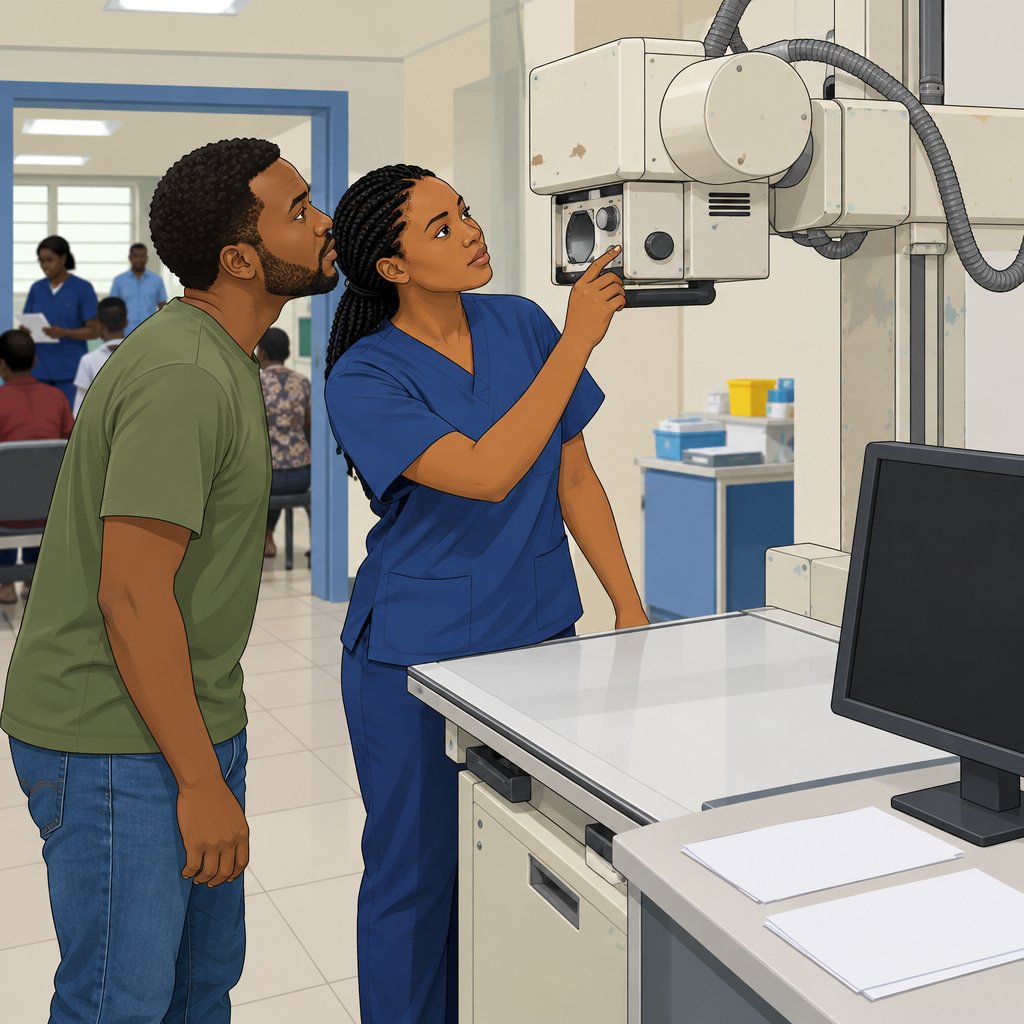
Low Salaries and Financial Challenges
- Radiographers often receive lower salaries than other healthcare professionals.
- Low earnings can make it difficult to meet basic needs and support families.
- Limited career advancement can restrict opportunities for higher pay.
Radiographers in Nigeria often receive lower salaries than other healthcare professionals, despite their essential responsibilities.
Consequently, this pay disparity creates financial pressure for professionals working in radiography.
Transform Your Career with Expert Guidance
Get personalized mentorship consulting that’s tailored to your unique path. Our expert advice is actionable and exclusive.
Get StartedLow earnings can make it difficult for radiographers to meet basic needs and support their families.
Additionally, rising living costs can intensify this pressure and make essential expenses harder to manage.
These expenses may include housing, transportation, and healthcare for radiographers and their loved ones.
Furthermore, limited career advancement opportunities can restrict access to higher pay.
Without clear progression, many radiographers may feel trapped in their current financial circumstances.
As a result, limited upward mobility can cause frustration and reduce job satisfaction.
Healthcare organizations and policymakers should address these financial challenges.
Fair compensation can recognize radiographers’ essential contributions and provide stronger financial support.
You Might Also Like: Role of Professional Bodies in Nigerian Medical Education
Lack of Recognition and Respect
Radiographers in Nigeria often face limited recognition within the healthcare system.
These challenges affect their professional lives and overall job satisfaction.
Therefore, healthcare organizations should acknowledge radiographers as valuable members of patient care teams.
Radiographers’ Importance Within Healthcare Teams
- Healthcare professionals sometimes undervalue radiographers despite their vital role in patient care.
- This limited recognition can cause frustration and dissatisfaction among radiographers.
- Greater acknowledgment can help radiographers perform their duties more effectively and efficiently.
Understanding Radiographers’ Roles and Responsibilities
- Many people lack awareness of radiographers’ duties and contributions.
- Misconceptions can obscure the scope of radiographers’ professional responsibilities.
- Unclear expectations can place additional stress and burdens on radiographers.
Effects on Morale and Job Satisfaction
- Undervaluing radiographers can reduce their morale and job satisfaction.
- Feeling unappreciated can decrease motivation, engagement, and workplace happiness.
- Limited recognition may contribute to burnout and reduced quality of patient care.
Healthcare organizations can improve the work environment by recognizing radiographers’ contributions.
Education about radiographers’ roles can also encourage stronger collaboration across healthcare teams.
Gain More Insights: Paediatric Specialties Available in Nigeria
Regulatory Issues and Legal Restrictions
Regulatory issues create significant challenges for radiographers in Nigeria.
These challenges can limit effective practice and restrict professional growth.
Therefore, radiographers need clear regulations and accessible licensing procedures.
Challenges in Obtaining Licenses and Certifications
Radiographers often face complex processes when obtaining licenses and certifications.
Furthermore, bureaucratic procedures can make licensing slow and difficult to navigate.
State and regional requirements may also differ, creating additional confusion for radiographers.
- Radiographers must obtain the necessary licenses and certifications before practicing.
- The licensing process can require substantial time and administrative effort.
- Different regional requirements can make the process harder to understand.
- Failure to obtain required credentials can lead to legal consequences.
Inconsistencies in Regulations and Guidelines
Regulations and guidelines governing radiography may not remain consistent across Nigeria.
Consequently, radiographers may struggle to identify and follow every legal requirement.
Clearer national standards would help radiographers understand their professional responsibilities.
- Inconsistent regulations can create uncertainty for radiographers.
- Unclear requirements may cause radiographers to violate rules unknowingly.
- Regulatory violations can expose radiographers to potential legal consequences.
- Standardized guidelines would provide greater clarity across the country.
Legal Barriers to Professional Growth
Restrictive laws can limit radiographers’ professional growth and development.
In addition, legal restrictions may narrow their permitted scope of practice.
These limitations can discourage further education, training, and professional advancement.
- Legal restrictions may prevent radiographers from performing certain procedures.
- Some regulations may restrict access to specific equipment or professional duties.
- Limited authority can reduce opportunities for professional advancement.
- Regulatory reforms could support radiographers’ growth and development.
Regulatory Reform and Professional Practice
Legislative reforms could create a more supportive environment for radiographers.
Streamlined licensing procedures would reduce administrative difficulties and improve compliance.
Moreover, harmonized regulations would help radiographers practice safely and develop professionally.
- Regulatory bodies should promote consistent requirements across Nigeria.
- Clear guidelines would help radiographers understand their legal obligations.
- Accessible licensing systems could support effective professional practice.
- Legal reforms could strengthen opportunities for professional development.
Strengthening Radiography in Nigeria
Radiographers in Nigeria face challenges, including inadequate equipment and low salaries.
Therefore, stakeholders must address these issues and support the radiography profession.
Furthermore, recognizing radiographers’ contributions supports a well-functioning healthcare system.
Additional Resources
Google search results for Challenges in the Radiography Profession in Nigeria Medical
Bing search results for Challenges in the Radiography Profession in Nigeria Medical


