




Radiology and Student Interest
Radiology uses medical imaging to diagnose and treat diseases within the body.
It plays a crucial role in modern healthcare through non-invasive imaging techniques.
These techniques help healthcare professionals visualize and understand internal body structures.
Recently, Nigerian students have shown increasing interest in studying radiology.
This interest reflects growing demand for skilled radiologists in local and global healthcare sectors.
Educational Challenges in Nigerian Radiology Training
Nigeria’s educational system strongly influences the experience of studying radiology.
Students encounter obstacles that affect their learning, clinical preparation, and professional development.
These challenges reflect limitations in education, resources, supervision, and practical training opportunities.
Challenges Within the Educational System
Many radiology students struggle to access quality education because institutions face significant limitations.
Additionally, universities may lack experienced faculty members who can guide and mentor students effectively.
Insufficient infrastructure and funding further reduce the quality of radiology training.
- Limited access to quality education restricts students’ academic progress.
- Inexperienced faculty members reduce available guidance and mentorship.
- Inadequate infrastructure limits effective instruction and skills development.
- Insufficient funding reduces access to essential learning resources and equipment.
- An outdated curriculum may not reflect advances in radiology.
Resource and Equipment Limitations
Universities often lack essential equipment for radiology students to develop practical skills.
Moreover, limited textbooks, software, and research materials can hinder academic progress.
Poor equipment maintenance can cause breakdowns and delay practical training.
- Equipment shortages limit opportunities for hands-on radiology training.
- Restricted resource access makes learning and research more difficult.
- Inadequate study materials limit students’ ability to support their coursework.
- Poor maintenance causes equipment failures and training delays.
Practical Experience and Clinical Training
Students may receive limited clinical exposure, which can affect their skills development.
Furthermore, insufficient internship programs reduce access to valuable hands-on training.
Students also compete for placements and may receive inadequate supervision during practical work.
- Limited clinical exposure restricts students’ experience in healthcare settings.
- Few internship programs reduce access to practical learning opportunities.
- Competitive placements make it difficult for students to secure clinical training.
- Inadequate supervision can weaken learning outcomes during practical training.
Coordinated Support for Radiology Training
Educational institutions, government agencies, and healthcare stakeholders must address these training challenges.
They can improve education by strengthening resources, infrastructure, supervision, and clinical opportunities.
Coordinated action can improve the educational experience for radiology students in Nigeria.
Admission Process and Requirements for Radiology Studies
Radiology programs in Nigerian universities follow specific admission procedures.
Applicants must meet academic requirements before universities consider their applications.
Therefore, prospective students should understand each requirement before applying.
Examination Requirements for Admission
Most universities require applicants to take the Joint Admissions and Matriculation Board examination.
The examination assesses subjects such as English Language, Mathematics, and science-related disciplines.
Some universities may also conduct additional entrance examinations for their radiology programs.
These institution-specific examinations may test Biology, Chemistry, and Physics knowledge.
Competition for Radiology Program Admission
Radiology programs can attract many qualified applicants.
However, universities often have limited spaces available for successful candidates.
Consequently, applicants may need strong examination results to improve their admission prospects.
Students should prepare carefully and meet every academic requirement set by their chosen universities.
Importance of Secondary School Science Subjects
Secondary school science subjects form an important part of radiology admission requirements.
Universities commonly expect applicants to study Biology, Chemistry, and Physics.
These subjects provide essential academic preparation for later radiology coursework.
Therefore, students should develop strong science foundations during their secondary education.
Find Out More: Aftercare Tips for Restorative Dental Procedures
Curriculum and Courses in Radiology Programs in Nigeria
Radiology programs in Nigeria combine theoretical instruction with practical training.
The curriculum prepares students for professional responsibilities in various healthcare settings.
Students develop knowledge and skills that support accurate and safe imaging procedures.
Core Courses in Radiology Programs
Students study several subjects that establish a strong foundation in radiology.
Transform Your Career with Expert Guidance
Get personalized mentorship consulting that’s tailored to your unique path. Our expert advice is actionable and exclusive.
Get StartedThese subjects explain imaging principles, patient positioning, anatomy, disease, and radiation safety.
They also help students connect classroom concepts with clinical responsibilities.
- Radiation Physics covers radiation principles, interactions with matter, and safety measures.
- Radiographic Technique teaches patient positioning and radiographic equipment operation.
- Anatomy and Physiology explains the body’s structure and functions.
- Pathology examines diseases and abnormalities shown on diagnostic images.
- Radiation Protection teaches students to reduce exposure in healthcare environments.
Together, these courses provide essential academic preparation for radiology students.
Their combined content supports safe and effective practice after graduation.
Students therefore gain a balanced understanding of radiology principles and procedures.
Integration of Theory and Practical Training
Radiology programs emphasize both theoretical understanding and practical competence.
Students learn the principles behind radiographic imaging, radiation physics, and patient care.
Clinical practice allows students to apply classroom knowledge in professional environments.
Hands-on experience helps students perform imaging procedures accurately and safely.
This integrated approach supports readiness for employment in radiology.
Graduates can use their combined knowledge and skills within healthcare settings.
Continuous Learning and Professional Development
Radiology continues to change as imaging technology advances.
Therefore, professionals must continue developing their knowledge and technical abilities.
Students can prepare for this responsibility through ongoing professional development.
They may attend conferences, join workshops, or pursue specialized education.
Keeping current with developments helps professionals maintain competence.
It also supports high-quality patient care and effective use of new technologies.
Delve into the Subject: Health Campaigns Against Parasites in Nigeria
Practical Training and Internships for Radiology Students in Nigeria
Practical training forms a crucial part of radiology education in Nigeria.
These hands-on experiences shape students’ skills and knowledge.
They also prepare future radiographers for professional responsibilities.
Challenges in Finding Internship Opportunities
Radiology students often struggle to find available internship placements.
Healthcare facilities offer limited positions despite strong demand.
Some institutions prioritize their own students when assigning internships.
This practice makes placements more difficult for external candidates.
Additionally, internship applications often involve strict criteria and deadlines.
Consequently, students face a competitive and demanding application process.
Importance of Hands-On Experience in Radiology
Hands-on experience helps students apply theoretical knowledge in clinical settings.
Students work directly with patients, imaging equipment, and healthcare professionals.
Through this work, they develop practical radiographic skills.
Practical training also strengthens students’ understanding of imaging techniques.
Furthermore, clinical exposure builds confidence and familiarity with workplace responsibilities.
Students also learn to manage challenges within clinical environments.
They collaborate with radiographers, radiologists, and other healthcare professionals.
This collaboration develops teamwork and communication skills.
Benefits of Practical Training for Future Careers
Internships expose students to different imaging modalities and procedures.
They also help students understand various radiographic techniques.
As a result, students develop broader knowledge of radiology practice.
Internships also connect students with professionals across the industry.
These connections may support future employment opportunities after graduation.
Moreover, practical experience can strengthen students’ employability and career prospects.
Clinical practice allows students to apply knowledge to real-world situations.
This application improves their problem-solving and critical-thinking abilities.
Ultimately, practical training prepares students for clinical workplace demands.
See Related Content: Future Prospects for Orthopaedic Tech in Nigeria
Career Prospects for Radiology Graduates
Radiology graduates can pursue careers in hospitals, diagnostic centers, and research institutions.
Healthcare facilities increasingly need professionals who can support accurate medical imaging services.
These professionals help healthcare teams detect and diagnose illnesses at an early stage.
- Graduates can seek employment across several healthcare settings.
- Radiology professionals contribute valuable expertise to patient care teams.
- Research institutions also offer opportunities for graduates who pursue investigative work.
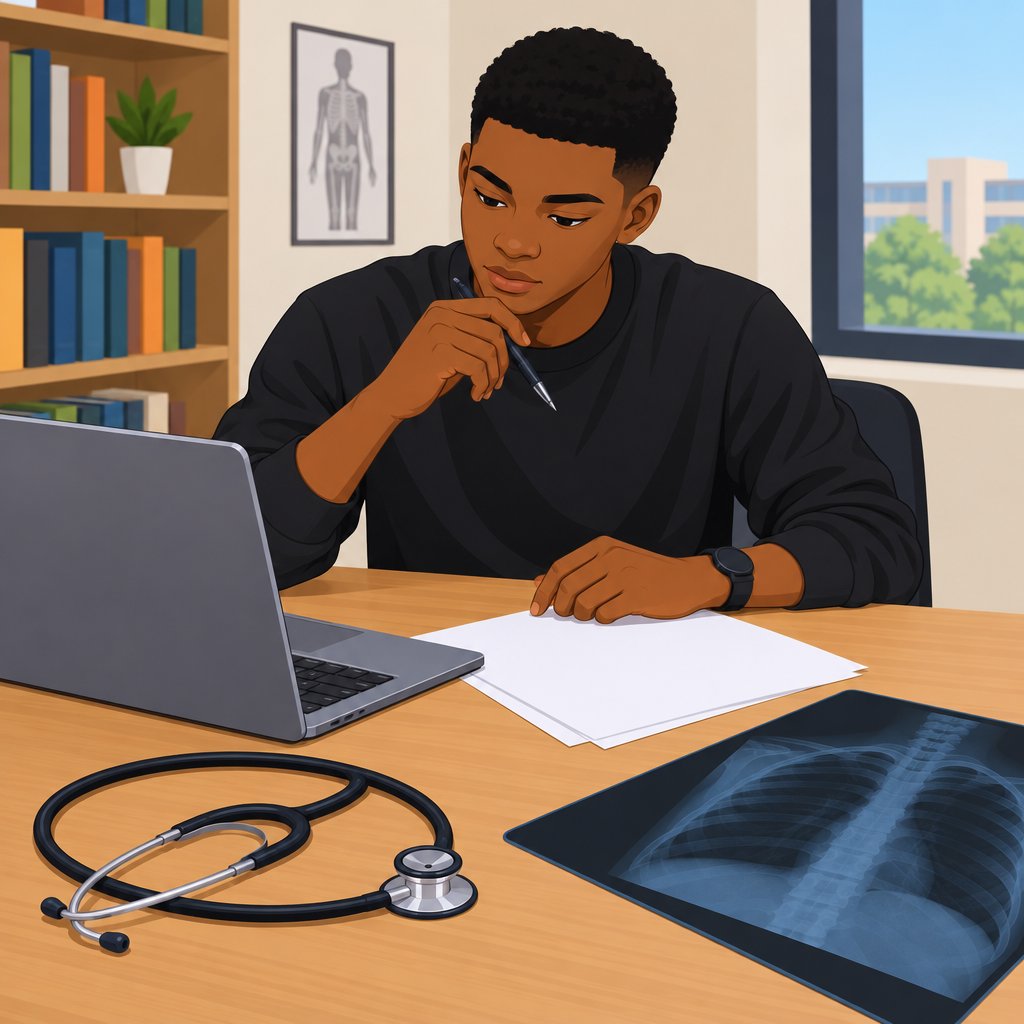
Demand for Radiology Professionals
Nigerian healthcare facilities continue seeking qualified radiology professionals for diagnostic services.
Radiologists interpret medical images and help physicians make informed decisions about patient care.
Moreover, advancing healthcare technology increases demand for professionals with current imaging knowledge.
- Hospitals require timely and accurate image interpretation.
- Diagnostic centers depend on skilled professionals to serve patients effectively.
- Knowledge of newer imaging techniques can improve employment prospects.
Salary Expectations in Nigeria
Radiology salaries vary according to experience, specialization, and employment location.
Entry-level radiologists may earn approximately NGN100,000 to NGN150,000 monthly.
Experienced professionals may earn as much as NGN500,000 monthly.
- Private healthcare facilities may offer higher earning potential.
- Professionals who establish practices may increase earnings through patient volume and reputation.
- Specialization and experience can influence compensation levels.
Professional Opportunities in Nigerian Healthcare
Radiology offers graduates a pathway into Nigeria’s healthcare sector.
Professionals can support diagnosis while developing expertise across different healthcare environments.
Therefore, graduates can pursue a rewarding career with opportunities for professional growth.
Discover More: Scholarships for Nigerian Medical Students: Top Sources
Advanced Education Supports Radiology Career Development
Nigerian students can use continuing education to remain current with advances in radiology.
Further study deepens professional knowledge and strengthens expertise.
Specialization can improve career opportunities and earning potential in a competitive job market.
Postgraduate Study and Certification Options
Postgraduate programs may include Master’s or PhD studies in Medical Imaging, Radiological Science, or Diagnostic Radiography.
Students can also pursue certifications in Computed Tomography, Magnetic Resonance Imaging, or Nuclear Medicine.
These pathways help learners build focused expertise and expand their radiology skills.
Continuous Learning and Career Advancement
Continuous learning can improve diagnostic skills, patient care, and professional performance.
Staying current with techniques and technologies may support promotions and new career opportunities.
Employers often value professionals who demonstrate commitment to lifelong learning and development.
Challenges Faced by Radiology Students in Nigeria
Radiology students in Nigeria face several barriers during academic and clinical preparation.
Limited resources can restrict practical learning and exposure to current imaging equipment.
Additionally, staffing, funding, and technology changes can affect their progress.
- Limited resources and outdated equipment can hinder practical training.
- Students may lack hands-on training opportunities in modern imaging techniques.
- Inadequate funding can restrict radiology research projects and academic initiatives.
- Faculty shortages can create overcrowded classrooms and reduce mentorship opportunities.
- Students may struggle to follow rapidly evolving technology and imaging trends.
Opportunities for Growth and Development in Radiology
Radiology also offers several avenues for professional growth and development.
Growing service demand can create opportunities across radiology settings.
Meanwhile, collaboration, professional events, and specialization can strengthen career development.
- Increasing disease prevalence can raise demand for radiology services.
- Telemedicine platforms can support remote interpretation and consultation services.
- International radiology organizations can provide knowledge exchange and training opportunities.
- Conferences and workshops can help professionals follow industry advancements.
- Students can specialize in interventional radiology or nuclear medicine.
Importance of Networking and Building Relationships in the Industry
Professional relationships can support students as they build radiology careers.
Networking connects learners with experienced professionals and potential mentors.
Furthermore, industry relationships can support internships, research, publications, and advancement.
- Networking helps students connect with experienced professionals and potential mentors.
- Professional relationships can create internship opportunities and job referrals.
- Industry connections can provide research collaborations and publication opportunities.
- Networking events and conferences support knowledge sharing and career advancement.
- A strong professional network can improve job prospects and career growth.
Professional Growth and Patient Care in Radiology
Nigerian students pursuing radiology careers face challenges, yet they also experience rewarding opportunities.
Their journey combines rigorous academic study, clinical practice, and continuous learning.
Students often struggle with demanding coursework before gaining satisfaction from accurate patient diagnoses.
These experiences support personal growth and professional fulfillment.
Prospective students should remain motivated and dedicated throughout their training.
Perseverance helps them overcome obstacles and reach their potential.
Furthermore, embracing challenges encourages students to strengthen their radiology skills.
Radiology requires academic excellence and a compassionate approach to patient care.
Students must also commit themselves to responsible healthcare service.
By focusing on their goals, Nigerian students can develop successful radiology careers.
Their dedication can help improve healthcare in their communities.
Additional Resources
Google search results for Studying Radiology: Nigerian Student Experiences Medical
Bing search results for Studying Radiology: Nigerian Student Experiences Medical


