



Microbiological Safety Standards in Nigeria
Microbiological safety standards provide guidelines for protecting products from harmful microorganisms.
These standards protect consumers by helping prevent foodborne illnesses.
In Nigeria, they support the quality and safety of food, water, and other products.
Additionally, compliance helps protect the population from diseases caused by microbial contamination.
The government can promote public health by implementing these standards effectively.
Without them, microbial contamination could increase the risk of infections and disease outbreaks.
By applying these guidelines, authorities can ensure that products meet defined safety and quality criteria.
Consequently, microbiological safety standards help protect public health and promote a safer environment.
Existing Microbiological Safety Standards in Nigeria
Nigeria currently applies NAFDAC guidelines for microbiological safety.
These guidelines address food safety, water quality, and pharmaceutical products.
They aim to protect public health and support product safety.
- NAFDAC guidelines cover several areas of microbiological safety.
- The standards address food, water, and pharmaceutical products.
- These requirements help protect people who consume regulated products.
Updates and Amendments
Recently, Nigeria has pursued stronger microbiological safety measures.
Proposed amendments seek alignment with international best practices.
Furthermore, the government is developing a more robust regulatory framework.
- Recent efforts focus on strengthening microbiological safety standards.
- Proposed amendments would improve existing safety measures.
- The government is working toward stronger regulatory oversight.
Government Agencies Responsible
NAFDAC enforces microbiological safety standards across several sectors.
The agency conducts inspections and monitors compliance with applicable requirements.
Additionally, SON helps ensure that products meet relevant safety standards.
- NAFDAC conducts inspections across regulated sectors.
- The agency monitors compliance and takes enforcement action when necessary.
- SON also supports compliance with applicable safety standards.
Challenges in Enforcing Microbiological Safety Standards in Nigeria
Nigeria lacks adequate laboratory facilities, equipment, and resources for microbiological safety testing.
Consequently, authorities struggle to enforce and monitor safety standards effectively.
Limited infrastructure also restricts regular testing across relevant sectors.
Insufficient funding further weakens microbiological safety programs.
Without adequate funding, authorities cannot conduct regular inspections, testing, and monitoring.
Therefore, businesses may fail to meet required safety standards consistently.
Nigeria also faces a shortage of skilled microbiologists and other safety professionals.
This shortage hampers the implementation and enforcement of microbiological safety requirements.
Moreover, limited expertise reduces the effectiveness of safety programs across various sectors.
Public Health and Economic Implications
These limitations increase the likelihood that contaminated products will reach consumers.
Food contamination can expose consumers to salmonellosis, cholera, and typhoid.
Additionally, weak monitoring can support infectious disease transmission.
Poor sanitation, contaminated water, and unsafe food handling can cause diarrhea, hepatitis, and other infections.
These disease outbreaks can place additional pressure on the healthcare system.
They can also reduce productivity and increase healthcare costs for individuals and government.
Furthermore, inadequate safety practices can damage Nigeria’s international reputation.
Consequently, foreign investment, trade partnerships, and tourism may decline.
Businesses that violate safety regulations may face fines, closures, and lawsuits.
Such legal consequences can harm business reputation and market viability.
Addressing these challenges requires better infrastructure, stronger funding, and expanded professional expertise.
These improvements can safeguard public health and strengthen safety practices.
Furthermore, effective enforcement can support economic prosperity and Nigeria’s reputation.
Delve into the Subject: Anatomy Textbooks Recommended in Nigeria
Transform Your Career with Expert Guidance
Get personalized mentorship consulting that’s tailored to your unique path. Our expert advice is actionable and exclusive.
Get StartedDirect Effects of Microbiological Safety Standards on Public Health
Microbiological safety standards directly protect public health by reducing risks linked to contaminated food.
They require food establishments to control harmful bacteria, viruses, and other pathogens.
As a result, consumers face fewer opportunities to encounter microorganisms that cause disease.
Moreover, compliance supports consistent food quality during preparation and service.
Foodborne Illness Outbreaks Caused by Non-Compliance
Non-compliance can trigger foodborne illness outbreaks among consumers.
For example, Salmonella or E. coli contamination can spread illness through affected food products.
Additionally, inadequate sanitation can leave pathogens in preparation areas.
Improper storage and poor hygiene can also support the spread of foodborne diseases.
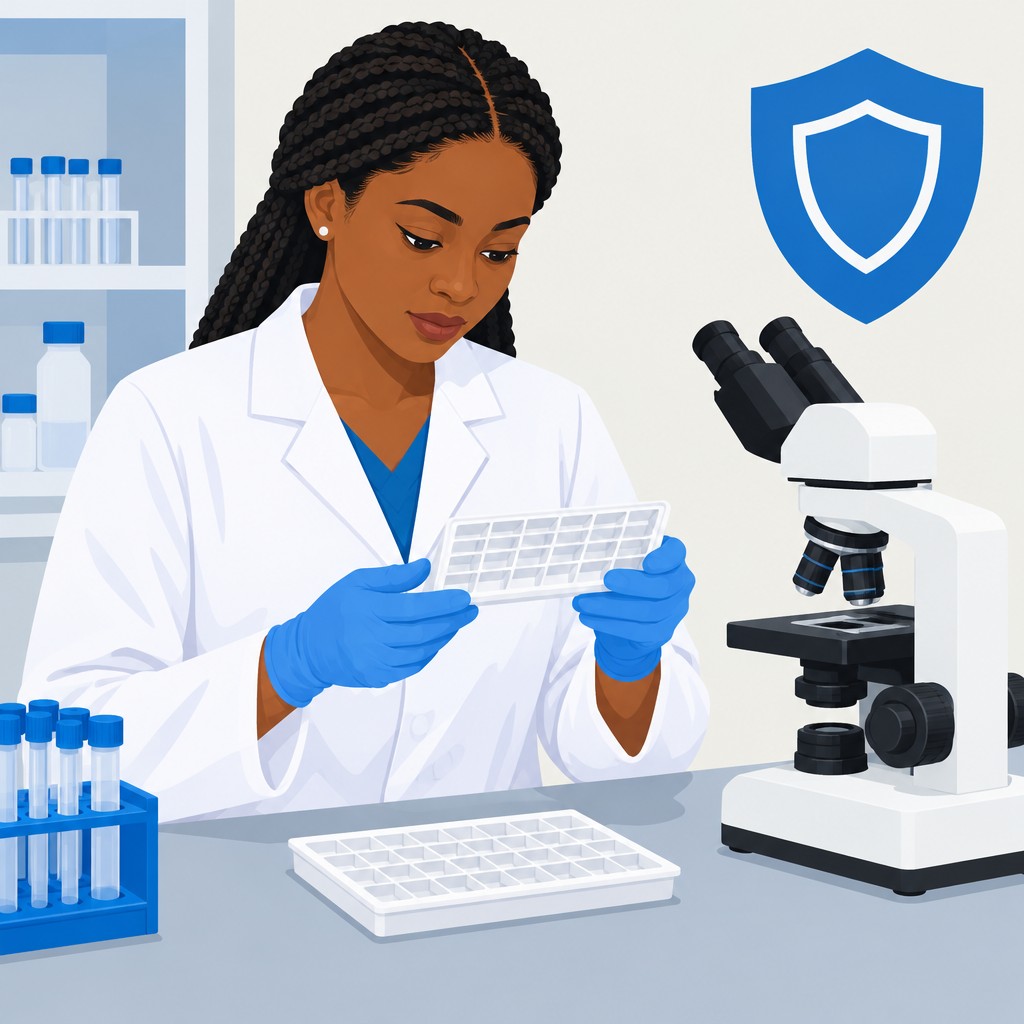
Continuous Monitoring and Enforcement for Safer Food
Continuous monitoring helps regulators identify unsafe practices before they harm consumers.
Regular inspections and audits assess whether establishments follow microbiological safety requirements.
Furthermore, enforcement actions can discourage violations and strengthen accountability.
Fines or closures may address establishments that fail to protect consumers.
Together, monitoring and enforcement support safer food and a healthier population.
Learn More: Online Courses for Biomedical Technology in Nigeria
Ongoing Initiatives Supporting Microbiological Safety
Nigeria continues improving microbiological safety through cooperation among government agencies, food companies, and international organizations.
These efforts combine inspections, staff training, technical assistance, and public communication.
Together, participating organizations support safer practices across the food industry.
- NAFDAC sets and enforces microbiological safety standards.
- The agency regularly inspects food processing facilities for compliance.
- Food companies invest in staff training for proper food handling and hygiene practices.
- The WHO partners with Nigerian health authorities on microbiological safety.
- These partnerships support capacity building, knowledge sharing, and technical assistance.
Successful Interventions and Their Effects
Several interventions have produced practical improvements in food safety activities.
They have increased awareness, strengthened enforcement, and improved contaminant detection.
Additionally, training and certification encourage businesses to follow safety requirements.
- NAFDAC public campaigns teach consumers safe food handling practices.
- These campaigns increase awareness and demand for safe food products.
- Recent amendments to food safety laws strengthen enforcement mechanisms.
- Consequently, food businesses show improved compliance with microbiological safety standards.
- Microbiological testing kits enable faster detection of food contaminants.
- This faster detection helps prevent foodborne illness outbreaks and protect consumers.
- Training workshops and seminars teach food handlers recommended practices.
- They improve industry knowledge and support better adherence to safety standards.
- Certifying bodies assess and accredit businesses meeting microbiological safety requirements.
- Certification gives compliant companies a competitive advantage and encourages continued adherence.
Nigeria is making progress through collaboration among public agencies, industry stakeholders, and international organizations.
Continued commitment can sustain these improvements and support long-term public well-being.
Collaborative action remains important for maintaining a safer environment for consumers.
Uncover the Details: Challenges in Medical Microbiology in Nigeria
Future Outlook for Microbiological Safety Standards in Nigeria
As microbiological safety standards evolve, Nigeria must anticipate advancements that protect its citizens.
These developments can improve testing, traceability, pathogen detection, risk assessment, and professional cooperation.
Therefore, Nigeria needs adaptable systems that address emerging threats while supporting food, water, and public health.
Potential Advancements in Microbiological Safety
Advanced technologies can make testing faster and more accurate.
Blockchain systems may improve traceability and transparency across safety processes.
Rapid pathogen detection and stronger risk tools can help authorities prioritize interventions.
- Authorities can implement advanced technologies for faster, more accurate testing.
- Blockchain technology can improve traceability and transparency.
- Researchers can develop rapid detection methods for emerging pathogens.
- Risk assessment tools can help authorities prioritize interventions.
- International organizations can support knowledge sharing and capacity building.
Adapting to Emerging Challenges and Technologies
Climate change and urbanization require Nigeria to adapt food and water safety practices.
Improved surveillance can help address antimicrobial resistance.
Preventing contamination can strengthen food security and help protect public health.
- Food and water safety practices must address climate change and urbanization.
- Improved surveillance can help authorities address antimicrobial resistance.
- Preventing foodborne illnesses can strengthen food security.
- Public health efforts must address new and evolving microbial threats.
Recommendations for Sustaining Microbiological Safety Standards
Research and development can help Nigeria keep pace with technological change.
Stronger regulations can support compliance with microbiological safety standards.
Training, partnerships, and public awareness can reinforce safe practices across society.
- Researchers and institutions should invest in research and development.
- Regulators should enhance frameworks that enforce safety standard compliance.
- Organizations should build capacity through professional training programs.
- Public and private partners should establish partnerships that leverage resources and expertise.
- Agencies should promote public awareness of safe food handling practices.
Through proactive adaptation and responsible technology use, Nigeria can strengthen microbiological safety and support population well-being.
You Might Also Like: Challenges Facing Veterinary Practice in Nigeria
Shared Responsibility for Microbiological Safety
Microbiological safety standards help protect public health and safety in Nigeria.
Furthermore, strict standards help producers prevent foodborne illnesses.
Producers and consumers must prioritize hygiene and quality control during food production and consumption.
These standards also help protect communities from harmful bacteria and pathogens.
Meanwhile, consumers should remain vigilant about the quality and safety of everyday products.
By staying informed, Nigerians can support safer choices and healthier communities.
Therefore, producers, consumers, and communities should work together to maintain strong safety practices.
Ultimately, careful decisions about consumed and used products can help protect individual and community well-being.
Additional Resources
Google search results for Microbiological Safety Standards in Nigeria Medical
Bing search results for Microbiological Safety Standards in Nigeria Medical


