



Medical Laboratory Science Curriculum
Medical laboratory science curriculum in Nigerian universities shapes future healthcare professionals.
Medical laboratory scientists remain indispensable members of the healthcare system.
They perform diagnostic tests and provide vital information for patient care.
A strong, comprehensive curriculum equips students with essential professional knowledge and skills.
Furthermore, the curriculum should cover biochemistry, microbiology, hematology, and immunology.
These subjects provide students with a solid foundation in medical laboratory science.
Overview of the Current Curriculum
Nigerian universities offer a comprehensive curriculum for medical laboratory science students.
The curriculum develops essential skills for medical laboratory science practice.
It combines foundational knowledge with specialized medical laboratory subjects.
Existing Medical Laboratory Science Curriculum
Core courses include Anatomy, Physiology, Biochemistry, Hematology, Microbiology, and Immunology.
Students also study Clinical Chemistry, Histopathology, Medical Parasitology, and Medical Laboratory Management.
Practical training gives students hands-on experience in laboratories, hospitals, and research facilities.
Challenges Affecting Curriculum Development
The curriculum faces several educational and resource challenges.
Universities need stronger support for updated laboratory training.
Students also require broader preparation for changing diagnostic practices.
- Some university laboratories lack modern equipment.
- The curriculum needs greater emphasis on research skills and critical thinking.
- Some universities use outdated modules that do not match current industry trends.
- Limited integration of molecular diagnostics and genomics restricts exposure to emerging technologies.
- Curriculum standardization can promote consistency and quality across universities.
The current curriculum provides a solid foundation for medical laboratory science education in Nigerian universities.
Addressing these gaps can help students receive stronger education and practical training.
This improvement supports preparation for work in this crucial field.
Comparison with International Standards
Nigerian medical laboratory science curricula share foundational content with international programs.
However, specialized subjects and practical training can differ across institutions.
Therefore, international comparison highlights opportunities to strengthen modern laboratory instruction.
- Nigerian medical laboratory science curricula resemble international standards in basic science courses.
- However, specialized courses and practical training may differ between programs.
- International standards emphasize hands-on training in modern laboratory techniques.
- Therefore, Nigerian universities may need to expand practical training within their curricula.
Similarities and Differences in Curriculum Content
Both Nigerian and international programs address essential areas of medical laboratory science.
Nevertheless, international standards may place greater emphasis on research and advanced laboratory techniques.
Accreditation requirements also influence how institutions design their curricula.
- Both curricula cover core subjects such as microbiology and biochemistry.
- International standards may emphasize research methods and advanced laboratory techniques more strongly.
- The Nigerian curriculum might give greater attention to traditional methods and theoretical knowledge.
- Nigerian accreditation requirements may differ from requirements in other countries.
Implications of International Curriculum Alignment
Aligning Nigerian curricula with international standards can strengthen graduate competitiveness globally.
Additionally, stronger practical preparation can support careers in research, diagnostics, and public health laboratories.
Improved training can also support higher-quality laboratory services and research outcomes in Nigeria.
- International alignment can enhance graduates’ competitiveness in global employment settings.
- Students may gain better preparation for research, diagnostic, and public health laboratory careers.
- Multinational companies and research institutions may prefer internationally trained graduates.
- Expanded practical training can improve laboratory services and research outcomes in Nigeria.
You Might Also Like: Professional Dietetic Practice in Nigeria Explained
Stakeholder Perspectives
Stakeholders identify practical training as a major curriculum improvement area.
They also request current technology, industry collaboration, and regular course updates.
Their feedback highlights the need to connect theoretical learning with workplace expectations.
Students
- Students find the current curriculum lacking in practical, hands-on experience.
- They recommend additional laboratory training to prepare graduates for the workforce.
- Many students want updated content covering current technologies and field trends.
Faculty Members
- Faculty members consider the curriculum too theoretical and recommend more practical components.
- They support collaboration with industry professionals to maintain curriculum relevance.
- Some faculty members recommend regular course updates as medical laboratory science advances.
Industry Professionals
- Industry professionals report that some graduates lack sufficient practical skills.
- They recommend internships and laboratory partnerships to connect theory with practice.
- Many professionals want the curriculum to emphasize real-world applications and scenarios.
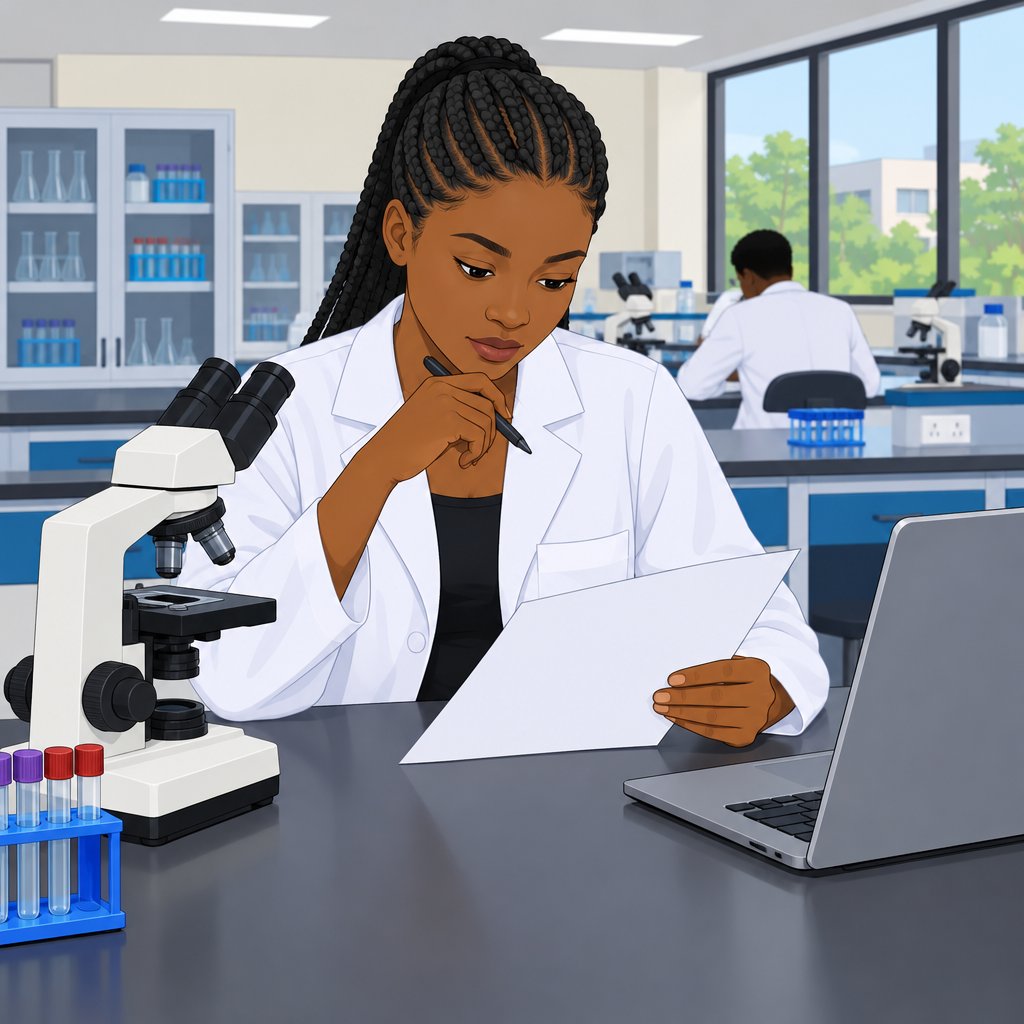
Curriculum Development Implications
- Stakeholder feedback reveals the current curriculum’s strengths and weaknesses.
- Student input identifies practical training as an important improvement area.
- Faculty perspectives support a more practical and industry-relevant curriculum.
- Industry feedback helps ensure graduates develop skills required for professional success.
- Curriculum developers can combine stakeholder suggestions to create a more effective program.
- All stakeholders help shape a curriculum that responds to medical laboratory science demands.
Uncover the Details: Role of Radiology in Nigerian Healthcare System
Curriculum Enhancement Priorities
Curriculum enhancement can align student learning with current laboratory practice.
Therefore, programs should combine updated content, practical work, modern tools, and workplace exposure.
These changes can strengthen preparation for laboratory responsibilities.
- Introduce courses in molecular diagnostics and personalized medicine to reflect scientific advancements.
- Incorporate more hands-on practical training to prepare students for real-world laboratory settings.
- Invest in state-of-the-art laboratory equipment and software for a modern learning experience.
- Update course content to address AI applications and data analysis in medical laboratory science.
- Collaborate with industry partners to provide internships and workplace experience.
Continuous Evaluation and Feedback
Continuous evaluation can show whether students understand concepts and perform required skills.
Additionally, feedback from students, faculty, and alumni can guide timely curriculum adjustments.
Faculty development and open communication can support responsive academic planning.
- Implement regular assessments to measure student understanding and practical skills.
- Provide feedback that helps students improve their academic performance and laboratory abilities.
- Survey students and faculty to identify curriculum strengths and necessary changes.
- Establish alumni feedback systems to track graduate success and inform curriculum improvement.
- Provide faculty development programs covering industry trends and best practices.
- Encourage communication among students, faculty, and administrators to address curriculum concerns promptly.
Discover More: Notable Public Health Technologists in Nigeria
Implementation Strategies for Curriculum Changes
- First, stakeholders should include faculty, students, and industry professionals in the planning process.
- Next, universities should assess curriculum gaps and identify skills needed in the field.
- Then, planners should create a detailed roadmap with specific goals and implementation milestones.
- Universities must also provide funding, faculty support, and infrastructure for the curriculum upgrade.
- Meanwhile, faculty training should prepare instructors to teach the new curriculum effectively.
- Finally, assessment mechanisms should monitor progress, measure learning outcomes, and guide necessary adjustments.
Roles of Key Curriculum Partners
- University administrators should lead curriculum development, allocate resources, and support faculty during implementation.
- Regulatory bodies should verify compliance with industry standards, regulations, and accreditation requirements.
- Industry partners should collaborate with universities to reflect workplace trends, job demands, and technological advances.
Timeline and Resources for Successful Implementation
- Universities should establish a realistic timeline for each implementation phase.
- Planners should consider faculty workloads and student schedules when setting implementation timelines.
- Funding should support faculty training, curriculum development, technology upgrades, and assessment tools.
- Regular reviews should collect stakeholder feedback and guide adjustments to the implementation plan.
- Clear communication should keep stakeholders informed about achievements, challenges, and improvement opportunities.
- Recognizing achievements can motivate faculty, students, and staff to continue enhancing the curriculum.
See Related Content: Overview of Public Health Technology in Nigeria
Transform Your Career with Expert Guidance
Get personalized mentorship consulting that’s tailored to your unique path. Our expert advice is actionable and exclusive.
Get StartedStrengthening Medical Laboratory Science Education
The current Medical Lab Science curriculum in Nigerian universities needs substantial improvement.
Limited practical training, outdated content, and inadequate resources restrict student preparation.
Consequently, these gaps can hinder the development of future laboratory professionals.
Universities should reinforce comprehensive training that combines relevant knowledge with practical competence.
Further research and collaboration can guide improvements in professional preparation.
These efforts should equip future laboratory professionals with skills and knowledge for quality healthcare services.
Stakeholders must work together to strengthen laboratory education across the country.
Additional Resources
Google search results for Medical Lab Science Curriculum in Nigerian Universities Health Sciences
Bing search results for Medical Lab Science Curriculum in Nigerian Universities Health Sciences


