




Introduction
Haematologists specialize in blood and blood-related disorders.
They diagnose and treat conditions such as anemia, leukemia, and blood clotting disorders.
Additionally, haematologists manage and monitor blood transfusions, blood counts, and bone marrow biopsies.
Becoming a haematologist in Nigeria offers a rewarding career for people passionate about improving patients’ lives.
These specialists can work in hospitals, research institutions, and private practices.
By pursuing haematology, professionals can improve healthcare outcomes and advance medical knowledge in Nigeria.
Education and Training
Aspiring haematologists in Nigeria follow a rigorous education and training process.
This process develops the knowledge and skills required for specialized medical practice.
Several stages prepare candidates for advanced work in haematology.
- Obtain a Bachelor’s degree in a science-related field.
- Complete medical school and obtain a Medical Degree (MBBS).
- Pursue residency training in Internal Medicine or Pathology.
- Complete a Fellowship in Haematology for further specialization.
Science-Related Bachelor’s Degree
The first stage involves earning a Bachelor’s degree in a science-related field.
Relevant disciplines include Biology, Chemistry, Biochemistry, and Microbiology.
This scientific foundation supports subsequent medical education and specialized training.
Medical School and Medical Degree
After completing a Bachelor’s degree, candidates enroll in medical school.
They must earn a Medical Degree (MBBS) from a recognized institution.
Medical school provides essential general medicine knowledge for later haematology specialization.
Residency Training in Internal Medicine or Pathology
After medical school, candidates complete residency training in Internal Medicine or Pathology.
Both specialties support the diagnosis and treatment of various medical conditions.
They also provide training related to blood and blood-forming tissue disorders.
Fellowship Training in Haematology
Candidates pursue a Fellowship in Haematology to gain advanced specialization.
The fellowship focuses on diagnosing and treating blood disorders.
These disorders include anemia, leukemia, and bleeding disorders.
Fellowship training typically lasts two to three years.
During this period, fellows complete supervised clinical rotations, research projects, and haematology coursework.
This training prepares candidates for certified haematology practice in Nigeria.
Successful candidates build their careers through dedication, hard work, and continued learning.
They can then support patients who have blood disorders.
Building Clinical Experience in Haematology
Clinical experience gives aspiring haematologists practical exposure to blood disorder care.
It also helps them connect medical knowledge with patient care and laboratory procedures.
In Nigeria, structured experience supports the development of essential haematology skills.
- Participate in clinical rotations focusing on haematology.
- Work in a haematology department within a hospital or healthcare facility.
- Learn to diagnose and treat blood disorders under supervision.
- Gain hands-on experience with patients and laboratory tests.
Clinical Rotations in Haematology
Clinical rotations provide direct exposure to patients with different blood disorders.
Aspiring haematologists observe experienced professionals during diagnosis and treatment activities.
These placements also create opportunities to practise clinical skills under appropriate supervision.
Experience in Hospital Haematology Departments
Working in a hospital haematology department develops practical understanding of daily clinical responsibilities.
Healthcare facility experience allows trainees to interact directly with patients.
Furthermore, trainees can observe how professionals assess and manage blood disorders.
Supervised Patient Care and Laboratory Testing
Experienced supervisors guide trainees through patient assessment and blood disorder management.
They also help trainees understand laboratory tests used during clinical evaluation.
Through this guidance, aspiring haematologists strengthen their diagnostic and treatment skills.
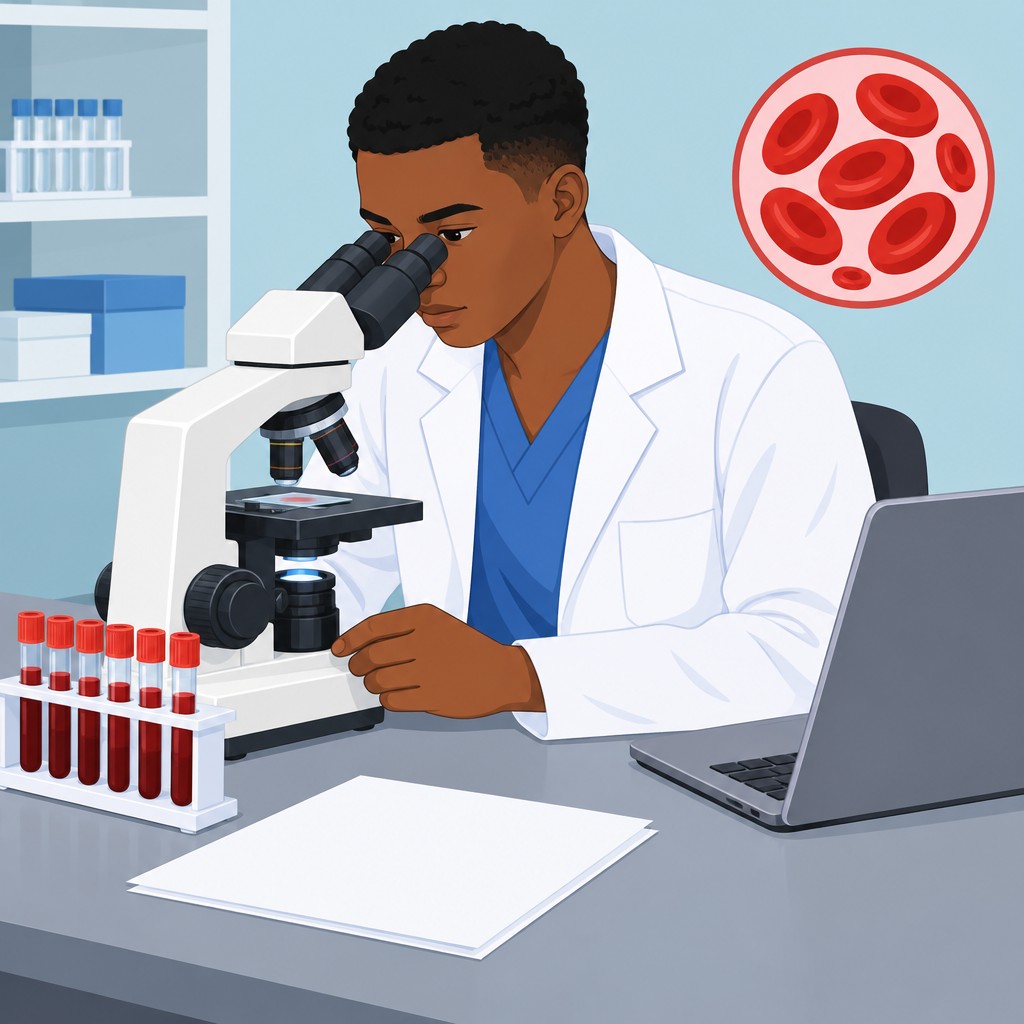
Developing Practical Haematology Skills
Active participation helps trainees build confidence in patient care and laboratory work.
Regular practice improves their ability to apply haematology knowledge in clinical settings.
Transform Your Career with Expert Guidance
Get personalized mentorship consulting that’s tailored to your unique path. Our expert advice is actionable and exclusive.
Get StartedConsequently, strong clinical experience prepares aspiring haematologists for responsible professional practice.
See Related Content: Steps to Take After a Dental Restoration Fails
Licenses and Certifications for Haematology Practice
Before practicing as a haematologist in Nigeria, secure the required licenses and certifications.
These credentials validate your expertise and strengthen your credibility among patients and colleagues.
Additionally, ongoing professional development helps you maintain current knowledge and skills.
- Obtain a license to practice medicine in Nigeria.
- Consider joining the Nigerian Medical Association.
- Obtain haematology certifications from recognized institutions.
- Maintain continuing education and professional development.
Medical License Requirements
First, obtain a license to practice medicine in Nigeria.
The Medical and Dental Council of Nigeria usually issues this license.
Furthermore, the license confirms that you meet the required standards for medical practice.
Membership in the Nigerian Medical Association
Consider joining the Nigerian Medical Association as part of your professional development.
The organization promotes the welfare of healthcare professionals in Nigeria.
Moreover, membership can support networking, professional development, and advocacy opportunities.
Haematology Certifications
Obtain haematology certifications from recognized institutions.
These certifications demonstrate specialized knowledge and skills in haematology.
Consequently, recognized credentials can reinforce your professional expertise as a haematologist.
Continuing Education and Professional Development
Keep your haematology knowledge current through continuing education and professional development.
Attend conferences, workshops, and seminars to follow developments in the field.
In addition, pursue advanced certifications when they support your professional growth.
These efforts help you remain familiar with current advancements and best practices in haematology.
Explore Further: Career Paths in Orthopaedic Technology in Nigeria
Develop Skills and Knowledge
Aspiring haematologists need strong analytical and problem-solving skills.
They also improve communication to work effectively with patients and colleagues.
Furthermore, they stay current with research, treatments, equipment, and technology.
- Develop strong analytical and problem-solving skills.
- Improve communication skills to work effectively with patients and colleagues.
- Stay current on advancements in haematology research and treatments.
- Learn how to use specialized equipment and technology in the field.
Gain More Insights: How to Prepare for a Dental Surgery in Nigeria
Networking and Professional Development for Haematologists
Networking and professional development support career growth for haematologists in Nigeria.
These activities help professionals expand their knowledge, skills, and opportunities.
They also encourage collaboration and continued engagement with the haematology community.
Attend Conferences, Seminars, and Workshops
Conferences, seminars, and workshops help haematologists stay updated on developments in their field.
These events allow participants to learn from experienced professionals.
They also create opportunities to network with colleagues and gain new insights.
Join Professional Organizations
Professional organizations provide haematologists with useful resources and networking opportunities.
Members can access continuing education through events, publications, and certification programs.
These opportunities can strengthen professional knowledge and support skill development.
Network with Healthcare Professionals
Haematologists can build connections with oncologists, pathologists, and hematopathologists.
These relationships can support collaboration and knowledge sharing.
Interdisciplinary connections also expose professionals to different perspectives on patient care.
Seek Mentorship from Experienced Haematologists
Experienced haematologists can provide valuable guidance throughout a developing career.
A mentor can help set goals and offer feedback for professional growth.
Strong mentoring relationships can provide advice and support during career development.
Advance Through Active Professional Engagement
Active networking can enhance a haematologist’s knowledge, skills, and career opportunities.
Professional development activities also encourage continuous learning and collaboration.
Consistent participation can help haematologists progress within their professional careers.
Uncover the Details: Women in Biomedical Technology Nigeria
Job Opportunities and Career Growth
- Explore job opportunities in hospitals, research institutes, and private clinics.
- Consider academic positions in medical schools or universities.
- Pursue leadership roles within healthcare organizations.
- Stay updated on job openings and advancements in the field for career growth.
Commitment to Haematology Practice
Aspiring haematologists in Nigeria must follow each required step diligently.
Moreover, dedication, hard work, and continuous learning support success in this field.
Therefore, aspiring haematologists can pursue their passion for helping others through this rewarding career.
Additional Resources
Google search results for How to Become a Haematologist in Nigeria Medical
Bing search results for How to Become a Haematologist in Nigeria Medical


