




Hearing Loss and ENT Care in Nigeria
Hearing loss affects many people in Nigeria.
ENT surgery can address some conditions affecting hearing and ear health.
Access to treatment can help improve quality of life.
Why Timely Treatment Matters
Untreated hearing loss can cause social isolation.
It can also contribute to depression and communication difficulties.
Early treatment can help prevent these consequences and support overall well-being.
Available Treatments and Surgical Options
Common treatments in Nigeria include hearing aids, cochlear implants, and earwax removal.
These interventions can improve hearing abilities and restore communication.
ENT surgery may help when these treatments do not provide effective results.
Causes of Hearing Loss in Nigeria
- Environmental factors, including exposure to loud noise pollution
- Genetic factors that predispose individuals to hearing impairments
- Infections and diseases, including meningitis, otitis media, and measles
- Accidents or trauma affecting the head or ear
Several factors can affect hearing and contribute to hearing loss in Nigeria.
These causes may damage the ear structures, inner ear, or auditory nerve.
Prompt attention can help prevent further damage and support effective hearing loss management.
Environmental Factors Affecting Hearing
Loud noise pollution remains a leading environmental cause of hearing loss in Nigeria.
Industries, construction sites, and traffic can expose people to damaging noise levels.
Over time, this exposure can damage the delicate structures inside the ear.
Genetic Factors Influencing Hearing
Some individuals inherit genetic factors that increase their risk of hearing impairment.
These inherited conditions can affect auditory system development and function.
As a result, genetic factors may produce different degrees of hearing loss.
Infections and Diseases Affecting Hearing
Meningitis, otitis media, and measles can cause hearing loss when people leave them untreated.
These conditions may damage the inner ear or the auditory nerve.
Consequently, infections and diseases can reduce a person’s ability to hear properly.
Accidents and Trauma Affecting the Ear
Accidents or trauma involving the head or ear can also cause hearing loss.
Falls, sports injuries, and direct blows may damage important ear structures.
Such injuries can produce temporary or permanent hearing impairment.
Non-Surgical Hearing Loss Treatments in Nigeria
Besides surgical interventions, people in Nigeria can use several treatments to manage hearing loss.
These options include hearing aids, medications, and hearing rehabilitation therapy.
Cochlear implants provide another option, although surgeons implant these devices.
Hearing Aids for Improved Communication
Hearing aids commonly support people with hearing loss.
These devices amplify sounds, making communication easier.
As a result, users can hear more effectively during daily interactions.
Cochlear Implants for Severe Hearing Loss
Cochlear implants offer another treatment option for people with severe hearing loss.
Surgeons implant these devices to provide direct stimulation to the auditory nerve.
Therefore, cochlear implants differ from external hearing aids in their method of stimulation.
Medications for Certain Hearing Conditions
Medication can treat some forms of hearing loss.
For example, antibiotics can address middle ear infections.
Additionally, steroids can treat sudden sensorineural hearing loss.
Hearing Rehabilitation Therapy
Hearing rehabilitation therapy helps people improve their communication skills.
During therapy, individuals can learn to adapt to hearing aids.
They can also work with hearing healthcare professionals to maximize residual hearing.
These treatments help manage hearing loss and support better quality of life in Nigeria.
Transform Your Career with Expert Guidance
Get personalized mentorship consulting that’s tailored to your unique path. Our expert advice is actionable and exclusive.
Get StartedFurthermore, each option addresses hearing needs through a different approach.
Learn More: Career Opportunities for Anatomy Graduates in Nigeria
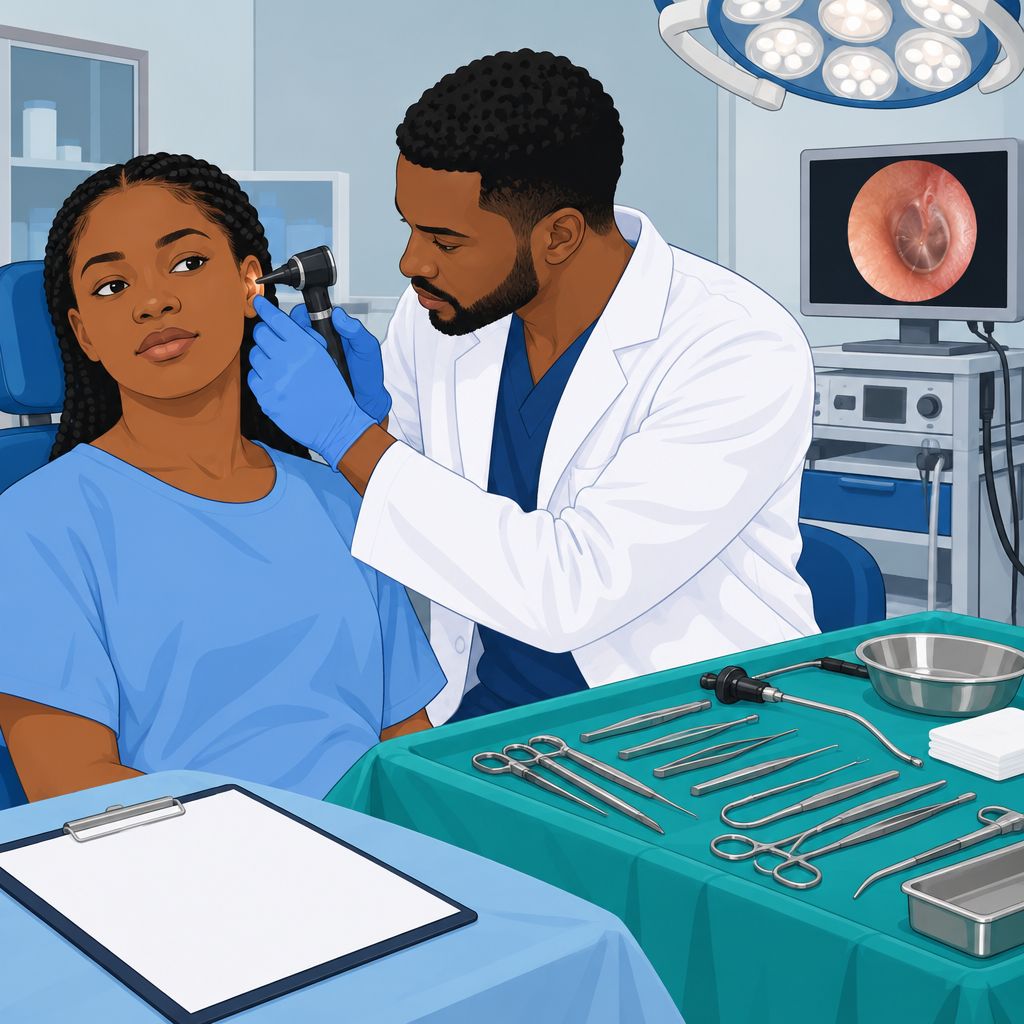
Surgical Treatments for Hearing Loss
Surgical interventions can effectively treat certain conditions that cause hearing loss.
These procedures address problems affecting the eardrum, middle ear, mastoid, or inner ear.
However, an ENT specialist must evaluate each condition before recommending surgery.
- Tympanoplasty: This procedure repairs a perforated eardrum and may improve hearing.
- Stapedectomy: This surgery treats otosclerosis affecting a small middle-ear bone.
- Mastoidectomy: This procedure removes infected mastoid air cells behind the ear.
- Cochlear implant surgery: This procedure helps some people with severe hearing loss bypass damaged hair cells.
Tympanoplasty
Tympanoplasty repairs a perforated eardrum or damaged ossicles in the middle ear.
Typically, surgeons perform this procedure under general anesthesia.
During surgery, grafted tissue closes the eardrum hole, or reconstruction restores damaged bones.
Stapedectomy
Stapedectomy treats otosclerosis, which causes abnormal bone growth in the middle ear.
During the procedure, the surgeon removes the stapes bone.
The surgeon then replaces it with a prosthesis to restore hearing function.
Mastoidectomy
Mastoidectomy removes infected mastoid air cells behind the ear.
Surgeons commonly use this procedure for chronic otitis media with cholesteatoma.
Removing infected cells helps prevent further damage to nearby ear structures.
Cochlear Implant Surgery
Cochlear implant surgery may help people with severe to profound hearing loss.
Doctors may recommend it when hearing aids provide insufficient benefit.
The implant stimulates the auditory nerve and bypasses damaged hair cells.
Before surgery, an ENT specialist evaluates the condition and recommends an appropriate treatment.
The most suitable procedure depends on the underlying cause and the person’s overall health.
Advances in surgical techniques allow many people to improve hearing and communication.
Gain More Insights: Role of Religion in Nigerian Mental Health Care
Availability of Trained ENT Specialists
Nigeria has limited numbers of trained ENT specialists.
This shortage creates challenges for people seeking treatment for ear, nose, and throat conditions.
Therefore, training more specialists remains important for broader access to care.
- Major cities, including Lagos, Abuja, and Port Harcourt, offer ENT clinics and hospitals.
- Rural communities may have fewer specialized ENT services.
- Patients may therefore face different treatment options across regions.
Regional Access to ENT Services
Access to ENT services varies across Nigerian regions.
Urban areas generally provide more specialized facilities than rural communities.
Expanding services into underserved regions could support more equitable healthcare access.
Choosing a Qualified ENT Surgeon
Choosing a qualified ENT surgeon remains essential for hearing loss and other ENT conditions.
Such a surgeon has the training, skills, and experience needed to provide appropriate care.
Patients should research each surgeon’s qualifications and track record before undergoing any procedure.
You Might Also Like: Career Guidance for Aspiring Medical Professionals in Nigeria
Healthcare providers and patients in Nigeria face several challenges when addressing hearing loss.
Understanding these barriers can support more effective solutions and improve access to quality care.
Financial Barriers to Hearing Loss Treatment
Treatment costs create a major obstacle for many people with hearing loss in Nigeria.
Hearing aids and surgical procedures can require expenses that patients cannot easily afford.
As a result, financial pressure may delay appropriate care and worsen hearing loss outcomes.
Limited Access to Advanced Treatment Technology
Patients also face limited access to advanced technology for hearing loss treatment.
Available options may not include cutting-edge hearing aids, cochlear implants, or other innovative solutions.
Consequently, restricted technology access can affect quality of life and overall well-being.
Gaps in Hearing Loss Awareness and Education
Many people lack clear information about hearing loss and its warning signs.
This gap can delay diagnosis because individuals may not recognize the need for professional care.
Therefore, public health campaigns and educational initiatives should promote hearing health.
Long Waiting Times for ENT Surgery
People who need ENT surgery may wait a long time before receiving treatment.
Limited healthcare resources and high demand contribute to lengthy surgical waiting lists.
These delays can negatively affect quality of life and broader health outcomes.
Coordinated Improvements in Hearing Care
Stakeholders must address costs, technology access, public awareness, and surgical delays together.
Such coordination can strengthen the quality of care available to people with hearing loss.
Healthcare providers and other stakeholders can collaborate to overcome these obstacles in Nigeria.
You Might Also Like: Challenges in Nigeria's Dental Technology Sector
Success Rates and Patient Experiences with ENT Surgery in Nigeria
Patient experiences offer practical insight into ENT surgery outcomes in Nigeria.
Reported improvements, care experiences, and surgeon expertise shape these accounts.
Success rates also provide another way to assess reported surgical results.
Patient Experiences After ENT Surgery
- Patients report significant hearing improvements after surgery.
- Many patients express gratitude for skilled and compassionate care.
- Some patients share their experiences on social media and praise ENT surgeons’ expertise.
Reported Success Rates for ENT Surgeries
- Cochlear implantation has a success rate above 90 percent for restoring hearing.
- Tympanoplasty shows a success rate of around 85 percent for repairing eardrum perforations.
- Adenoidectomy has a success rate of nearly 95 percent for treating adenoid-related hearing loss.
Factors Supporting Successful Surgical Outcomes
- Experienced and skilled ENT surgeons contribute significantly to successful surgical outcomes.
- Proper pre-operative evaluations and accurate diagnoses support positive results.
- Post-operative care and follow-up appointments support long-term success and patient satisfaction.
Available Hearing Loss Treatments
Hearing aids can amplify sounds for people with hearing loss.
Additionally, specialists may recommend cochlear implants for severe hearing loss.
Medication may help when an underlying cause responds to medical treatment.
Surgical Options for Ear Conditions
Some ear conditions require surgical procedures to address problems affecting hearing.
An ENT specialist should assess each situation before recommending surgery.
Furthermore, the specialist can explain suitable procedures and available treatment choices.
Timely Evaluation and Treatment Decisions
People experiencing hearing loss should seek professional evaluation promptly.
Early attention can help individuals consider appropriate treatment options without unnecessary delay.
Meanwhile, greater awareness can encourage people in Nigeria to recognize hearing concerns and seek care.
Additional Resources
Google search results for Hearing Loss Treatments and ENT Surgery in Nigeria Medical
Bing search results for Hearing Loss Treatments and ENT Surgery in Nigeria Medical


