



Introduction
Dental therapists play a crucial role in promoting oral health.
Oral health remains essential for overall well-being.
This section explores their significance, scope of practice, benefits, and challenges.
Dental Therapist Qualifications and Responsibilities
- Dental therapists are oral health professionals with specific qualifications.
- They typically hold a Bachelor’s degree in dental therapy or hygiene.
- Dental therapists work under a dentist’s supervision.
- Their scope includes preventive and restorative dental care.
- They perform cleanings, fluoride treatments, and sealant applications.
- They can also fill cavities and extract primary teeth.
- In some states, they can administer local anesthesia.
- Dental therapists support oral health through direct patient care.
- They work in clinics, schools, and community health centers.
- They help underserved populations access necessary oral health services.
Dental Therapists’ Contributions to Patient Care
- Dental therapists provide preventive care that supports lasting oral health.
- They teach patients effective oral hygiene practices.
- Dental therapists screen patients for early signs of dental problems.
- They help develop personalized treatment plans for patients.
- They coordinate closely with dentists to provide comprehensive care.
- Dental therapists strengthen team-based approaches to oral health services.
- They emphasize patient-centered communication during treatment.
- They encourage patients to attend regular dental visits.
- Dental therapists promote prevention to reduce the need for costly treatments.
- They help address disparities in access to oral health care.
Benefits of Integrating Dental Therapists
- Dental therapists increase efficiency within dental practices.
- They allow dentists to concentrate on more complex procedures.
- Dental therapists can provide care at a lower cost than dentists.
- They help address shortages of dental providers in underserved areas.
- Dental therapists expand access to preventive services.
- They support early intervention and may reduce invasive treatment needs.
- Dental therapists contribute to a more sustainable care system.
- They improve patient experiences by delivering quality care.
- Dental therapists support public health initiatives.
- They advance oral health equity within communities.
Expanding Access Through Dental Therapy
Dental therapists provide preventive and restorative services for people of different ages.
Their training allows dental teams to distribute responsibilities effectively.
As practices use their skills, more communities can receive accessible and equitable oral health care.
Dental Therapist Responsibilities
Dental therapists perform specific clinical tasks within their authorized scope of practice.
They conduct cleanings, examine patients for oral disease, and take dental x-rays.
They also apply sealants and fluoride treatments to help prevent cavities.
Additionally, these professionals support patients through focused preventive care.
By addressing concerns early, they help limit more serious dental problems.
Importance of Preventive Care
Preventive care supports oral health and overall well-being.
Dental therapists emphasize prevention to help patients avoid costly, painful procedures later.
Regular cleanings and check-ups can reveal problems before those problems progress.
Furthermore, preventive guidance helps patients manage their oral health.
They explain effective hygiene practices and offer personalized advice for maintaining healthy smiles.
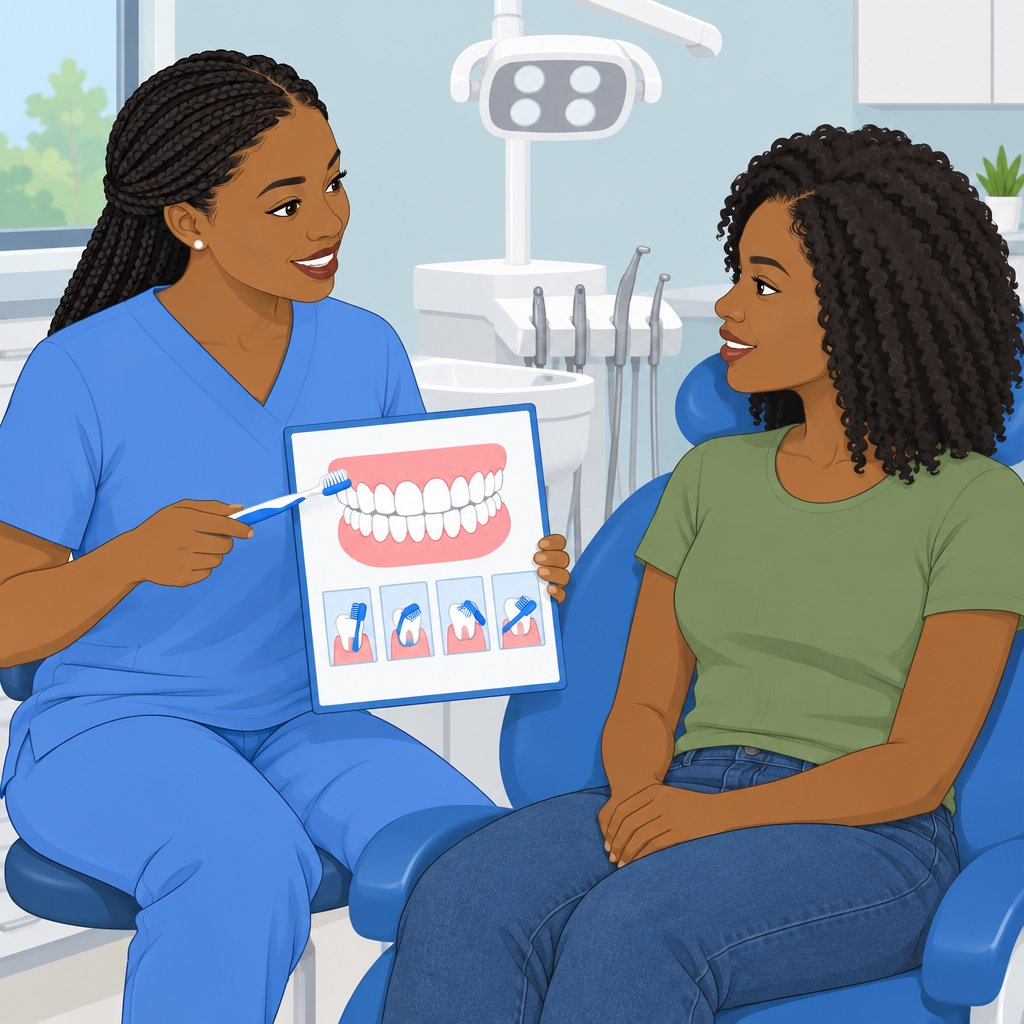
Promoting Good Oral Hygiene Habits
Dental therapists also teach patients practical oral care techniques.
They stress regular brushing and flossing to help prevent tooth decay and gum disease.
Moreover, they recommend dietary choices that support oral health.
Consistent guidance can help patients build lasting habits for caring for their teeth and gums.
Early attention to hygiene may support better health outcomes over time.
Through these duties, dental therapists combine preventive services with patient education.
Their work helps patients maintain healthy smiles and address dental concerns before they worsen.
You Might Also Like: Regulatory Bodies for Biomedical Technology Nigeria
Collaboration with Dentists
- Dental therapists work alongside dentists to provide comprehensive oral health care.
- They build collaborative relationships with dentists through mutual respect and trust.
- Furthermore, teamwork ensures that patients receive coordinated and efficient care.
Discover More: Leading Hospitals for Anatomical Pathology Services in Nigeria
Community Outreach and Education
Dental therapists support community outreach by providing care in underserved areas.
They also educate communities about oral health and promote preventive measures.
Through schools, mobile clinics, and health fairs, they extend dental services to more people.
- Dental therapists provide dental care through community outreach programs in underserved areas.
- They educate the public about oral health and promote preventive measures.
- In schools, dental therapists conduct workshops about proper brushing and flossing techniques.
- Mobile dental clinics enable dental therapists to offer services in remote communities.
- Community health fairs often include dental therapists who provide free screenings and dental education.
- Additionally, dental therapists collaborate with local health organizations to raise oral hygiene awareness.
- In nursing homes, they educate residents about oral health care and provide preventive treatment.
- Through public health campaigns, dental therapists advocate regular dental check-ups and screenings.
See Related Content: Top Universities for Anatomical Pathology in Nigeria
Impact on Underserved Populations
Many underserved populations face barriers to oral health care.
Dental therapists help bridge these gaps by bringing essential services closer to communities.
They provide preventive and basic restorative care for people who may lack regular access.
- Dental therapists address underserved communities’ oral health needs through preventive and basic restorative care.
- They provide regular check-ups, cleanings, and treatments where dental access remains limited.
- Studies associate dental therapist services with less untreated dental disease among children and adults.
Rural communities often have fewer dental providers.
As a result, dental therapists reach more patients and provide essential care.
This access has reduced dental pain and infections among residents.
In underserved urban communities, dental therapists also provide preventive services.
That proactive care has reduced emergency room visits related to dental issues.
- American Dental Association data indicate that dental therapists can increase access by up to 50 percent in underserved areas.
- In Alaska, the percentage of children with decayed or filled teeth decreased by 21 percent.
- In Minnesota, dental therapists were associated with a 33 percent decrease in dental care costs for children on Medicaid.
These figures demonstrate the positive impact of dental therapists on underserved populations.
By addressing vulnerable communities’ needs, dental therapists improve quality of life.
They also reduce the economic burden associated with untreated dental issues.
Transform Your Career with Expert Guidance
Get personalized mentorship consulting that’s tailored to your unique path. Our expert advice is actionable and exclusive.
Get StartedDiscover More: Cost of Restorative Dentistry in Nigeria
Training and Professional Development
Dental therapists complete rigorous education and training requirements before practicing.
Typically, aspiring dental therapists complete an accredited dental therapy program.
Although program lengths vary, most combine classroom instruction with hands-on clinical experience.
Dental therapy programs commonly include courses in dental anatomy, oral pathology, pharmacology, and radiography.
After completing their education, prospective dental therapists must pass a national board exam for licensure.
Furthermore, continuing education helps dental therapists remain current with advancements in their field.
Many states require dental therapists to complete annual continuing education hours to maintain licensure.
For example, dental therapists can attend workshops, seminars, webinars, and conferences.
These opportunities address the latest dental techniques and technologies.
Moreover, current knowledge of dental technology and techniques supports quality patient care.
Dental therapists who pursue professional development can deliver high-quality oral health services.
By continuing their education, dental therapists show commitment to better patient outcomes and current industry practices.
Expanding Access Through Preventive Oral Health Care
Dental therapists improve oral health outcomes through preventive care, patient education, and support for individual well-being.
They also strengthen access to oral health services for underserved communities.
Moreover, their skills help make dental care more accessible and affordable for many individuals.
Recognizing their contributions highlights the value of their role in promoting healthier communities.
Regular dental visits help individuals maintain healthy smiles and support their overall well-being.
Additionally, preventive care enables people to take proactive steps toward better oral health.
Valuing dental therapists’ expertise encourages individuals to use available services and prioritize ongoing care.
As a result, dental therapists remain important contributors to accessible, preventive oral health services.
Additional Resources
Google search results for The Role of Dental Therapists in Oral Health Medical
Bing search results for The Role of Dental Therapists in Oral Health Medical


