



Dental Therapy in Nigeria
Dental therapists provide preventive and treatment services for oral health in Nigeria.
Moreover, dental therapy supports oral hygiene and helps prevent dental diseases.
The profession plays a vital role in maintaining oral health across Nigeria.
History of Dental Therapy in Nigeria
Dental therapy entered the Nigerian healthcare system to expand access to oral healthcare services.
It particularly addressed communities where residents had limited access to dentists.
This approach helped extend essential dental services beyond traditional dental facilities.
Evolution of Dental Therapy Training in Nigeria
Initially, dental schools incorporated dental therapy training into their educational programmes.
The early curriculum prepared trainees to provide basic oral health services.
Over time, training expanded to reflect the changing needs of Nigeria’s healthcare system.
Modern programmes include preventive care, restorative procedures, and community dental health.
Role of Dental Therapists in the Nigerian Healthcare System
Dental therapists promote oral health and preventive care among people in Nigeria.
They work with dentists to deliver several essential oral healthcare services.
These services include dental cleanings, fluoride treatments, and oral health education.
Additionally, dental therapists identify early signs of cavities and gum disease.
They provide suitable treatment or refer patients for further dental care.
Through these responsibilities, they support timely care and stronger healthcare outcomes.
Training and Education for Dental Therapists in Nigeria
- Requirements for becoming a dental therapist in Nigeria
- Accredited institutions offering dental therapy programs
- Training duration and curriculum for dental therapy students
Dental therapy training in Nigeria combines academic study with supervised clinical preparation.
Applicants must complete an approved program before seeking professional registration.
The training prepares graduates to provide appropriate dental care within their professional scope.
Requirements for Becoming a Dental Therapist in Nigeria
Applicants must possess at least a Senior Secondary School Certificate.
They must earn a dental therapy diploma from a recognized institution.
Furthermore, candidates must pass the professional examination conducted by the Dental Therapists Registration Board of Nigeria.
Successful candidates can then pursue legal practice in Nigeria.
Accredited Institutions Offering Dental Therapy Programs
Several accredited Nigerian institutions offer dental therapy programs.
These institutions provide comprehensive instruction in dental therapy.
Students may choose a Bachelor of Dental Therapy degree or a diploma program.
Their choice can reflect their individual career goals.
- University of Ibadan
- University of Lagos
- Obafemi Awolowo University
Training Duration and Curriculum for Dental Therapy Students
Training duration depends on the program selected by each student.
A diploma program typically requires two to three years of study.
A Bachelor of Dental Therapy degree may require four to five years.
The curriculum includes anatomy, physiology, and dental science courses.
Students also receive clinical instruction in dental procedures and patient care.
Additionally, supervised internships provide practical experience in dental clinics.
Explore Further: Regulations Governing Dental Therapy in Nigeria
Scope of Practice
These services describe the professional activities dental therapists perform in Nigeria.
The scope also identifies procedures that remain outside their authorized practice.
Additionally, it explains how dental therapists cooperate with other dental professionals.
- Services provided by dental therapists in Nigeria
- Limitations of dental therapists compared to dentists
- Collaborative efforts with other healthcare professionals in the dental field
Services Provided by Dental Therapists in Nigeria
Dental therapists perform cleanings, fluoride treatments, and sealant applications.
They also assist dentists with fillings and simple extractions.
Furthermore, dental therapists teach patients effective oral hygiene practices.
Transform Your Career with Expert Guidance
Get personalized mentorship consulting that’s tailored to your unique path. Our expert advice is actionable and exclusive.
Get StartedThese activities support prevention and improve access to community dental care.
Limitations Compared with Dentists
Dental therapists work within a more restricted scope of practice than dentists.
They do not perform complex procedures, including root canals or surgical extractions.
Additionally, dentists supervise their diagnosis and treatment planning activities.
Therefore, dental therapists refer advanced treatment needs to dentists.
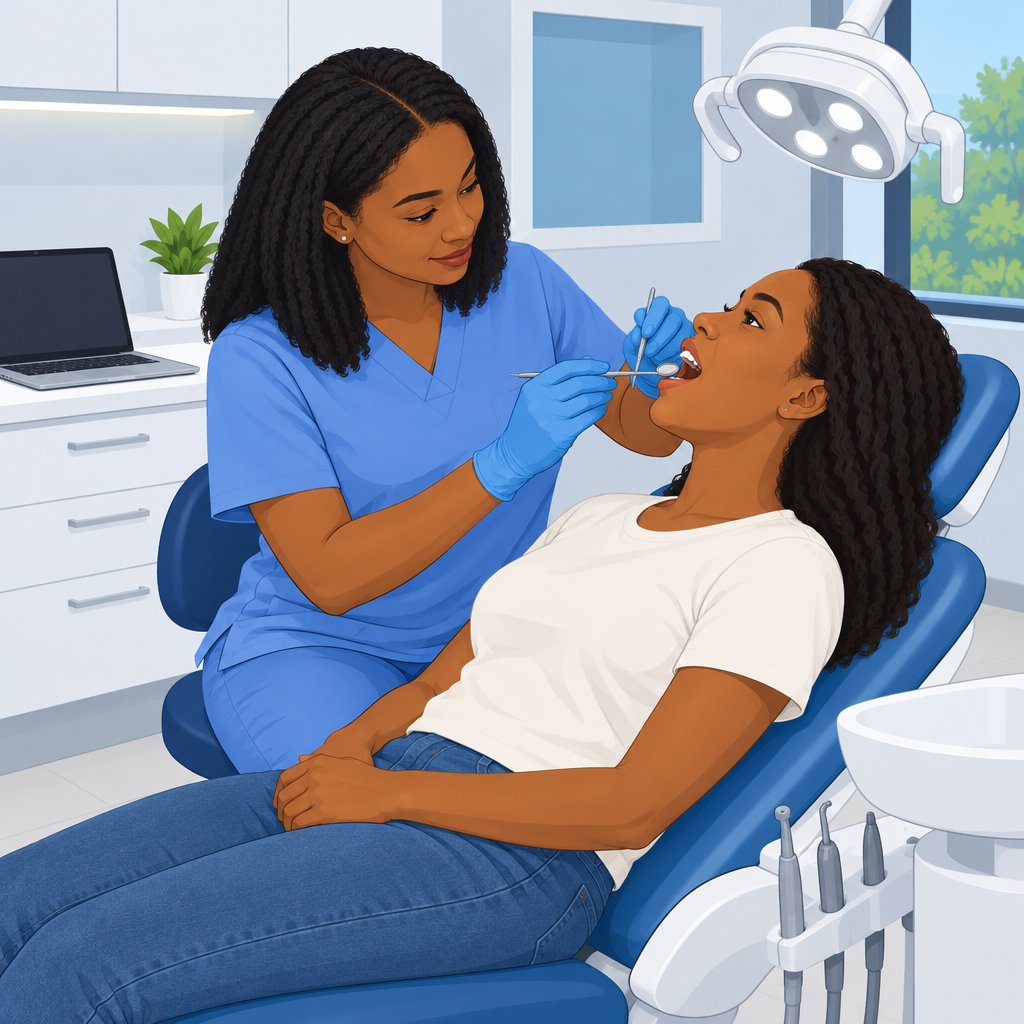
Collaboration with Dental Healthcare Professionals
Dental therapists collaborate with dentists, dental hygienists, and other healthcare professionals.
They work within teams to support comprehensive patient care.
When necessary, they coordinate referrals with other professionals.
Through cooperation, dental professionals coordinate treatment and support oral health.
Delve into the Subject: Child Health Insurance Options in Nigeria
Challenges Faced by Dental Therapists
- Limited government recognition and support
- Insufficient clinic resources and equipment
- Restricted professional development and career advancement
Dental therapists in Nigeria face systemic and workplace barriers that limit their ability to deliver consistent patient care.
These challenges affect resources, professional growth, and the reach of dental services.
Addressing these barriers could strengthen their professional contributions and improve care delivery.
Government Recognition and Support
Government recognition remains a major concern for dental therapists in Nigeria.
Limited acknowledgement can restrict funding and resources that support their daily practice.
Consequently, therapists may struggle to expand services and reach more patients.
Resources and Equipment in Dental Clinics
Many dental clinics operate with limited tools and supplies.
This shortage can prevent therapists from performing some procedures effectively.
Moreover, inadequate equipment can reduce efficiency and limit comprehensive patient treatment.
Professional Development and Career Advancement
Dental therapists also face obstacles to professional development and career advancement.
Structured training programs and continuing education opportunities remain insufficient.
Therefore, limited growth opportunities can restrict specialization and leave practitioners feeling professionally stagnant.
Strengthening Dental Therapy Practice
Recognizing these barriers can clarify the support dental therapists require.
Improved institutional attention could help clinics address resource and development needs.
Such action would support more effective dental care for patients.
Learn More: Top Hospitals for Obstetrics and Gynaecology in Nigeria
Public Health Benefits of Dental Therapy in Nigeria
Dental therapy strengthens public health by extending oral healthcare to rural and underserved communities in Nigeria.
This access helps residents receive essential dental services closer to home.
Consequently, dental therapists help reduce differences in healthcare availability between urban and rural areas.
- Access to dental care in rural and underserved areas
- Prevention and treatment of common dental problems
- Support for Nigeria’s broader healthcare system
Dental therapists also prevent and treat common dental problems.
They teach patients proper oral hygiene practices.
For prevention, they provide fluoride applications, sealants, and cleanings.
These services address cavities and gum disease.
By emphasizing preventive care, therapists help lower dental disease prevalence and promote stronger oral health.
Additionally, dental therapists support Nigeria’s broader healthcare system.
They collaborate with dentists and other healthcare professionals to coordinate patient care.
Their dental expertise complements other healthcare services.
This cooperation encourages a more comprehensive approach to healthcare delivery.
Thus, dental therapy promotes oral health and supports the general well-being of Nigeria’s population.
Find Out More: Challenges Facing Nigerian Mental Health Workers
Strengthening Dental Therapy in Nigeria
Dental therapists help make oral healthcare more accessible and affordable across Nigeria.
They focus on prevention, identify oral diseases early, and encourage consistent oral hygiene.
Therefore, their work supports healthier choices before serious dental problems develop.
Government agencies and healthcare institutions should provide dental therapists with stronger resources and professional recognition.
Such support can improve the quality of oral healthcare services throughout Nigeria.
Meanwhile, technology and expanded training programs can create new opportunities for dental therapy.
Continuous professional development will help practitioners adapt to changing healthcare needs.
Additionally, collaboration with other healthcare providers can support more comprehensive patient care.
Additional Resources
Google search results for Overview of Dental Therapy in Nigeria Medical
Bing search results for Overview of Dental Therapy in Nigeria Medical


