




Introduction
Many people overlook children’s dental health in Nigeria, especially for young children.
Limited awareness and access to proper dental care create major challenges.
Children need early education about dental health.
Early education can help prevent future oral health problems.
Dental Health Conditions in Nigeria
Many communities in Nigeria give dental health limited attention.
Limited resources and awareness contribute to this neglect.
Consequently, many children experience tooth decay and gum diseases.
Insufficient education and preventive care increase oral health problems.
Value of Dental Health Campaigns for Children
Dental health campaigns help children understand the importance of oral hygiene.
They also encourage children to attend regular dental check-ups.
Through these campaigns, children can learn proper dental care practices.
These practices can prevent common dental problems and support better oral health.
Current Status of Children’s Dental Health in Nigeria
Children’s dental health in Nigeria faces serious challenges.
Poor oral hygiene, limited dental access, and low awareness contribute to this situation.
These factors affect children’s ability to receive timely preventive care.
Statistics on Dental Health Issues Among Nigerian Children
Reported figures indicate that many Nigerian children experience dental health problems.
The available data also shows limited use of regular dental services.
Rural children may face even greater difficulty accessing dentists.
- The World Health Organization reports that 90% of Nigerian children develop dental cavities by age five.
- Only 20% of children in Nigeria visit dentists regularly for check-ups and treatment.
- Many children in rural areas have never visited a dentist.
Awareness and Access to Dental Care
Limited awareness remains a major factor affecting children’s oral health.
Many parents do not understand the importance of regular dental check-ups and preventive care.
Additionally, rural communities often lack basic dental services and nearby treatment facilities.
High dental care costs also prevent many families from obtaining needed treatment.
Consequently, untreated problems can develop into more serious oral health concerns.
Improving Dental Health for Nigerian Children
These challenges highlight the urgent need for dental health campaigns targeting children.
Such campaigns can raise awareness about daily oral hygiene and preventive dental care.
Affordable dental services can also help Nigerian children maintain healthy smiles throughout their lives.
Dental Health Campaigns for Children in Nigeria
Several organizations and initiatives support children’s dental health campaigns across Nigeria.
These programs combine oral hygiene education with free dental check-ups and treatments.
Together, they help children learn preventive habits while reaching communities with limited dental services.
- Smile360 Dental Specialists
- Dental Therapists Association of Nigeria (DTAN)
- Save a Child’s Oral Health Foundation
- Colgate’s Bright Smiles, Bright Futures Program
Organizations Delivering Children’s Dental Health Programs
Different organizations use school partnerships, professional training, and community outreach to support children’s oral health.
Some programs focus on school-based education, while others prioritize underserved rural communities.
Meanwhile, corporate initiatives provide lessons, screenings, and treatments through participating schools.
- Smile360 Dental Specialists partners with schools to teach proper oral hygiene and provide free dental check-ups.
- DTAN trains dental therapists to work with children and conducts school-based dental health programs.
- Save a Child’s Oral Health Foundation provides dental care for underprivileged children in rural Nigerian communities.
- Colgate’s Bright Smiles, Bright Futures Program teaches oral health through schools and provides free screenings and treatments.
Reported Effects of Dental Health Campaigns
The campaigns have produced several reported benefits for participating children.
Children who joined these programs showed lower tooth decay rates and improved oral hygiene practices.
Moreover, free services helped children without previous dental access receive check-ups and treatments.
- Participating children showed reduced tooth decay rates.
- The campaigns increased children’s awareness of oral health.
- Many children received free dental check-ups and treatments.
- Children gained knowledge that supported long-term oral health habits.
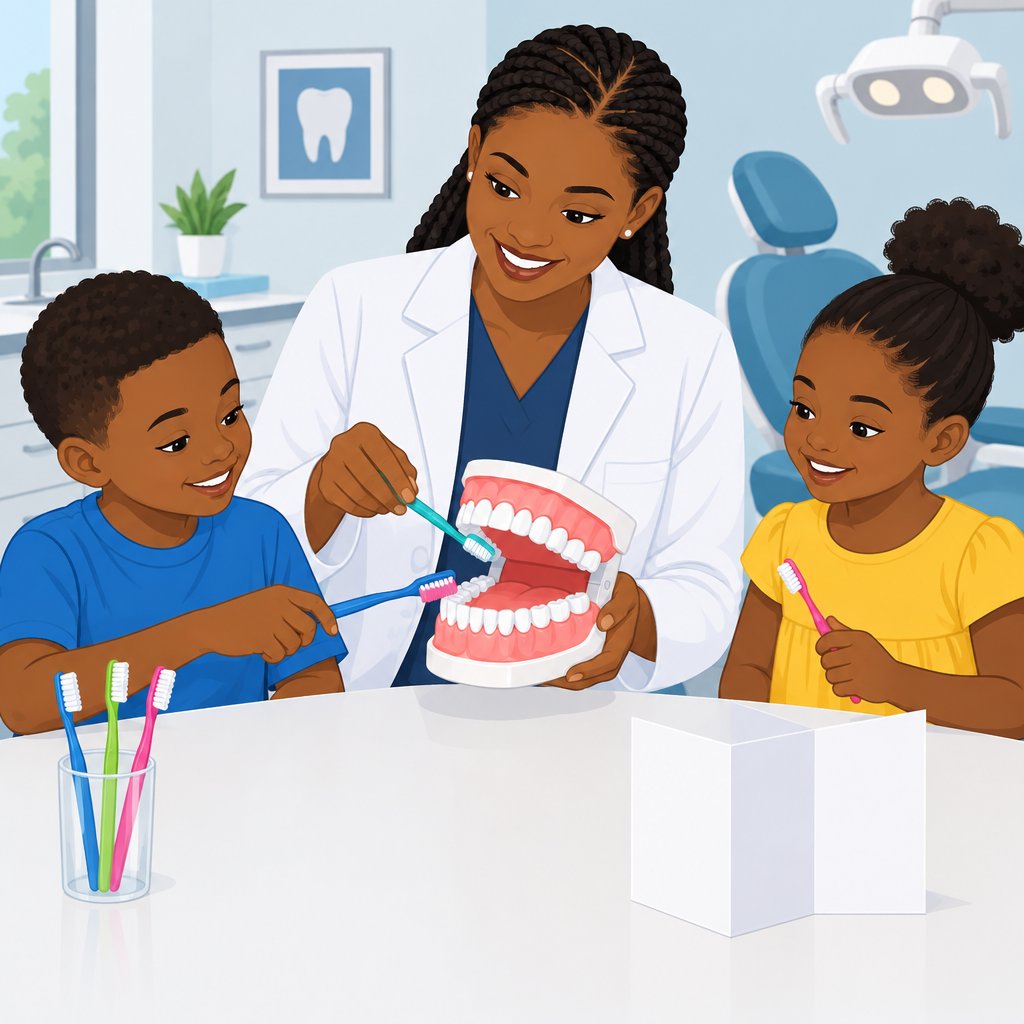
Continued Support for Children’s Oral Health
Continued support can help these initiatives extend oral health education and dental services.
Regular participation may reinforce healthy habits among children and strengthen awareness.
These efforts can continue serving underserved communities across Nigeria.
Delve into the Subject: Surgical Training Programs in Nigeria: Comprehensive Guide
Challenges Faced in Promoting Dental Health Campaigns for Kids
Dental health campaigns for children face cultural, financial, professional, and governmental challenges.
Transform Your Career with Expert Guidance
Get personalized mentorship consulting that’s tailored to your unique path. Our expert advice is actionable and exclusive.
Get StartedThese barriers can limit children’s access to reliable information and preventive care.
Therefore, coordinated community support can help improve oral health outcomes for Nigerian children.
Cultural Beliefs and Misconceptions About Dental Care
Some communities lack awareness about the importance of dental health.
Additionally, superstitions may suggest that visiting a dentist causes bad luck or illness.
Furthermore, some people attribute dental problems to spiritual forces instead of poor oral hygiene.
- Some communities lack awareness about the importance of dental health.
- Superstitions may suggest that visiting a dentist causes bad luck or illness.
- Some people attribute dental problems to spiritual forces instead of poor oral hygiene.
Limited Resources and Funding for Dental Health Programs
Remote areas may have too few dental professionals to provide care for children.
Moreover, inadequate funding can restrict educational materials and outreach programs.
Government support also remains important for initiatives that target children’s dental health.
- Remote areas may have too few dental professionals to provide care for children.
- Inadequate funding can restrict educational materials and outreach programs.
- Government support remains important for initiatives that target children’s dental health.
Addressing these barriers requires strategic solutions and support from government and community stakeholders.
Delve into the Subject: Restorative Dentistry for Children in Nigeria
Several strategies can improve dental health campaigns for kids in Nigeria.
These approaches can strengthen campaign effectiveness and support lasting benefits.
Schools, communities, families, and stakeholders can help promote good oral hygiene practices.
Collaboration with Schools and Communities
Schools can incorporate oral health education into their curricula.
Additionally, dental screenings and fluoride treatments can take place regularly in schools.
Community leaders can support dental initiatives and encourage local participation.
- Partner with schools to incorporate oral health education into the curriculum.
- Conduct regular dental screenings and fluoride treatments in schools.
- Organize workshops and seminars for teachers, parents, and community members.
- Establish dental clubs that promote oral hygiene practices among students.
- Encourage community leaders to support and participate in dental health initiatives.
Educational Materials and Awareness Campaigns
Culturally relevant materials can make oral health messages easier for families to understand.
Moreover, social media and local media can extend campaign awareness.
Community events can provide additional opportunities to share dental health information.
- Create culturally relevant educational materials in local languages.
- Distribute pamphlets, brochures, and posters in schools and communities.
- Use social media platforms to reach children and parents.
- Organize dental health fairs and community events to raise awareness.
- Collaborate with local media outlets to broadcast public service announcements.
These strategies can help campaigns reach more children and families.
Furthermore, sustained cooperation can support the long-term success of dental health efforts.
Engaging schools, communities, and stakeholders can encourage stronger oral hygiene practices among children.
See Related Content: Importance of Regular Dental Checkups for Kids
Importance of Early Intervention and Preventive Measures
Dental health campaigns for kids promote early intervention and preventive measures.
By educating children early, campaigns help them develop habits that can last a lifetime.
Regular dental check-ups, proper brushing, and healthy eating can help prevent future dental issues.
Additionally, early intervention helps professionals detect potential problems and provide timely treatment.
Benefits of Early Dental Health Education
Starting dental health education early helps children understand the importance of oral hygiene.
Children who learn these practices early may take better care of their teeth and gums.
Consequently, they may experience fewer dental issues as they grow older.
Early education also encourages responsibility and autonomy in managing personal oral health.
Ways Parents and Caregivers Can Support Oral Hygiene
Parents and caregivers can encourage children to brush and floss regularly.
They can also limit sugary snacks and drinks while scheduling routine dental check-ups.
Furthermore, adults should model good oral hygiene and demonstrate its importance.
Creating a positive environment can make dental care more engaging for children.
By prioritizing oral health at home, families can help children develop lasting habits.
Gain More Insights: How Restorative Dentistry Can Improve Quality of Life
Sustaining Support for Children’s Dental Health
Strong partnerships can sustain children’s oral health efforts across Nigeria.
Parents, educators, healthcare professionals, and policymakers can support these efforts through coordinated action.
Together, they can help create a healthier future where children prioritize oral health and prevent dental problems.
Furthermore, campaigns can connect children with essential dental services that many families may otherwise struggle to access.
These initiatives also teach children why consistent dental care matters.
Therefore, communities should continue raising awareness about children’s dental health.
Advocates can also encourage policies that expand access to quality dental care for every child.
With shared commitment, Nigeria can strengthen oral health outcomes for the next generation.
Additional Resources
Google search results for Nigerian Dental Health Campaigns for Kids Medical
Bing search results for Nigerian Dental Health Campaigns for Kids Medical


