



Introduction
In Nigeria, cultural beliefs play a significant role in shaping attitudes towards dental health.
Understanding these beliefs is crucial in providing effective healthcare.
Nigerian cultural beliefs often influence practices related to oral hygiene and dental care.
These practices include traditional remedies and superstitions.
Healthcare providers need awareness of these beliefs to provide culturally sensitive care.
This understanding can lead to better patient outcomes.
Cultural Beliefs Impacting Child Dental Health
Understanding cultural beliefs surrounding child dental health in Nigeria supports effective oral hygiene promotion.
These beliefs can shape children’s dental practices and health outcomes.
They also influence how families respond to dental problems.
Traditional Practices Related to Dental Health
- Many Nigerian communities use traditional methods and herbal remedies to support dental health in children.
- Some communities believe certain herbs and roots protect children from dental ailments.
- These practices have passed from generation to generation.
- Traditional healers often provide remedies and treatments for children’s dental health issues.
- However, reliance on traditional care can discourage parents from seeking modern dental services.
Superstitions and Myths Surrounding Children’s Dental Care
- Several Nigerian communities hold beliefs about rituals that supposedly protect children from dental diseases.
- One common myth delays dental visits until children experience severe pain or discomfort.
- Delayed visits can allow dental conditions to worsen.
- Additionally, fears about tooth extraction may discourage professional treatment.
- Misunderstanding modern procedures can further reduce parents’ willingness to seek dental care.
Cultural Influences on Children’s Oral Hygiene Habits
- Cultural norms influence children’s oral hygiene habits in Nigeria.
- For example, traditional ceremonies and celebrations may encourage children to consume sugary foods and drinks.
- Such dietary practices can contribute to poor oral health.
- Limited access to dental care and preventive services can create further challenges.
- Therefore, unhealthy cultural habits may negatively affect children’s dental health.
Community Education and Modern Dental Care
Education efforts now help parents and communities understand children’s oral hygiene needs.
Regular dental check-ups can support earlier attention to children’s dental problems.
Addressing harmful myths may improve children’s access to appropriate dental care.
Dental Health Promotion Challenges in Nigeria
Nigeria faces various challenges when promoting dental health.
These challenges hinder efforts to improve dental care practices.
They also affect efforts to strengthen overall oral hygiene.
Barriers to Effective Dental Health Promotion
Many Nigerians lack awareness of modern dental practices.
Consequently, some people rely on traditional dental care methods.
These methods may not effectively prevent dental problems.
Many communities also have limited access to dental care facilities.
Remote areas may lack dental clinics and qualified dental professionals.
Therefore, residents may miss essential treatment and oral hygiene education.
Traditional cultural beliefs also influence perceptions of dental health.
Some communities attribute dental problems to spiritual factors rather than poor oral hygiene.
This resistance to change makes modern dental practices difficult to promote.
Effective progress requires education, infrastructure development, and cultural sensitivity.
These efforts can address barriers while supporting improved dental health practices.
Uncover the Details: Impact of Optometry on Nigerian Public Health
Strategies for Addressing Cultural Beliefs in Child Dental Health
Healthcare providers can address cultural beliefs through education, collaboration, and integration.
These strategies can support oral health promotion among culturally diverse communities.
They can also encourage families to adopt suitable dental prevention and treatment practices.
- Education and awareness campaigns tailored to cultural beliefs
- Collaboration with traditional healers and community leaders
- Integration of cultural practices into modern dental care
Education and Awareness Campaigns Tailored to Cultural Beliefs
Education and awareness campaigns can address cultural beliefs about children’s dental health.
First, healthcare providers should understand local norms and oral health practices.
They can then develop messages that respect community beliefs and encourage healthy dental practices.
Collaboration with Traditional Healers and Community Leaders
Traditional healers and community leaders often influence healthcare beliefs and attitudes.
Therefore, healthcare providers can collaborate with these respected community members.
This collaboration can connect traditional practices with professional dental services.
Integration of Cultural Practices into Modern Dental Care
Modern dental care should recognize cultural traditions that shape attitudes toward children’s dental health.
By respecting these traditions, providers can create more inclusive and culturally sensitive services.
As a result, families may develop greater trust in dental treatment and prevention strategies.
Explore Further: Benefits of Physiotherapy for Nigerians' Health
Transform Your Career with Expert Guidance
Get personalized mentorship consulting that’s tailored to your unique path. Our expert advice is actionable and exclusive.
Get StartedEarly childhood dental health supports children’s overall well-being.
Importance of Early Childhood Dental Health
- Poor oral health can contribute to systemic health issues.
- Healthy teeth support proper speech development and adequate nutrition.
- A healthy appearance can strengthen confidence and self-esteem.
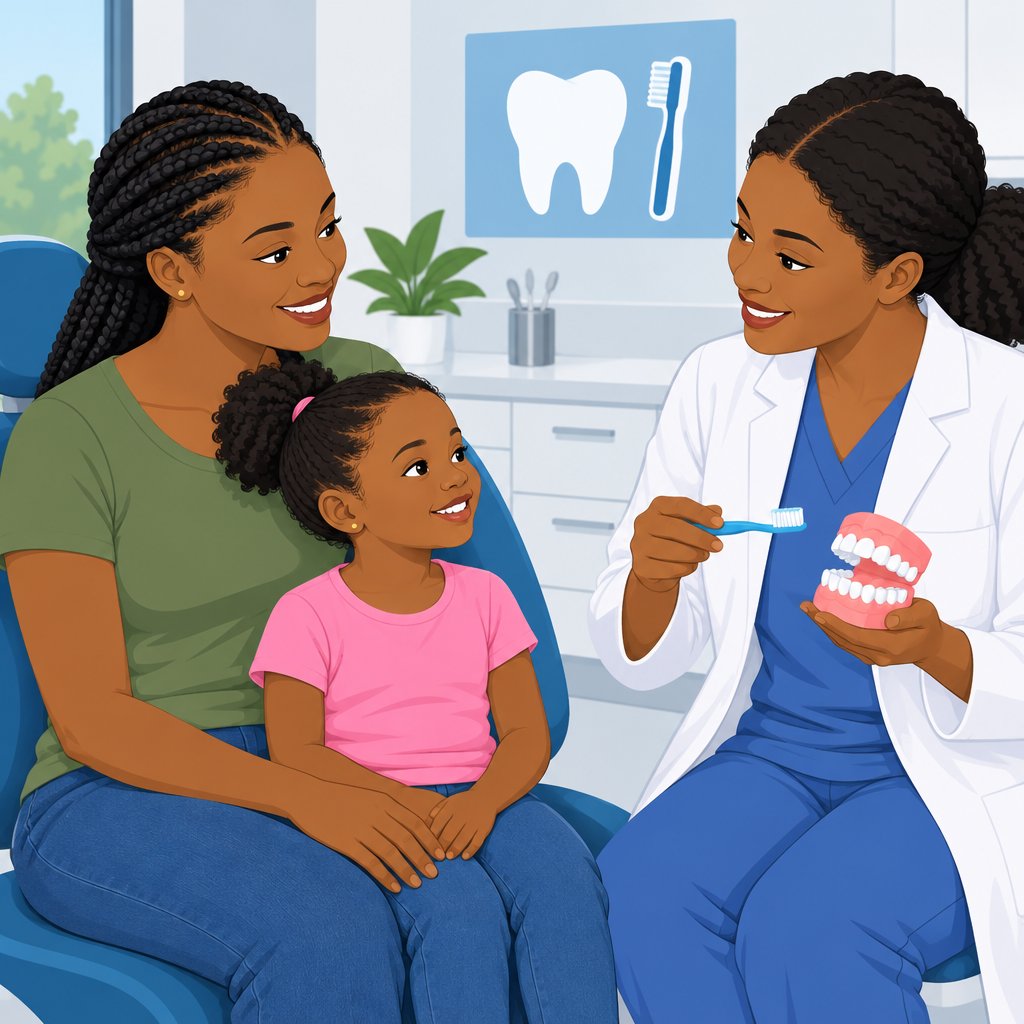
Impact of Early Dental Care on Overall Health
- Dental problems can increase risks associated with heart disease and diabetes.
- Good oral health supports the body’s ability to fight infections.
- Healthy teeth improve everyday activities such as eating and speaking.
Preventive Measures for Common Childhood Dental Issues
- Regular dental check-ups support early detection and prevent complications.
- Brushing, flossing, and rinsing help reduce the risk of cavities.
- Limiting sugary foods and drinks helps maintain healthy teeth and gums.
Long-Term Benefits of Childhood Oral Hygiene
- Good childhood habits can support lifelong oral health.
- Preventive care can reduce the need for costly dental procedures later.
- Children who learn oral hygiene early may continue those habits as adults.
Discover More: Microbiological Safety Standards in Nigeria
Case Studies and Success Stories
Nigeria has experienced successful interventions that promote child dental health.
These efforts improve oral hygiene practices among children.
Additionally, several community initiatives support better access to dental care.
Successful Child Dental Health Interventions
Community programs provide children with free dental check-ups and treatments.
School programs teach children how to practice proper dental care.
Furthermore, local organizations help families access essential oral hygiene supplies.
- Community dental outreach programs provide free dental check-ups and treatments.
- School-based oral health programs teach children about proper dental care.
- Local organizations distribute oral hygiene kits to families in need.
These interventions involve communities, schools, and local organizations.
They combine education, treatment, and access to oral hygiene materials.
As a result, children and families receive practical support for dental care.
Community Leaders Making a Difference
Several individuals and organizations contribute directly to community dental health.
For example, Dr. Adebayo uses a mobile dental clinic to reach underserved areas.
Meanwhile, community advocates support dental services and healthy habits.
- Dr. Adebayo started a mobile dental clinic for underserved areas.
- The Smile Foundation raised funds to build a rural dental clinic.
- Mrs. Adejoke introduced a tooth brushing program at her school.
These examples show how local action can strengthen child dental health.
Mobile clinics, fundraising, and school programs address different community needs.
Together, these efforts encourage children to develop healthier oral care habits.
Professional Insights for Bridging Cultural Gaps
Healthcare professionals recognize the importance of respecting cultural beliefs.
They consider cultural norms and practices when promoting child dental health.
By addressing these factors, professionals communicate the benefits of good oral hygiene more effectively.
Learn More: Anatomy Textbooks Recommended in Nigeria
Culturally Responsive Action for Child Dental Health
Healthcare providers must respect cultural beliefs when promoting child dental health in Nigeria.
Moreover, collaboration and innovation can address these beliefs and improve oral health outcomes.
Cultural awareness strengthens healthcare and supports children’s well-being.
Additional Resources
Google search results for Nigerian Cultural Beliefs and Child Dental Health Medical
Bing search results for Nigerian Cultural Beliefs and Child Dental Health Medical


