




Introduction
Nigeria has rich biodiversity, including diverse ecosystems, species, and genetic resources.
Conserving this biodiversity helps maintain ecosystem balance and supports sustainable development.
This section introduces Nigeria’s biodiversity and explains why conservation matters.
Brief Overview of Biodiversity in Nigeria
Nigeria contains diverse habitats, including rainforests, savannas, mangroves, and wetlands.
These environments support many plant and animal species.
Many of those species are endemic to the country.
Importance of Biodiversity Conservation
Biodiversity conservation maintains essential ecosystem services, including clean air, water, and soil.
It also supports food security and livelihoods.
Furthermore, conservation helps address climate change mitigation and adaptation.
Purpose of the Blog Post
This blog post raises awareness about biodiversity conservation in Nigeria.
It highlights initiatives and strategies that protect the country’s natural resources.
It also emphasizes sustainable management of those resources.
Nigeria’s Biodiversity and Conservation Efforts
Nigeria contains forests, wetlands, savannas, and marine habitats, creating varied environments for biodiversity.
These ecosystems support distinctive plants and animals across the country.
Conservation efforts seek to protect this natural heritage for future generations.
Diverse Ecosystems Across Nigeria
Nigeria’s landscapes range from Cross River National Park rainforests to Yankari Game Reserve savannas.
Wetlands and marine habitats also add important ecological variety.
Together, these environments support many forms of life.
- Nigeria is home to a wide range of ecosystems, including forests, wetlands, savannas, and marine habitats.
- Each ecosystem supports a unique array of plant and animal species.
- Cross River National Park contains dense rainforests, while Yankari Game Reserve features expansive savannas.
Rich Plant and Animal Species
Species diversity extends across Nigeria’s terrestrial and aquatic environments.
Some plants and animals found in Nigeria are endemic to the region.
Wildlife and plant resources provide important examples of the country’s biological richness.
- Nigeria is blessed with abundant plant and animal species, including many endemic species.
- Iconic wildlife includes elephants, lions, chimpanzees, and many bird species.
- Medicinal plants, trees, and flowering species contribute to Nigeria’s botanical diversity.
Threats to Biodiversity
Several pressures now endanger Nigeria’s ecosystems and species.
These pressures affect habitats, water bodies, wildlife populations, and ecological conditions.
Consequently, conservation requires responses to land use, pollution, and climate risks.
- Deforestation, pollution, and climate change threaten Nigeria’s biodiversity.
- Agriculture, logging, and urbanization rapidly reduce forest cover and wildlife habitats.
- Industrial activities, oil spills, and waste disposal contaminate water bodies and harm wildlife.
- Climate change shifts temperatures and rainfall patterns while encouraging new disease vectors.
Conservation Efforts in Nigeria
Stakeholders across Nigeria use research, management, advocacy, and community engagement to address these threats.
Government bodies manage protected areas and support sustainable forest management.
Other organizations and businesses contribute through collaboration, ecotourism, and social responsibility.
- The Nigerian Conservation Foundation supports conservation through research, advocacy, and community engagement.
- The National Parks Service manages protected areas and supports biodiversity protection.
- The Forestry Research Institute of Nigeria promotes sustainable forest management.
- The Wildlife Conservation Society works with communities on conservation and sustainable development.
- Ecotourism ventures and corporate social responsibility programs also support conservation efforts.
These efforts can help preserve biodiversity and maintain ecosystem health for future generations.
Awareness, research, and sustainable practices can support a greener, more biodiverse future.
Government Initiatives for Biodiversity Conservation
Government agencies and laws support biodiversity conservation in Nigeria.
These initiatives protect wildlife, guide planning, and regulate activities affecting endangered species.
Together, they provide different approaches for managing protected areas and biodiversity resources.
- National Parks Service
- National Biodiversity Strategy and Action Plan
- Endangered Species (Control of International Trade and Traffic) Act
National Parks Service
The National Parks Service manages and protects national parks and wildlife reserves across Nigeria.
It conserves diverse ecosystems within protected areas.
Additionally, the service promotes sustainable tourism and biodiversity education.
National Biodiversity Strategy and Action Plan
The National Biodiversity Strategy and Action Plan guides biodiversity conservation across Nigeria.
It establishes goals for sustainable resource management and endangered species protection.
Furthermore, the plan integrates conservation considerations into agriculture, forestry, and fisheries.
Endangered Species Control Act
The Endangered Species Act protects vulnerable species from illegal trade and exploitation.
It regulates the import, export, and trade of endangered species and their products.
Transform Your Career with Expert Guidance
Get personalized mentorship consulting that’s tailored to your unique path. Our expert advice is actionable and exclusive.
Get StartedMoreover, the Act supports Nigeria’s compliance with the Convention on International Trade in Endangered Species.
Uncover the Details: Government Policies on Environmental Management in Nigeria
Non-governmental Organizations Involved in Conservation Efforts
Several non-governmental organizations support biodiversity conservation efforts in Nigeria.
These organizations protect ecosystems, wildlife, and natural resources through coordinated conservation activities.
They also promote sustainable practices that support Nigeria’s environmental future.
Nigerian Conservation Foundation
The Nigerian Conservation Foundation is one of Nigeria’s leading environmental organizations.
The NCF focuses on biodiversity conservation and sustainable development.
The organization began its conservation work in 1980.
It protects endangered species, ecosystems, and natural resources across Nigeria.
Additionally, the NCF promotes environmental education, advocacy, research, and community engagement.
It collaborates with government agencies, local communities, and other stakeholders.
These partnerships support conservation projects and initiatives across the country.
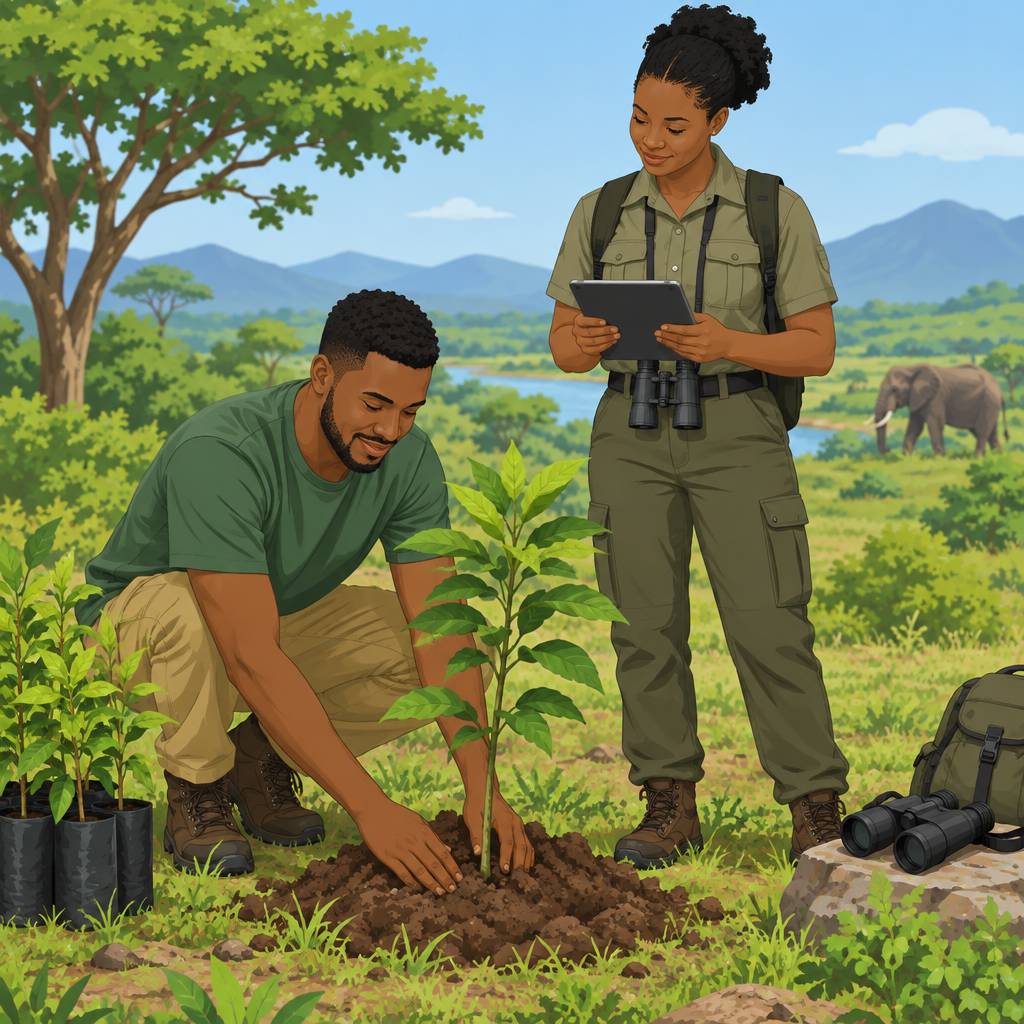
Wildlife Conservation Society Nigeria
The Wildlife Conservation Society Nigeria helps conserve wildlife and wild places.
Its mission includes saving wildlife and wild places worldwide.
The organization uses science, conservation action, and education to advance this mission.
It also inspires people to value nature.
WCS Nigeria implements wildlife monitoring, habitat protection, and community engagement programs.
Furthermore, it advocates for policies that support conservation.
The organization works with communities, government agencies, and conservation partners.
These efforts address habitat loss, poaching, and climate change threats.
Nature Conservation Society of Nigeria
The Nature Conservation Society of Nigeria promotes nature conservation and sustainable development.
The NCSN operates as a non-profit organization.
Founded in 1980, it protects biodiversity, natural resources, and ecosystems.
The organization uses research, education, and community-based initiatives to support conservation.
It raises awareness about the importance of biodiversity conservation.
Moreover, the NCSN advocates for environmental protection policies.
It implements projects that safeguard Nigeria’s natural heritage.
The organization collaborates with government agencies, academic institutions, and local communities.
These collaborations address conservation challenges and encourage sustainable practices.
Together, these organizations contribute significantly to biodiversity conservation efforts in Nigeria.
Their expertise and collaboration help safeguard diverse ecosystems and wildlife for future generations.
Learn More: Estate Management Projects: Examples and Insights
Community Involvement in Biodiversity Conservation
Community involvement in biodiversity conservation helps preserve Nigeria’s rich natural resources.
Local participation strengthens conservation efforts and supports sustainable practices.
It also improves local livelihoods and encourages stewardship among community members.
Traditional Knowledge and Practices
Local communities preserve valuable knowledge passed down through generations.
This knowledge includes sustainable farming techniques and medicinal plant usage.
It also guides wildlife conservation practices within local environments.
Community-led Conservation Projects
Community-led projects give residents greater ownership of environmental protection.
These projects include reforestation initiatives and wildlife monitoring programs.
As a result, communities actively support conservation efforts in their surroundings.
Local Communities and Biodiversity Protection
Local communities help safeguard biodiversity because they live near natural habitats.
Their experience helps them understand ecosystem dynamics and identify emerging threats.
They can respond to threats while promoting sustainable practices for future generations.
You Might Also Like: Regulatory Bodies for Environmental Safety in Nigeria
Challenges Facing Biodiversity Conservation in Nigeria
Conserving biodiversity in Nigeria presents several challenges that hinder efforts to protect natural resources.
These obstacles can weaken conservation programs and leave species vulnerable.
Addressing them requires sustained attention to funding, enforcement, and relationships between people and wildlife.
Limited Funding and Resources
Limited funding and resources remain major obstacles to biodiversity conservation in Nigeria.
Without sufficient financial support, conservation programs struggle to operate and continue effectively.
Consequently, agencies may lack enough staff, equipment, and training for conservation work.
These limitations reduce monitoring capacity and leave many species vulnerable to extinction.
Corruption and Weak Law Enforcement
Corruption within government and enforcement agencies creates another significant obstacle to biodiversity conservation.
Officials may accept bribes or ignore illegal activities, thereby undermining conservation efforts.
Moreover, weak enforcement allows individuals and companies to damage habitats and exploit wildlife.
Such activities include deforestation, illegal wildlife trade, and habitat destruction.
As a result, environmental laws cannot protect biodiversity effectively.
Human-Wildlife Conflicts
Growing competition for resources has increased conflicts between people and wildlife in Nigeria.
As human populations expand, people increasingly encroach upon wildlife habitats.
These interactions can produce harmful consequences for both communities and animals.
For example, conflicts may trigger retaliatory killings of endangered species.
They can also fragment habitats and reduce biodiversity.
Therefore, conflicts complicate efforts to protect species and preserve their habitats.
Addressing funding shortages, corruption, weak enforcement, and human-wildlife conflicts can strengthen biodiversity conservation.
These improvements can help preserve Nigeria’s natural resources for future generations.
Discover More: Career Paths in Environmental Safety Management
Success Stories in Biodiversity Conservation
Nigeria has recorded several encouraging biodiversity conservation successes.
These efforts include species reintroduction, habitat restoration, and public education.
Together, these approaches demonstrate how dedicated action can protect Nigeria’s natural heritage.
- Reintroduction of species like the black rhino
- Reforestation projects in degraded areas
- Conservation awareness campaigns
Reintroduction of Species Like the Black Rhino
Black rhinos faced near extinction in Nigeria because poaching and habitat loss threatened them.
Conservation teams successfully reintroduced these animals into protected areas.
This effort restored their presence within safer habitats.
Reforestation Projects in Degraded Areas
Reforestation projects have revitalized degraded areas in Nigeria.
Teams plant native trees and engage local communities in restoration activities.
These projects restore lost habitats and provide sustainable livelihoods for communities.
Conservation Awareness Campaigns
Raising awareness helps people understand biodiversity conservation’s importance in Nigeria.
Conservation organizations, government bodies, and local communities educate the public about preserving biodiversity.
Through workshops, seminars, and community events, these campaigns encourage sustainable practices.
Dedicated efforts can produce positive change in Nigeria.
Working together can protect and preserve Nigeria’s natural heritage for future generations.
Collective Action for Nigeria’s Biodiversity
As Nigeria faces biodiversity challenges, individuals can support conservation through meaningful action.
Deforestation, poaching, and pollution continue to place Nigeria’s biodiversity at risk.
Therefore, awareness and education can encourage stronger support for conservation efforts.
Moreover, sustainable practices help individuals contribute to protecting ecosystems.
By working together, people can help preserve Nigeria’s rich and diverse ecosystems for the future.
Additional Resources
Google search results for Biodiversity Conservation Efforts in Nigeria Environmental
Bing search results for Biodiversity Conservation Efforts in Nigeria Environmental


