



Environmental Challenges Affecting Nigeria
Nigeria is currently facing severe environmental challenges that affect sustainable development.
These challenges include deforestation, pollution, and climate change.
Together, they threaten ecosystems, public health, and the country’s future resilience.
Deforestation
Deforestation remains a major environmental issue in Nigeria.
It causes biodiversity loss and disrupts ecosystems.
Moreover, illegal logging and agricultural land clearing intensify this problem.
Pollution
Pollution presents another significant environmental challenge in Nigeria.
Air and water pollution affect communities and threaten public health.
Furthermore, industries and urban areas contribute to air and water contamination.
Climate Change
Climate change poses a serious threat to Nigeria’s environment.
Rising temperatures and extreme weather events affect agriculture, water resources, and coastal areas.
Consequently, these effects contribute to food insecurity and community displacement.
Importance of Addressing Environmental Challenges
Addressing these challenges supports Nigeria’s sustainable development.
Sustainable natural resource management remains essential for economic growth and public well-being.
Effective action can preserve the environment, protect public health, support biodiversity, and build a resilient future.
Deforestation in Nigeria
Deforestation clears trees and forests for other land uses.
Nigeria faces significant deforestation because agriculture, logging, mining, and urbanization remove forest cover.
Illegal logging also removes valuable forest resources, while forests continue to disappear each year.
Effects on Biodiversity and Climate
Forest clearance destroys habitats and reduces biodiversity across Nigeria.
As habitats disappear, many plant and animal species lose places to live.
Deforestation releases stored carbon, contributes to global warming, and weakens resilience to flooding and erosion.
Forest Restoration and Sustainable Management
Reforestation can restore degraded areas and strengthen biodiversity.
Selective logging can reduce forest damage when managers control tree removal.
Community-based forest management can support sustainable use and protect local forest resources.
Strict enforcement can also deter illegal logging and protect forests for future generations.
Pollution remains one of Nigeria’s key environmental challenges.
It affects the air, water, and soil.
These forms of pollution harm public health and natural ecosystems.
Types of Pollution in Nigeria
Nigeria experiences pollution through several environmental pathways.
Urban activities contribute significantly to polluted air.
Meanwhile, industrial, agricultural, and household activities affect water and soil quality.
- Air pollution affects urban areas through vehicle emissions, industrial processes, and waste burning.
- Water pollution contaminates rivers and lakes with industrial waste, chemicals, and untreated sewage.
- Soil pollution results from agricultural activities, industrial runoff, and improper waste disposal.
Health and Environmental Effects
Pollution creates serious risks for people and ecosystems across Nigeria.
Air contamination can damage respiratory health.
Similarly, polluted water and soil can threaten communities, crops, wildlife, and ecosystem balance.
- Air pollution can cause respiratory diseases such as asthma and bronchitis.
- Water contamination can spread diseases such as cholera and typhoid.
- Soil pollution reduces crop productivity and can contribute to food insecurity.
- Pollution threatens wildlife and disrupts ecosystem balance, causing biodiversity loss.
Regulations and Enforcement to Combat Pollution
Effective pollution control requires strong regulations and consistent enforcement.
Government agencies must monitor facilities and address violations.
Additionally, public education can encourage sustainable practices and support environmental protection.
- Nigeria uses environmental laws, including the National Environmental Standards and Regulations Enforcement Agency (NESREA) Act.
- Regular monitoring can determine whether industries and facilities meet environmental standards.
- Penalties and fines can deter activities that violate pollution regulations.
- Public awareness can explain pollution impacts and promote sustainable practices.
Government action and individual responsibility must work together to reduce pollution.
These efforts can help protect Nigeria’s environment for future generations.
Uncover the Details: Environmental Tech Solutions for Nigerian Urban Areas
Transform Your Career with Expert Guidance
Get personalized mentorship consulting that’s tailored to your unique path. Our expert advice is actionable and exclusive.
Get Started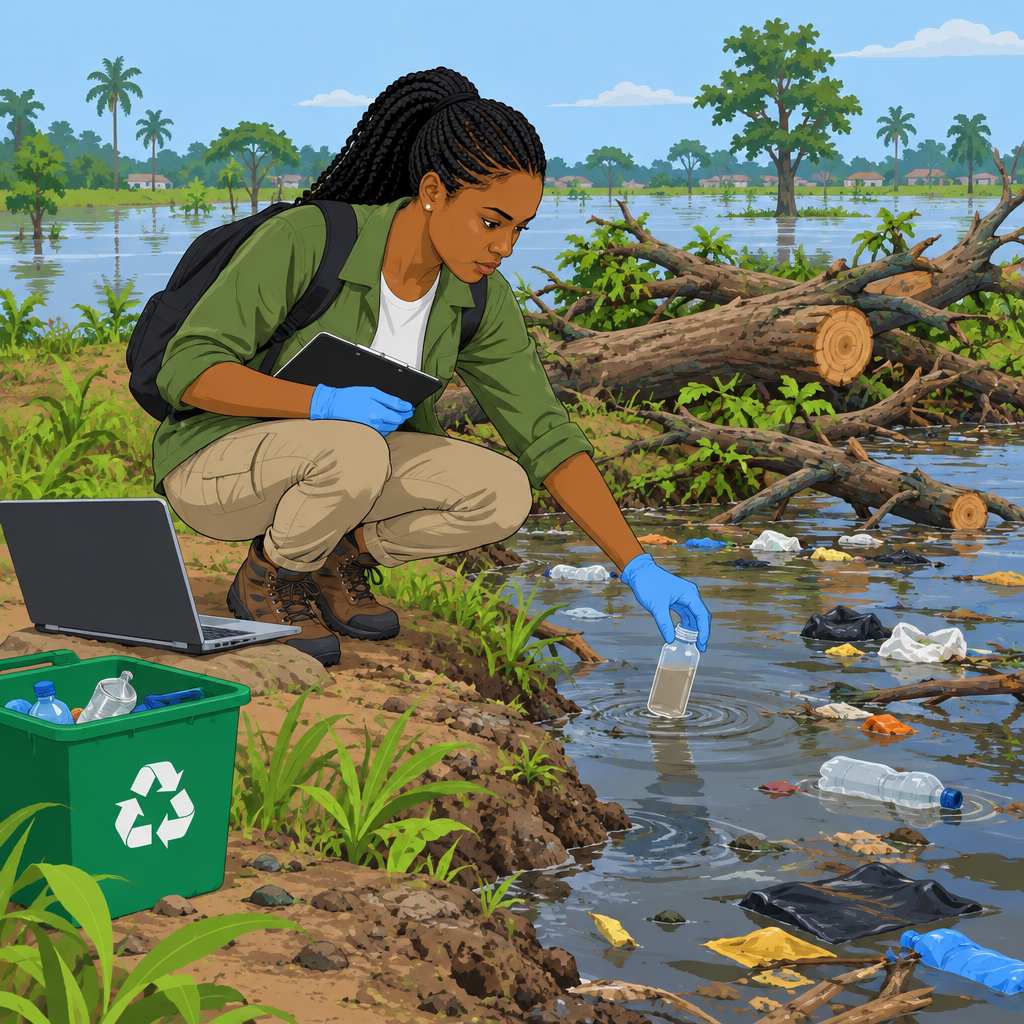
Oil Spills in Nigeria
Oil spills create a major environmental challenge for Nigeria.
The Niger Delta experiences frequent spills that damage communities and ecosystems.
These incidents threaten local livelihoods, natural resources, and regional biodiversity.
Frequency and Impact
- Pipeline sabotage, operational failures, and vandalism cause frequent oil spills in the Niger Delta.
- These spills contaminate water sources, destroy farmland, and disrupt local livelihoods.
- Moreover, oil coats vegetation, poisons aquatic life, and disturbs regional biodiversity.
Concerns for Local Communities and Ecosystems
- Fishing and farming communities face food insecurity and health problems after oil spills.
- Oil contamination causes long-term damage to the Niger Delta’s plants and animals.
- Furthermore, Indigenous communities risk losing cultural heritage connected to their environment.
Government and Industry Response
- The Nigerian government uses regulations and laws to prevent oil spills, but enforcement remains difficult.
- Corruption and limited resources continue to weaken official enforcement efforts.
- Meanwhile, oil companies improve pipeline maintenance and surveillance while responding through containment and cleanup.
Delays and inadequate resources often limit cleanup and remediation after spills.
Therefore, Nigeria must strengthen regulations, improve enforcement, and support sustainable practices.
These measures can reduce spill risks and protect affected communities and ecosystems.
Find Out More: Nigerian Fisheries: Industry and Economy
Waste Management
Waste disposal and recycling in Nigeria face numerous challenges that require urgent attention.
These challenges affect daily waste handling and recycling efforts.
Therefore, coordinated action can improve environmental protection and public health.
Challenges of Waste Disposal and Recycling in Nigeria
Several weaknesses limit effective waste disposal and recycling across Nigeria.
Furthermore, poor collection systems make responsible waste handling more difficult.
Improved facilities and consistent practices can support cleaner communities.
- Lack of proper waste disposal infrastructure
- Inadequate waste collection and segregation practices
- Limited awareness about the importance of recycling
- Illegal dumping of waste in open spaces and water bodies
- Insufficient funding for waste management programs
Health Risks from Improper Waste Management
Improper waste management practices in Nigeria pose serious health risks to people and the environment.
These practices can expose communities to harmful substances and contaminated surroundings.
Consequently, poor waste handling can damage public health and natural ecosystems.
- Exposure to hazardous chemicals and toxins
- Spread of diseases through contaminated water and air
- Increased risk of respiratory illnesses and skin infections
- Negative impact on biodiversity and ecosystem health
Strategies for Improving Waste Management Practices
Effective strategies can strengthen waste collection, recycling, and community participation.
Moreover, clear regulations can discourage illegal dumping and promote responsible practices.
Public education can also encourage individuals and organizations to manage waste carefully.
- Investing in waste collection infrastructure and equipment
- Implementing waste segregation at source and recycling programs
- Enforcing regulations and fines for illegal dumping of waste
- Increasing public awareness through education and campaigns
- Collaborating with local communities and organizations for waste cleanup drives
Government, businesses, communities, and individuals must work together to address waste management challenges.
Sustainable practices can protect the environment and promote public health.
These efforts can help create a cleaner and safer future for everyone.
Explore Further: Nigerian Fisheries and Global Markets
Water Scarcity
Water scarcity is a critical environmental challenge facing Nigeria today.
Population growth and climate change continue to increase pressure on available water resources.
Consequently, many communities lack sufficient clean water for drinking, agriculture, and industrial activities.
- Growing scarcity results from population growth and climate change.
- Limited water affects agriculture, health, and livelihoods.
- Organizations promote clean water access and conservation practices.
Growing Water Scarcity
Nigeria’s growing population continues to increase demand for water.
Furthermore, climate change alters weather patterns and creates irregular rainfall.
Prolonged droughts therefore reduce available water supplies in several regions.
Effects on Agriculture, Health, and Livelihoods
Water shortages make it harder for farmers to irrigate their crops.
As a result, agricultural productivity declines and food insecurity increases.
Limited access to clean water also increases exposure to cholera and typhoid.
Moreover, industries that depend on water face operational challenges and reduced economic activity.
Improving Clean Water Access and Conservation
The Nigerian government and various organizations support efforts to address water scarcity.
For example, infrastructure projects can improve water storage through dams and reservoirs.
Community projects also teach residents practical water conservation methods.
These methods include rainwater harvesting and more efficient water usage.
Through collaboration, stakeholders can develop sustainable water management practices.
Such efforts can support reliable water supplies while protecting environmental resources for future generations.
Discover More: Overview of Environmental Management Tech in Nigeria
Urbanization and Environmental Pressure
Urbanization is reshaping Nigeria’s landscape as cities expand rapidly.
This expansion contributes to severe environmental degradation.
Moreover, urban growth increases pressure on waste management, water supply, and sanitation.
Infrastructure Challenges
- Waste Management: Rising populations increase waste generation and strain inadequate management systems.
- Water Supply: Urbanization increases demand for clean, accessible water and challenges adequate supply efforts.
- Sanitation: Overcrowding, inadequate sewage systems, and poor disposal facilities create sanitation problems.
Urban Planning Strategies
- Sustainable Cities: Urban planners need sustainable strategies that support population growth without degrading the environment.
- Green Spaces: Parks, trees, and other green areas can reduce environmental impacts and improve air quality.
- Public Transport: Public transportation can reduce private vehicle use, emissions, and urban congestion.
- Resource Recovery: Recycling and waste-to-energy initiatives can address increasing waste pressures in urban areas.
- Water Conservation: Conservation practices and improved infrastructure can support sustainable water supplies for urban residents.
Effective management requires a holistic approach to Nigeria’s urban environmental challenges.
Such efforts combine sustainable planning, improved infrastructure, and active community participation.
Consequently, Nigeria can develop resilient cities that support a high quality of life.
These cities can preserve the environment for future generations.
Environmental Challenges Affecting Nigeria
Nigeria faces multiple environmental challenges that require urgent attention and coordinated action.
Deforestation clears forests for agriculture and urban development.
Meanwhile, industrial activity and weak waste management pollute air, water, and soil.
These forms of pollution harm human health and disrupt ecosystems.
Climate change increases extreme weather events, including floods and droughts.
These events harm agriculture, food security, and natural habitats.
Biodiversity also declines when habitat destruction, poaching, and pollution threaten species.
This decline can disrupt ecosystems and weaken the balance of nature.
Collaborative Action for Environmental Protection
Therefore, Nigeria must address these challenges promptly to support a sustainable future.
Individuals, government institutions, and industries can promote conservation and sustainable practices together.
Protecting the environment now can support healthier and more resilient conditions for future generations.
Additional Resources
Google search results for Key Environmental Challenges Facing Nigeria Today Environmental
Bing search results for Key Environmental Challenges Facing Nigeria Today Environmental


