



Environmental Technology for Nigerian Urban Areas
Environmental technology solutions help Nigerian cities address growing urban challenges.
As urbanization increases, environmental concerns also become more significant.
Therefore, cities need sustainable technology to maintain healthy and livable environments.
Nigerian urban areas face pollution, waste management difficulties, and inadequate infrastructure.
Moreover, technology can help cities manage and reduce these environmental challenges.
These solutions can improve air quality and support more efficient waste management systems.
Ultimately, sustainable technology can help create healthier and more resilient urban environments.
Smart Waste Management Systems
- Urban areas face challenges due to inefficient waste management practices.
- Smart waste management systems utilize sensors and IoT technology.
- These systems help municipalities track and optimize waste collection.
Air Pollution in Nigerian Cities
Air pollution seriously threatens the health and well-being of Nigerian city residents.
Rapid urban growth, industrial activity, vehicle emissions, and other sources have reduced air quality across many urban centers.
Consequently, residents face increased exposure to harmful pollutants in their daily environments.
- Air pollution contributes to respiratory and cardiovascular diseases among exposed residents.
- Urban air commonly contains particulate matter, sulfur dioxide, nitrogen oxides, and carbon monoxide.
- Lagos, Port Harcourt, and Kano experience serious pollution because industries, vehicles, and waste burning concentrate there.
Air Quality Monitoring Needs
Currently, Nigerian cities lack comprehensive systems for monitoring air quality.
As a result, authorities struggle to measure pollution levels accurately.
Better monitoring would help officials understand pollution patterns and respond more effectively.
Air Quality Monitoring Devices
Authorities can address these information gaps by deploying air quality monitoring devices.
These devices measure pollutants and provide relevant authorities with real-time air quality data.
Furthermore, connected devices can support consistent monitoring across different urban locations.
- Monitoring devices measure several pollutants in the surrounding air.
- A citywide network can reveal pollution sources and identify affected areas.
- Collected information can clarify how air quality changes across different locations.
Benefits of Real-Time Air Quality Data
Real-time information allows authorities to make informed decisions and respond promptly to pollution.
Meanwhile, pollution trends help officials evaluate control measures and adjust their strategies.
Public access to air quality information can encourage citizens to demand cleaner air.
- Authorities can use current readings to guide timely pollution reduction efforts.
- Trend analysis shows whether pollution control measures produce desired improvements.
- Transparent data helps residents hold authorities accountable for air quality management.
Data-Driven Improvements for Urban Air
Nigerian cities need coordinated action to address persistent air pollution.
Monitoring devices can provide the evidence authorities need to protect public health.
Ultimately, reliable data can support healthier and more sustainable urban environments.
Learn More: Nigerian Fisheries: Industry and Economy
Green Spaces and Urban Planning
Green spaces support environmental sustainability in urban areas.
Meanwhile, GIS mapping can identify suitable locations for parks and green areas.
This approach helps planners use urban space and resources more efficiently.
- Green spaces improve air quality and reduce pollution in urban environments.
- They combat the urban heat island effect by providing shade and reducing surface temperatures.
- Additionally, green areas promote biodiversity by providing habitats for plants and animals.
Strategically placed green spaces can improve the overall well-being of urban residents.
Studies show that park access can reduce stress, improve mental health, and enhance physical well-being.
- Green spaces provide recreational opportunities that encourage healthier lifestyles.
- They create places for social interaction and community engagement, strengthening social ties.
- Moreover, green areas can mitigate climate change effects by capturing carbon dioxide from the atmosphere.
Urban planning that includes green spaces benefits both the environment and city residents.
It also contributes to vibrant and livable urban communities.
Finally, GIS mapping helps planners optimize green space placement and maximize community benefits.
Delve into the Subject: Nigerian Fisheries and Global Markets
Renewable Energy Integration
Nigerian cities face unreliable electricity because the national grid frequently experiences power outages.
These interruptions hinder economic growth and disrupt essential business operations.
Businesses often use expensive diesel generators, increasing operating costs and fossil fuel dependence.
- Cities need practical responses to their energy challenges.
- Urban areas should integrate solar panels and wind turbines.
- Renewable power can reduce fossil fuel use and carbon emissions.
Addressing Energy Challenges
Reliable electricity supports business continuity and urban development.
Grid disruptions force companies to spend more on backup generation.
Renewable systems can provide additional power when centralized supply fails.
Solar and Wind Power in Nigerian Cities
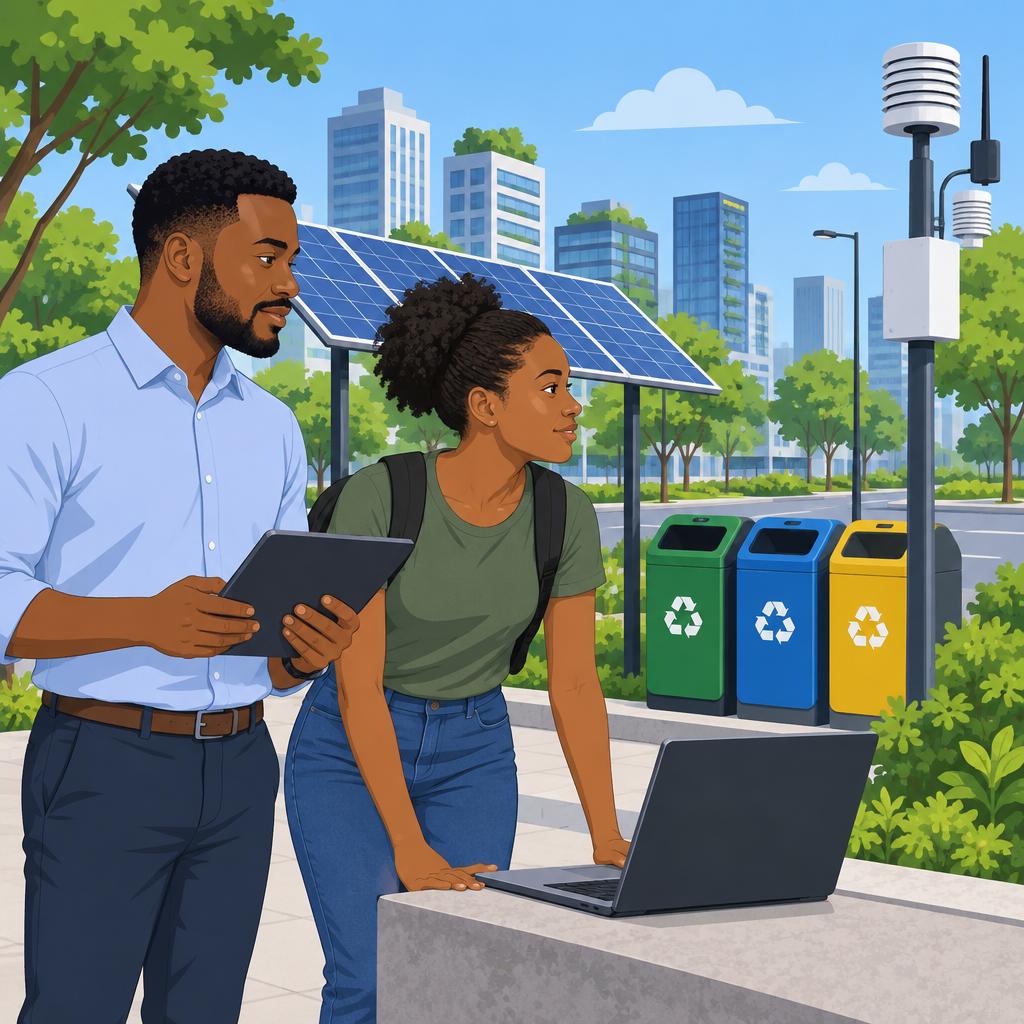
Solar panels can harness the abundant sunlight available across the region.
They can provide a consistent electricity source for urban communities and businesses.
Transform Your Career with Expert Guidance
Get personalized mentorship consulting that’s tailored to your unique path. Our expert advice is actionable and exclusive.
Get StartedWind turbines can use coastal winds to generate power and diversify energy supplies.
Lower Fossil Fuel Use and Carbon Emissions
Renewable energy can reduce the need for diesel generators and other fossil fuel systems.
Using cleaner electricity sources can significantly lower carbon emissions from urban energy consumption.
Reduced emissions can help Nigerian cities mitigate the impacts of climate change.
Energy Security Through Decentralized Power
Distributed renewable systems can reduce reliance on the centralized national grid.
Decentralized generation can improve infrastructure resilience during supply disruptions.
Local power sources can strengthen energy security across Nigerian urban areas.
Economic Opportunities from Clean Energy
Renewable energy adoption can attract investment into the clean energy sector.
New projects can create jobs, support skills development, and encourage local innovation.
Reducing fossil fuel imports can support energy independence and strengthen national energy security.
Collaborative Action for a Resilient Energy Future
Policymakers, businesses, and communities should collaborate on sustainable energy solutions.
Strategic renewable energy investments can help cities become cleaner and more resilient.
Solar panels and wind turbines can support a greener future for Nigerian urban areas.
You Might Also Like: Overview of Environmental Management Tech in Nigeria
Water scarcity affects many Nigerian urban areas because populations grow faster than infrastructure.
Therefore, smart water management systems can address shortages and improve resource efficiency.
The Scarcity of Clean Water in Urban Areas
- Rapid population growth and urbanization increase demand for clean water.
- Inadequate infrastructure causes leakages and inefficient water distribution.
- Industrial pollution and improper waste disposal contaminate available water sources.
Implementation of Smart Water Management Systems
- First, sensors and Internet of Things technology can monitor water usage in real time.
- Smart meters help users track consumption and identify opportunities for improvement.
- Additionally, leak detection systems identify losses early and prevent unnecessary wastage.
- Weather-based automated irrigation systems can optimize agricultural water usage.
The Potential of Technology in Water Management
- Remote monitoring systems allow authorities to manage water resources more efficiently.
- Data analytics can predict water demand patterns and improve supply planning.
- Cloud-based platforms support collaboration among stakeholders and strengthen water management.
- Mobile applications give consumers water usage data and conservation guidance.
These technologies can help Nigerian urban areas reduce wastage and maintain sustainable water supplies.
Moreover, smart systems can encourage long-term water conservation among authorities and consumers.
Uncover the Details: Technological Advances in Environmental Safety
Urban Mobility Solutions
Inefficient transportation systems cause traffic congestion and air pollution in urban areas.
Therefore, urban areas need smart technology to address these challenges effectively.
Smart traffic lights and public transportation apps can transform daily commuting.
Smart traffic lights optimize traffic flow, reduce congestion, and minimize greenhouse gas emissions.
Meanwhile, public transportation apps provide real-time information for easier journey planning.
These solutions promote sustainable transportation and reduce dependence on private vehicles.
By adopting these innovations, Nigerian urban areas can improve air quality and reduce traffic accidents.
Consequently, residents can experience a better overall quality of life.
Community Engagement and Education
- Emphasize community involvement in environmental initiatives
- Use technology platforms to educate residents about sustainable practices
- Highlight awareness campaigns that promote environmental consciousness
Community engagement plays a vital role in implementing environmental technology solutions in Nigerian urban areas.
Without active resident participation, initiatives may fall short of their goals.
Therefore, planners should involve residents throughout every stage of implementation.
Technology platforms offer an effective way to engage residents.
Local authorities can use apps, websites, and social media to share information about eco-friendly practices.
These platforms can explain recycling guidelines and waste management strategies.
Additionally, residents can ask questions, share ideas, and collaborate on sustainability projects.
Awareness campaigns also foster environmental consciousness within communities.
These campaigns can include workshops, seminars, street events, and informational materials.
By presenting environmental issues and solutions clearly, campaigns encourage sustainable daily behaviors.
Environmental Technology for Greener Nigerian Cities
Environmental technology offers Nigerian urban areas promising ways to address waste, pollution, and sustainability challenges.
These solutions can improve waste management, reduce pollution, and promote sustainable practices.
Therefore, government and private businesses must invest in these technologies.
Such investment can create cleaner and healthier living environments for residents.
By adopting these solutions, Nigerian cities can reduce urbanization’s harmful effects on the environment and public health.
Smart waste management systems, renewable energy sources, and green infrastructure can strengthen urban resilience.
Furthermore, these approaches can help cities respond to climate change and resource depletion.
Individuals also have an important role in supporting sustainable practices within their communities.
For example, residents can reduce waste, conserve energy, and support environmentally friendly initiatives.
Through mindful daily choices, they can help create a more sustainable future.
Ultimately, Nigerian urban areas need environmental technology rather than treating it as an optional investment.
Stakeholders must collaborate to build greener and more livable cities for current and future generations.
Together, Nigerians can embrace sustainable practices and help create a better future.
Additional Resources
Google search results for Environmental Tech Solutions for Nigerian Urban Areas Environmental
Bing search results for Environmental Tech Solutions for Nigerian Urban Areas Environmental


