



Environmental Toxicology and Public Awareness
Environmental toxicology examines how chemicals and toxins affect ecosystems and human health.
Understanding toxic substances helps people protect the environment and living organisms.
Furthermore, public awareness supports sustainable development and health protection in Nigeria.
This post discusses the importance of environmental toxicology awareness in Nigeria.
It also explores the main issues affecting the country.
Environmental Challenges in Nigeria
Nigeria faces growing environmental challenges that require urgent attention.
Pollution, deforestation, and biodiversity loss increasingly affect ecosystems and communities.
These pressures also threaten public health, livelihoods, and environmental stability.
Pollution of Air, Water, and Soil
Rapid industrialization and urbanization have increased pollution across Nigeria.
Industries and vehicles release harmful pollutants that reduce air quality.
Consequently, polluted air contributes to respiratory problems among affected populations.
Industrial waste and chemicals also contaminate water sources used by communities.
These contaminants can cause waterborne diseases and other health problems.
Furthermore, improper waste disposal pollutes soil and reduces agricultural productivity.
Soil contamination can also threaten food safety for local communities.
Deforestation and Biodiversity Loss
Deforestation remains a major environmental problem in Nigeria.
People clear forests for agricultural expansion, logging, and infrastructure development.
This destruction fragments habitats and reduces the space available for wildlife.
Many plant and animal species struggle to survive in degraded ecosystems.
As biodiversity declines, ecosystems lose important natural balance.
Communities also lose medicinal plants and other valuable natural resources.
Health Effects on Local Communities
Environmental damage creates serious health risks for local communities.
Polluted air, water, and soil expose residents to multiple diseases.
These conditions include respiratory illnesses, skin infections, and gastrointestinal problems.
Moreover, biodiversity loss reduces access to traditional medicines and natural resources.
Many communities depend on those resources for health and livelihoods.
Deforestation also contributes to climate change and increases environmental risks.
More frequent natural disasters can intensify health threats for vulnerable populations.
Community Protection and Sustainable Practices
Communities need clear information about environmental threats and their health effects.
Better understanding can encourage safer practices and stronger environmental policies.
These efforts can protect ecosystems while improving living conditions across Nigeria.
Environmental toxicology helps address environmental issues in Nigeria.
It examines harmful chemicals and their effects on ecosystems and human health.
Moreover, toxicologists identify risks and develop mitigation strategies.
Monitoring and regulating these chemicals also remain essential.
Harmful Chemicals and Their Environmental Effects
Environmental toxicologists study heavy metals, pesticides, and industrial pollutants.
These substances can damage ecosystems and threaten human health.
For example, pesticide exposure can cause acute poisoning or long-term health problems.
Additionally, lead and mercury can accumulate in food chains and cause serious health issues.
Risk Assessment and Mitigation Strategies
Toxicologists assess risks associated with chemical exposure.
Transform Your Career with Expert Guidance
Get personalized mentorship consulting that’s tailored to your unique path. Our expert advice is actionable and exclusive.
Get StartedThey conduct risk assessments to estimate impacts on ecosystems and human populations.
Based on findings, authorities can implement pollution controls, exposure limits, or remediation plans.
These measures can reduce harm from toxic substances.
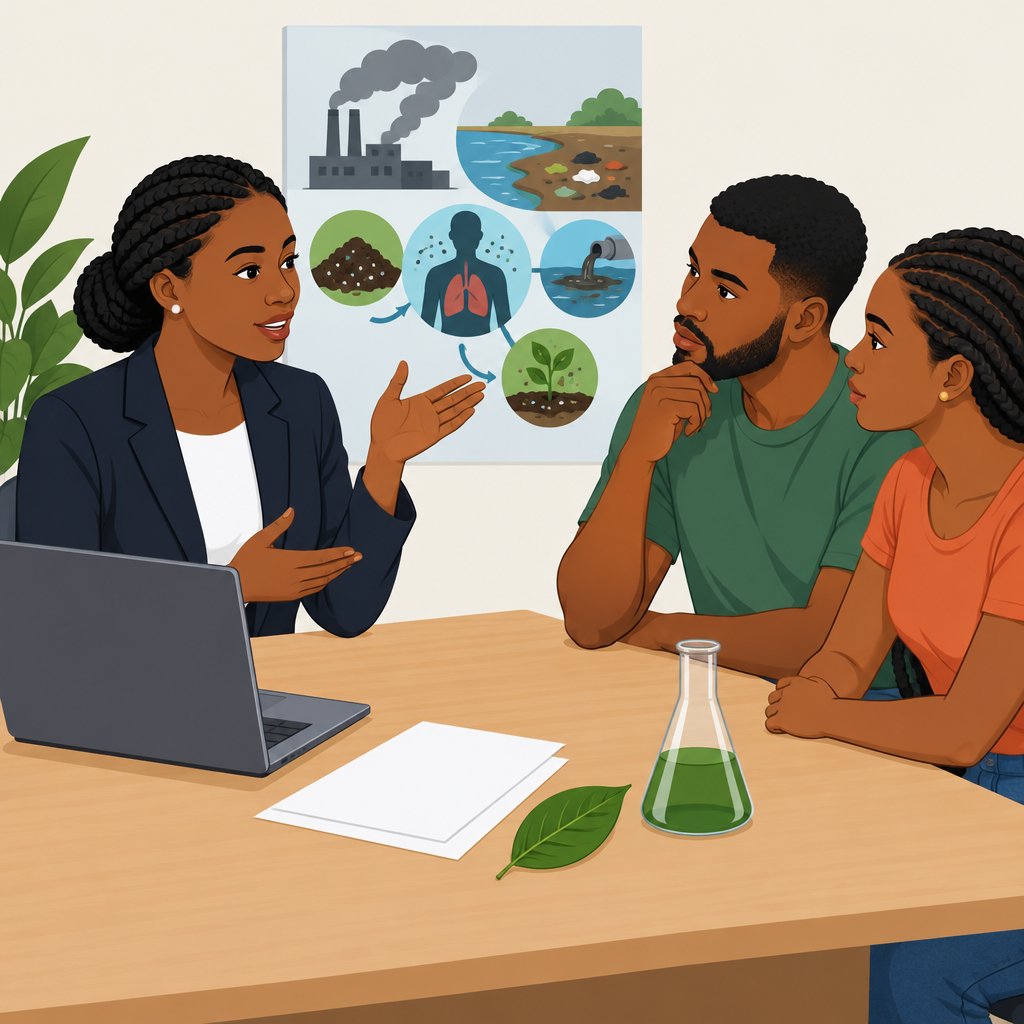
Environmental Monitoring and Chemical Regulation
Regular testing of air, water, soil, and food reveals chemical levels.
Researchers use this information to identify emerging threats and evaluate regulations.
Furthermore, monitoring guides future policy decisions.
Regulation controls the use and disposal of toxic substances.
Safe handling protects human health and the environment.
This field supports healthier ecosystems and safer communities in Nigeria.
Effective monitoring and regulation can promote environmental sustainability for future generations.
Gain More Insights: Future Trends in Environmental Management Nigeria
Public awareness in Nigeria is crucial for environmental well-being and citizens’ health.
However, several challenges hinder effective awareness efforts.
Challenges in Raising Public Awareness
- Lack of Education and Knowledge
- Limited Outreach and Communication Resources
- Misinformation and Limited Public Interest
The general public in Nigeria lacks adequate education and knowledge about environmental toxicology.
Consequently, many people struggle to recognize dangers from environmental toxins in daily life.
Without proper education, individuals may unknowingly encounter toxic substances and experience adverse health effects.
Organizations and government agencies often have limited resources for outreach and communication.
Moreover, budget constraints make it difficult to reach broad audiences effectively.
As a result, inadequate resources hinder public education about environmental toxicology.
Misinformation can also spread quickly through various communication channels.
False or misleading claims create confusion and reduce public engagement with the subject.
Additionally, some individuals may not see how environmental toxicology relates to daily life.
Effective awareness requires better education about toxic substances.
Furthermore, agencies need sufficient resources for outreach and communication.
Clear information can counter misinformation and encourage stronger public interest.
A multifaceted approach can strengthen public awareness efforts in Nigeria.
Improved education can help people understand and address environmental toxins.
Stronger outreach can make reliable information more accessible to wider audiences.
These actions can make awareness efforts more effective and impactful.
Discover More: Eco-Friendly Technologies Emerging in Nigeria
Strategies for Increasing Public Awareness
Several approaches can increase public awareness through education, media outreach, and policy engagement.
These strategies connect residents, communicators, educators, and policymakers.
Together, they can support clearer communication and stronger public participation.
- Education campaigns in schools and communities
- Collaboration with media outlets for outreach
- Engaging with local authorities and policymakers for support
Education Campaigns in Schools and Communities
Schools can educate young people about environmental toxicology.
This approach helps develop a more informed generation.
Additionally, community workshops and seminars can raise awareness among residents.
Collaboration with Media Outlets for Outreach
Television, radio, and social media can help organizations reach wider audiences.
Furthermore, media outreach can communicate information through several platforms.
Partnering with journalists and influencers can strengthen public communication efforts.
Engaging with Local Authorities and Policymakers
Organizations can work with local officials to address environmental toxicology issues.
Moreover, policymakers can support measures that protect the environment and public health.
Advocating for protective regulations and laws can create meaningful change.
You Might Also Like: Innovative Technologies in Environmental Safety
Success Stories and Case Studies
Public awareness campaigns in Nigeria have educated communities about environmental toxicology.
For example, the Nigerian Environmental Society raised awareness about toxic waste dumping.
Additionally, the Ministry of Environment and local NGOs educated communities about air pollution.
Impact of Increased Awareness on Environmental Protection and Public Health
Increased awareness has improved environmental protection and public health in Nigeria.
Furthermore, communities now recognize the importance of properly disposing of toxic substances.
As a result, reduced pollution and toxin exposure have supported better public health outcomes.
Lessons for Future Environmental Awareness Initiatives
These examples show how future initiatives can strengthen environmental awareness through community participation.
Regular evaluations can measure campaign impact and guide future improvements.
Moreover, stakeholder collaboration can support a unified approach to environmental protection.
- Engage local communities during campaign planning and implementation to improve message effectiveness.
- Use social media, radio, and community events to reach wider audiences.
- Evaluate campaign impact regularly to maintain effectiveness and guide future initiatives.
- Collaborate with government agencies, NGOs, and local leaders to promote environmental protection.
Learn More: Comparing Estate Management Careers and Salaries
Environmental Stewardship for Nigeria’s Future
Public awareness of environmental toxicology can support a healthier environment in Nigeria.
Therefore, individuals and organizations should take active steps to protect the environment.
Consequently, stronger awareness can promote environmental sustainability for future generations.
Additional Resources
Google search results for Public Awareness on Environmental Toxicology Nigeria Environmental
Bing search results for Public Awareness on Environmental Toxicology Nigeria Environmental


