




Environmental Biology and Climate Action
Environmental biology examines how living organisms interact with their surroundings.
Climate action includes efforts that mitigate climate change and help communities adapt.
Together, these disciplines clarify urgent environmental challenges and support sustainable decisions.
Human activities affect ecosystems and contribute significantly to climate change.
Therefore, environmental biology reveals nature’s delicate balance and the consequences of human interference.
Climate action reduces greenhouse gas emissions and encourages sustainable practices.
Moreover, research and education help conserve habitats and protect species.
Effective climate action can limit global warming and support a livable planet.
Studying these fields equips people to make informed choices and create positive change.
Ultimately, environmental biology and climate action protect planetary health and advance sustainability.
Overview of Environmental Biology
Environmental biology examines living organisms and their interactions with surrounding environments.
The field includes ecology, conservation biology, and environmental science.
Environmental biologists study adaptations and assess how human activities affect organisms and ecosystems.
- Environmental biology examines relationships between organisms and their environments.
- The field includes ecology, conservation biology, and environmental science.
- Researchers analyze adaptations and environmental effects on living organisms.
Scope of Environmental Biology
Environmental biology studies relationships between living organisms and their environments.
It examines how environmental conditions influence organisms’ health, survival, and distribution.
The discipline covers ecosystems, biodiversity, pollution, and climate change effects on species.
Interactions Between Organisms and Their Environments
Environmental factors include temperature, humidity, and food availability.
These conditions influence where species live and how abundant their populations become.
Organisms develop adaptations that help them survive within different habitats.
For example, desert plants use mechanisms that conserve water.
Similarly, Arctic animals possess thick fur that helps them withstand cold temperatures.
Environmental Biology and Ecosystem Conservation
Environmental biologists investigate complex relationships among species and their environments.
They analyze ecological patterns and processes to assess ecosystem health.
They also identify threats that reduce biodiversity and endanger species.
Researchers document species diversity across different ecosystems and monitor changes over time.
This information supports conservation strategies and helps protect endangered species.
Environmental biology promotes sustainable practices and reduces human impacts on natural systems.
Its findings help safeguard biodiversity and preserve natural resources for future generations.
Climate Change Effects on Biodiversity
Climate change threatens biodiversity and ecosystems worldwide.
Rising temperatures, shifting precipitation, and extreme weather events disrupt habitats and reduce species survival.
These changes also alter ecological relationships across natural communities.
Environmental biologists investigate temperature shifts, habitat changes, and other environmental pressures affecting species and ecosystems.
Their research helps identify conservation needs and guide protective measures.
They also support habitat restoration and public awareness about vulnerable species and ecosystems.
Species and Ecosystems Facing Climate Risks
Several species and ecosystems already face climate-related pressures.
Food access, breeding areas, and habitat conditions can change as temperatures and precipitation patterns shift.
Marine environments also experience warming and acidification, which can damage important habitats.
- Polar bears lose sea ice that supports access to food and breeding grounds.
- Rising ocean temperatures and acidification cause coral bleaching and damage coral reef habitats.
- Changing temperatures and rainfall patterns affect mountain gorilla habitats and increase extinction risks.
- Melting ice caps and reduced food availability threaten penguin populations in Antarctica and elsewhere.
- Temperature and precipitation shifts disrupt butterfly life cycles, habitats, and food access.
These examples demonstrate how climate change affects terrestrial, freshwater, and marine biodiversity.
Environmental biologists, policymakers, and the public can cooperate to protect vulnerable species and ecosystems.
Uncover the Details: Estate Management and Land Use Planning
Transform Your Career with Expert Guidance
Get personalized mentorship consulting that’s tailored to your unique path. Our expert advice is actionable and exclusive.
Get StartedImportance of Taking Action to Address Climate Change
Climate action protects the planet’s future and supports the well-being of living organisms.
Moreover, effective strategies can limit global warming and reduce extreme weather events.
These efforts can also help communities address risks associated with rising sea levels.
Various Strategies for Climate Action
Several strategies can reduce emissions and strengthen responses to climate change.
Together, these approaches support conservation, responsible resource use, and community resilience.
Furthermore, practical action can address both climate causes and changing environmental conditions.
- Reduce greenhouse gas emissions from burning coal, oil, and gas.
- Promote renewable energy sources, including solar and wind power.
- Improve appliances, buildings, and transportation to reduce energy consumption.
- Plant trees and restore forests to absorb atmospheric carbon dioxide.
- Protect biodiversity to strengthen ecosystem resilience and sustain ecological services.
- Develop adaptation strategies that reduce vulnerabilities and protect communities.
How Environmental Biologists Contribute to Climate Action
Environmental biologists examine how climate change affects ecosystems and biodiversity.
Through research, they identify practical ways to reduce harmful climate consequences.
They also support policies that encourage sustainable resource management and habitat conservation.
Additionally, their expertise helps decision-makers and the public understand the urgency of climate action.
By collaborating across fields, environmental biologists help develop effective responses to climate challenges.
Discover More: Real Estate Investment and Estate Management
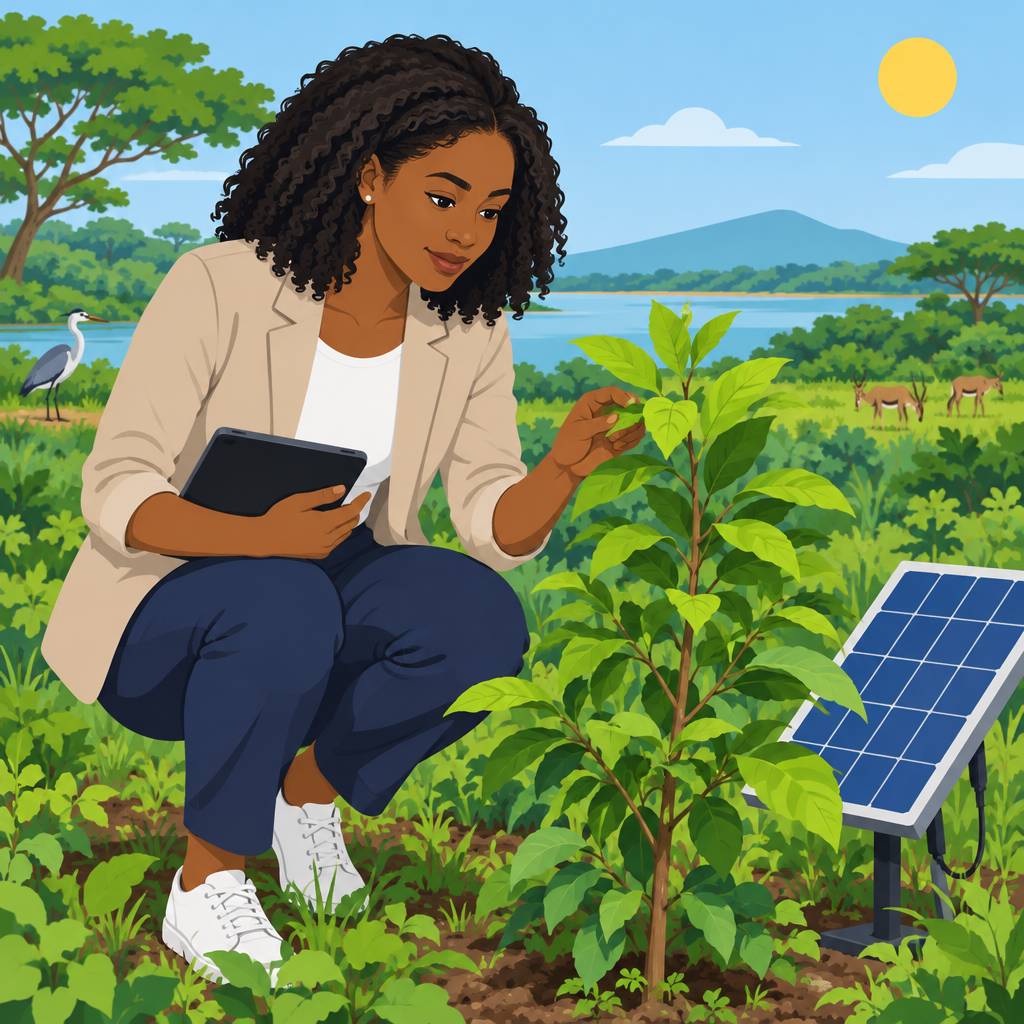
Case Studies in Environmental Biology
Environmental biology explores relationships between living organisms and their surroundings.
Researchers investigate how human activities affect ecosystems and climate change.
These projects clarify environmental challenges and support informed conservation efforts.
Declining Bee Populations
- Scientists investigated the worldwide decline of bee populations.
- The findings connected this decline to habitat loss, pesticide use, and climate change.
- Therefore, conservationists should protect bee habitats and reduce harmful pesticide use.
Deforestation and Biodiversity Loss
- Researchers examined deforestation’s impact on biodiversity in the Amazon rainforest.
- Their findings showed that deforestation reduces biodiversity and disrupts ecosystem functions.
- Consequently, sustainable forest management can preserve biodiversity and mitigate climate change effects.
Coral Bleaching Events
- Scientists examined coral bleaching events across coral reef ecosystems.
- They found that rising sea temperatures from climate change cause coral bleaching.
- Thus, addressing climate change remains urgent for coral reefs and marine biodiversity.
Plastic Pollution in Marine Ecosystems
- Environmental biologists investigated plastic pollution’s effects on marine ecosystems.
- The research showed that plastic pollution seriously threatens marine life and ecosystems.
- Accordingly, reducing plastic waste can prevent further damage to marine environments.
Changes in Bird Migration Patterns
- Scientists monitored changes in bird migration patterns linked to climate change.
- Their observations showed that climate change affects migration timing and routes.
- Therefore, conservationists should protect migration habitats and use climate-resilient strategies.
Together, these case studies show how environmental biology informs conservation and sustainable practices.
Researchers document human impacts on ecosystems while supporting efforts to protect biodiversity and address climate change.
See Related Content: Biodiversity Conservation Efforts in Nigeria
Collaborations Across Disciplines
Interdisciplinary collaboration helps experts address environmental challenges.
Environmental biologists can work with policymakers, economists, and other experts to develop climate change solutions.
Furthermore, combined perspectives support comprehensive and sustainable responses to complex environmental issues.
Importance of Interdisciplinary Collaborations
- First, varied expertise can produce innovative and holistic environmental conservation strategies.
- Moreover, combined knowledge helps experts understand complex environmental problems more thoroughly.
- Interdisciplinary work also encourages creativity and out-of-the-box thinking about climate change solutions.
Environmental Biologists Working with Policymakers, Economists, and Experts
- Collaboration with policymakers helps environmental biologists influence legislation and promote sustainable regulations.
- Meanwhile, economists explain the financial implications of environmental policies and conservation benefits.
- Additionally, sociologists and engineers offer diverse perspectives that strengthen environmental problem-solving.
Benefits of Integrating Different Perspectives and Expertise
- Consequently, multiple disciplines can create comprehensive solutions to environmental challenges.
- Such perspectives can reveal blind spots in existing environmental approaches.
- In turn, varied expertise can support innovative solutions that address climate change root causes.
Discover More: Government Policies on Environmental Management in Nigeria
Building a Sustainable Future Through Environmental Stewardship
Environmental biology and climate action shape a sustainable future.
By understanding ecosystems and human impacts, we can make informed decisions that mitigate climate change.
Conservation efforts protect biodiversity for future generations.
Meanwhile, renewable energy sources can help reduce our carbon footprint.
Individuals should learn about these disciplines and participate in environmental protection initiatives.
Additionally, people can support policies that prioritize environmental sustainability.
They can also advocate for meaningful climate action.
Together, these efforts can combat global warming and support a cleaner, healthier planet.
Such efforts can also create resilient ecosystems that support all living beings.
Additional Resources
Google search results for Environmental Biology and Climate Action Environmental
Bing search results for Environmental Biology and Climate Action Environmental


