



Environmental Biology in Nigeria
Environmental biology in Nigeria examines how living organisms interact with their environment.
Currently, Nigeria faces several environmental challenges, including deforestation, water pollution, and air pollution.
These challenges directly affect the population’s health and well-being.
Therefore, environmental biology helps researchers understand the root causes of these issues.
It also supports sustainable solutions that address environmental problems in Nigeria.
By studying organism-environment relationships, researchers can identify ways to conserve natural resources.
They can also protect endangered species and promote healthy ecosystems in Nigeria.
Biodiversity and Ecosystem Functions
Environmental biology helps scientists understand how organisms interact within Nigerian ecosystems.
It reveals relationships among species, habitats, and natural resources.
This knowledge supports ecological balance and responsible environmental decisions.
- Biodiversity: Environmental biology examines diverse plant and animal species across different ecosystems.
- Ecological Balance: Species interactions help ecosystems remain stable and functional.
- Ecosystem Services: Ecosystems provide clean air, water, and fertile soil for communities.
Human Pressures on Ecosystems
Human activities can disrupt ecosystems and reduce biodiversity.
Therefore, communities must recognize how land use and pollution affect living systems.
Climate change also alters habitats, species distributions, and extinction risks.
- Deforestation: Forest clearing for agriculture or urban development causes habitat loss and biodiversity decline.
- Pollution: Industrial pollutants can harm plants, animals, and entire ecosystems.
- Climate Change: Human-induced climate change shifts species distributions and increases habitat loss.
Sustainable Environmental Management
Sustainable practices can reduce environmental damage and strengthen ecosystem resilience.
Conservation protects endangered species and preserves critical habitats.
Restoration rehabilitates degraded areas and encourages biodiversity recovery.
- Conservation: Environmental biology guides efforts to protect endangered species and important habitats.
- Restoration: Ecological knowledge supports projects that rehabilitate damaged environments.
- Education: Public education encourages sustainable practices and protects future environmental health.
Environmental biology connects scientific understanding with practical ecosystem protection.
Its application can help Nigeria maintain biodiversity and promote sustainable environmental practices.
Conservation of Natural Resources
- Environmental biologists support natural resource conservation in Nigeria by examining ecosystems and relationships among organisms.
- Moreover, biodiversity studies help them identify endangered species and establish suitable conservation measures.
- These measures maintain ecosystem balance and reduce biodiversity loss.
- Protected areas provide another strategy for managing resources sustainably.
- National parks, wildlife reserves, and marine sanctuaries preserve habitats and shield wildlife from human encroachment.
- Consequently, these areas support the long-term survival of species and ecosystems.
- Environmental biologists also guide sustainable use of forests, water bodies, and minerals.
- Such guidance helps preserve resources for future generations.
Economic and Social Benefits
- Conservation efforts can provide Nigeria with important economic benefits.
- For example, ecotourism generates revenue when visitors experience the country’s biodiversity.
- Protected habitats also create employment opportunities for local communities.
- Additionally, conservation provides important social benefits.
- Clean water, air, and fertile soil support public health and well-being.
- Conservation helps maintain these resources and supports sustainable livelihoods.
- Furthermore, biodiversity preservation strengthens the cultural heritage of Nigeria’s diverse ethnic groups.
- Many traditional practices and beliefs connect closely with the country’s natural resources.
Uncover the Details: Nigeria's Marine and Coastal Conservation Efforts
Climate Change Mitigation
Environmental biology helps Nigeria address climate change through research and practical environmental management.
Researchers study human activities and environmental changes to develop suitable mitigation strategies.
Global warming threatens Nigerian ecosystems, communities, and human health through rising temperatures and extreme weather.
Environmental Effects of Global Warming
Reduced rainfall and higher temperatures increase pressure on ecosystems and agricultural communities.
These changes can reduce available farmland, disrupt habitats, and weaken ecosystem stability.
Consequently, Nigeria faces growing risks to biodiversity and natural resources.
- Desertification may reduce arable land and biodiversity in affected parts of Nigeria.
- Higher temperatures can contribute to forest loss and reduce carbon dioxide absorption.
- Climate change disrupts habitats, forcing species to migrate or face extinction.
Human Health Effects of Global Warming
Global warming also creates serious health risks for Nigerian communities.
Warmer conditions can support disease-carrying vectors and increase exposure to infectious diseases.
Additionally, changing rainfall patterns can threaten food supplies and access to clean water.
- Warmer temperatures can increase mosquito activity and disease transmission, including malaria and dengue fever.
- Climate change can cause crop failures, food shortages, and malnutrition among vulnerable populations.
- Changing rainfall and increased evaporation can cause water scarcity and waterborne illnesses.
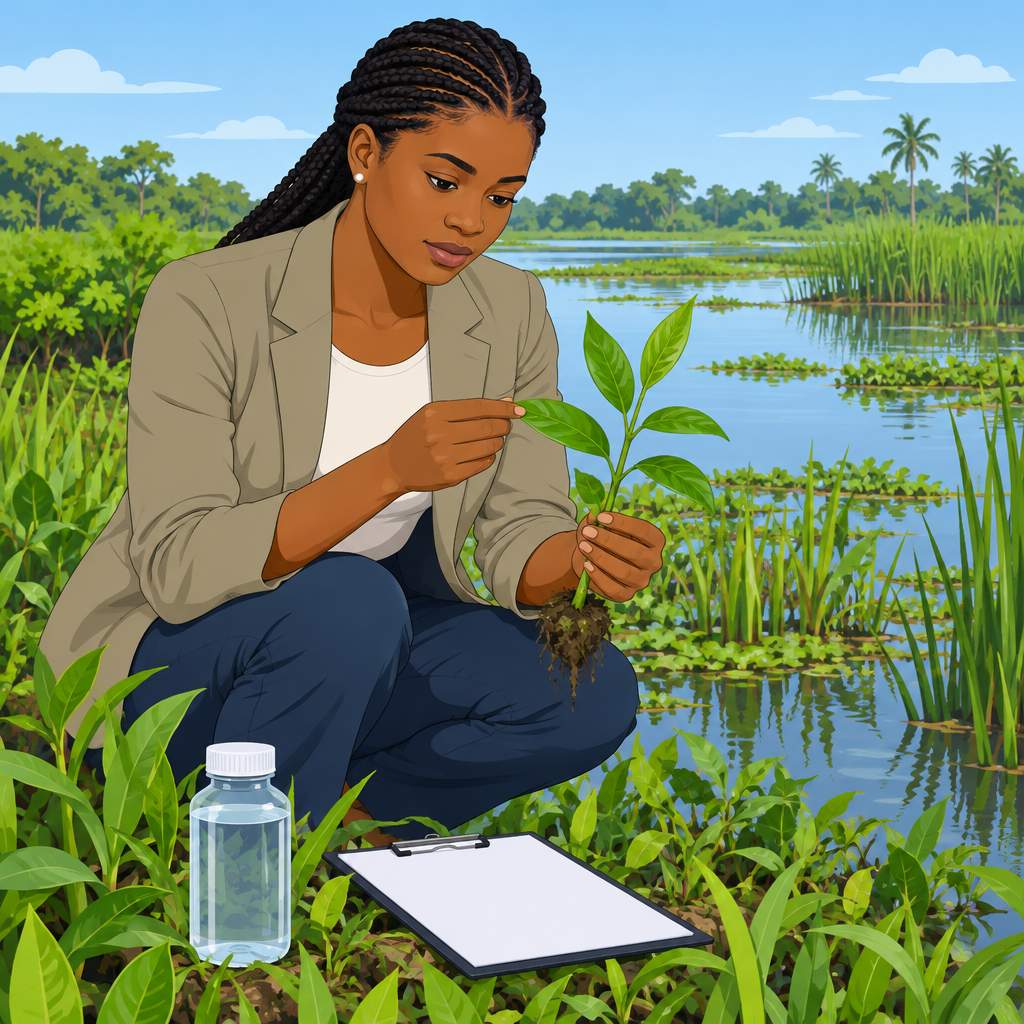
Environmental Biology Solutions for Climate Change
Environmental biology supports mitigation by connecting ecological research with practical conservation actions.
These actions can reduce emissions, protect habitats, and strengthen ecosystem resilience.
Therefore, Nigerian communities can support sustainability through coordinated environmental practices.
- Reforestation can remove carbon dioxide from the atmosphere and help restore degraded forests.
- Sustainable agriculture can reduce environmental damage through organic farming and crop rotation.
- Renewable energy can reduce dependence on fossil fuels that contribute to climate change.
- Conservation initiatives can protect wildlife, preserve habitats, and strengthen ecosystem resilience.
Environmental biology research remains essential for developing effective climate mitigation strategies in Nigeria.
Understanding ecosystem connections can guide responsible decisions about land, energy, agriculture, and conservation.
Such knowledge can help Nigeria pursue a more sustainable future for present and future generations.
Gain More Insights: Overview of Estate Management Courses in Nigeria
Environmental Biology and Pollution Control
Environmental pollution threatens public health and ecosystems across Nigeria.
Rapid industrialization and urbanization increase pressure on air, water, and soil quality.
Environmental biology examines pollution sources, ecological effects, and practical control methods.
- Environmental biologists identify pollutants affecting air, water, and soil.
- They study interactions between organisms and their surrounding environments.
- They develop pollution control strategies using ecological evidence.
- They monitor pollution levels and assess environmental risks.
Pollution Effects on Health and Ecosystems
Air pollution from industries and vehicles can damage respiratory and cardiovascular health.
Meanwhile, water pollution can contaminate drinking sources and threaten aquatic organisms.
Transform Your Career with Expert Guidance
Get personalized mentorship consulting that’s tailored to your unique path. Our expert advice is actionable and exclusive.
Get StartedSoil pollution can reduce crop productivity and weaken soil fertility.
- Industrial emissions can increase respiratory diseases among exposed populations.
- Vehicle emissions can contribute to cardiovascular problems.
- Industrial waste and agricultural runoff can harm aquatic life.
- Improper waste disposal can introduce harmful chemicals into soil.
- Pollutants can bioaccumulate throughout food chains.
- Bioaccumulation can expose humans and wildlife to additional health risks.
Scientific Solutions for Environmental Quality
Scientific research can guide Nigeria toward cleaner production and stronger pollution management.
Furthermore, effective enforcement can reduce pollution from industrial and urban activities.
Public participation can strengthen conservation efforts through education and environmental advocacy.
- Authorities can enforce strict environmental regulations for polluting industries.
- Renewable energy can reduce greenhouse gas emissions.
- Sustainable practices can help limit environmental degradation.
- Researchers can develop bioremediation methods for polluted sites.
- Bioremediation can support ecosystem restoration after contamination.
- Education programs can encourage communities to protect environmental quality.
These measures can help Nigeria protect public health and preserve ecological systems.
Continued research and responsible action can support a cleaner environment for future generations.
You Might Also Like: Nigerian Government Policies on Fisheries
Environmental Biology and Public Health in Nigeria
Environmental biology connects environmental conditions with human health in Nigeria.
Healthy surroundings can reduce disease risks and support public well-being.
Therefore, environmental research helps public health officials address preventable health threats.
Environmental Risks in Disease Prevention
Researchers study environmental conditions to understand how diseases spread.
Poor sanitation, contaminated water, and air pollution can increase disease prevalence.
Identifying these risks enables communities to develop effective disease prevention measures.
- Environmental biologists investigate environmental factors linked to disease transmission.
- They assess conditions that may threaten community health.
- Public health officials use their findings to control environmental risks.
Environmental Biologists and Health Protection
Environmental biologists develop strategies that support safer environmental conditions.
They also create guidelines for maintaining clean and healthy surroundings.
Furthermore, they collaborate with public health officials to protect human well-being.
- They study ecosystems to evaluate how human activities affect health.
- They provide research that supports environmental management decisions.
- They help implement measures that safeguard communities from environmental hazards.
Environmental Management Practices for Public Health
Environmental management promotes sustainable practices that protect public health.
Effective waste management reduces harmful exposure and supports cleaner surroundings.
Pollution control also helps communities maintain healthier living conditions.
- Environmental biologists promote practices that support sustainable development.
- They support conservation efforts that protect natural resources.
- They encourage waste management and pollution control techniques.
Explore Further: Estate Management in Rural vs. Urban Areas
Environmental Biology Supports Nigeria’s Sustainable Future
Environmental biology strengthens Nigeria’s sustainability and conservation efforts.
It also clarifies how human activities affect environmental systems.
Furthermore, this knowledge can guide solutions for deforestation, pollution, and climate change.
Research and education can expand Nigeria’s capacity to protect its environment.
Individuals can support initiatives that preserve Nigeria’s biodiversity and encourage responsible environmental action.
Additional Resources
Google search results for Importance of Environmental Biology in Nigeria Environmental
Bing search results for Importance of Environmental Biology in Nigeria Environmental


