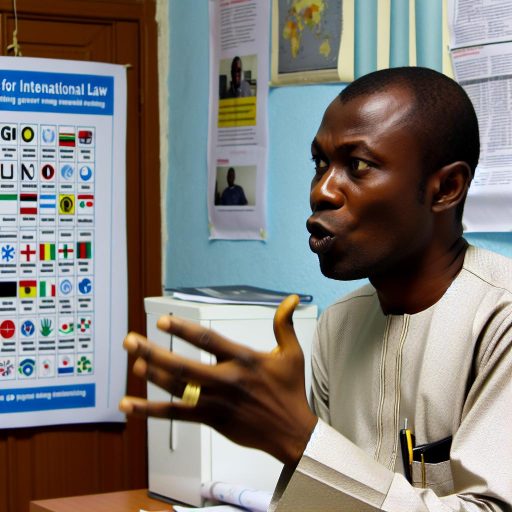
International Humanitarian Law and Civilian Protection
International Humanitarian Law (IHL) establishes rules that limit the effects of armed conflicts.
It prohibits attacks on civilians and protects people who do not participate in hostilities.
Additionally, IHL safeguards civilians by regulating the conduct of parties involved in armed conflicts.
As a result, these rules reduce the impact of war on vulnerable populations.
Nigeria has signed various international treaties and conventions concerning IHL.
Therefore, the country must uphold the principles established by these agreements.
Nigeria’s involvement with IHL demonstrates its commitment to humanitarian values and civilian protection during conflicts.
Nigerian Participation in International Treaties
Nigeria has ratified key IHL treaties, including the Geneva Conventions.
These treaties influence Nigerian responses to international humanitarian law.
By ratifying the Geneva Conventions, Nigeria committed to follow the rules of war.
- This commitment includes protecting civilians, prisoners of war, and wounded combatants during armed conflict.
- Furthermore, Nigeria’s treaty participation reflects its commitment to international humanitarian standards.
Examples of Nigerian Compliance with IHL Treaties
Nigeria has demonstrated compliance with IHL treaties through several actions and policies.
Notably, Nigeria participates in United Nations peacekeeping missions.
During these missions, Nigerian peacekeepers follow IHL principles and uphold human rights.
- They protect civilians in conflict zones.
- Additionally, Nigeria has established mechanisms to investigate alleged IHL violations.
- These mechanisms also support prosecuting violations committed by its armed forces.
These treaty commitments and compliance measures demonstrate Nigeria’s dedication to promoting peace and justice.
Challenges Faced by Nigeria in Implementing IHL
Nigeria faces several practical obstacles when implementing international humanitarian law.
These obstacles can weaken compliance and limit accountability during armed conflicts.
Addressing them requires stronger education, training, institutions, and enforcement measures.
Public Awareness and Understanding of IHL
Many people in Nigeria have limited awareness of international humanitarian law principles and obligations.
This knowledge gap can increase violations during armed conflicts.
Therefore, public education can help civilians understand their rights and responsibilities.
Educational campaigns, training programs, and outreach initiatives can promote broader understanding of IHL.
Training and Capacity-Building Limitations
Nigeria has limited resources for training and capacity-building in international humanitarian law.
Military personnel, law enforcement officials, and humanitarian workers require practical IHL knowledge.
Without adequate preparation, relevant professionals may struggle during conflict situations.
Consequently, Nigeria should support specialized training, simulation exercises, and institutional cooperation.
These measures can strengthen national capacity to apply IHL effectively.
Enforcement and Accountability for IHL Violations
Nigeria also faces difficulties enforcing rules against violations committed during armed conflicts.
Weak investigation and accountability systems can allow perpetrators to avoid punishment.
This situation may create impunity and weaken confidence in international humanitarian law.
Nigeria should strengthen investigations, prosecutions, and judicial procedures for alleged violations.
It can also establish special tribunals or commissions where appropriate.
Furthermore, cooperation with the International Criminal Court can support accountability efforts.
These steps can help deliver justice for victims and reinforce respect for IHL.
Learn More: Immigration Law in Nigeria: International Aspects
Nigerian Military Adherence to IHL
During Nigeria’s internal conflicts, the military is expected to follow international humanitarian law guidelines.
However, observers and organizations have debated and scrutinized the military’s adherence to those principles.
Therefore, consistent compliance can help minimize civilian casualties and support respect for human rights.
- Examination of Nigerian military compliance with IHL principles during internal conflicts
- Cases involving accusations of IHL violations by the Nigerian military
- Efforts by the Nigerian military to improve adherence to IHL
Allegations of IHL Violations
Reports and allegations describe human rights abuses attributed to the Nigerian military.
Specifically, human rights organizations have documented accusations involving extrajudicial killings, torture, and arbitrary detention.
These allegations raise concerns about excessive force and respect for international humanitarian law.
Transform Your Career with Expert Guidance
Get personalized mentorship consulting that’s tailored to your unique path. Our expert advice is actionable and exclusive.
Get StartedFurthermore, critics have questioned the military’s handling of internal conflicts.
Accountability remains necessary whenever personnel allegedly breach humanitarian law or abuse civilians.
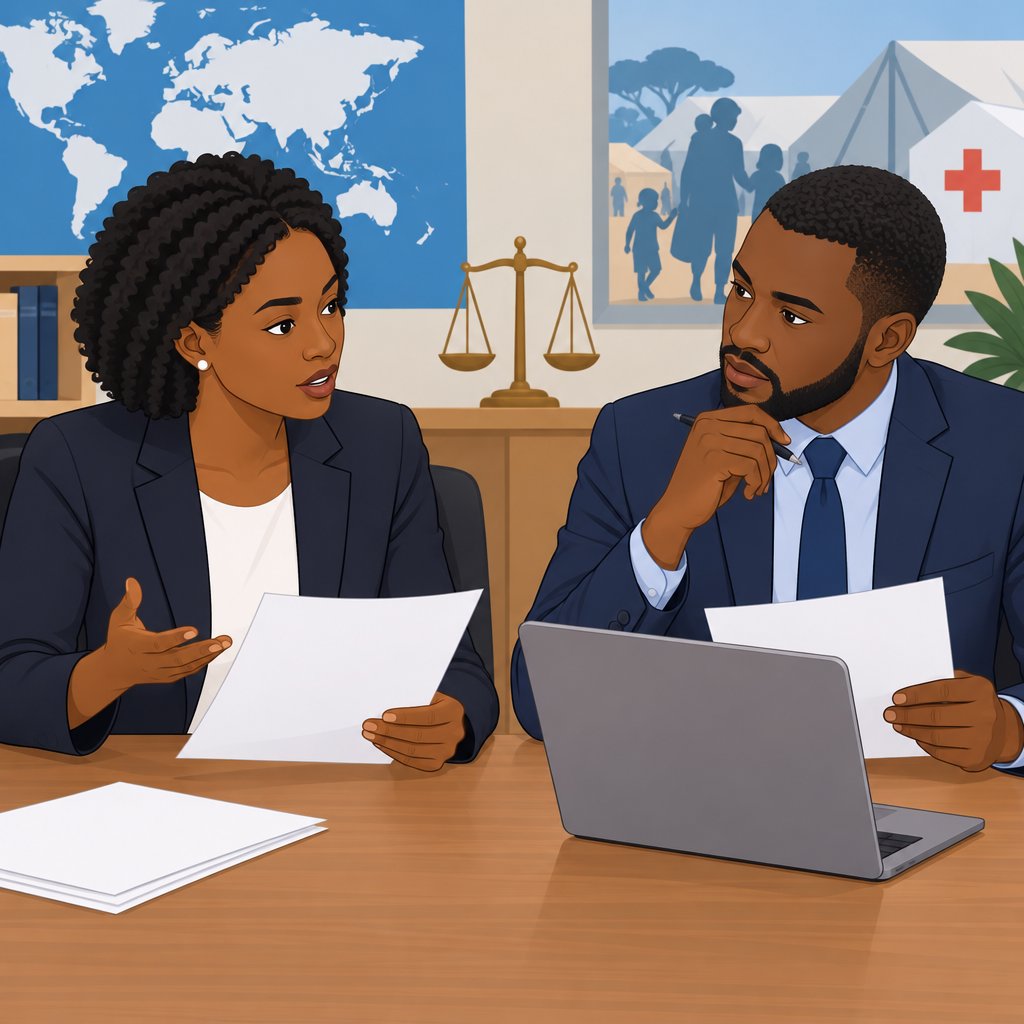
Military Efforts to Improve IHL Compliance
In response, the Nigerian military has taken steps intended to improve adherence to international humanitarian law.
Training programs teach troops about humanitarian law principles and human rights.
Additionally, the military has established mechanisms for investigating and addressing alleged misconduct.
International organizations and partners have helped strengthen the military’s understanding of humanitarian law.
Despite continuing challenges, the military seeks stronger compliance with humanitarian law standards.
These efforts can support peace, security, accountability, and respect for human dignity.
Explore Further: Role of Nigerian NGOs in International Law
Civil Society and IHL Awareness in Nigeria
Civil society organizations promote awareness of IHL in Nigeria.
They educate communities, advocate policy changes, and monitor alleged violations.
Their efforts connect public understanding with stronger attention to civilian protection.
- Organizations conduct training sessions and workshops to explain IHL principles.
- They advocate incorporating IHL into national legislation and policies.
- Furthermore, they work with communities to promote civilian protection during armed conflicts.
- They monitor and report alleged IHL violations to support accountability.
Campaigns and Initiatives Educating Nigerians About IHL
Several initiatives use public communication to explain IHL principles.
Schools and universities can support IHL education through curriculum integration.
Meanwhile, community dialogues and workshops reach people in conflict-affected areas.
- Public awareness campaigns use traditional and new media platforms.
- Collaborations with schools and universities integrate IHL education into curricula.
- Community dialogues and workshops address IHL in conflict-affected areas.
- Partnerships with government agencies improve policymakers’ understanding of IHL.
Effects of Civil Society Advocacy on Nigerian IHL Responses
Civil society advocacy has increased public awareness of civilian protection during armed conflicts.
It has also encouraged pressure on the government to respect IHL during military operations.
Additionally, documentation supports accountability and cooperation among civil society, government, and international organizations.
- Public awareness of civilian protection has increased.
- Advocacy pressures the government to follow IHL during military operations.
- Documentation and reporting support greater accountability for alleged IHL violations.
- Cooperation among civil society, government, and international organizations has improved.
Find Out More: Emerging Legal Disciplines in Nigeria: What You Need to Know in 2024 & 2025
International Partnerships and Nigerian Responses to IHL
Nigeria works with international organizations to promote awareness and understanding of International Humanitarian Law (IHL).
These partnerships involve the International Committee of the Red Cross (ICRC) and the United Nations.
They support education for government officials, military personnel, and civilians.
Collaboration Between Nigeria and International Organizations
Through these partnerships, Nigeria engages international organizations in efforts to explain IHL.
The ICRC and United Nations support initiatives that improve awareness among Nigerian audiences.
Consequently, officials, military personnel, and civilians receive information about IHL principles.
International Support for IHL Capacity-Building
International actors also help Nigeria develop capacity through IHL training.
For example, the ICRC conducts workshops and training sessions for Nigerian military personnel.
These activities strengthen participants’ knowledge and skills for applying IHL during armed conflicts.
Partnerships Strengthening Nigeria’s IHL Adherence
International partnerships also support Nigeria’s efforts to strengthen adherence to IHL.
Collaborative work has helped improve Nigeria’s legal framework and enforcement mechanisms related to IHL.
Furthermore, these relationships encourage closer alignment with international legal standards.
Such cooperation gives Nigeria practical support for implementing IHL principles.
It also connects capacity-building and training with efforts to protect civilians during conflict situations.
Together, these contributions reinforce the importance of protecting lives and dignity during armed conflicts.
Find Out More: How to Master Corporate Law and Build a Successful Career in Nigeria
Nigeria’s Continuing Progress on IHL Responses
Nigeria has gradually changed its responses to IHL over time.
Moreover, Nigeria has made some progress in implementing IHL.
For future improvement, Nigeria should strengthen IHL training for military personnel.
Additional Resources
Google search results for Nigerian Responses to International Humanitarian Law Law
Bing search results for Nigerian Responses to International Humanitarian Law Law