




Introduction
Nigerian metallurgical engineers use environmentally friendly methods.
These practices reduce negative environmental impacts.
They also promote long-term resource and industry viability.
Current State of Metallurgical Engineering in Nigeria
The metallurgical engineering industry in Nigeria has advanced through modern practices and technologies.
Additionally, recent developments have shaped the country’s current industrial landscape.
Research and development now receives increased attention within the field.
- The industry adopts modern metallurgical processes and technologies.
- Organizations invest in state-of-the-art machinery and equipment.
- Researchers increasingly focus on development within metallurgical engineering.
Nevertheless, sustainability challenges continue to affect the metallurgical engineering industry in Nigeria.
Challenges Related to Sustainability
Metallurgical processes can affect the environment.
They also consume substantial energy and produce carbon emissions.
Furthermore, waste disposal, water use, and pollution create additional sustainability concerns.
- Metallurgical processes can create environmental impacts.
- High energy consumption can increase carbon emissions.
- Waste management and disposal require careful attention.
- Water usage can contribute to pollution.
Addressing these concerns can support the industry’s long-term viability.
Benefits of Sustainable Practices in Metallurgical Engineering
Sustainable metallurgical engineering practices can protect the environment.
They can conserve resources through efficient material and energy use.
These practices can also reduce costs by limiting waste and improving efficiency.
- Sustainable practices minimize negative environmental impacts.
- Resource conservation reduces waste and energy consumption.
- Improved efficiency can lower waste management expenses.
- Companies that prioritize sustainability often build stronger stakeholder trust.
- Sustainable operations help companies comply with environmental regulations.
Efficiency, Cost Reduction, and Environmental Impact
Implementing energy-saving technologies can reduce energy consumption and operating costs.
Recycling, reuse, and responsible disposal can reduce the amount of generated waste.
Sustainability can drive process innovation and support more efficient operations.
- Energy efficiency lowers consumption and supports cost control.
- Waste reduction encourages recycling, reuse, and responsible material disposal.
- Process innovation can improve operational efficiency and cost-effectiveness.
- Risk mitigation addresses environmental, regulatory, and market-related challenges.
- Long-term sustainability supports business resilience in changing markets.
Consequently, sustainable practices support environmental protection and resource conservation.
They also improve efficiency, strengthen compliance, and support long-term industry viability.
Discover More: Importance of Biomedical Engineering in Nigeria
Sustainable Practices in Nigerian Metallurgical Engineering
Nigerian metallurgical companies can apply practical methods to manage materials, energy, water, emissions, and waste.
These methods support responsible production while helping companies manage operational resources more effectively.
Furthermore, companies can combine several practices to strengthen environmental management across manufacturing activities.
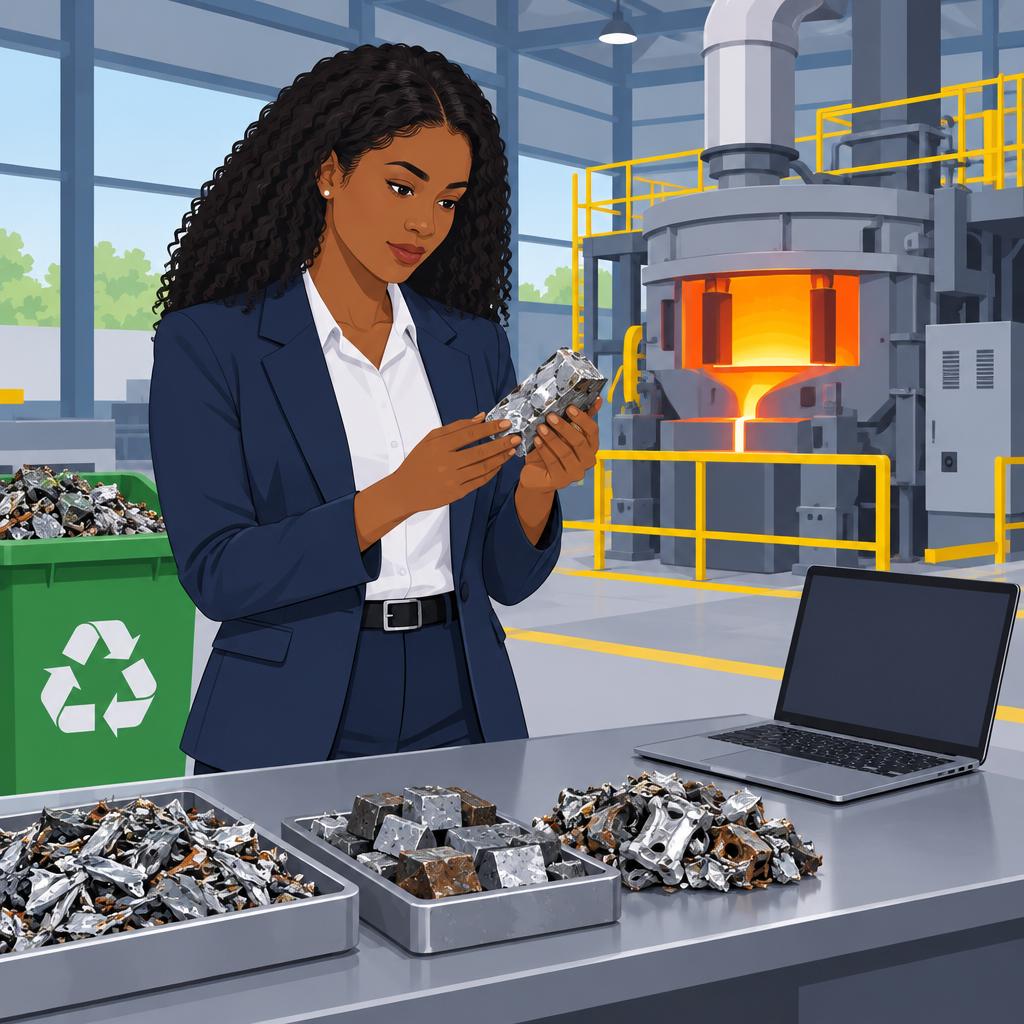
- Recycling scrap metals as raw materials
- Using energy-efficient production processes
- Operating water recycling systems during manufacturing
- Reducing carbon emissions with improved technology
- Minimizing waste through proper disposal and recycling
Recycling scrap metals reduces the need for additional mining activities.
It also limits the volume of waste sent to landfills.
Consequently, this approach conserves natural resources and lowers the industry’s carbon footprint.
Energy-efficient equipment can reduce electricity consumption during metallurgical production.
Moreover, improved processes can decrease greenhouse gas emissions from manufacturing operations.
Companies can also achieve long-term savings by controlling energy use.
Water recycling systems allow manufacturers to reuse water during different production stages.
As a result, these systems reduce total water consumption and pressure on local water sources.
This practice becomes especially important where water scarcity affects communities and industrial activities.
Cleaner technologies can further reduce carbon emissions from metallurgical operations.
In addition, improved technology can help companies meet environmental regulations.
Companies can minimize waste by separating different waste streams before disposal.
They can also establish recycling programs for recoverable materials.
These measures reduce landfill waste and support circular economic activity.
Waste management can also create opportunities for revenue generation through recovered materials.
By combining these practices, companies can improve environmental performance within metallurgical manufacturing.
They can also strengthen social responsibility and maintain competitiveness in changing markets.
Transform Your Career with Expert Guidance
Get personalized mentorship consulting that’s tailored to your unique path. Our expert advice is actionable and exclusive.
Get StartedDelve into the Subject: Impact of Government Policies on Land Surveying
Challenges and Barriers to Sustainable Practices
Identifying these barriers remains essential for expanding sustainable practices in Nigerian metallurgical engineering.
Stakeholders must understand the obstacles before they can develop effective solutions.
Several factors currently limit broader adoption across the industry.
Awareness of Sustainable Practices
Limited awareness prevents many professionals from recognizing the importance of sustainable practices.
- Many professionals need stronger awareness of sustainability’s importance in metallurgical engineering.
- Educational programs and workshops can expand professional knowledge and encourage informed decisions.
Financial Costs of Implementation
Financial concerns often discourage companies from adopting sustainable methods.
- Sustainable practices may require initial investments that some companies avoid.
- Government subsidies and incentives could reduce these costs and encourage adoption.
Organizational Resistance to Change
Organizational resistance can slow sustainability efforts within established operations.
- Some companies fear that changes could disrupt their current operations.
- Stakeholder engagement can demonstrate benefits and reduce resistance to change.
Infrastructure Limitations
Infrastructure limitations can restrict the industry’s ability to support sustainable operations.
- Nigeria may lack infrastructure that supports sustainable metallurgical engineering practices.
- Infrastructure investment and upgrades can support the transition toward sustainability.
Regulatory Constraints
Regulatory conditions may also limit progress toward sustainable industrial practices.
- Existing regulations may not adequately support sustainability in the industry.
- Policy advocacy and regulatory collaboration can help address these constraints.
Research and Development Gaps
Research and development gaps can hinder innovation in sustainable metallurgical engineering.
- Insufficient research limits progress in sustainable metallurgical engineering practices.
- Greater research funding and academic-industry collaboration can drive innovation.
Training and Skills Shortages
Skills shortages can prevent professionals from applying sustainable engineering methods effectively.
- Training programs and skilled professionals remain limited in sustainable metallurgical engineering.
- Training initiatives and capacity building can help close this skills gap.
Supply Chain Difficulties
Supply chain difficulties can make sustainable material sourcing more challenging.
- Companies may struggle to source materials that meet sustainability expectations.
- Supplier collaboration and certification programs can support sustainable sourcing.
Overcoming these barriers requires coordinated action from stakeholders throughout the industry.
Stakeholders can address obstacles through awareness, investment, collaboration, and policy improvements.
These measures can help Nigerian metallurgical engineering progress toward a more sustainable future.
Learn More: Marine Engineering Professional Bodies in Nigeria
Potential Future Trends in Sustainable Practices for Metallurgical Engineering in Nigeria
Several trends could shape sustainable metallurgical practices in Nigeria.
These trends focus on technology, energy, materials, and operational efficiency.
Together, they describe possible directions for future development.
- Green Technologies: Environmental protection could increase the use of green technologies in metallurgical processes.
- Renewable Energy Integration: Solar and wind power could reduce carbon emissions and energy costs during metallurgical operations.
- Recycling and Circular Economy: Recycling and material reuse will support sustainable metallurgical practices through a circular economy approach.
- Advanced Material Science: Material science research could produce sustainable materials with improved properties and lower environmental impacts.
- Digitalization and Automation: Digital technologies and automation tools can improve efficiency, reduce waste, and strengthen sustainability.
Advancements in Technology for Sustainable Metallurgical Engineering
Technology plays a crucial role in promoting sustainability within metallurgical engineering.
Industry standards can further promote sustainable practices.
Several tools can support more efficient metallurgical operations.
- IoT and Data Analytics: IoT devices and data analytics can optimize processes and reduce energy consumption.
- Simulation and Modelling: Simulation software allows engineers to test scenarios, optimize production, and minimize waste generation.
- Nanotechnology: Nanotechnology can support lightweight, high-strength materials that require less production energy.
- Smart Sensor Technologies: Smart sensors can monitor equipment, detect failures, and improve maintenance practices.
- Energy-Efficient Equipment: Energy-efficient equipment can reduce consumption, lower operational costs, and minimize environmental impacts.
Explore Further: Top Nigerian Universities for Biomedical Engineering
Long-Term Sustainability of Nigeria’s Metallurgical Sector
Nigerian metallurgical engineering requires responsible resource management.
Sustainable practices reduce waste and limit environmental harm across the sector.
Consequently, responsible operations can improve industrial efficiency while supporting environmental protection.
These practices also strengthen the sector’s long-term viability in Nigeria.
Metallurgical engineers can support a more sustainable future by applying them consistently.
Furthermore, stakeholders should protect ecosystems and consider community well-being during industrial activities.
Sustainability therefore connects environmental responsibility with economic viability.
Investing in responsible methods can support the industry’s long-term success.
However, lasting progress requires every stakeholder to embrace sustainability.
Together, stakeholders can guide Nigeria’s metallurgical sector toward a greener future.
Additional Resources
Google search results for Sustainable Practices in Nigerian Metallurgical Engineering Engineering
Bing search results for Sustainable Practices in Nigerian Metallurgical Engineering Engineering


