



Marine Engineering in Nigeria
Marine engineering designs, constructs, and maintains seagoing vessels.
Moreover, it supports shipping, offshore oil and gas, and naval defense.
In Nigeria, marine engineering has a rich history dating back to the colonial era.
Furthermore, it has significantly supported maritime industry growth and national security.
Role of Marine Engineers in National Security
Marine engineers help protect national security across maritime operations.
They keep naval vessels and equipment ready for demanding security missions.
Their technical expertise supports safe, reliable responses to maritime threats.
- Marine engineers design and maintain naval vessels for optimal performance.
- They repair and troubleshoot mechanical and electrical ship systems.
- They supervise engines, propulsion systems, and other ship equipment.
- They develop safety protocols that help prevent accidents and disasters.
- They train crew members to follow emergency procedures and operate equipment.
Maintaining and Operating Naval Vessels
Naval vessels provide a foundation for maritime defense strategies.
Engineers maintain propulsion, electrical, mechanical, and other essential systems.
Consequently, timely repairs and upgrades preserve fleet operational readiness.
- Naval vessels support national maritime defense strategies.
- Well-maintained ships patrol territorial waters and protect maritime borders.
- Modern equipment and technology strengthen national security capabilities.
- Effective maintenance increases the operational readiness of naval fleets.
- Timely repairs and upgrades keep ships ready for security operations.
Collaboration for Maritime Security
Marine engineers coordinate with security agencies to strengthen maritime protection.
They support coast guards, intelligence agencies, allied navies, and other maritime partners.
Moreover, their technical knowledge improves coordinated responses to threats and emergencies.
- They coordinate with coast guards to monitor coastlines and ports.
- They work with intelligence agencies to identify potential maritime threats.
- They participate in joint exercises with allied navies.
- They support anti-piracy efforts and search-and-rescue missions.
- They share expertise and technology with maritime security partners.
Marine Engineering and Maritime Protection
Marine engineers strengthen national security by maintaining reliable maritime capabilities.
Their work supports border protection, emergency response, and security cooperation.
Through safety standards and technical dedication, they help protect national interests.
Impact of Marine Engineering on National Defense
Marine engineering strengthens national defense through specialized maritime technology and infrastructure.
These capabilities help defense forces protect maritime interests and respond to security challenges.
Moreover, marine engineers connect technical innovation with broader national defense objectives.
Technological Advancements for Defense Operations
Marine engineers develop naval technologies that improve vessel performance and operational effectiveness.
They also integrate propulsion, navigation, weapons, and surveillance systems into military platforms.
Consequently, defense forces gain stronger tools for reconnaissance, monitoring, and rapid responses.
- Marine engineers design advanced naval vessels with state-of-the-art weapons systems.
- They incorporate innovative propulsion systems that improve military ship agility and stealth.
- Navigation technologies help military vessels operate more effectively in maritime environments.
- Unmanned underwater vehicles support reconnaissance and surveillance operations.
- These technologies help defense forces gather intelligence and monitor maritime activities.
Marine Engineering and Defense Strategy Development
Marine engineers help translate technical possibilities into practical national security plans.
They work with defense strategists to align engineering solutions with operational requirements.
Additionally, they evaluate vulnerabilities and develop measures that address potential maritime threats.
- Marine engineers collaborate with defense strategists on national security planning.
- They design military infrastructure, including naval bases and supporting defense systems.
- Risk assessments help identify weaknesses within maritime defense arrangements.
- Simulations allow engineers to examine threats and develop appropriate countermeasures.
- Their technical knowledge helps optimize defense strategies for greater effectiveness.
Protection of National Waters and Maritime Borders
Marine engineers strengthen the systems that monitor coastal areas and national waters.
They apply maritime security measures to detect intrusions and discourage illegal activities.
Furthermore, advanced monitoring technologies help protect borders and important maritime infrastructure.
- Marine engineers improve surveillance capabilities within coastal defense systems.
- They design maritime security measures that protect national waters from intrusions.
- Advanced technologies help prevent unauthorized access to critical infrastructure.
- Their work supports maritime border security and national sovereignty.
- These efforts help maintain a strong defense posture in maritime environments.
Marine engineering therefore supports national defense through technology, planning, and maritime protection.
Its innovations help defense forces secure maritime interests and respond to changing operational demands.
Marine engineers consequently remain important contributors to national security and maritime sovereignty.
Delve into the Subject: Funding Opportunities for Nigerian Biomedical Engineers
Training and Education for Marine Engineers
Marine engineers typically need a bachelor’s degree in marine engineering, mechanical engineering, naval architecture, or a related field.
Some employers may prefer a master’s degree for more advanced roles.
These academic paths build knowledge of ship systems, propulsion, and power generation.
Specialized Skills for National Security
Marine engineers need a strong understanding of ship systems, propulsion, and power generation.
They use problem-solving, critical thinking, and decision-making skills during technical responsibilities.
These abilities help engineers support the safety and security of naval vessels.
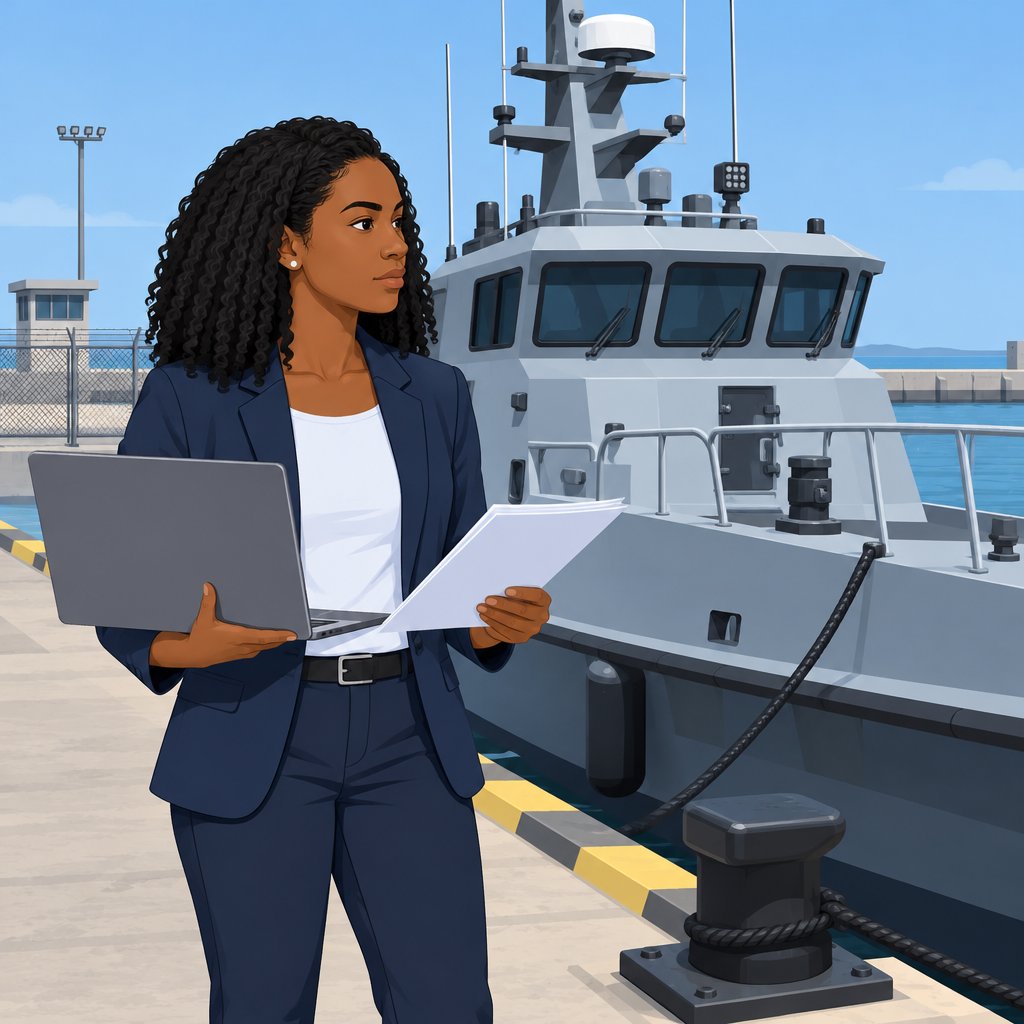
Training Programs and Professional Development
Marine engineers can pursue training programs and certifications to strengthen their skills and knowledge.
Available options include advanced ship systems training, cybersecurity certification, and risk management courses.
Transform Your Career with Expert Guidance
Get personalized mentorship consulting that’s tailored to your unique path. Our expert advice is actionable and exclusive.
Get StartedOn-the-job training and apprenticeships provide practical experience in ship maintenance, repair, and operation.
Continuous learning helps marine engineers stay updated with technologies and industry trends.
This development supports reliable, safe, and efficient marine vessels and systems.
Gain More Insights: Metallurgical Engineering and Nigerian Infrastructure Development
Challenges and Opportunities in Marine Engineering
Marine engineering faces challenges that affect maritime operations and national security.
However, engineers can address these difficulties through innovation, planning, and cooperation.
These efforts can also create opportunities for stronger, safer, and more sustainable maritime activities.
Challenges Affecting Maritime Engineering
Insufficient infrastructure can limit maritime operations and weaken protection across national waters.
Meanwhile, rapid technological change requires marine engineers to update their knowledge and technical skills.
Environmental pressures also demand sustainable practices that reduce pollution and address climate change.
- Limited infrastructure restricts resources available for effective maritime operations.
- Emerging technologies require engineers to maintain current technical knowledge.
- Pollution and climate change threaten marine ecosystems and demand sustainable solutions.
- Piracy, illegal fishing, and smuggling create persistent maritime security threats.
Opportunities for Innovation and Growth
Despite these challenges, marine engineering offers several opportunities for innovation and growth.
Automation can improve efficiency while reducing operational costs across maritime activities.
Additionally, green technologies can protect marine ecosystems while supporting national security objectives.
- Autonomous vessels can improve efficiency and reduce maritime operating costs.
- Alternative fuels and emission systems can support cleaner maritime operations.
- Cybersecurity measures can protect maritime data and communication networks.
- Workforce development programs can strengthen marine engineering capabilities.
Strategic Measures for Maritime Security
Strategic planning can help organizations overcome obstacles and maintain secure maritime environments.
Furthermore, partnerships can strengthen security measures and encourage knowledge sharing.
Regulatory compliance and research investments can advance engineering standards and national security objectives.
- Long-term strategies can guide responses to maritime engineering challenges.
- Partnerships with other sectors and countries can strengthen maritime security.
- International maritime laws can support consistent security standards and professional integrity.
- Research funding can drive innovation and support national security priorities.
Marine engineering requires proactive responses to infrastructure, technology, environmental, and security challenges.
At the same time, autonomous systems, green technologies, cybersecurity, and training offer valuable development opportunities.
Coordinated planning, cooperation, compliance, and research can help marine engineering support national security.
You Might Also Like: Introduction to Marine Engineering in Nigeria
Marine Engineering Operations Supporting National Security
Marine engineers support national security through specialized maritime expertise and practical technical solutions.
They help authorities prevent illegal activities, secure maritime borders, and support essential security operations.
Their work strengthens vessel readiness, maritime monitoring, emergency response, and protection for important coastal facilities.
- Marine engineers design systems that monitor and track vessels linked to drug trafficking or piracy.
- They develop surveillance technologies that help authorities control maritime borders and prevent unauthorized entry.
- They create and maintain naval vessels, submarines, and other military assets for security operations.
Marine engineers also improve maritime awareness by integrating radar, satellite communications, and underwater sensor systems.
During emergencies, they deploy resources, support search and rescue operations, and help protect affected areas.
They maintain ports, harbors, and offshore installations that support national security and maritime continuity.
- Radar systems help authorities detect potential security threats across maritime areas.
- Satellite communications support information sharing during maritime security and emergency operations.
- Underwater sensors help identify activities that surface monitoring may not detect.
- Resilient ports and offshore installations reduce the risk of disruptive damage.
Lessons From Marine Security Operations
Past security operations have helped marine engineers refine practices for changing threats and difficult environmental conditions.
These experiences show that adaptable planning improves responses when conditions change unexpectedly.
They also demonstrate that cooperation and innovation remain essential to effective maritime security.
- Marine engineers must adjust plans quickly when threats or environmental conditions change.
- Government agencies, military forces, and technical teams must share information during security operations.
- Innovation helps engineers address emerging threats with improved maritime solutions.
Marine engineering continues to protect maritime interests through dependable systems, coordinated operations, and responsive technical planning.
By applying experience and innovation, marine engineers help strengthen safety across national maritime activities.
Uncover the Details: How to Become a Licensed Architect in Nigeria
Marine Engineering and National Security Priorities
Marine engineering strengthens national security by providing technological advancements and practical solutions.
Furthermore, national leaders must invest in and support marine engineering to maintain a secure nation.
Additionally, continuous research and development help security leaders enhance national security measures.
Additional Resources
Google search results for Marine Engineering: Contributions to National Security Engineering
Bing search results for Marine Engineering: Contributions to National Security Engineering


