




Importance of Children’s Dental Health
A child’s dental health is crucial for their overall well-being.
Neglecting dental care can lead to various health issues.
Unfortunately, Nigerian schools often overlook dental health education for children.
Lack of Dental Health Education in Nigerian Schools
Many Nigerian schools provide little instruction about oral hygiene and its role in protecting teeth.
Consequently, students may not learn consistent habits for caring for their teeth.
Teachers and administrators often give dental health limited attention.
- Educators also lack training and materials for teaching proper dental care.
- Meanwhile, parents may lack information about dental health’s significance.
- Therefore, homes may provide little reinforcement for healthy oral habits.
Without clear guidance, children face greater risks of developing dental problems.
Tooth decay commonly affects children who practise poor oral hygiene.
Gum disease may cause pain, discomfort, or tooth loss when children receive no treatment.
- Bad breath and cavities may affect self-esteem and daily well-being.
- Dental problems can also create discomfort during everyday activities.
- Children may experience several oral health issues without proper care.
Untreated dental problems can also interfere with classroom concentration.
Pain may distract students and make schoolwork more difficult.
Some children may miss school because dental pain prevents regular attendance.
- Missed school days can affect students’ attendance and academic performance.
- Untreated oral problems may contribute to more serious health issues.
- These difficulties can reduce a child’s quality of life.
Schools can address this gap by making oral hygiene education part of student learning.
Teachers need suitable resources and training to explain proper dental care.
Parents also need clear information so homes can reinforce these lessons.
Together, schools and families can help children prevent future dental problems.
Factors Affecting Dental Health in Nigerian Schools
Several social, institutional, and practical barriers can limit dental health support in Nigerian schools.
These barriers influence how schools, families, teachers, and students approach oral care.
Understanding these factors can guide stronger school-based responses and community support.
- Cultural beliefs can cause communities to treat oral care as a low priority.
- Limited understanding among parents, teachers, and students can weaken support for dental health.
- Restricted access to dental services can discourage regular examinations and treatment.
- Fear of dental procedures may cause students to avoid check-ups and necessary care.
- Many schools lack the facilities and materials needed for dental health activities.
- Academic demands may receive greater attention than student health needs.
- Limited funding can prevent schools from sustaining dental health programmes.
- A shortage of trained personnel can restrict effective dental guidance and support.
Schools need coordinated support to address these barriers effectively.
Education, advocacy, policy changes, and community involvement can strengthen school dental health efforts.
Such cooperation can help schools provide more consistent oral health support for students.
Find Out More: Studying Infectious Diseases in Nigeria
Effects of Poor Dental Health on Children’s Well-Being
Poor dental health can affect children’s confidence, relationships, daily activities, and general health.
These effects may influence how children communicate, participate, eat, and focus at school.
Therefore, dental care supports children’s social, physical, and educational well-being.
Confidence and Social Interactions
Discolored teeth and bad breath can create aesthetic concerns for children.
As a result, children may feel self-conscious about their smiles.
This discomfort can influence how they speak, smile, and interact with peers.
- Children may avoid speaking or smiling publicly, which can increase feelings of isolation.
- Self-consciousness can reduce children’s confidence during social interactions.
- Some children may find it harder to develop friendships and social bonds.
- Dental concerns can affect how comfortably children participate with their peers.
- These experiences may influence children’s willingness to communicate in public.
Oral Health and General Health
Oral health closely connects with children’s general health and daily comfort.
Mouth infections and inflammation can cause pain and discomfort.
Consequently, children may struggle with eating, speaking, or focusing on schoolwork.
- Poor oral health can affect a child’s well-being and immune system.
- Pain may interrupt children’s daily activities and classroom participation.
- Eating difficulties can affect children’s comfort and routine.
- Speaking difficulties may limit children’s classroom and social participation.
- Reduced focus can make schoolwork more difficult for affected children.
Nigerian schools can support children’s well-being by prioritizing dental education and access to proper care.
Such support can help children thrive academically and socially.
Delve into the Subject: Anaesthesiology Residency Programs in Nigeria
Several initiatives promote dental awareness and services in Nigerian schools.
These efforts help children receive dental care and maintain good oral health.
Ongoing Programs and Initiatives
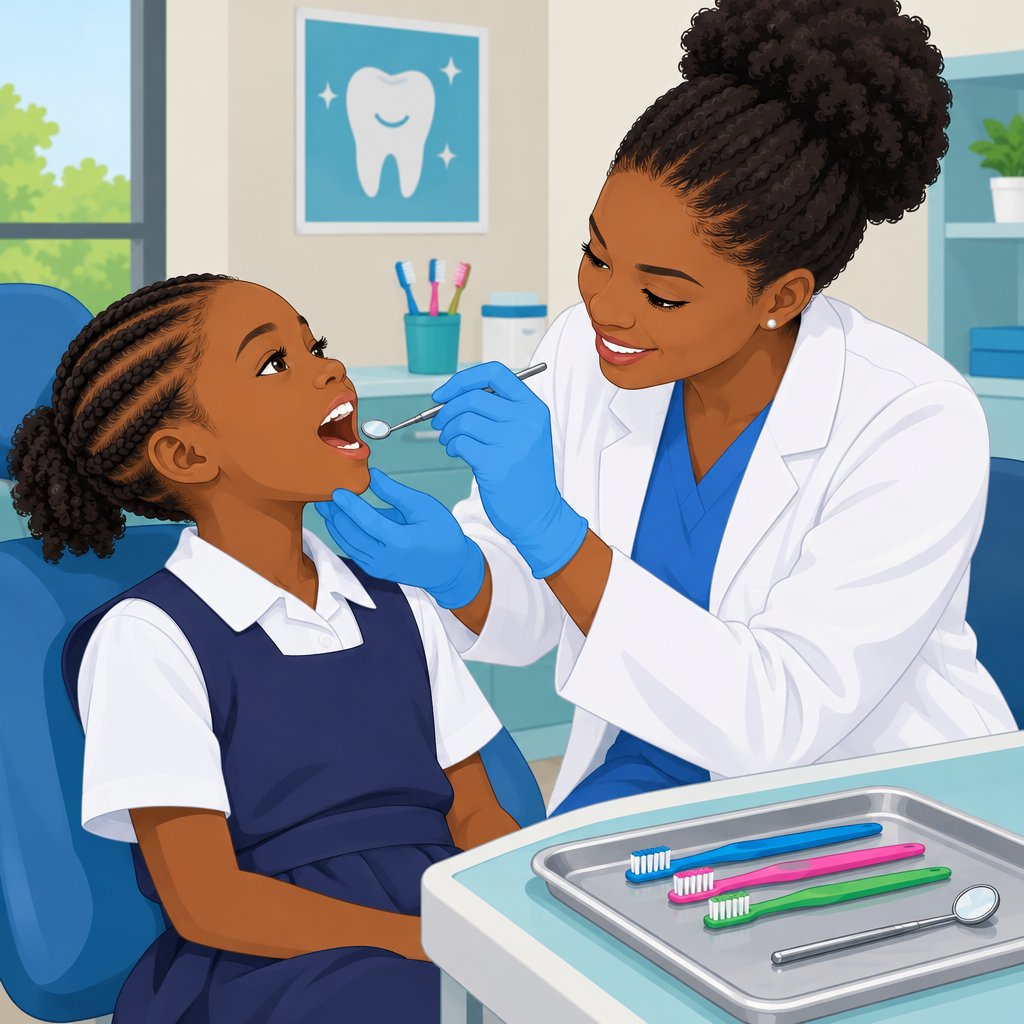
The School-Based Dental Health Program partners with schools to support student oral health.
Dental professionals provide screenings and oral hygiene education during school visits.
They also provide preventive treatments, including fluoride varnish applications.
Transform Your Career with Expert Guidance
Get personalized mentorship consulting that’s tailored to your unique path. Our expert advice is actionable and exclusive.
Get StartedRegular visits help professionals reach more students and identify oral health issues early.
Meanwhile, Mobile Dental Clinics travel to schools and provide check-ups and treatments.
This service benefits schools in remote areas with limited access to dental services.
Partnerships Supporting School Dental Health
Schools, parents, and dental professionals each contribute to better dental health.
They can coordinate oral health education, screenings, treatments, and home care.
This cooperation creates stronger support for students’ dental needs.
Schools Supporting Dental Health
Schools can include dental health lessons within their curriculum.
They can also organize awareness events with dental professionals.
Additionally, schools can facilitate regular check-ups and screenings for students.
- Creating a dental health curriculum to educate students about proper oral hygiene practices
- Organizing dental health awareness events and programs with dental professionals
- Facilitating regular dental check-ups and screenings for students
Parents Encouraging Oral Care
Parents can encourage children to follow good dental hygiene habits at home.
They can also arrange regular dental check-ups for their children.
Furthermore, parents can support school programs focused on dental health.
- Encouraging children to follow good dental hygiene habits at home
- Ensuring regular dental check-ups for their children
- Supporting school initiatives related to dental health
Dental Professionals Providing Expertise
Dental professionals can give schools resources for oral health education.
They can conduct screenings and treatments in cooperation with schools.
They can also train school staff to promote oral health among students.
- Providing schools with resources and expertise on oral health education
- Conducting dental screenings and treatments for students with schools
- Training school staff to promote oral health among students
Working together can create a supportive environment that prioritizes dental health in Nigerian schools.
This collaboration can improve children’s oral health and support their general well-being.
Learn More: How to Become a Haematologist in Nigeria
Integrating dental health education into school curricula helps students develop good oral hygiene practices.
Schools can use several strategies to incorporate dental health education effectively.
Dental Health Education Across School Subjects
- Science lessons can explain tooth decay, oral hygiene, and regular dental check-ups.
- Physical education can highlight connections between physical activity and overall oral health.
- Math lessons can examine oral health statistics and regular brushing and flossing habits.
- Language arts classes can include essays or presentations about the importance of oral hygiene.
Teachers’ Role in Supporting Oral Hygiene
- Teachers can model good oral hygiene practices by brushing and flossing regularly before their students.
- They can discuss proper brushing techniques, flossing, and regular dental visits during daily routines.
- Additionally, teachers can use games, videos, and interactive lessons to make dental health engaging.
- Teachers can communicate with parents about home care and regular dental check-ups.
By integrating dental health education, schools help students develop lasting oral health habits.
Teacher involvement can reinforce these practices and support students’ dental health throughout their lives.
Uncover the Details: Steps to Take After a Dental Restoration Fails
Regular Dental Check-Ups for Children
Regular dental check-ups help children maintain good oral health.
Preventive care allows dentists to identify concerns before they become more serious.
These visits can help prevent cavities, gum disease, and other oral health problems.
Parents play a significant role in arranging appropriate dental care for their children.
They should schedule routine appointments while children are still young.
Children should generally visit a dentist every six months for cleanings and check-ups.
Furthermore, regular visits can reveal potential problems and limit further complications.
Dentists also provide useful guidance about oral hygiene practices for children.
At home, parents should encourage children to brush and floss daily.
These appointments also help dentists monitor tooth growth and development.
Early orthodontic detection can support timely intervention and treatment.
Additionally, children who attend regularly may develop healthier oral habits.
Parents can reinforce these habits by prioritizing their own dental health.
Teaching dental care early can establish lifelong oral hygiene habits.
Preventive visits may also reduce costs by helping families avoid complex treatments.
Regular visits can make children feel more comfortable and less anxious during dental appointments.
Dental Health Awareness in Nigerian Schools
Dental health deserves strong attention in children.
This focus can help prevent oral health issues.
Therefore, Nigerian schools should prioritize dental awareness and education.
These efforts can promote good oral hygiene habits from a young age.
Additional Resources
Google search results for Nigerian Schools and Child Dental Health Medical
Bing search results for Nigerian Schools and Child Dental Health Medical


