




Introduction
Marine engineering involves designing, constructing, and maintaining ships and other marine structures.
Safety practices and standards protect lives, the environment, and assets in marine engineering.
Marine engineers implement and enforce safety measures to prevent accidents and promote safe navigation.
Regulatory Bodies and International Standards
Regulatory bodies and international standards guide marine engineering safety practices.
They protect seafarers and support vessel integrity.
These frameworks also promote consistent safety practices across maritime operations.
Key Maritime Organizations
Several organizations establish requirements for maritime safety and vessel certification.
Their responsibilities cover international shipping, ship safety, and seaworthiness.
They also address standards for crews, vessels, and maritime operations.
- The International Maritime Organization is a United Nations agency for international shipping safety and security.
- SOLAS is an international maritime safety treaty covering ships, crews, and ports.
- Class societies certify ships for seaworthiness and compliance with safety standards.
Standards and Regulatory Requirements
The IMO, SOLAS, and class societies establish rules for the maritime industry.
These requirements address ship design, construction, crew competency, and operational procedures.
They also define safety measures for fire prevention, lifesaving equipment, and navigation.
Additionally, the standards include requirements for pollution prevention.
These measures reduce risks that could endanger seafarers or harm the environment.
Importance of Regulatory Compliance
Maritime operators must follow established standards to protect seafarers and vessels.
Compliance helps operators conduct their activities safely and responsibly.
It protects people at sea and helps prevent avoidable environmental damage.
Furthermore, compliance can strengthen a shipping company’s reputation and improve operational efficiency.
It can also reduce legal liabilities after preventable accidents or incidents.
Preventive Maintenance for Vessel Safety
Marine engineers maintain machinery and equipment to support safe vessel operations.
Regular inspections, lubrication, cleaning, and repairs help prevent mechanical failures.
Therefore, preventive maintenance keeps the vessel in optimal working condition.
Safety Protocols During Marine Operations
Crew members follow safety protocols to reduce risks during operations at sea.
These procedures address fire safety, man-overboard situations, collision avoidance, and pollution prevention.
Additionally, trained crew members apply these procedures during emergencies.
Training and Certification for Marine Engineers
Marine engineers maintain vessel functionality and support emergency response efforts.
They complete training in firefighting, first aid, survival at sea, and hazardous materials handling.
Furthermore, continuous education helps engineers respond effectively to unforeseen events.
These practices help protect personnel, vessels, and the marine environment.
Explore Further: The Future of Marine Engineering in Nigeria
Potential Hazards in a Maritime Environment
Marine engineers must remain alert to hazards throughout maritime operations.
Rough weather, equipment failures, human errors, fires, and collisions can threaten vessels and crews.
Effective hazard awareness helps engineers support safe decisions and protect everyone on board.
Weather Conditions
Storms, high winds, heavy rain, and fog can threaten vessel and crew safety.
These conditions can reduce visibility, disrupt navigation, and make onboard tasks more difficult.
Therefore, marine engineers must help the crew prepare for changing conditions and operate equipment safely.
Equipment Failures
Engine, electrical, and steering system failures can create dangerous situations at sea.
Engineers should monitor equipment performance and recognize warning signs before failures escalate.
Inspections and timely repairs help crews maintain reliable vessel operations.
Human Errors
Fatigue, inadequate training, and miscommunication can cause serious maritime accidents.
Transform Your Career with Expert Guidance
Get personalized mentorship consulting that’s tailored to your unique path. Our expert advice is actionable and exclusive.
Get StartedClear procedures help crew members understand their responsibilities during routine and emergency operations.
Regular training and careful communication reduce mistakes during critical tasks.
Fires
Fires can spread quickly throughout a vessel and threaten everyone on board.
Marine engineers must support fire prevention measures and maintain firefighting equipment.
Well-practiced firefighting procedures help the crew respond quickly when a fire starts.
Collisions
Vessels may collide with other ships, marine structures, or natural obstacles.
Proper navigation, continuous vigilance, and clear communication help crews avoid these incidents.
Engineers also support reliable navigation and steering systems during collision avoidance.
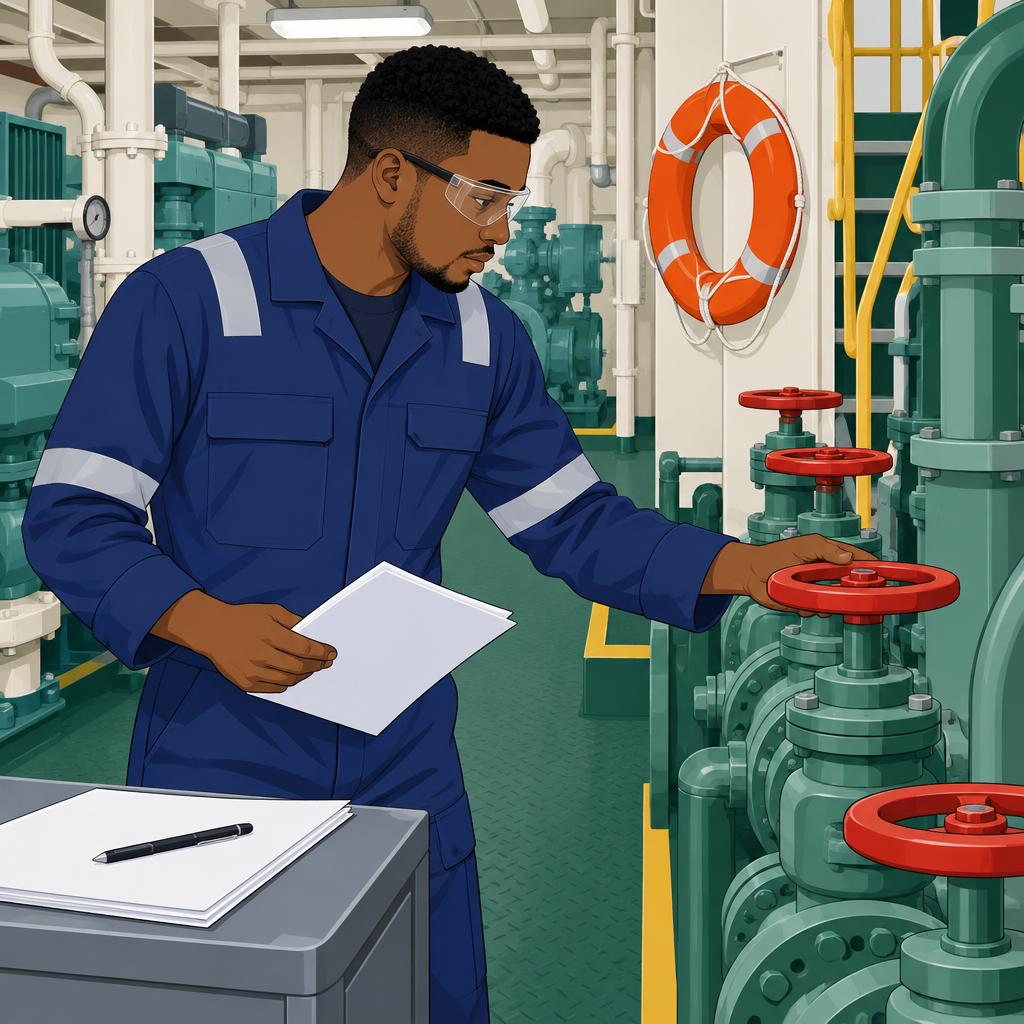
Strategies for Maintaining Safety on Board
Marine engineers must apply coordinated strategies to reduce risks during vessel operations.
These strategies should address equipment, crew actions, emergency responses, and communication.
Consistent safety practices help the crew manage hazards before they cause harm.
Regular Inspections and Maintenance
Engineers should inspect vessel systems and safety equipment at regular intervals.
These inspections should include engines, electrical systems, navigation equipment, and emergency gear.
Promptly addressing defects helps prevent equipment problems from becoming operational emergencies.
Training and Education
Every crew member needs suitable training for assigned duties and emergency situations.
Training should cover emergency procedures, firefighting techniques, and onboard safety protocols.
Practical education helps crew members respond confidently and consistently during hazardous events.
Emergency Response Plans
Well-defined emergency plans guide the crew during accidents and other urgent situations.
Plans should address fires, collisions, personnel overboard events, and additional emergencies.
Regular practice helps crew members understand their actions and coordinate an effective response.
Communication Protocols
Clear communication supports safe operations and helps prevent misunderstandings.
Crew members should follow established communication protocols during routine work and emergencies.
Consistent messages help the crew coordinate tasks and respond quickly to changing conditions.
Regular Risk Assessments and Safety Audits
Regular risk assessments help marine engineers identify hazards and evaluate their potential effects.
Safety audits also help verify compliance with applicable safety regulations and onboard procedures.
Together, these activities reveal opportunities to improve controls, equipment practices, and crew training.
Engineers can use assessment findings to establish controls that reduce identified risks.
Audits can also highlight weaknesses in safety procedures and emergency readiness.
Continual monitoring helps the crew address changing conditions before accidents occur.
By reviewing risks regularly, marine engineers support a safer working environment for everyone on board.
Delve into the Subject: Top Universities for Networking & System Security in Nigeria
Emergency Response and Crisis Management
During emergencies at sea, marine engineers help protect the vessel and crew.
They assess situations, make decisions, and act quickly to prevent additional damage.
Their response supports safety during rapidly changing conditions.
Importance of Proper Procedures
- Clear procedures help crews respond swiftly and effectively to different maritime incidents.
- They streamline communication, allocate resources efficiently, and reduce impacts on vessels and the environment.
- Moreover, established protocols help engineers coordinate with crew members and external support services.
Case Studies in Crisis Management
- The Deepwater Horizon oil spill in 2010 demonstrates crisis management in the maritime industry.
- Engineers and emergency responders worked to contain the spill, protect wildlife, and limit environmental damage.
- Advanced technology, expert knowledge, and coordinated efforts eventually brought the crisis under control.
This example highlights the importance of preparedness and swift action during emergencies.
Quick thinking and collaboration support vessel, crew, and environmental safety.
Marine engineers therefore rely on planning and coordination during maritime crises.
You Might Also Like: Petroleum vs. Renewable Energy Engineering: Navigating Nigeria's Shifting Needs
Technology and Innovation in Marine Safety
Technology strengthens safety practices in marine engineering.
Advancements across maritime technology have improved safety standards.
These tools help crews monitor conditions, coordinate actions, and address risks more effectively.
Advancements in Technology
Modern tools help marine engineers identify hazards and manage equipment more effectively.
Furthermore, connected systems give crews better information during routine operations.
These advancements also support timely decisions when operating conditions change.
- Smart sensors monitor equipment and detect potential hazards.
- Integrated communication systems improve coordination among crew members.
- Drones inspect and monitor ships and offshore structures.
- Predictive maintenance systems help prevent unexpected breakdowns.
Modern Safety Equipment and Systems
Marine crews use specialized systems to improve navigation, monitoring, and emergency control.
For example, tracking and positioning tools support safer route planning.
Meanwhile, monitoring and shutdown systems help crews respond quickly to hazardous situations.
- Automatic Identification Systems support vessel tracking and collision avoidance.
- GPS navigation systems provide accurate positioning and route planning.
- Closed-circuit television cameras monitor critical areas continuously.
- Emergency shutdown systems enable rapid responses to hazardous situations.
Impact of Innovation on Safety Standards
Continuous innovation has improved safety standards across the maritime industry.
Early detection and prevention measures can reduce accidents and incidents at sea.
Additionally, data analytics helps crews identify risks and apply proactive safety measures.
- Early detection and prevention measures reduce accidents and incidents at sea.
- Enhanced emergency capabilities support faster and more effective rescue operations.
- Improved communication enables better coordination during emergencies.
- Enhanced data analytics helps identify risks and guide proactive safety measures.
These innovations make maritime operations safer for everyone involved.
Explore Further: Emerging Trends in Nigerian Metallurgical Engineering
Sustaining Safety in Marine Engineering
Safety practices and standards protect everyone involved in marine engineering and maritime activities.
Therefore, strict adherence prevents accidents, protects the environment, and supports the maritime industry’s sustainability.
Moreover, continued attention to safety at sea reduces risks, saves lives, and upholds marine engineering’s integrity.
As marine engineering evolves, professionals must adapt safety practices to meet changing maritime conditions.
Meanwhile, teams should uphold standards, apply best practices, and strengthen a lasting safety culture.
Together, maritime professionals can build a safer and more sustainable future for everyone in this field.
Continued collaboration will advance safety at sea and strengthen the future of marine engineering.
Thank you for joining this journey, and we welcome continued collaboration to promote safety at sea.
Additional Resources
Google search results for Marine Engineering: Safety Practices and Standards Engineering
Bing search results for Marine Engineering: Safety Practices and Standards Engineering


