




Interdisciplinary Approaches to Social Medicine
Social medicine combines multiple disciplines to address healthcare issues comprehensively.
Furthermore, multidisciplinary collaboration supports holistic solutions to social healthcare concerns.
Medicine, sociology, anthropology, psychology, and public health each contribute unique perspectives.
Understanding Social Determinants of Health
Social determinants of health include conditions affecting people throughout life.
These conditions influence health outcomes and contribute to health disparities.
Income, education, housing, and resource access strongly shape individual and community health.
Communities can improve health equity by addressing these conditions together.
Social Factors That Shape Health
Income affects people’s ability to obtain healthcare services and afford medications.
It also influences people’s ability to maintain healthy lifestyles.
Consequently, people with limited incomes often experience greater health disparities.
Education helps people make informed decisions about their health.
It also supports healthcare access and encourages healthy behaviors.
Therefore, education levels can contribute to differences in health outcomes.
Housing conditions can directly affect physical and mental health.
Poor housing, overcrowding, and inadequate sanitation can increase infectious disease risks.
These conditions can also contribute to respiratory problems and mental health challenges.
Safe, affordable housing supports health and personal well-being.
Access to nutritious food, clean water, and safe environments also matters.
Social support systems can help people manage health challenges more effectively.
Without these resources, people face higher risks of chronic disease and mental health problems.
Collaborative Responses to Social Needs
Healthcare, social work, public health, education, and housing professionals can address social needs together.
Each field contributes distinct knowledge, skills, and community perspectives.
Healthcare teams can identify social needs during routine patient interactions.
Social workers can connect patients with housing, food, and other community resources.
This process addresses medical concerns alongside practical barriers to health.
Moreover, shared planning can produce interventions that address several social factors simultaneously.
Professionals can pool resources and expertise to develop practical community solutions.
Such coordination supports more complete responses to complex health challenges.
Community Programs That Improve Health
Community health centers can provide several services in one accessible location.
These services may include medical, dental, behavioral health, and social support.
Healthcare providers, social workers, and nutritionists can serve community members together.
Integrated services can improve access while addressing broader health needs.
School-based health programs can also support students and their families.
These programs may provide health education, screenings, and appropriate referrals.
Healthcare providers, educators, social workers, and community organizations can coordinate these services.
Affordable housing programs can reduce barriers that affect community health.
Job training opportunities can strengthen access to income and essential resources.
Nutritious food initiatives can further support healthier communities.
Community Action and Health Equity
Communities can promote health equity by recognizing social conditions alongside medical needs.
Coordinated programs can reduce barriers affecting marginalized populations.
Transform Your Career with Expert Guidance
Get personalized mentorship consulting that’s tailored to your unique path. Our expert advice is actionable and exclusive.
Get StartedPractical solutions can improve health and well-being across communities.
Ongoing cooperation can help communities sustain these improvements over time.
Integrating Behavioral Science and Medicine
Behavioral science examines how people think, feel, and act regarding their health.
These insights clarify factors that influence health decisions.
Medical professionals can use behavioral science to understand physical, psychological, and social aspects of patient well-being.
Benefits of Integrating Behavioral Science into Medicine
Healthcare providers can use behavioral factors to tailor treatment plans.
This approach can improve communication and shared decision-making.
Behavioral interventions can promote healthy behaviors and help prevent or manage chronic conditions.
- Behavioral insights can help providers tailor treatment plans to individual needs.
- Understanding patient behaviors can improve communication and shared decision-making.
- Behavioral interventions can help prevent and manage chronic diseases.
- Behavior-focused care can reduce costs linked to preventable illnesses and complications.
Importance of Interdisciplinary Collaboration
Medical professionals and behavioral scientists can address physical and psychological aspects together.
Their collaboration can produce novel interventions that consider the whole patient.
Interdisciplinary research can explore ways to improve patient outcomes.
- Collaborative teams can provide more comprehensive patient care.
- Joint efforts can create innovative treatment approaches.
- Interdisciplinary research can advance healthcare innovation.
- Collaboration can expand professional knowledge and skills.
Integrating behavioral science can benefit patients, providers, and healthcare systems.
Recognizing behavior’s role can support a more holistic approach to healthcare.
Collaboration can help healthcare professionals develop more effective care strategies.
Gain More Insights: Common Procedures in Nigerian Maxillofacial Surgery
Addressing Mental Health in Social Medicine
- Discussing mental health stigma raises awareness and challenges harmful stereotypes.
- Social medicine must address mental health to provide holistic care for individuals.
- Additionally, mental health professionals, social workers, and healthcare providers can coordinate patient support.
- Through collaboration, these professionals can provide comprehensive support and tailored interventions.
- This approach helps patients receive appropriate care for their mental health concerns.
- It also reduces stigma and encourages a more inclusive healthcare environment.
- Success stories demonstrate how coordinated services can address mental health needs in underserved communities.
- For example, one program combines therapy, social support, and healthcare services for people needing assistance.
- That program produced significant improvements in participants’ mental health outcomes.
- Another effort connects mental health professionals with community organizations to deliver needed services.
- As a result, the partners reached more people and supported those with significant needs.
- These examples demonstrate the value of coordinated action in addressing mental health effectively.
Uncover the Details: Overview of Paediatrics and Child Health in Nigeria
Interdisciplinary Approaches to Health Equity
Health equity and social justice strongly influence individual and community well-being.
An interdisciplinary approach addresses the root causes of healthcare disparities.
It also supports a more equitable healthcare system for diverse populations.
- Professionals from medicine, public health, social work, and policymaking can collaborate.
- Multiple perspectives help teams understand complex factors behind healthcare inequities.
- Healthcare teams can tailor interventions to individual and community needs.
- Interdisciplinary teams can implement preventive measures and early interventions.
- Prevention can address underlying causes before health disparities become more severe.
Advocacy, Policy, and Community Engagement
Advocacy, policymaking, and community engagement support health equity and social justice.
These efforts address disparities by involving affected communities and decision-makers.
They also encourage healthcare systems to respond to diverse community needs.
- Advocates defend marginalized populations and support equitable healthcare access.
- Advocates raise awareness about disparities and promote policy changes.
- Policymakers can create policies that improve healthcare access and outcomes.
- Community engagement reveals unique challenges affecting different populations.
- Community participation helps make healthcare initiatives culturally sensitive and responsive.
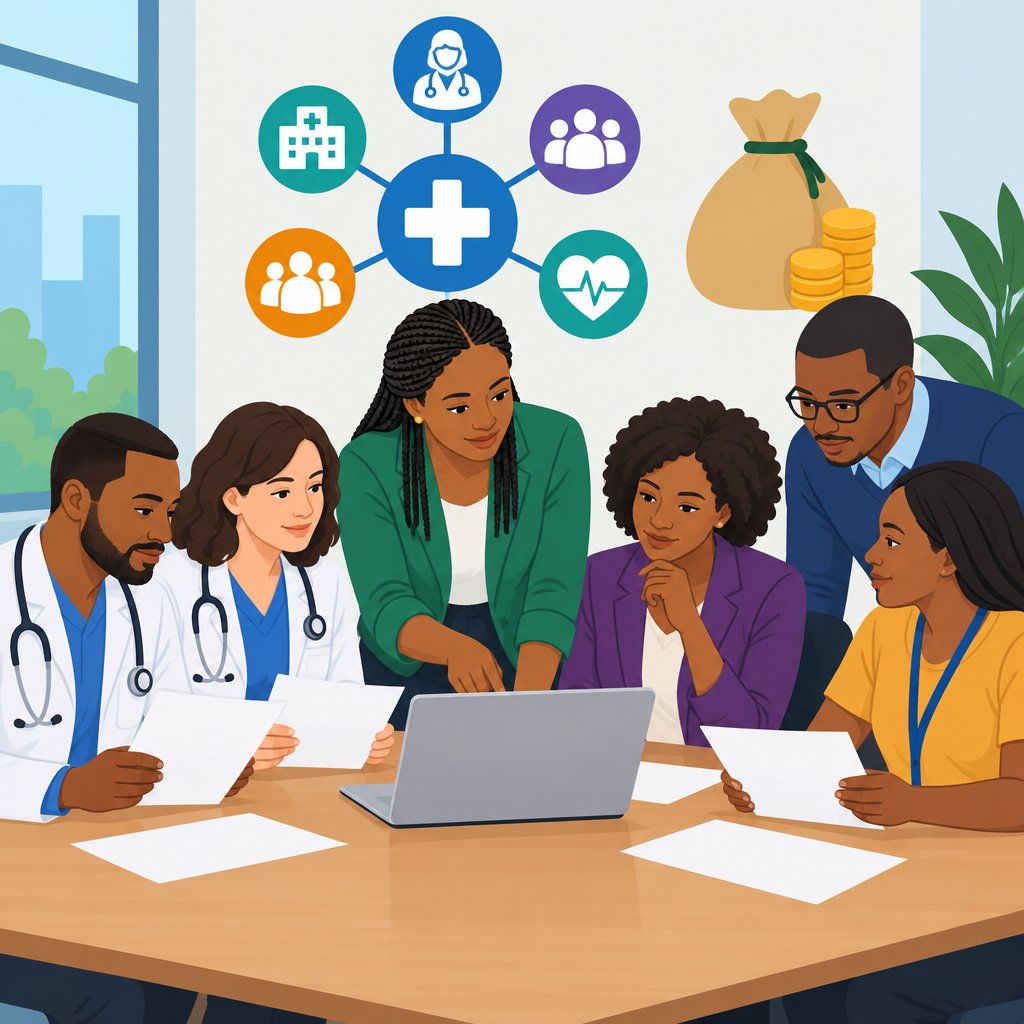
Initiatives Supporting Equitable Healthcare
Several initiatives demonstrate how organizations can promote health equity and social justice.
These initiatives combine collaboration, policy action, and accessible healthcare services.
They also focus on improving care for underserved populations.
- The Health Equity Initiative unites professionals, advocates, policymakers, and community members.
- The initiative supports programs addressing social conditions that influence health.
- The Affordable Care Act expanded healthcare coverage and emphasized preventive care.
- The Act also prohibited discriminatory practices within healthcare coverage.
- Community health centers provide affordable primary care to underserved populations.
- These centers help people access quality care regardless of socioeconomic background.
Healthcare professionals can advance equity through collaboration, advocacy, and community engagement.
These efforts can create a healthcare system that responds to everyone’s needs.
They can also support better health outcomes across underserved communities.
Learn More: Radiography Research Opportunities in Nigeria
Technology and Innovation in Social Medicine
Technology continues to transform healthcare delivery in today’s fast-paced world.
Social medicine can use innovation to strengthen care for underserved communities.
These tools can improve collaboration, access, efficiency, and patient engagement.
Technology Supporting Healthcare Collaboration
Digital platforms help healthcare professionals communicate more efficiently.
They allow teams to share information in real time.
Consequently, professionals can coordinate decisions and support more organized care.
Telemedicine and Health Applications
Telemedicine provides healthcare services remotely through telecommunications technology.
It helps professionals reach people who live in remote or underserved areas.
Meanwhile, health applications can personalize care, monitoring, and patient support.
Expanding Access Through Digital Care
Technology can make healthcare services more convenient for underserved communities.
Virtual consultations can connect patients with medical advice without requiring physical visits.
Additionally, remote monitoring can help address access barriers in rural and marginalized areas.
Benefits of Integrated Healthcare Technology
Technology can increase efficiency throughout healthcare delivery.
It can also support better patient outcomes and more cost-effective services.
Furthermore, digital tools can strengthen patient engagement and satisfaction.
Challenges Affecting Digital Healthcare Integration
Healthcare organizations must address privacy and data security concerns.
Professionals and patients may also need stronger technological literacy.
Moreover, unequal technology access can limit the benefits for some communities.
Building More Inclusive Care Through Innovation
Healthcare systems can address these challenges through thoughtful technology integration.
Such efforts can strengthen collaboration while improving service access.
Ultimately, innovation can support a more inclusive and effective healthcare system.
Uncover the Details: Medical Outreach Programs by Nigerian Universities
Advancing Collaborative Social Medicine
Interdisciplinary social medicine can address complex health issues more efficiently.
Collaboration among medicine, sociology, psychology, and public health supports holistic healthcare solutions.
Moreover, diverse expertise helps teams provide comprehensive care for individuals and communities.
This collaboration also helps healthcare initiatives consider social determinants of health.
Continued research and innovation can improve health outcomes across populations.
Furthermore, tailored interventions can reflect the multifaceted nature of health and well-being.
Such collaboration can strengthen patient-centered, equitable, and sustainable healthcare systems.
By working across disciplines, healthcare professionals can improve quality of life for individuals and communities.
Additional Resources
Google search results for Interdisciplinary Approach to Social Medicine Medical
Bing search results for Interdisciplinary Approach to Social Medicine Medical


