




Environmental Justice Issues in Nigeria
Nigeria faces various environmental challenges.
These challenges include pollution, deforestation, and oil spills.
Marginalized communities experience disproportionate effects from these environmental problems.
Importance of Environmental Justice Initiatives
Environmental justice initiatives play a vital role in addressing these issues.
They help vulnerable populations access resources equally.
They also protect vulnerable populations from environmental harm.
Historical Context of Environmental Justice in Nigeria
Environmental justice in Nigeria developed alongside the country’s history of resource exploitation.
During colonial rule, foreign powers exploited natural resources and affected local environments.
These historical practices shaped continuing environmental challenges for Nigerian communities.
Resource Extraction and Environmental Degradation
Nigeria possesses valuable resources, including oil, gas, and minerals.
Resource extraction has generated national wealth but also caused extensive environmental degradation.
Oil spills, gas flaring, deforestation, and water pollution remain major environmental concerns.
Consequences for Marginalized Communities
Rural communities near extraction sites experience pollution and environmental destruction directly.
Residents may develop respiratory diseases, skin rashes, and illnesses linked to contaminated water.
Pollution also damages farmland, threatens food security, and reduces local livelihoods.
Risks for Women and Children
Environmental degradation creates particular risks for women and children in affected communities.
Women often collect water and firewood, increasing their exposure to pollution and deforestation.
Children face health risks from contaminated air and water.
Environmental Justice Initiatives in Nigeria
Organizations and public initiatives now address environmental injustice across Nigeria.
These efforts promote sustainable development and protect the rights of affected communities.
They also encourage stronger accountability for environmental damage.
Key Environmental Justice Initiatives
- The Ogoni Cleanup project began in 2016 to remediate polluted sites in the Niger Delta.
- Environmental Rights Action/Friends of the Earth Nigeria challenges multinational corporations over environmental impacts.
- Environmental advocates promote stronger laws protecting communities and natural resources.
These initiatives combine remediation, advocacy, and legal reform.
They also give affected communities greater opportunities to express their concerns.
Community participation strengthens efforts to achieve environmental justice.
Community Empowerment and Capacity Building
Local communities need opportunities to advocate for their environmental rights.
Capacity-building programs can increase awareness of environmental issues.
These programs can also develop skills for addressing local environmental challenges.
Collaboration and Networking
Government agencies, civil society organizations, and communities must cooperate effectively.
Networks can help participants share information, resources, and practical experience.
Such cooperation can strengthen environmental justice initiatives across Nigeria.
Educational Campaigns and Public Awareness
Educational campaigns can explain environmental risks and encourage responsible environmental practices.
Outreach programs can help communities understand the importance of environmental protection.
Awareness can motivate residents to participate in environmental action.
Community Participation in Sustainable Development
Environmental justice requires sustainable development that includes affected communities.
Community involvement can support stronger protection for health, livelihoods, and natural resources.
Through cooperation and advocacy, Nigeria can advance environmental protection and social justice.
Current Environmental Justice Initiatives in Nigeria
Nigeria supports several initiatives that promote environmental protection and community participation.
These programs encourage cleaner practices, conservation, recycling, and regulatory enforcement.
Organizations and public agencies contribute through projects, advocacy, and environmental oversight.
Overview of Existing Programs and Projects
Several projects address environmental protection through practical community and institutional activities.
Transform Your Career with Expert Guidance
Get personalized mentorship consulting that’s tailored to your unique path. Our expert advice is actionable and exclusive.
Get StartedSome initiatives focus on waste management, while others support conservation and sustainable resource use.
Additionally, recycling programs and regulatory agencies promote greater environmental responsibility.
- The Clean Up Nigeria Initiative focuses on waste management and pollution control.
- The Green Earth Initiative promotes sustainable practices and natural resource conservation.
- The Nigerian Conservation Foundation protects biodiversity and promotes environmental sustainability.
- The Wecyclers project encourages recycling by exchanging waste for rewards.
- The Lagos State Environmental Protection Agency enforces regulations and conducts environmental impact assessments.
Key Organizations and Stakeholders Supporting Environmental Justice
Various organizations advocate for environmental justice across Nigeria.
These stakeholders support environmental rights, community engagement, conservation, and public accountability.
Furthermore, their work strengthens advocacy for sustainable environmental practices.
- Environmental Rights Action/Friends of the Earth Nigeria (ERA/FoEN)
- Women Environmental Programme (WEP)
- Centre for Democracy and Development (CDD)
- Heinrich Boll Stiftung
- African Clean-Up Initiative
Delve into the Subject: Challenges in Environmental Safety Management Today
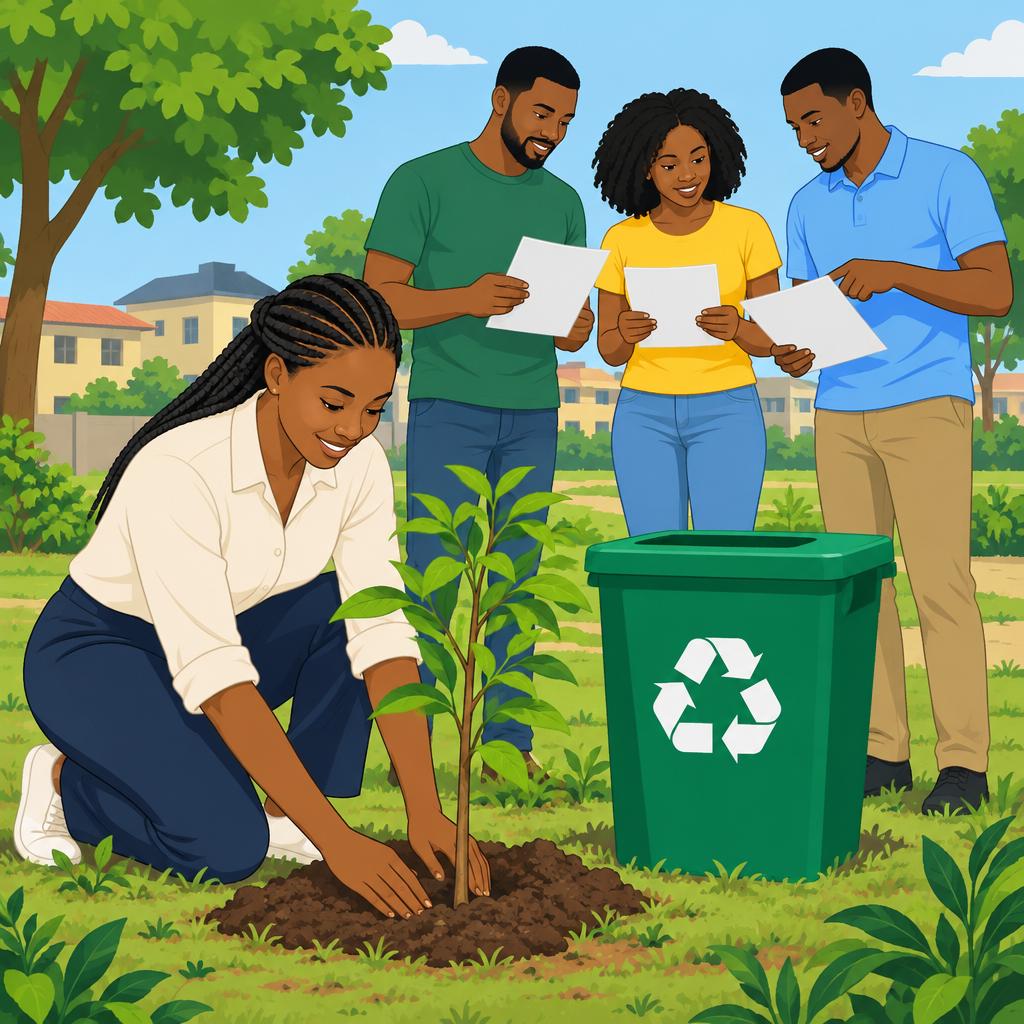
Challenges in Achieving Environmental Justice in Nigeria
Nigeria faces several obstacles when it pursues environmental justice.
These obstacles limit environmental protection and weaken support for affected communities.
Major challenges include limited resources, political barriers, and resistance from powerful institutions.
- Lack of resources and funding
- Political and institutional barriers
- Resistance from industries and government agencies
Limited Resources and Funding
Limited resources create a major challenge for environmental justice in Nigeria.
Environmental agencies often lack the technology, equipment, and personnel needed to monitor regulations effectively.
Consequently, weak resources reduce the ability to enforce environmental protections.
Insufficient funding also makes research, data collection, and sustainable practices more difficult.
Furthermore, funding shortages delay responses to environmental problems affecting communities.
Political and Institutional Barriers
Nigeria’s political and institutional systems create additional barriers to environmental justice.
Corruption, limited transparency, and bureaucratic inefficiencies can obstruct environmental progress.
Political interference may also weaken policies that protect vulnerable populations.
Meanwhile, weak enforcement mechanisms can prevent agencies from addressing environmental violations.
Conflicting government agendas may further delay policies that prioritize environmental protection.
As a result, powerful stakeholders may receive greater attention than affected communities.
Resistance from Industries and Government Agencies
Industries and government agencies may resist measures that promote environmental justice.
Industries sometimes prioritize profit over environmental sustainability.
Such practices can damage the environment and threaten community health.
At the same time, regulators may face pressure from powerful stakeholders.
That pressure can encourage agencies to overlook violations or impose lenient penalties.
Consequently, weak accountability can create a culture of impunity.
This pattern allows environmental injustices to continue across the country.
Learn More: Environmental Biology and Climate Action
Success Stories and Milestones in Environmental Justice
Ogoni land represents a significant success story in Nigeria’s environmental justice efforts.
The Ogoni people have pursued justice against environmental degradation in the Niger Delta region.
Meanwhile, activists and local leaders mobilized residents to demand restoration and accountability.
- Oil spills and pollution from multinational oil companies caused extensive environmental damage.
- Environmental activists and local leaders organized the community around demands for justice and restoration.
- Consequently, international attention and support increased pressure on the Nigerian government.
Positive Impacts of Environmental Restoration
The Ogoni struggle contributed to the establishment of the Hydrocarbon Pollution Remediation Project.
HYPREP focuses on cleaning and restoring damage from oil exploration and exploitation.
Furthermore, restoration efforts have improved environmental conditions and renewed hope among local residents.
- Government and international funding has supported HYPREP’s cleanup activities.
- HYPREP has made significant progress cleaning contaminated sites.
- Communities have reported cleaner water sources and reduced pollution levels.
- These environmental improvements have benefited local health and livelihoods.
Community Empowerment Through Environmental Justice
Environmental justice initiatives have strengthened communities’ ability to advocate for their rights.
Grassroots organizing has helped residents challenge powerful corporations and government policies.
As a result, marginalized communities can demand accountability and participate more actively in decisions.
- Local leaders and activists educate community members about environmental concerns.
- Community organizers mobilize residents to take collective action.
- Awareness campaigns have strengthened solidarity and community resilience.
- These initiatives give marginalized communities a stronger voice in accountability efforts.
Explore Further: Estate Management and Land Use Planning
Future Prospects for Environmental Justice in Nigeria
Environmental justice in Nigeria has promising prospects for growth, expansion, and international collaboration.
These opportunities can strengthen responses to environmental challenges and support a more sustainable, just society.
Local initiatives can gain wider impact by combining community action, government support, research, innovation, and international partnerships.
- Potential for growth and expansion of initiatives
- Opportunities for collaboration with international partners and organizations
Potential for Growth and Expansion of Initiatives
Nigeria has substantial potential to expand environmental justice initiatives.
Increasing awareness and advocacy create favorable conditions for initiatives that promote environmental justice.
Moreover, growing interest among young Nigerians supports environmental activism and sustainable practices.
Young Nigerians can help establish grassroots movements and community projects across the country.
These efforts can address environmental injustices within local communities.
Additionally, government support for sustainable development and environmental protection can accelerate initiative growth.
Supportive policies and regulations can create favorable conditions for environmental conservation and protection.
Investment in environmental research and innovation can further expand environmental justice initiatives.
New technologies and solutions can support innovative projects addressing environmental injustices in Nigeria.
Opportunities for Collaboration with International Partners and Organizations
International collaboration can significantly enhance the impact and reach of environmental justice initiatives in Nigeria.
Such partnerships can provide expertise, resources, and practices that strengthen local initiatives.
Moreover, international partners can offer funding and technical support for environmental projects.
Many international organizations provide grants for environmental projects in developing countries.
Local initiatives can use these resources to implement their programs effectively.
Knowledge exchange and capacity building also strengthen environmental justice work.
Working with international experts can help local initiatives learn from global practices.
This exchange can improve the effectiveness and efficiency of environmental justice initiatives.
Finally, networking with international organizations can expand local partnerships and opportunities.
Local initiatives can build relationships with organizations and experts from around the world.
These relationships can support joint projects, advocacy campaigns, and knowledge sharing.
Together, these opportunities can expand environmental justice initiatives in Nigeria.
Strong partnerships can help address environmental challenges and advance a more sustainable, just society.
Learn More: Real Estate Investment and Estate Management
Environmental Justice and a Sustainable Future
Environmental justice is crucial in Nigeria to ensure a sustainable future for all.
Moreover, it is essential to continue supporting these initiatives in the country.
Advocacy for environmental justice initiatives remains essential in Nigeria.
Additional Resources
Google search results for Environmental Justice Initiatives in Nigeria Environmental
Bing search results for Environmental Justice Initiatives in Nigeria Environmental


